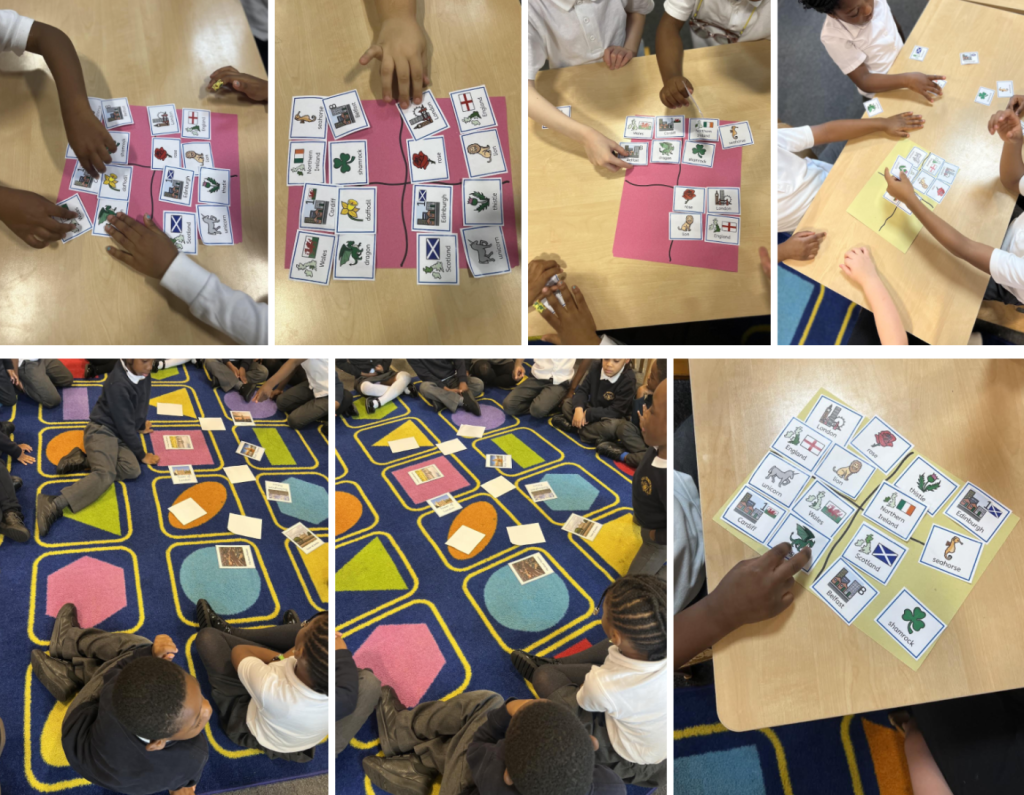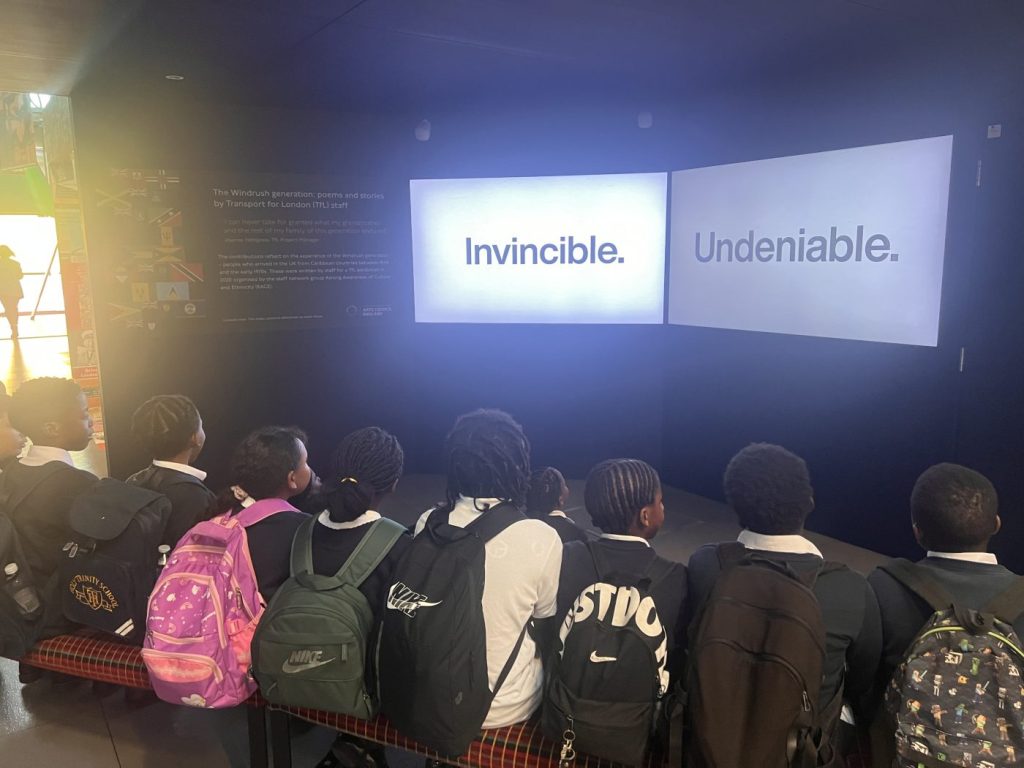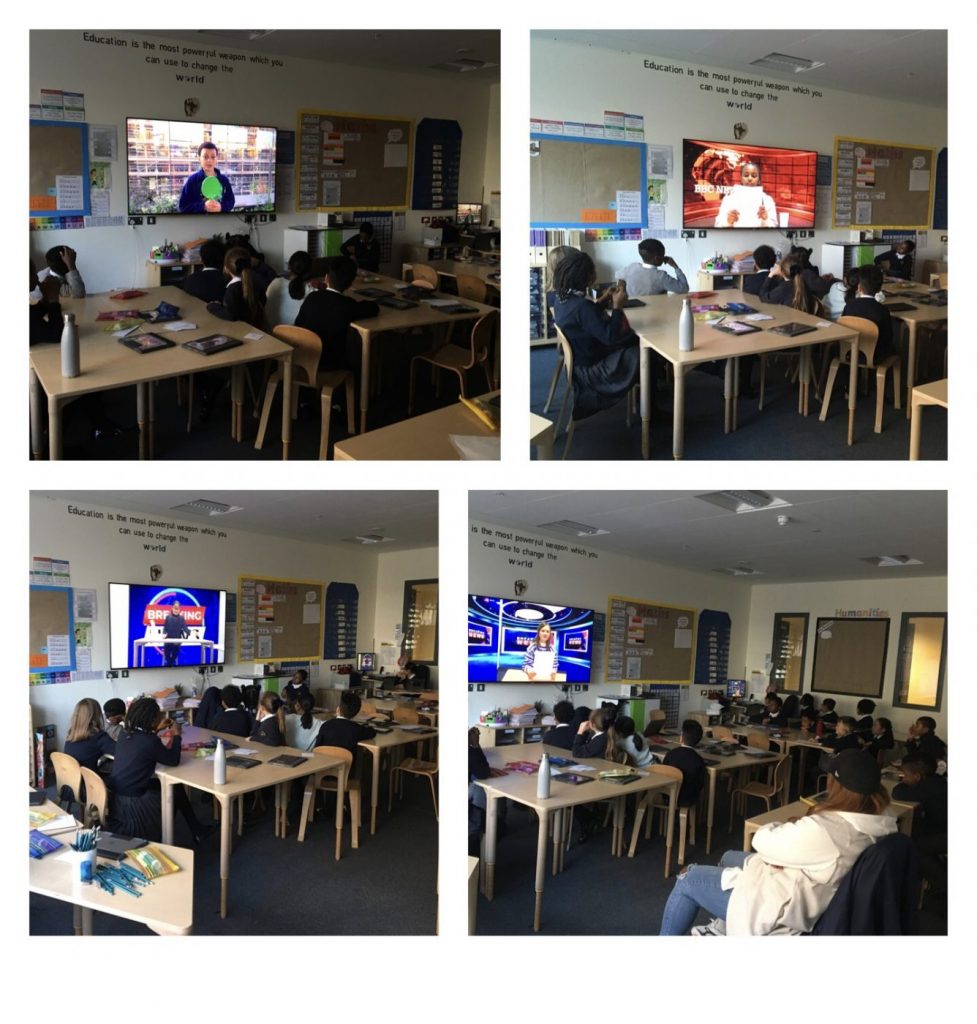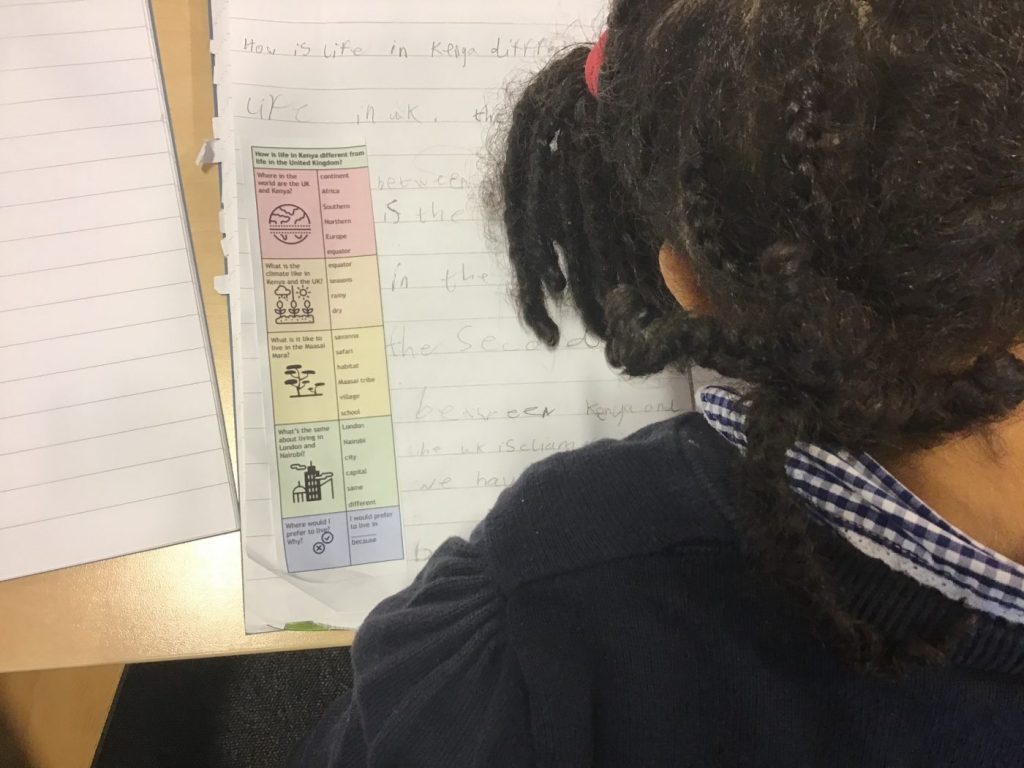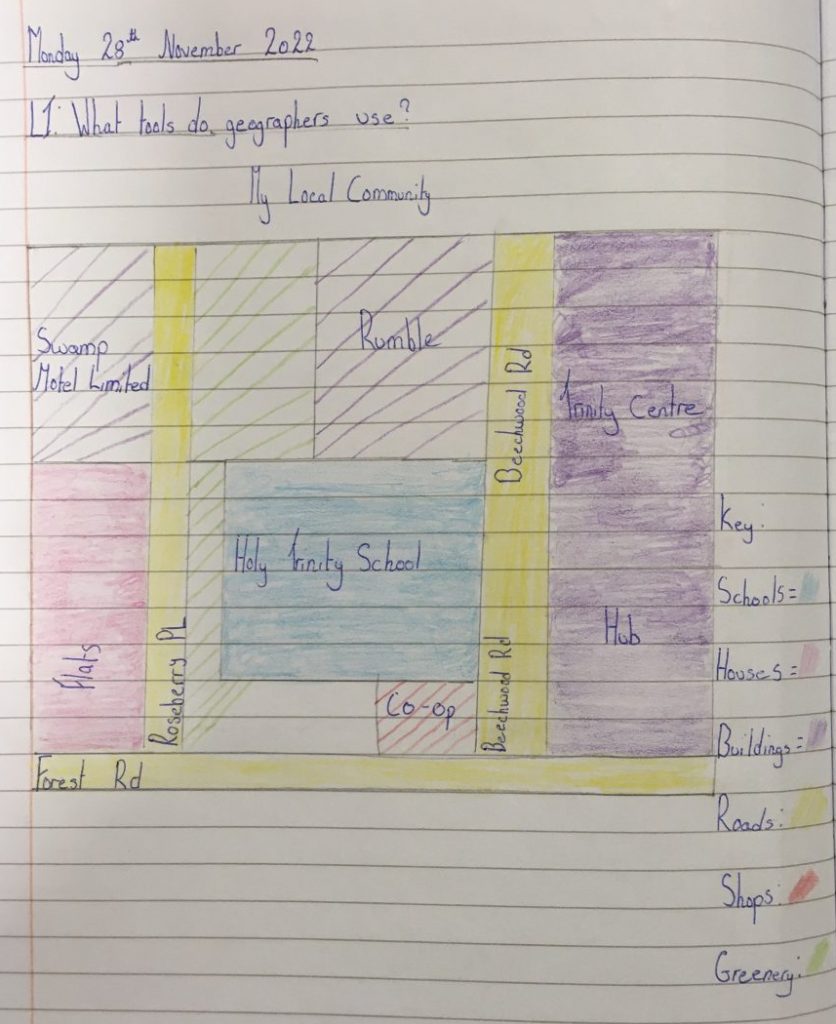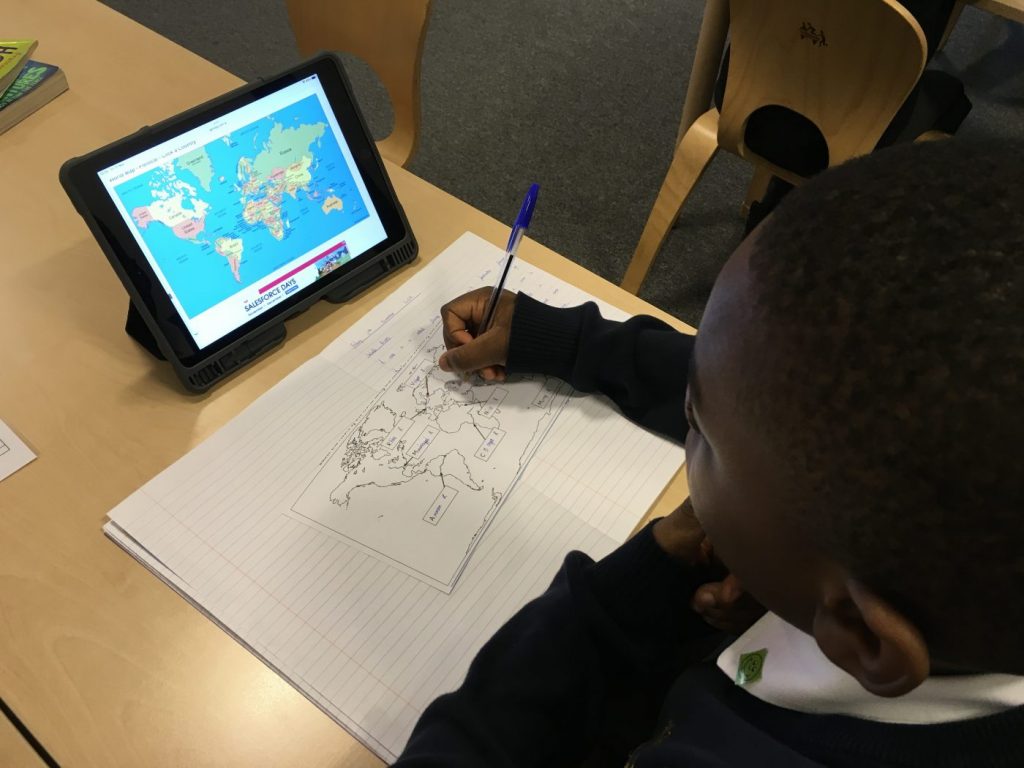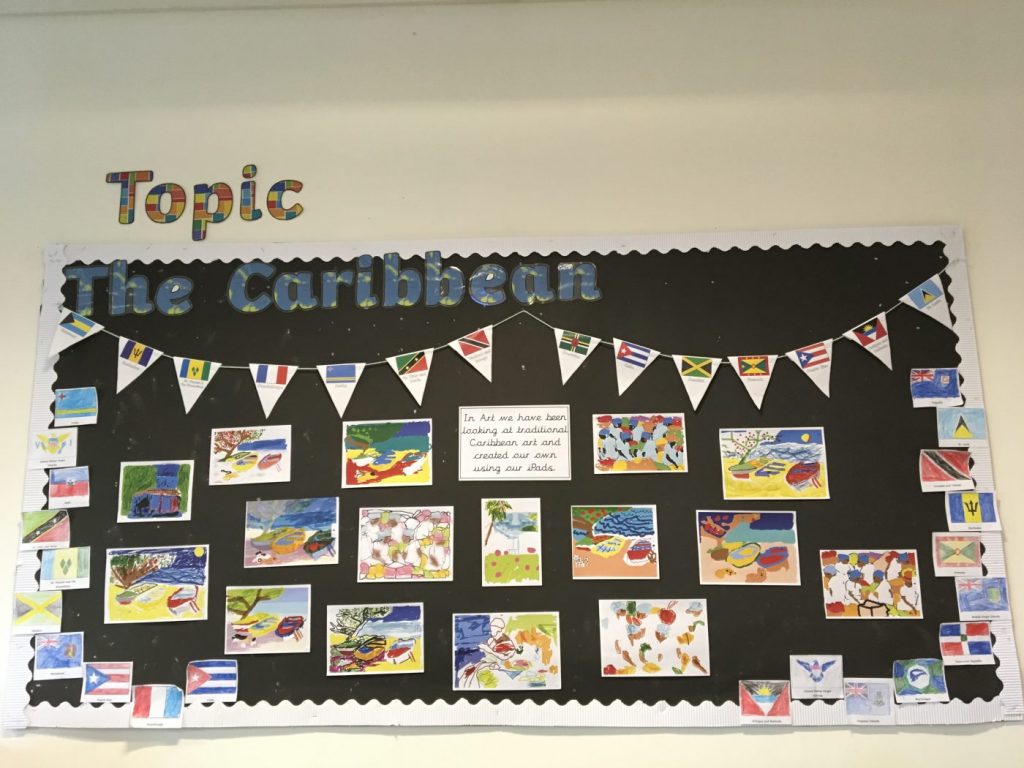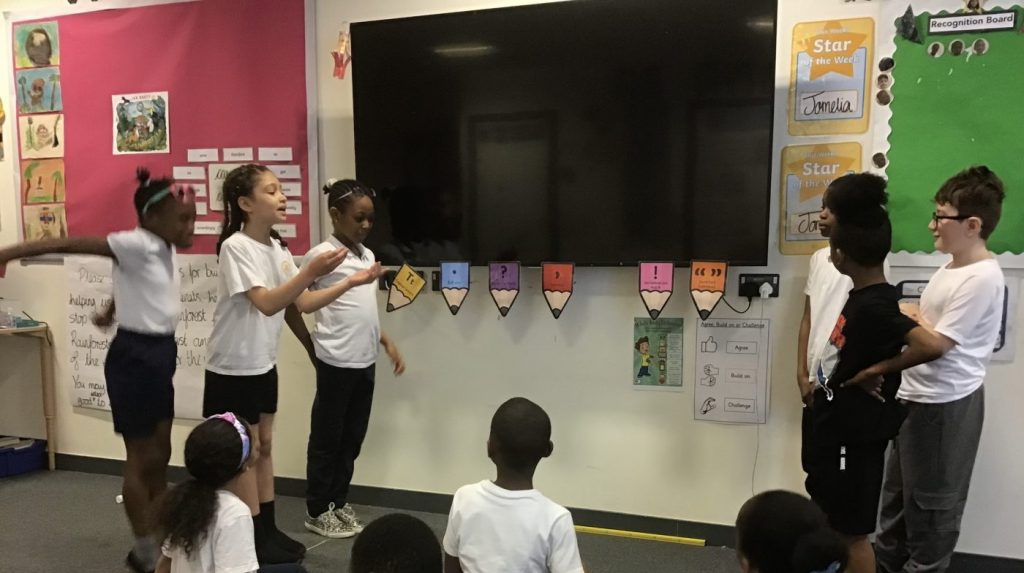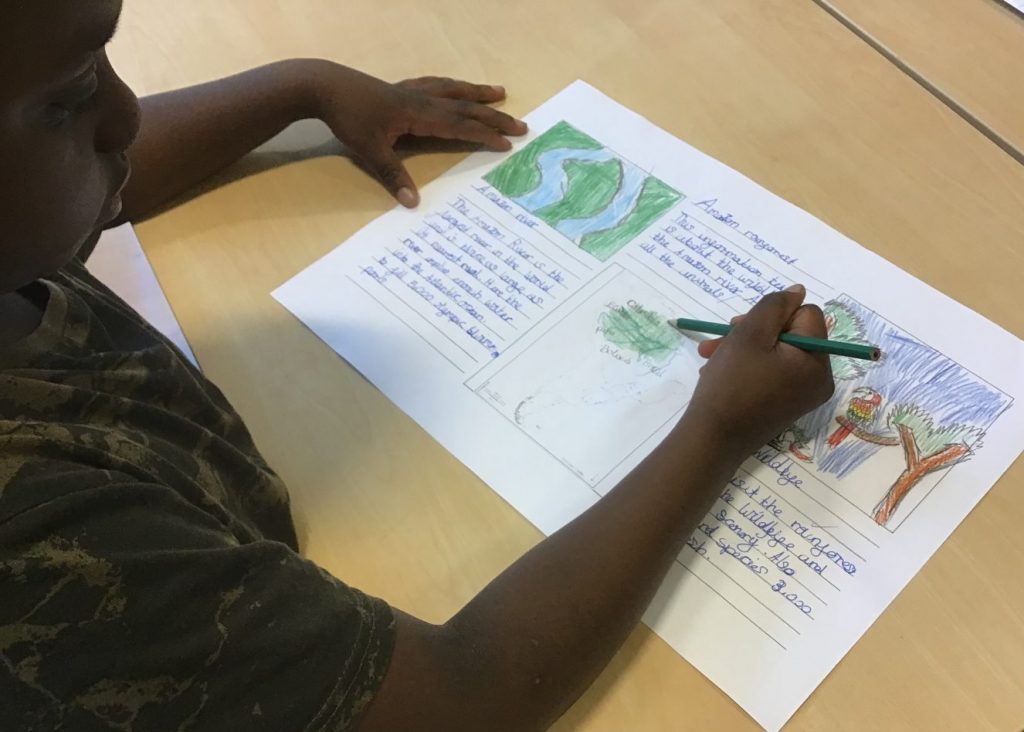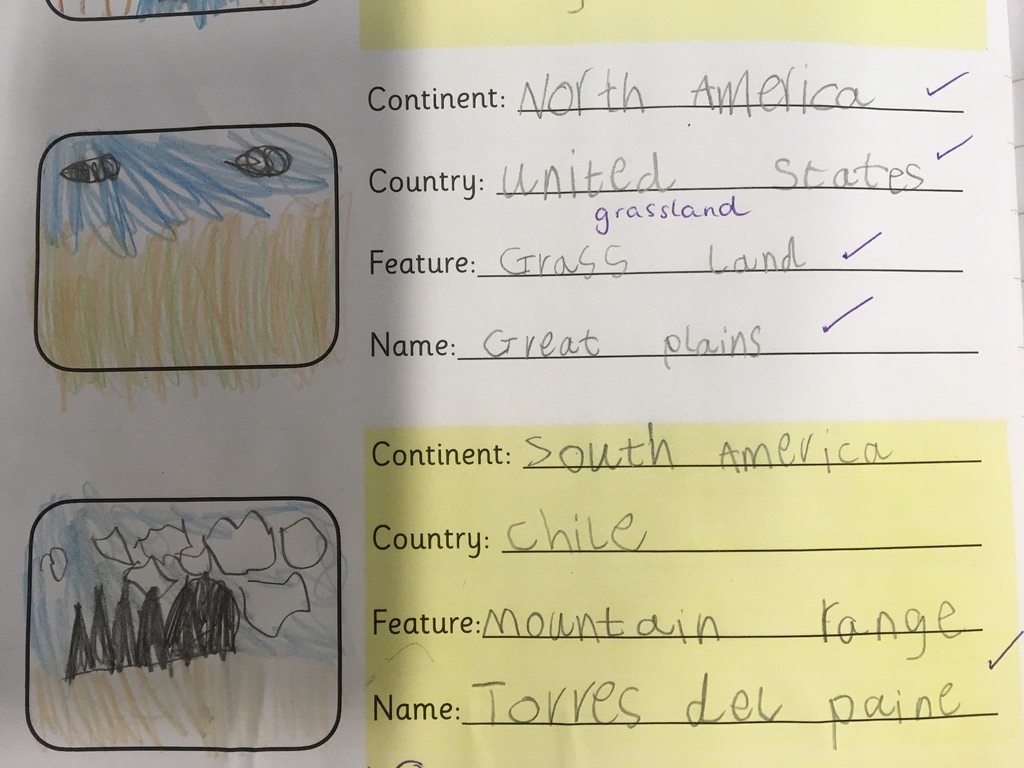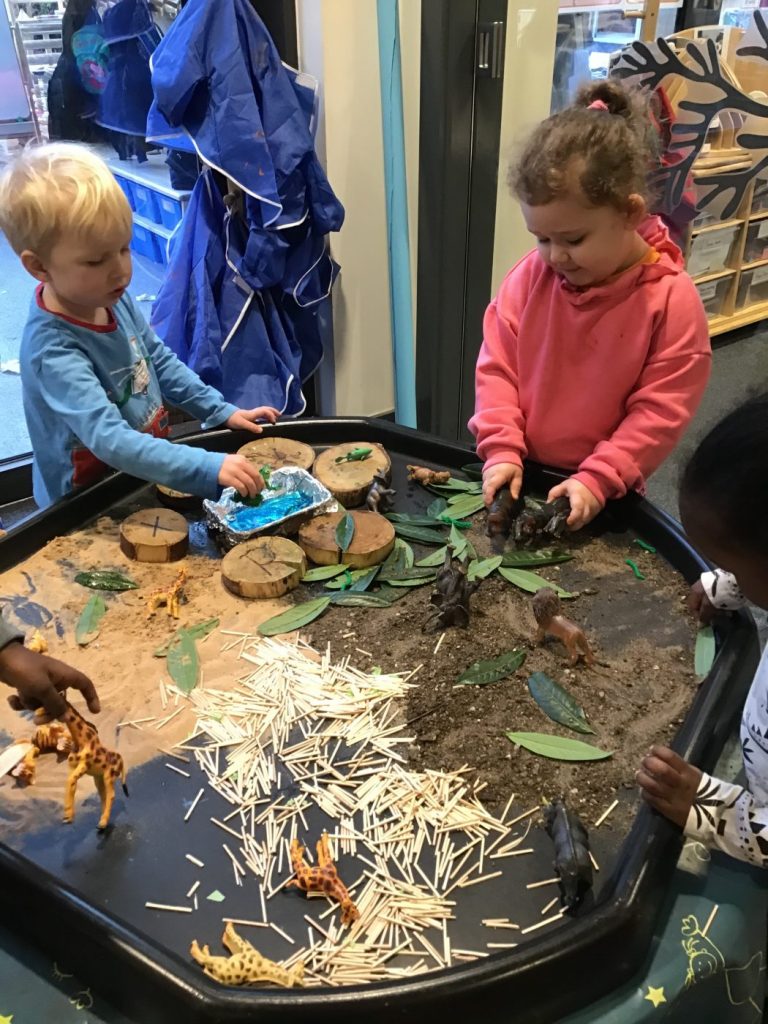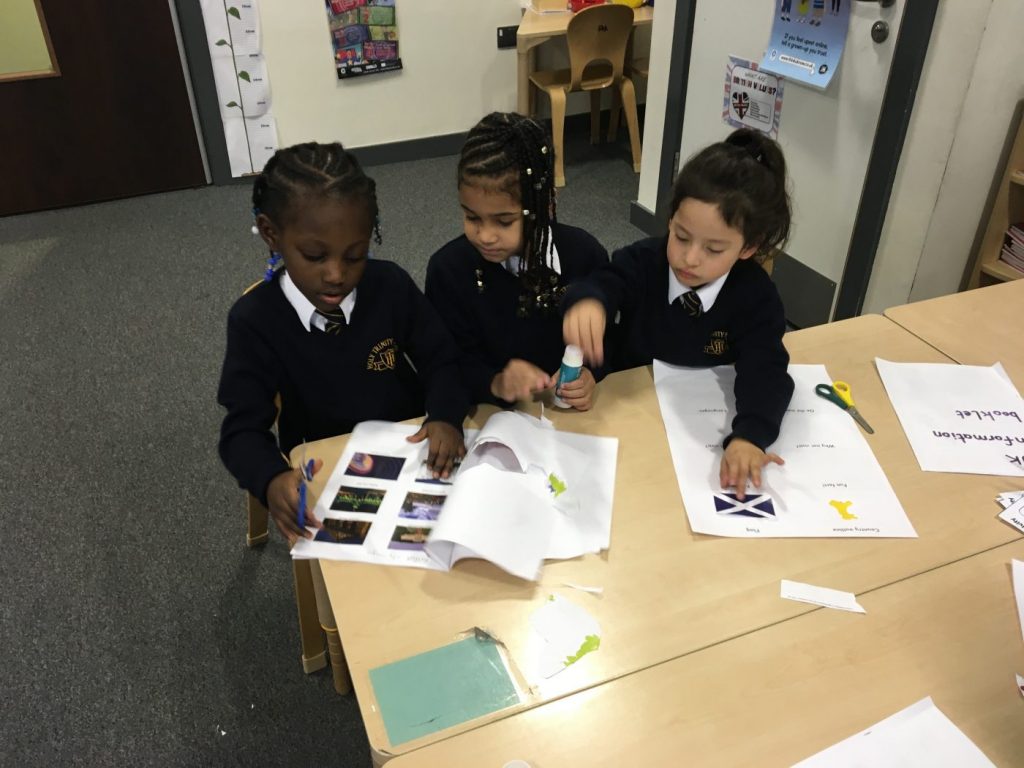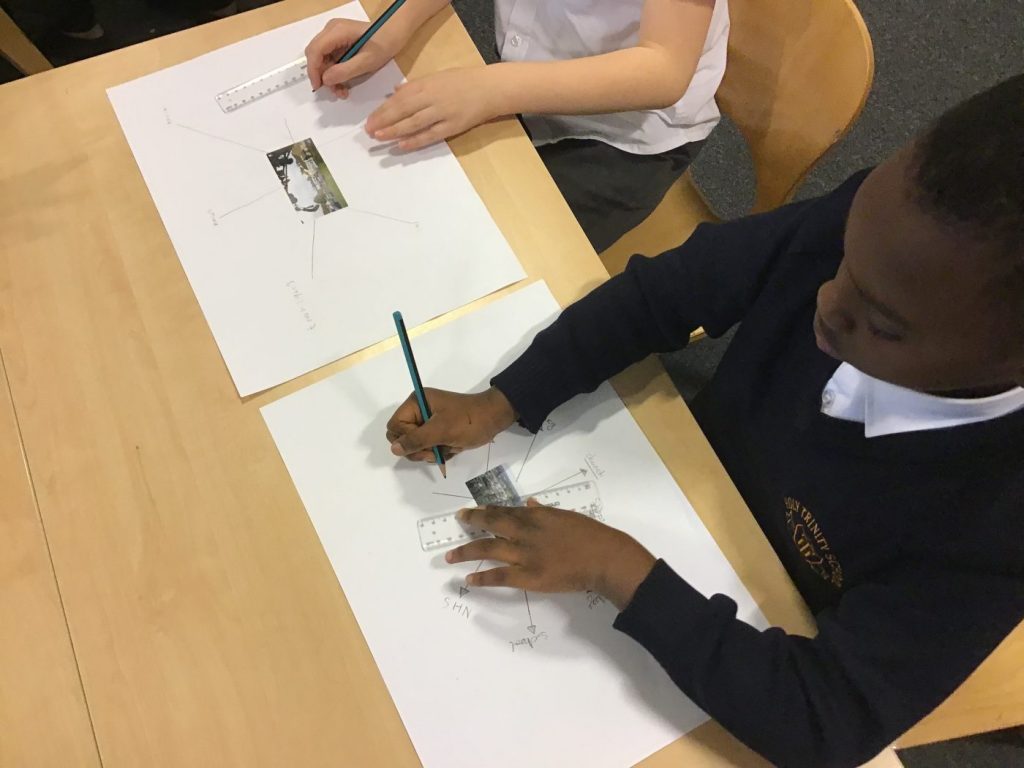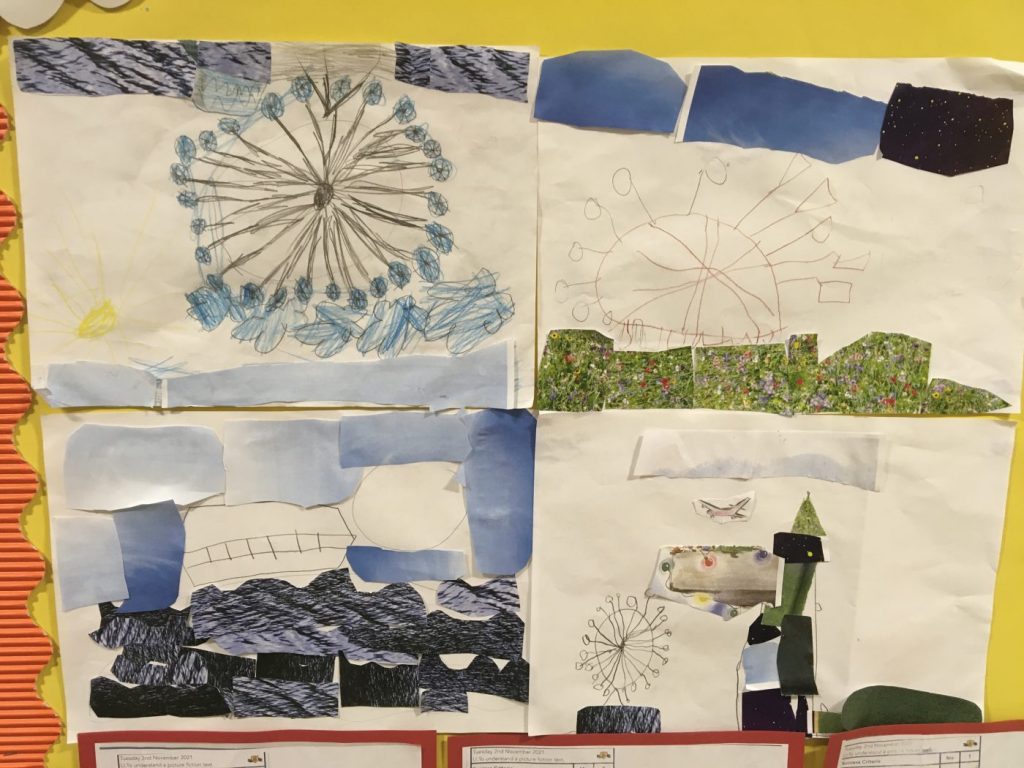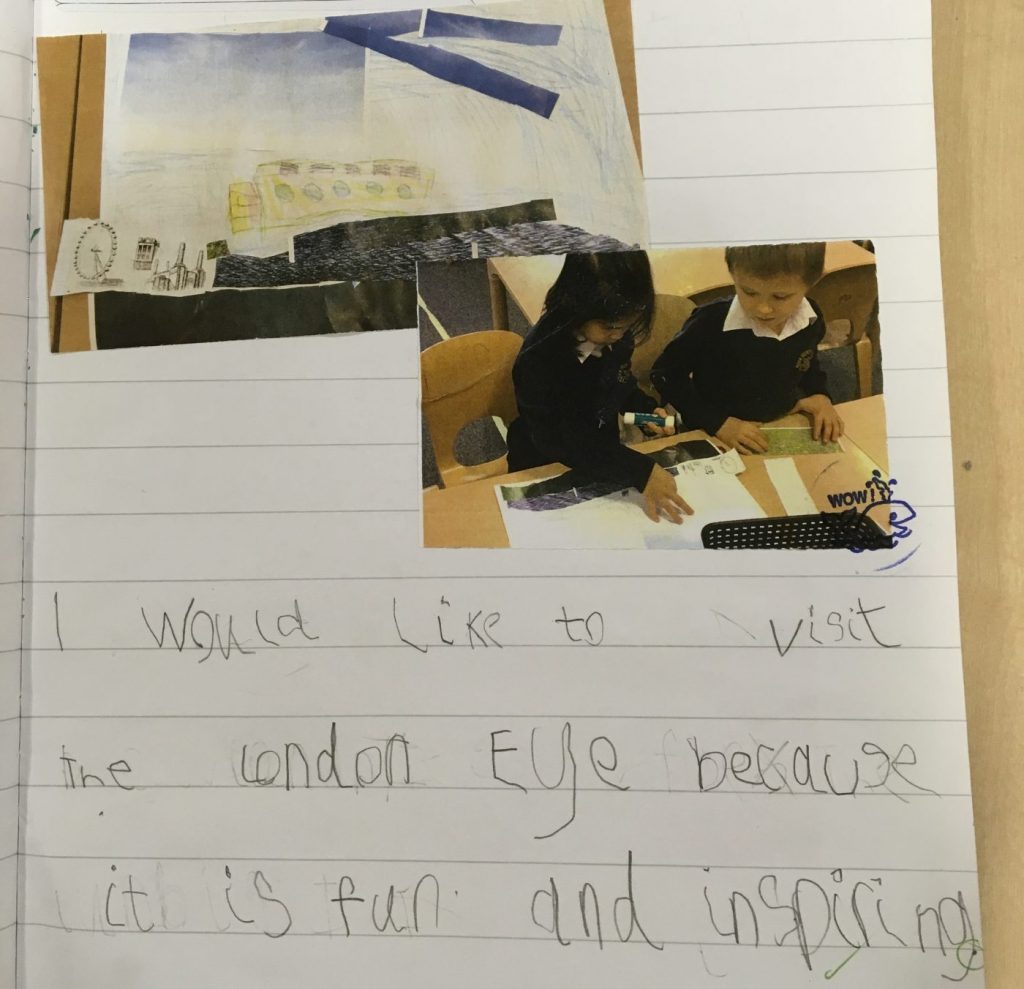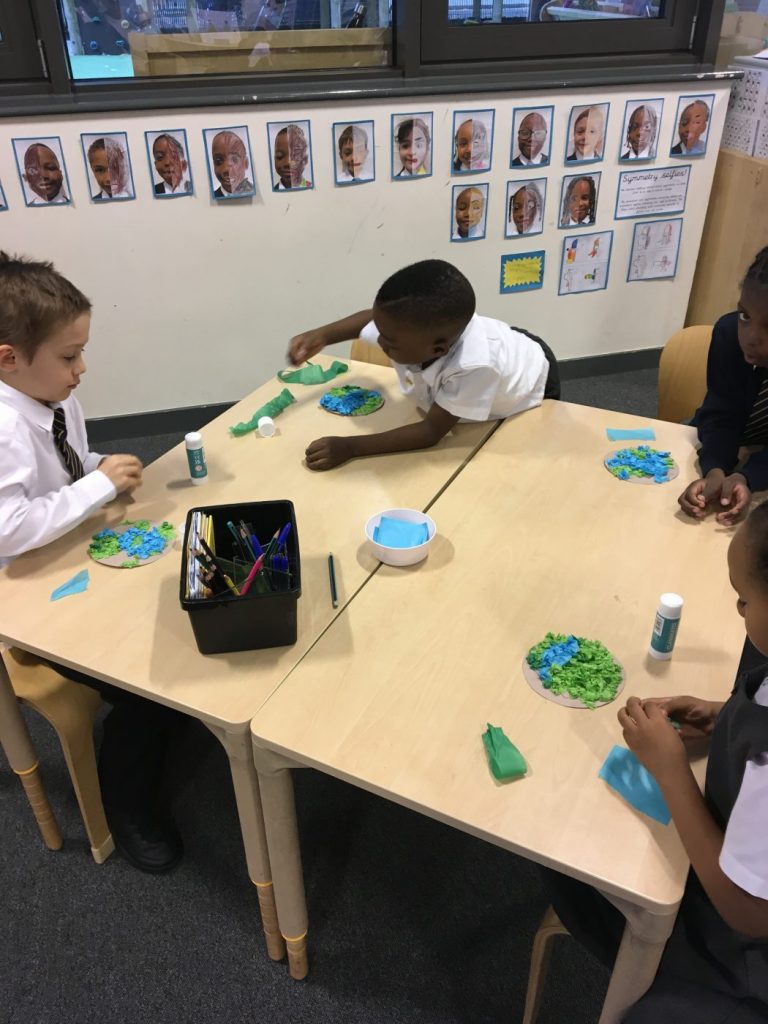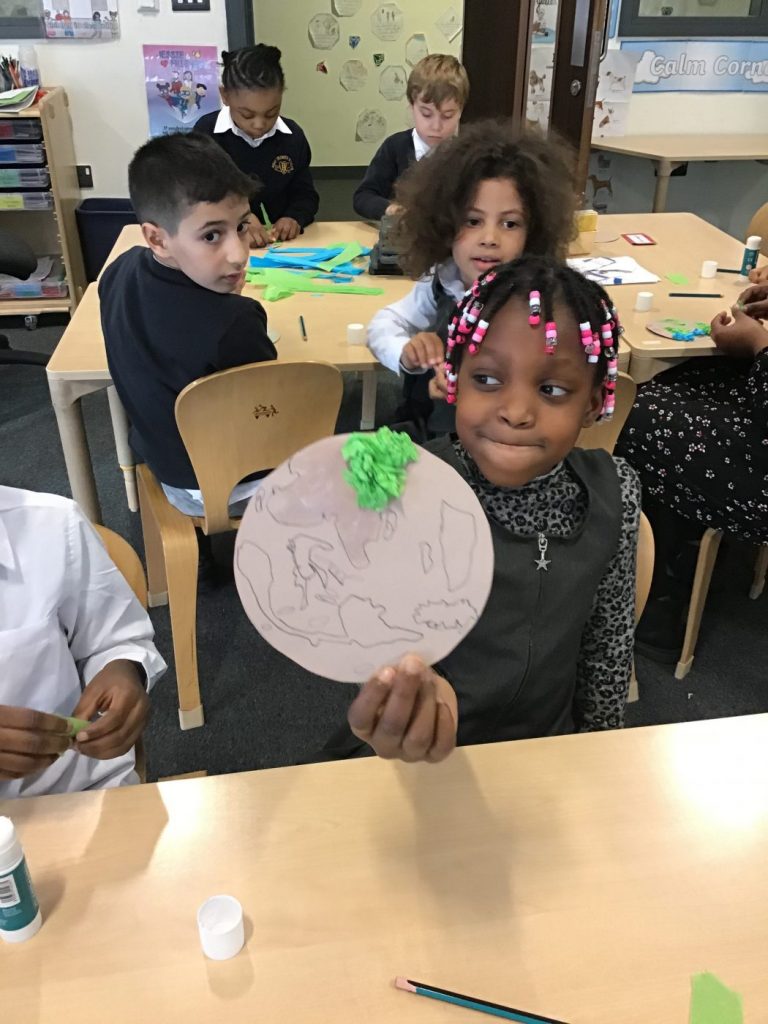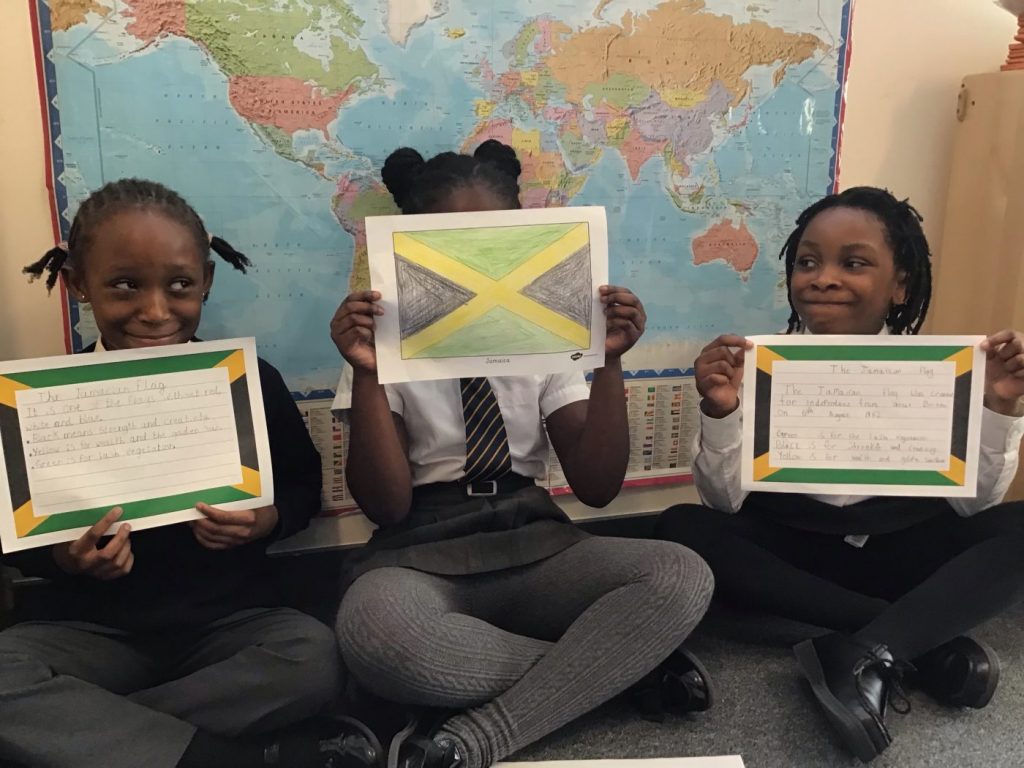
Geography at our school inspires curiosity and fascination about our local area and the world as a whole, helping children to become global citizens. Through engaging, hands-on learning, pupils develop a strong understanding of places, environments and the processes that shape our planet — both locally and globally.
Our Geography curriculum equips children with knowledge about diverse places, people, resources and natural and human environments. It also develops their understanding of key physical and human geographical processes.
Our Intent
We aim to ensure that all pupils:
-
Develop a secure understanding of the world, from their local area to the wider globe
-
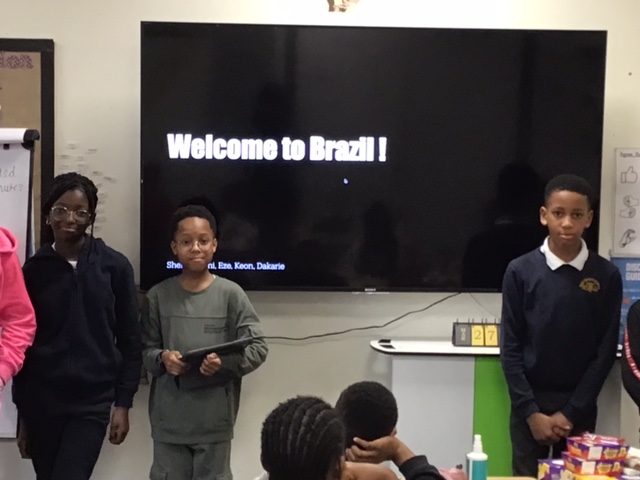
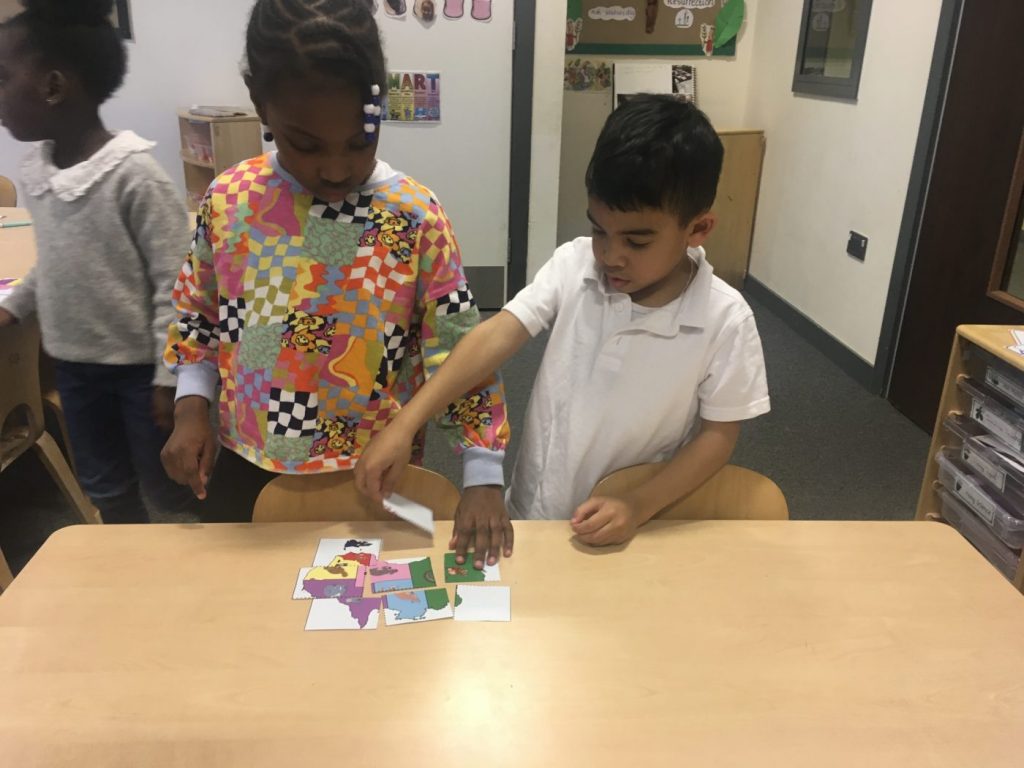
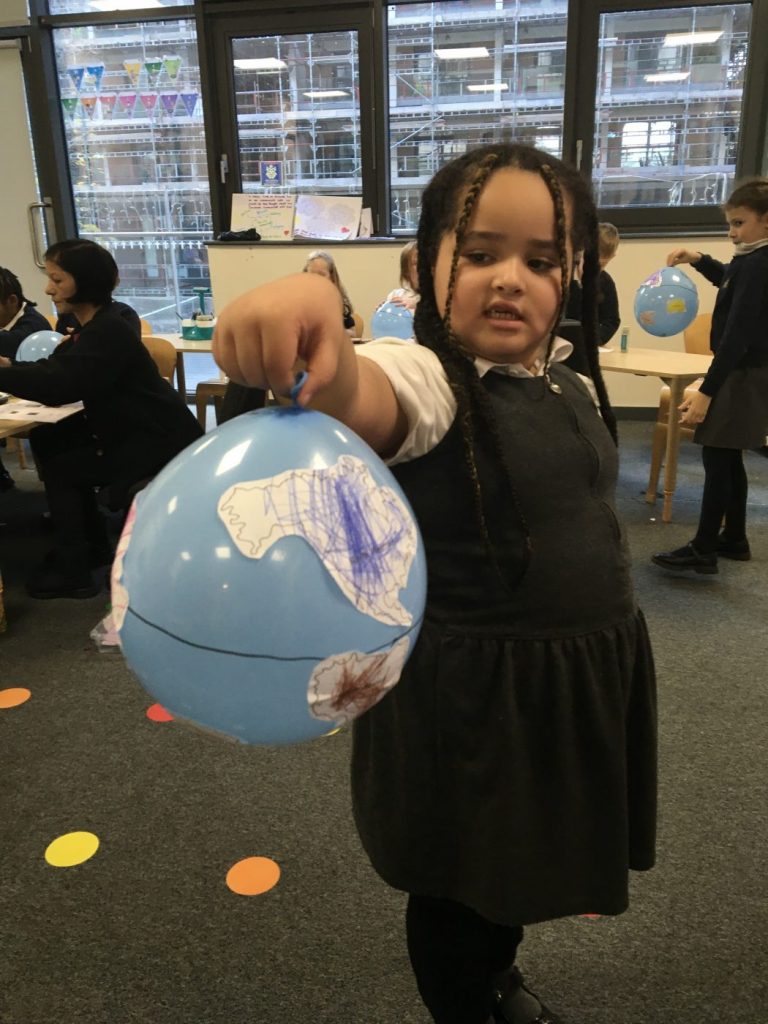
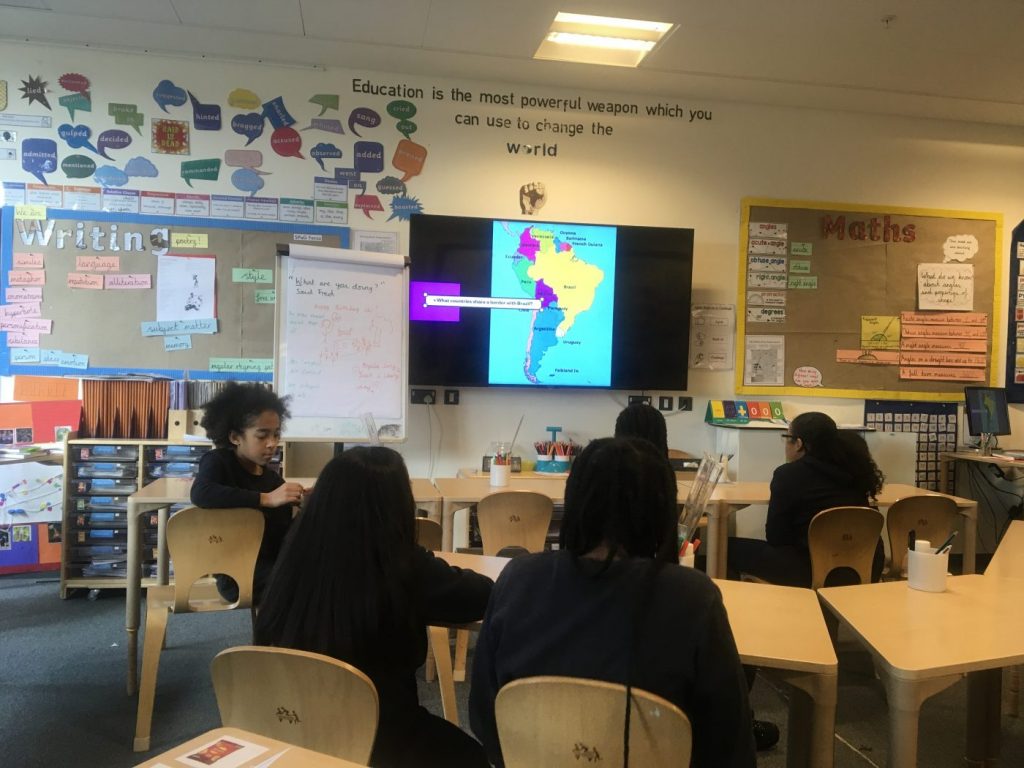
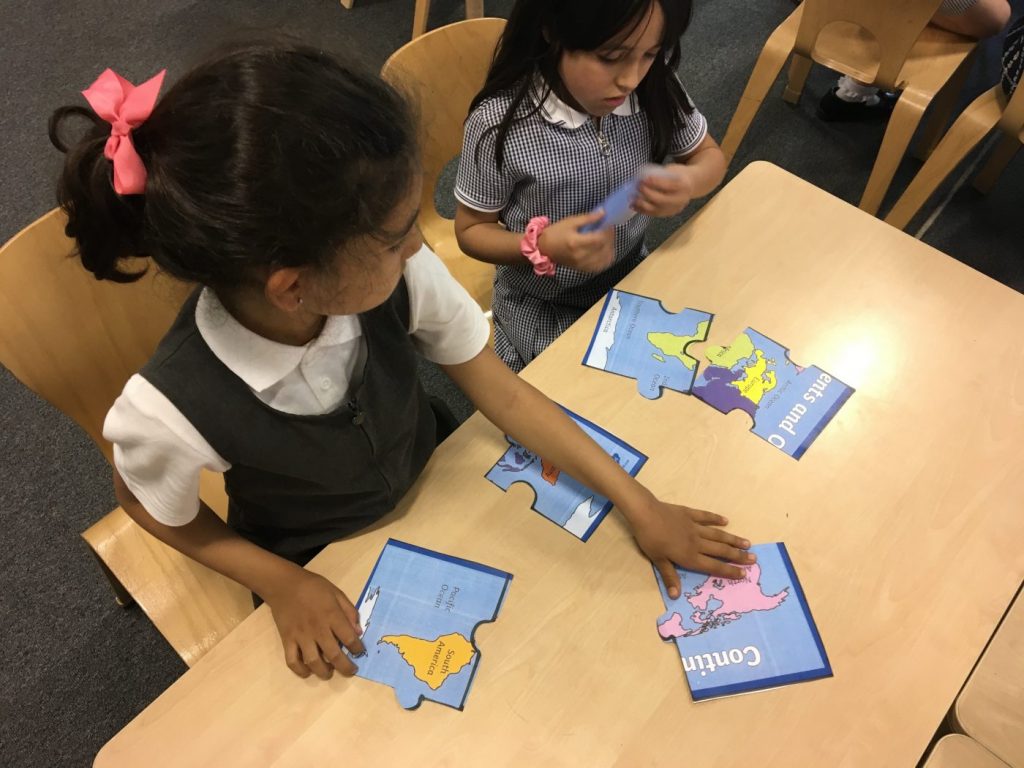
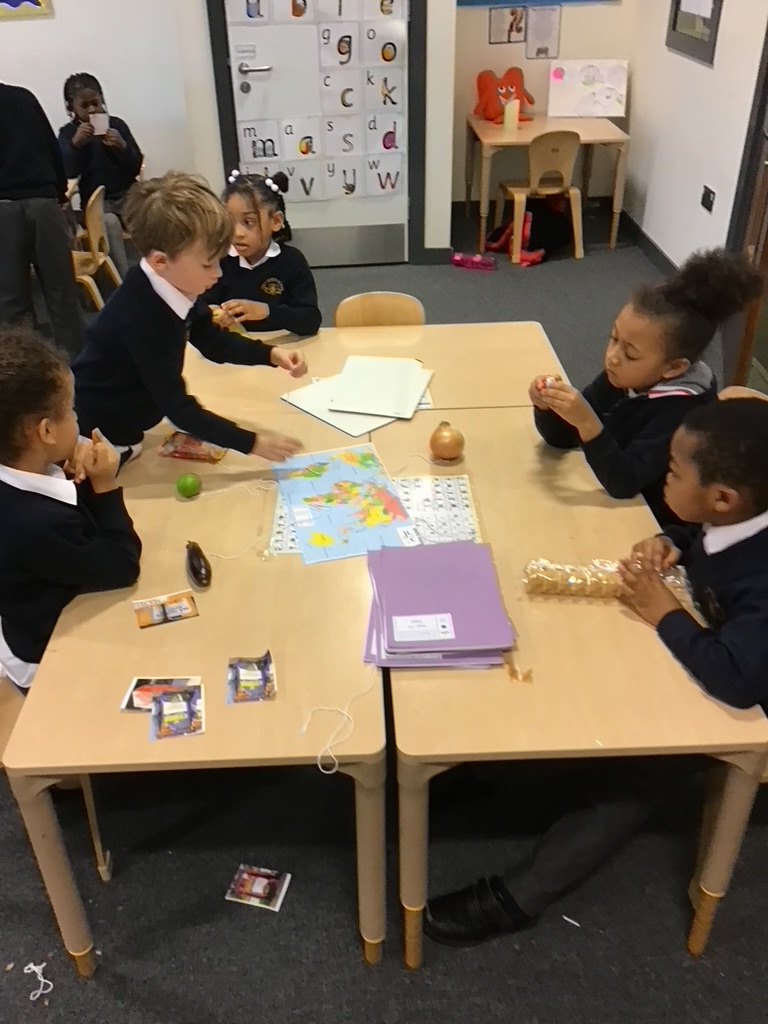
Build strong locational knowledge, including continents, countries, oceans and capital cities
-
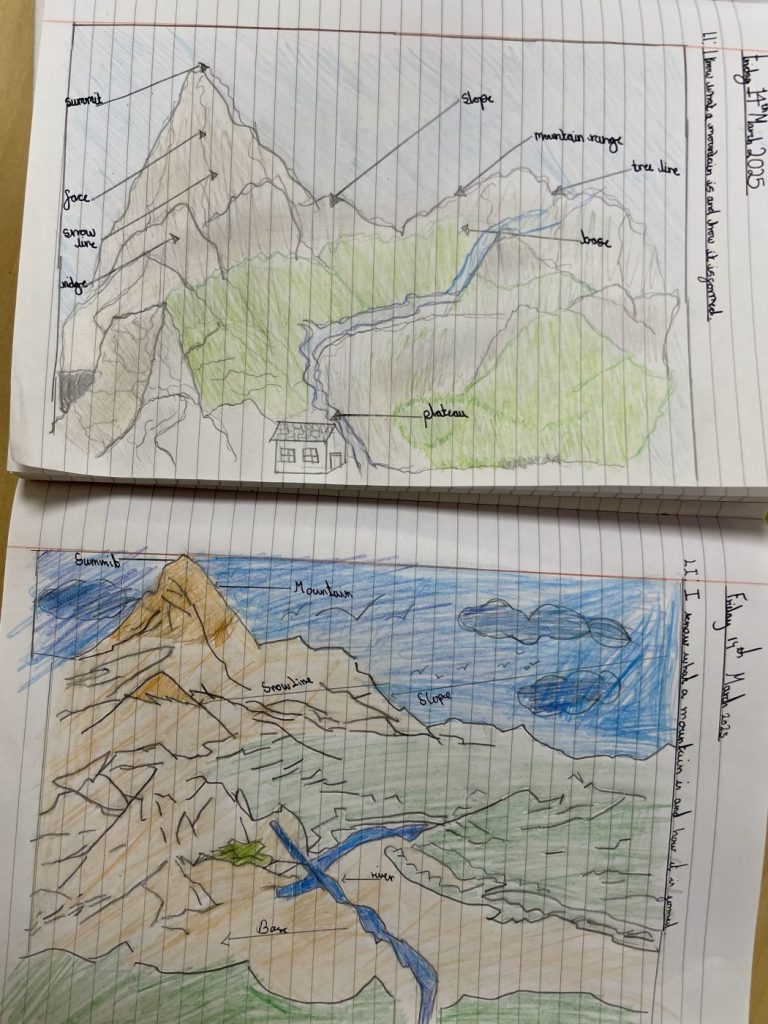
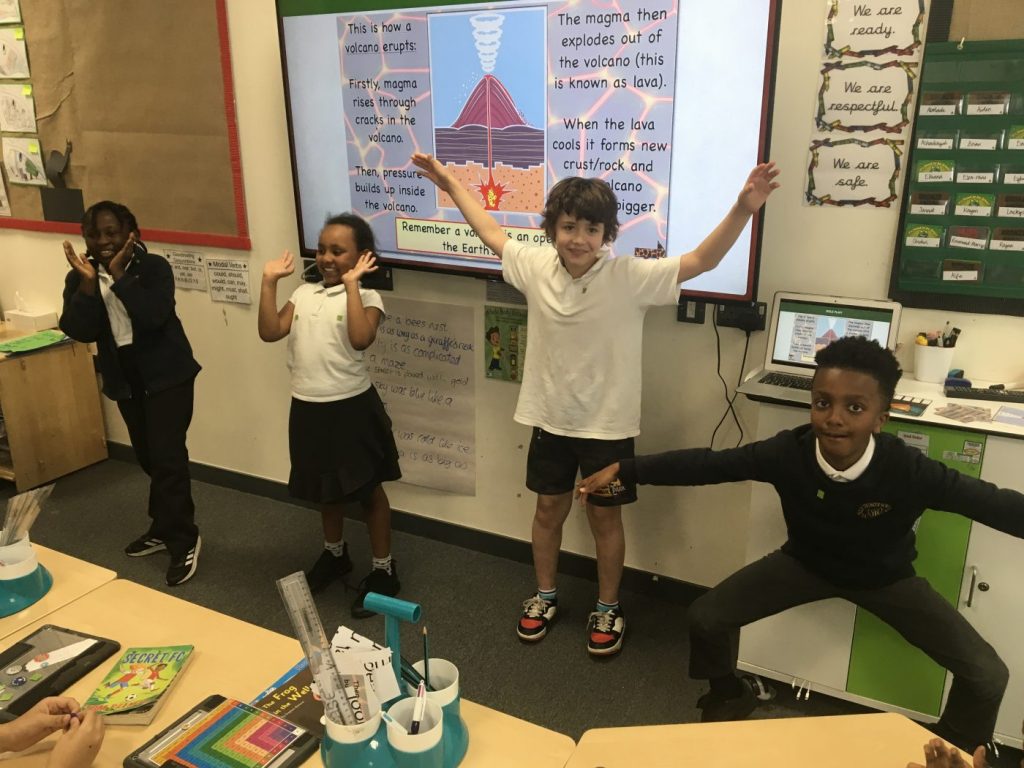
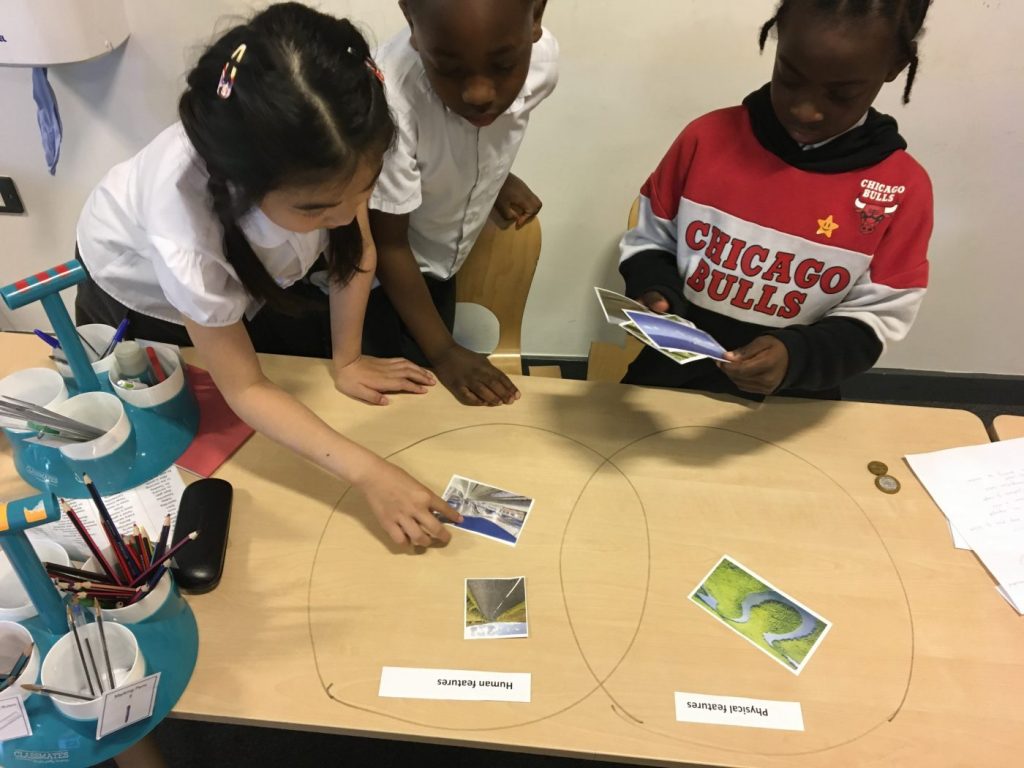
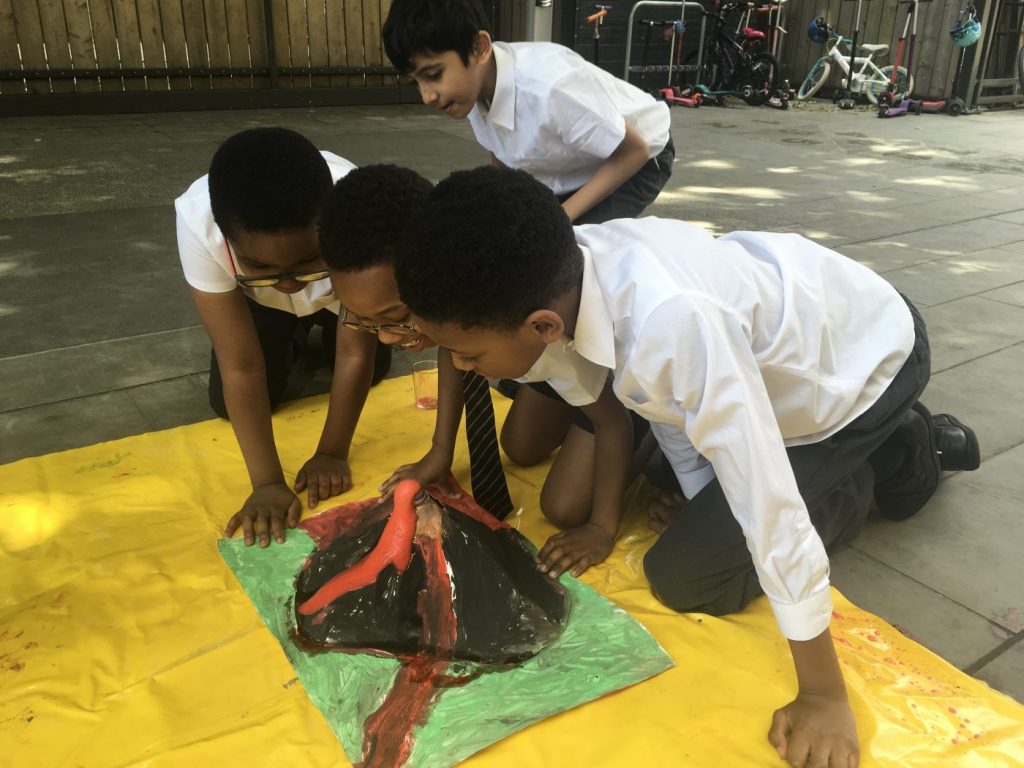
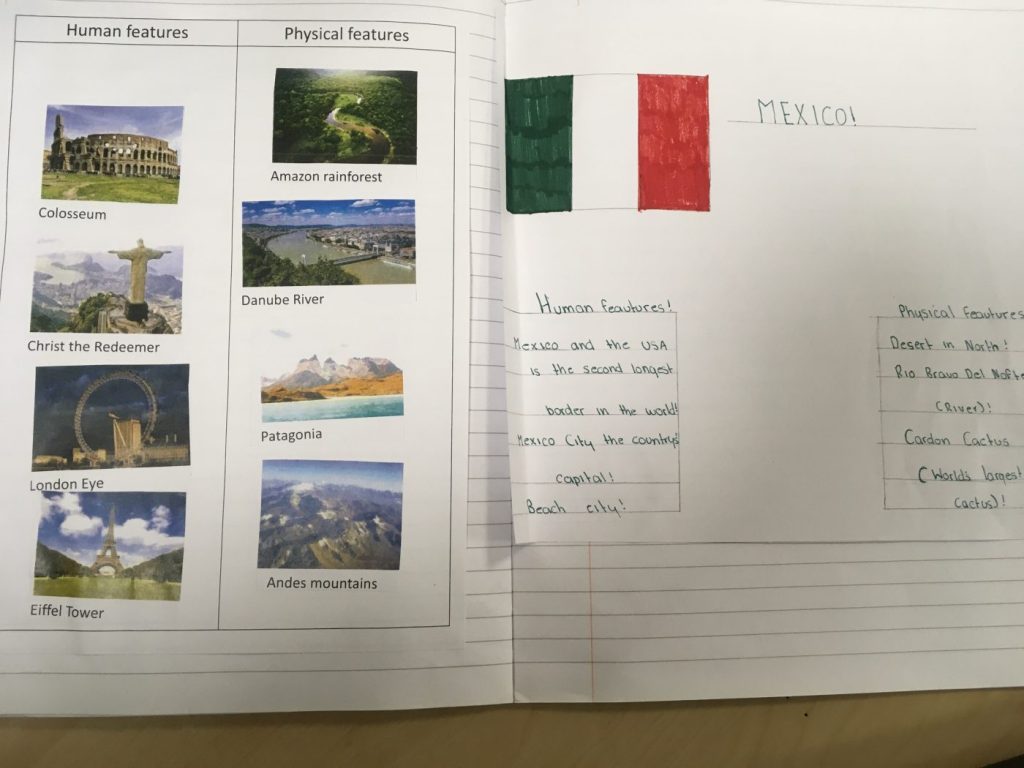
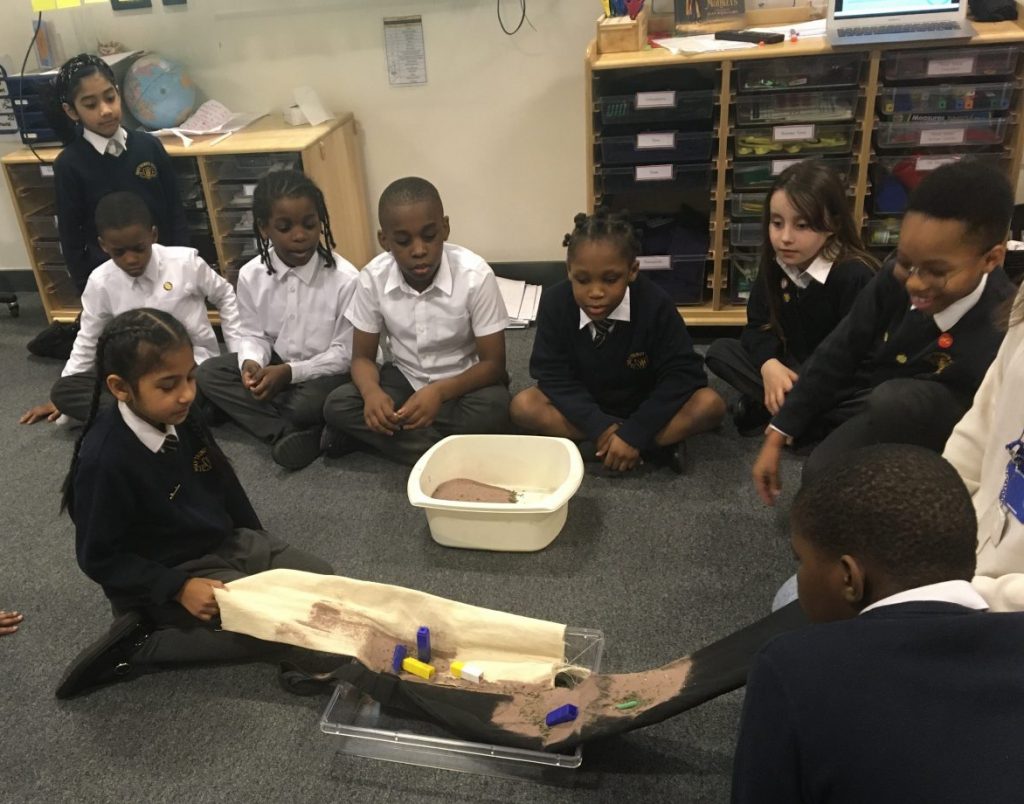
Understand physical features such as rivers, mountains, volcanoes and climate zones
-
Explore human geography, including settlements, trade and land use
-
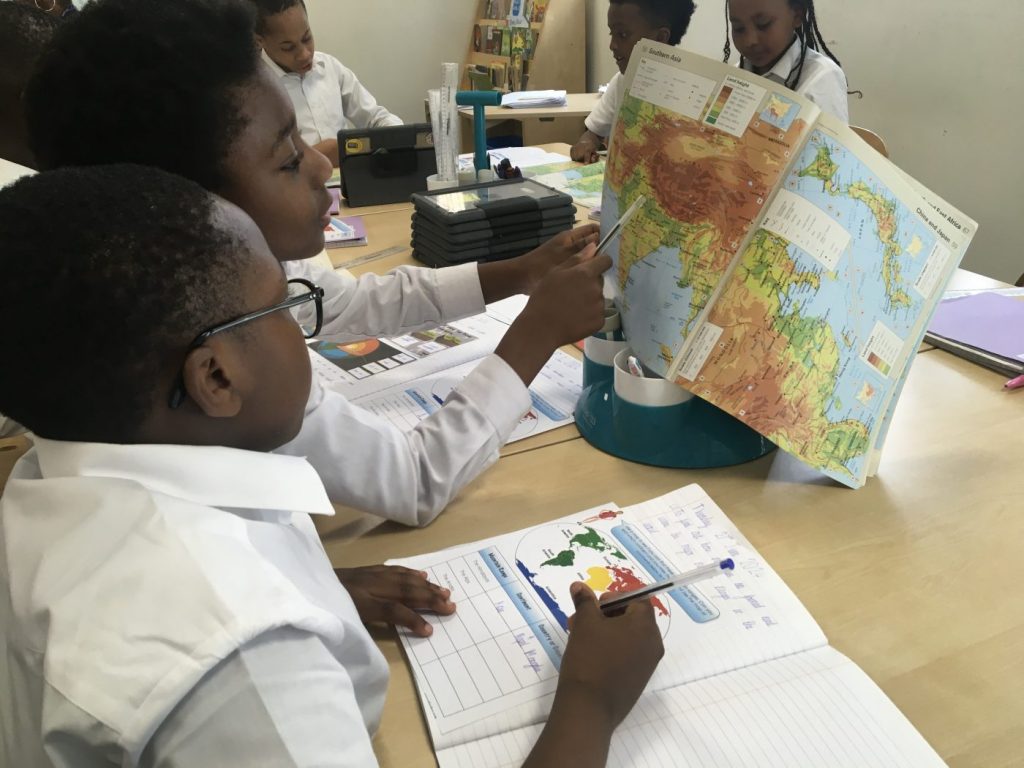
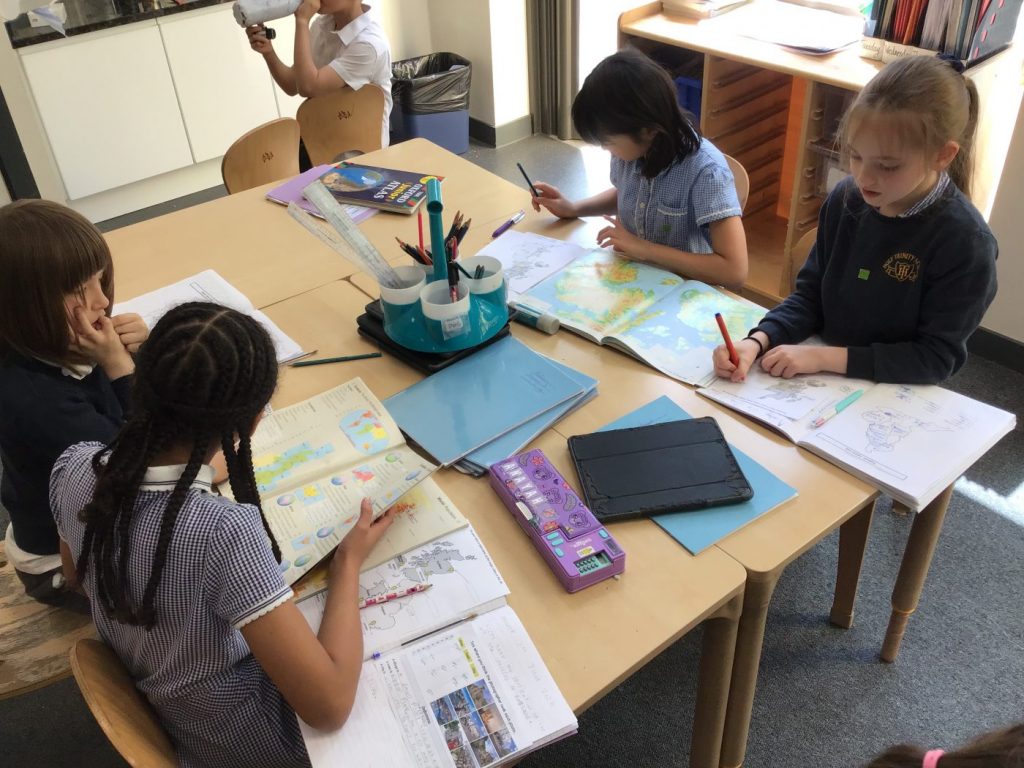
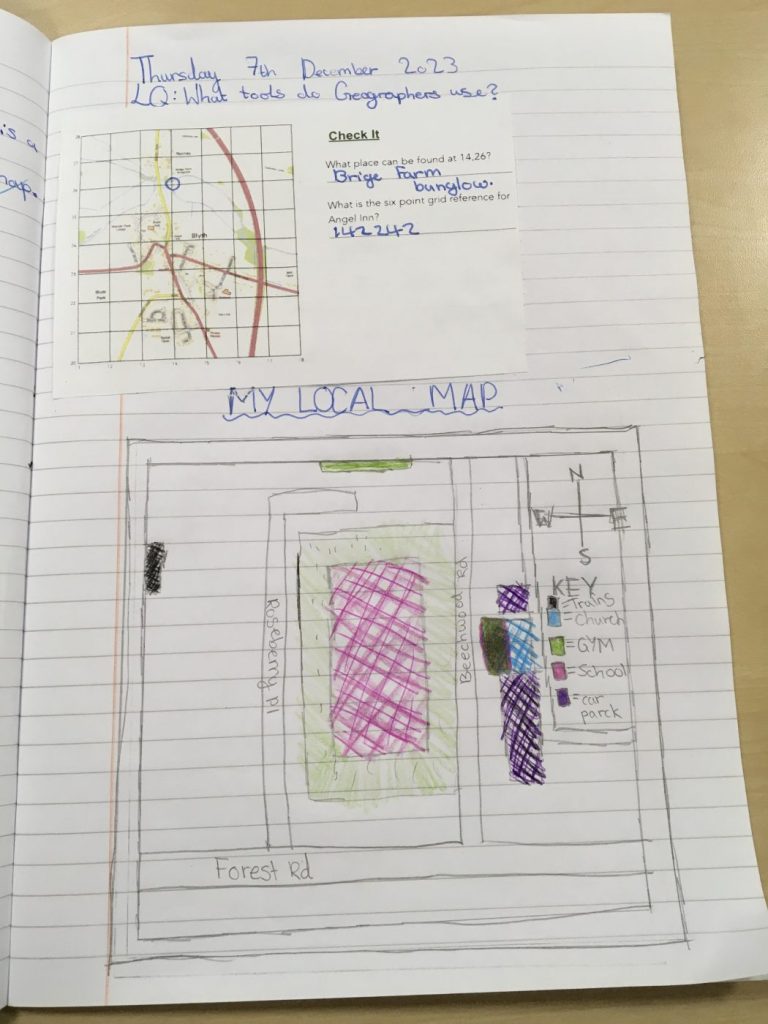
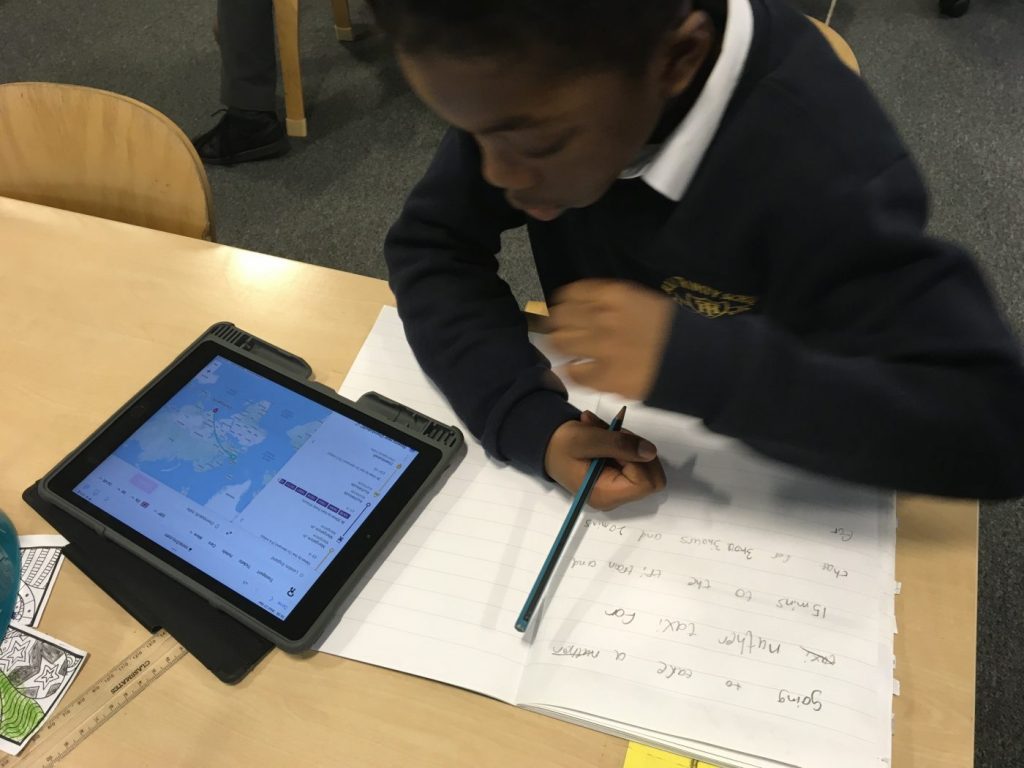
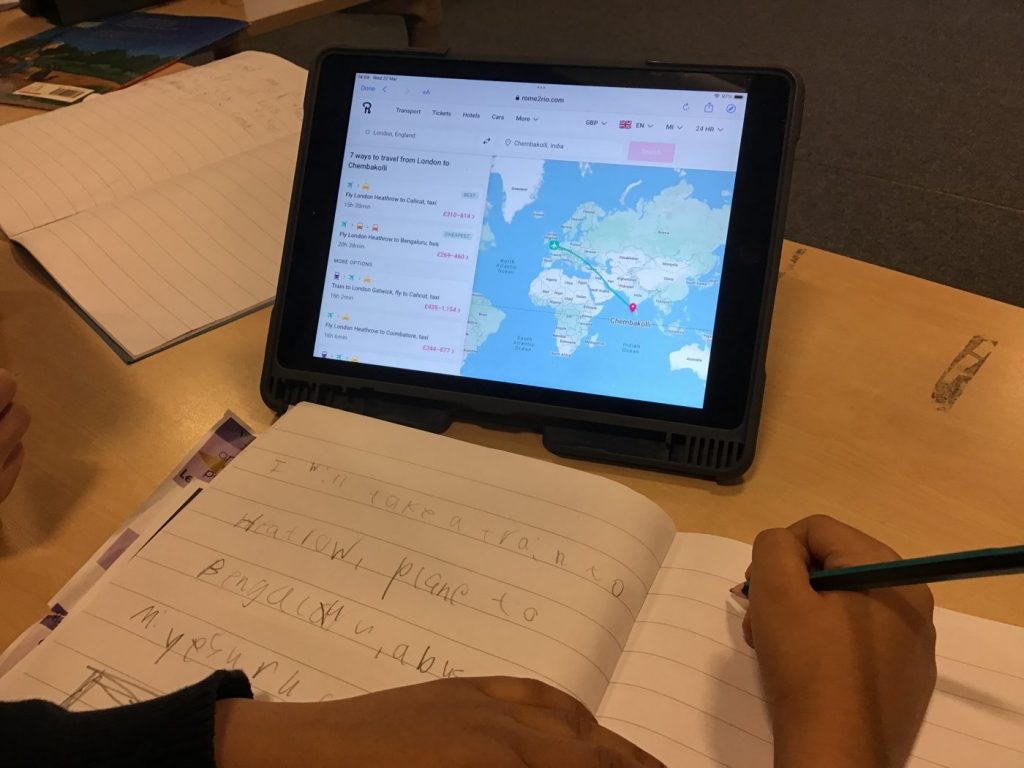
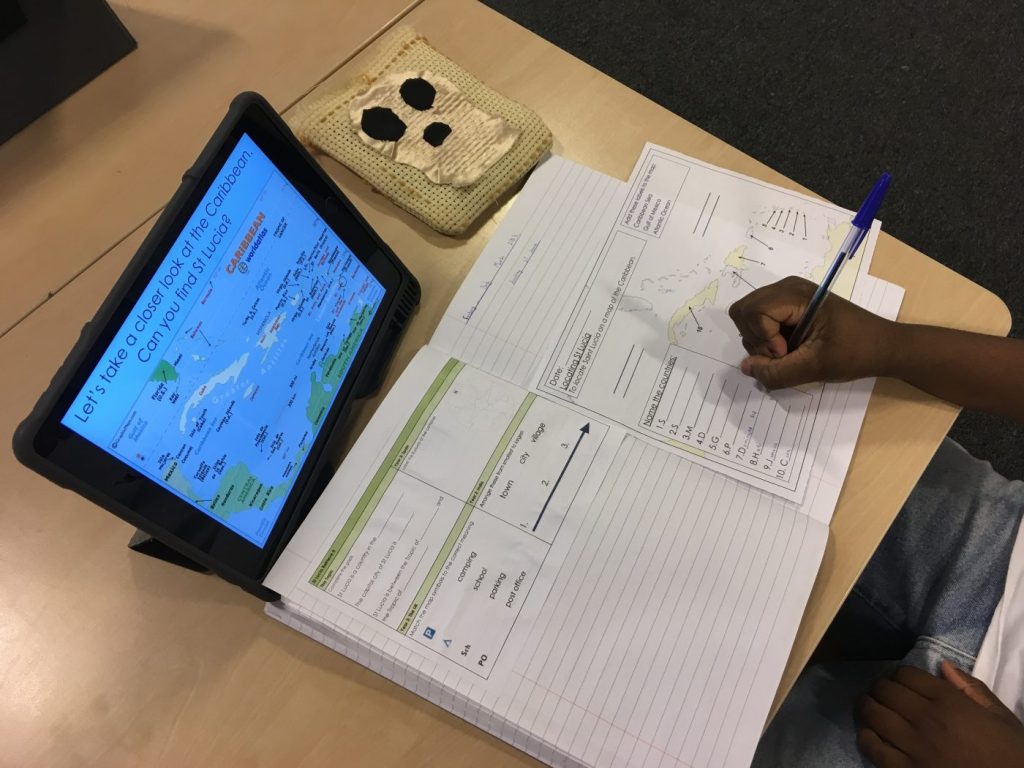
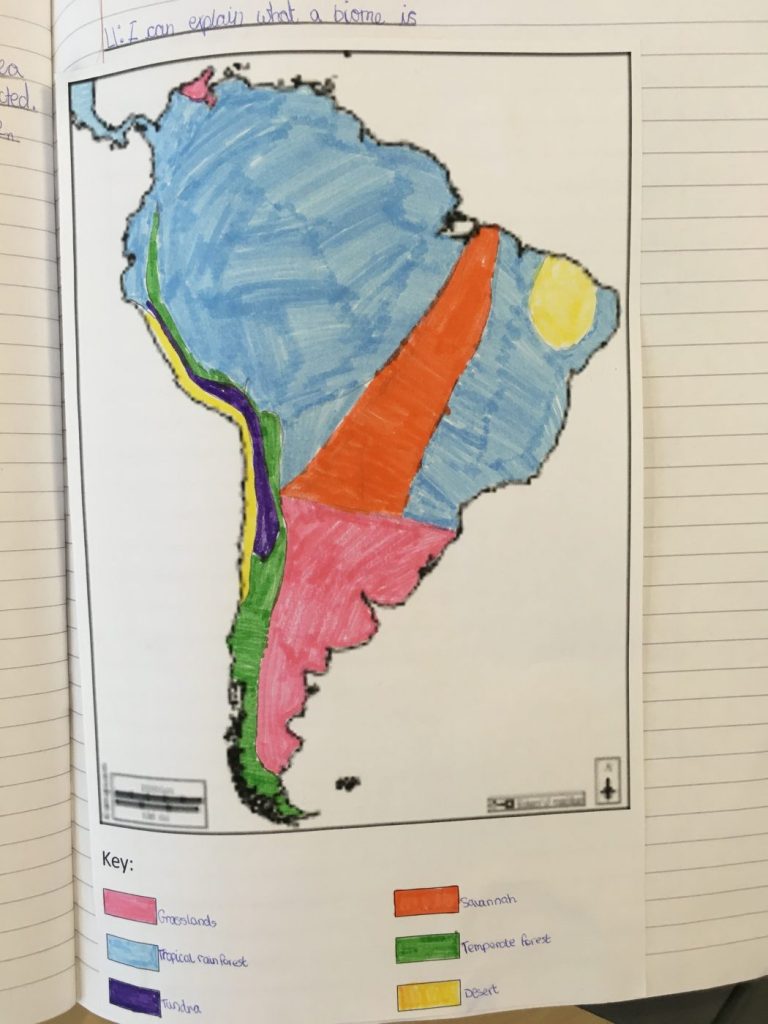
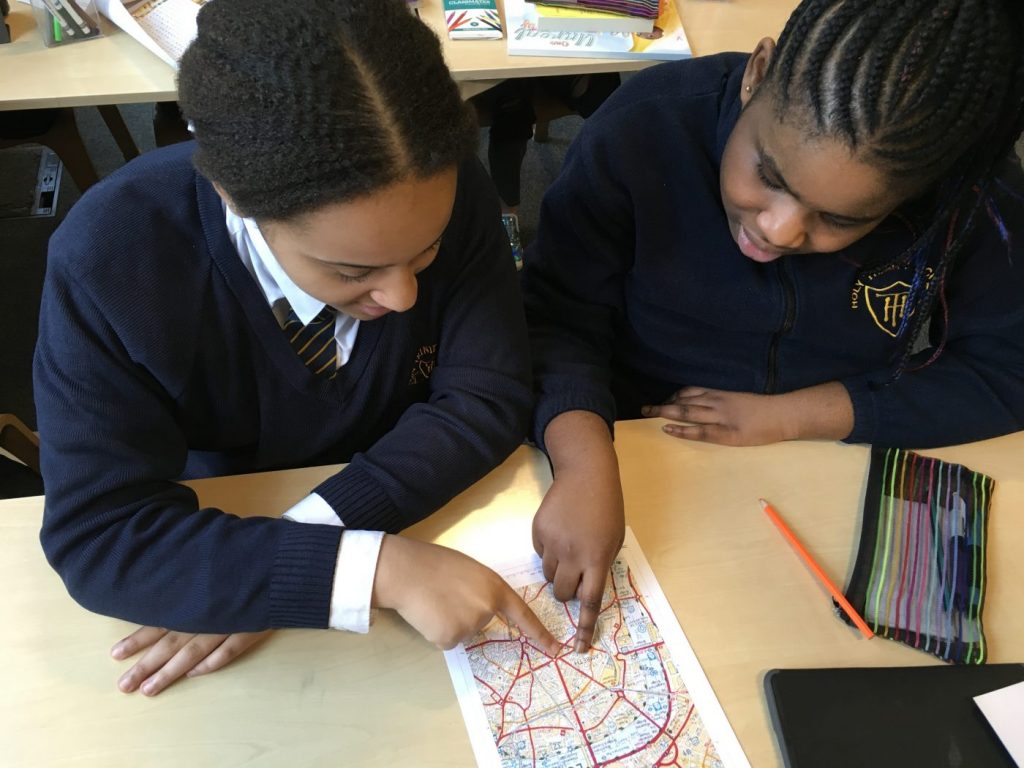
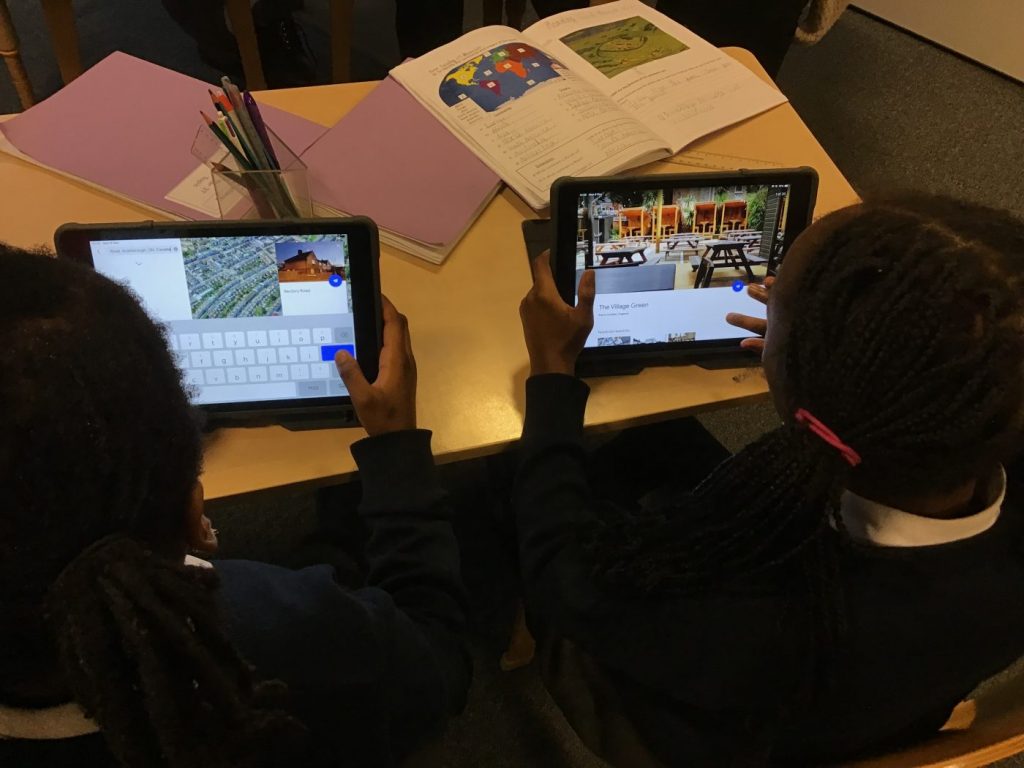
Use maps, atlases, globes and digital mapping tools with confidence
-
Ask questions, analyse evidence and draw conclusions
We want pupils to leave primary school as informed, thoughtful global citizens who understand their place in the world.
Our Approach
Geography is taught through carefully sequenced units which build knowledge and skills progressively from Early Years through to Year 6. Key concepts are revisited to deepen understanding and strengthen long-term memory.
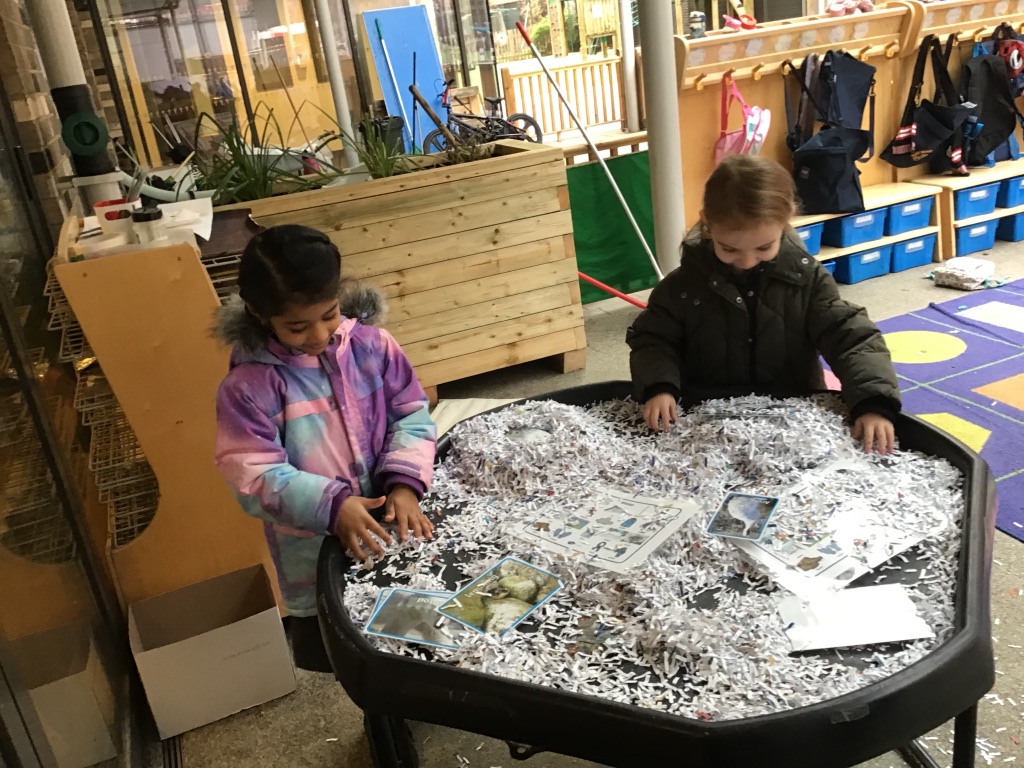
Lessons are active and enquiry-based. Children are encouraged to:
-
Investigate real-world questions
-
Interpret maps and aerial photographs
-
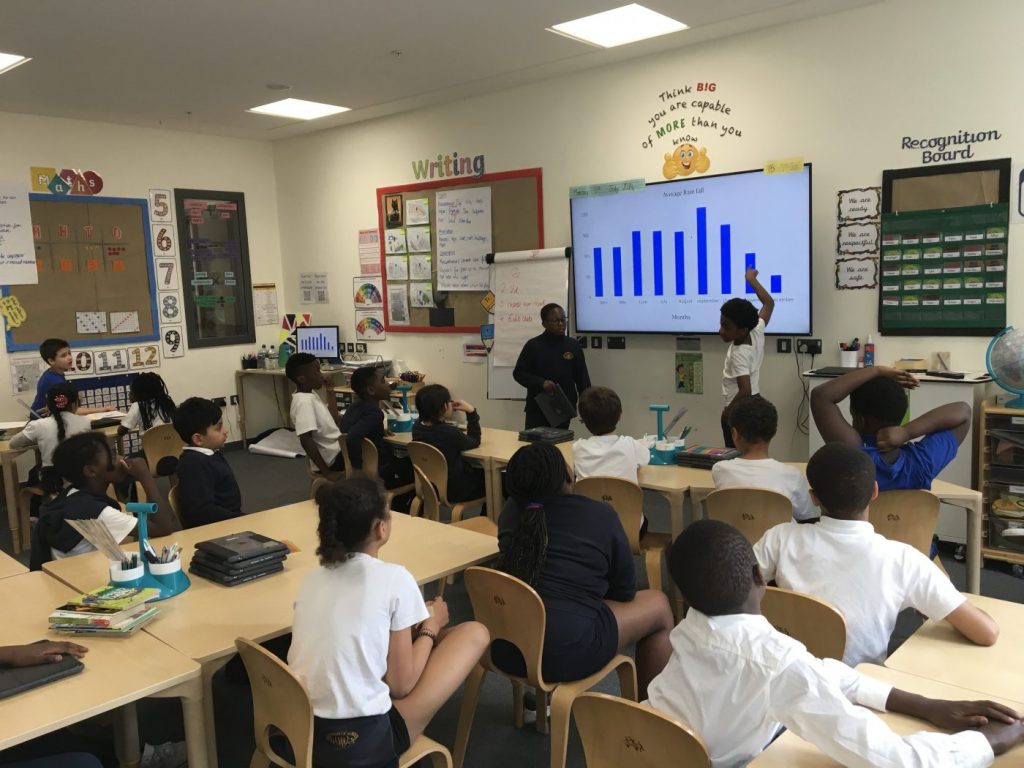
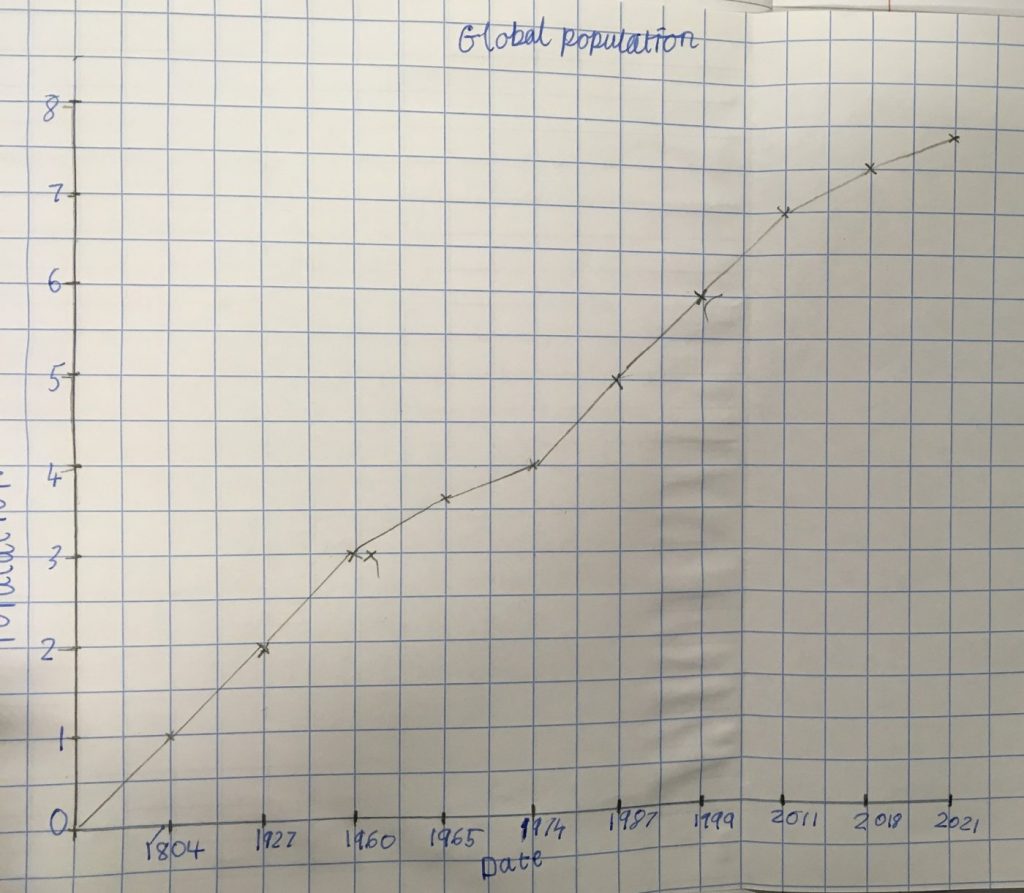
Collect and analyse data
-
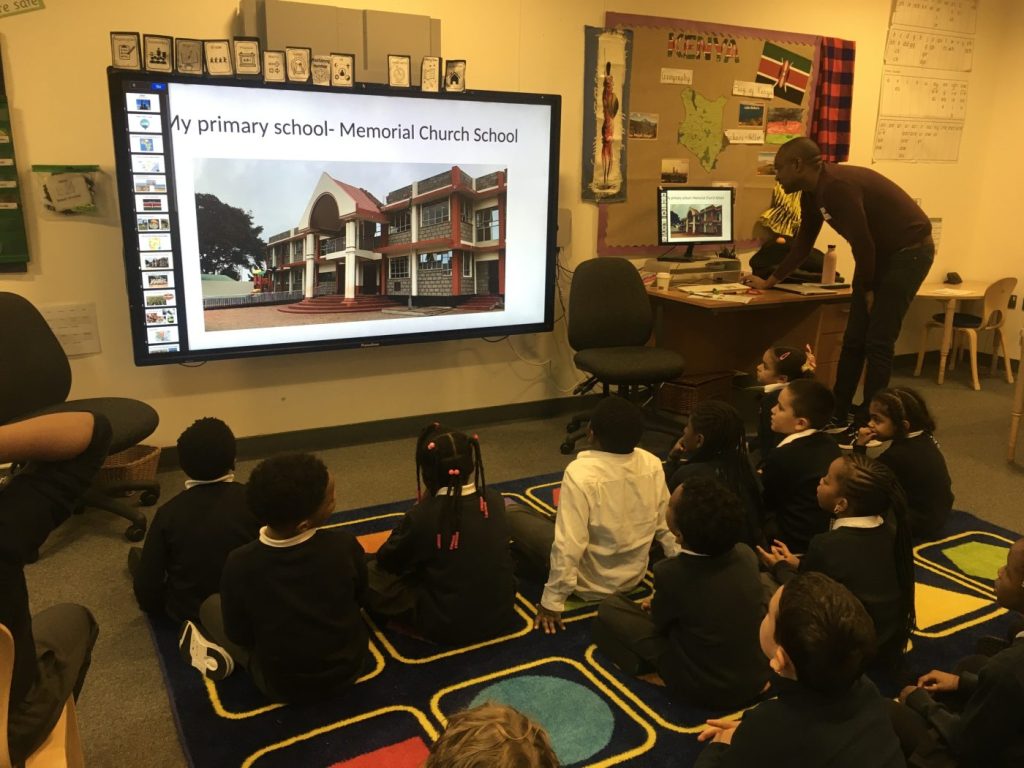
Compare different locations
-
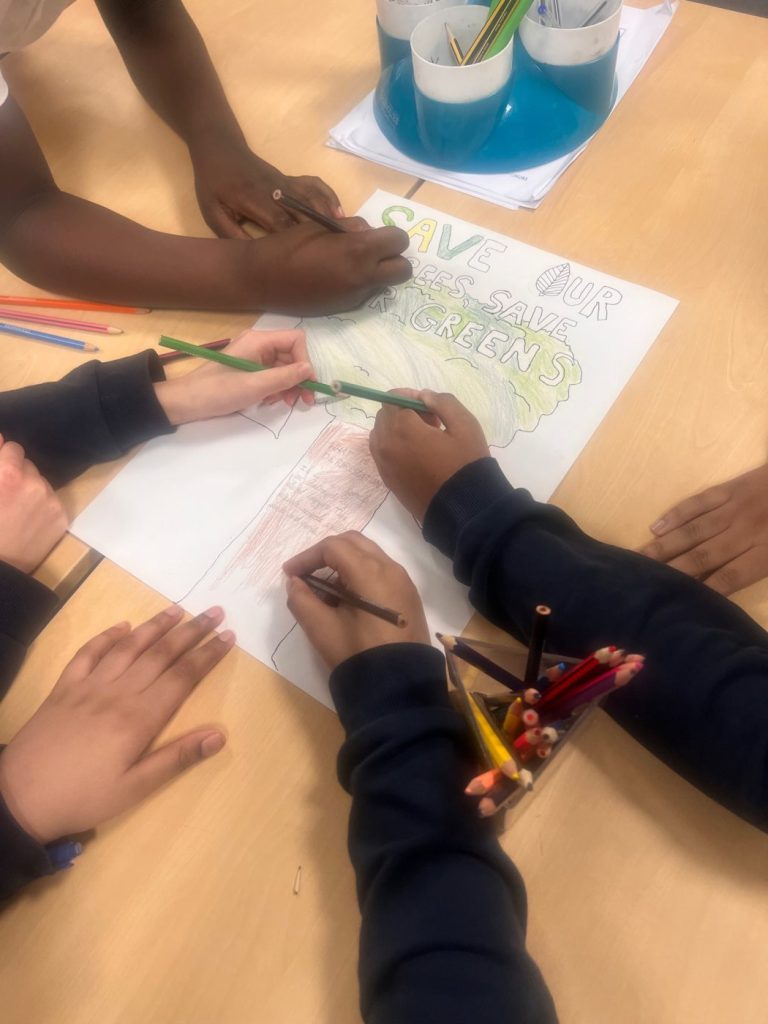
Discuss environmental challenges and sustainability
We make strong links between Geography and other subjects, including History, Science and PSHE, helping pupils to see how learning connects across the curriculum.
Fieldwork and First-Hand Experiences
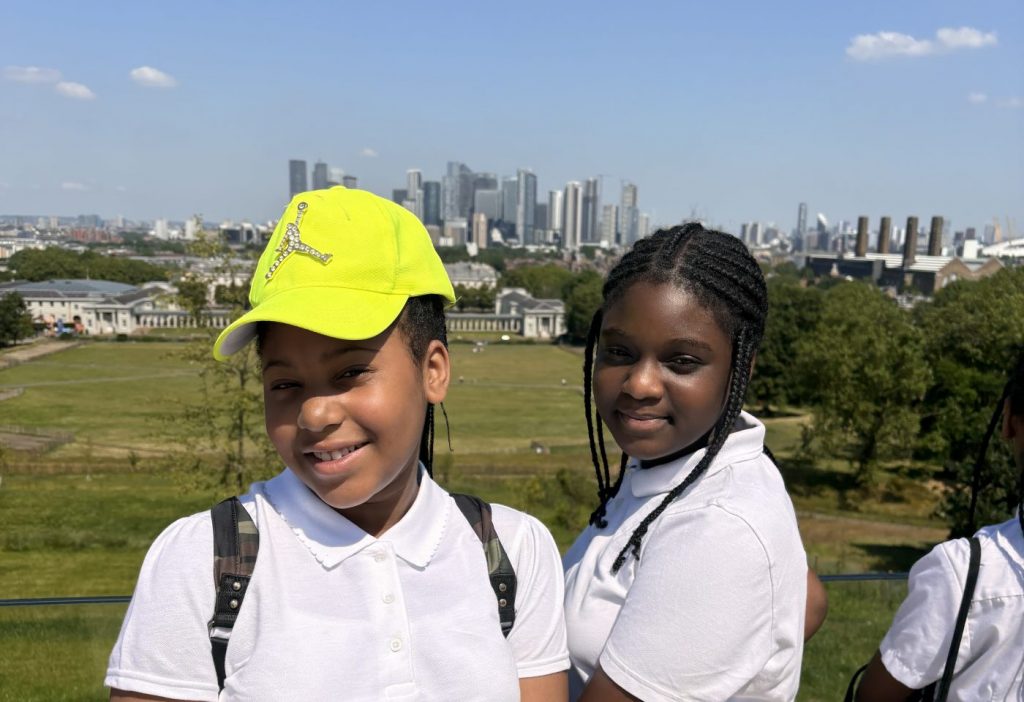
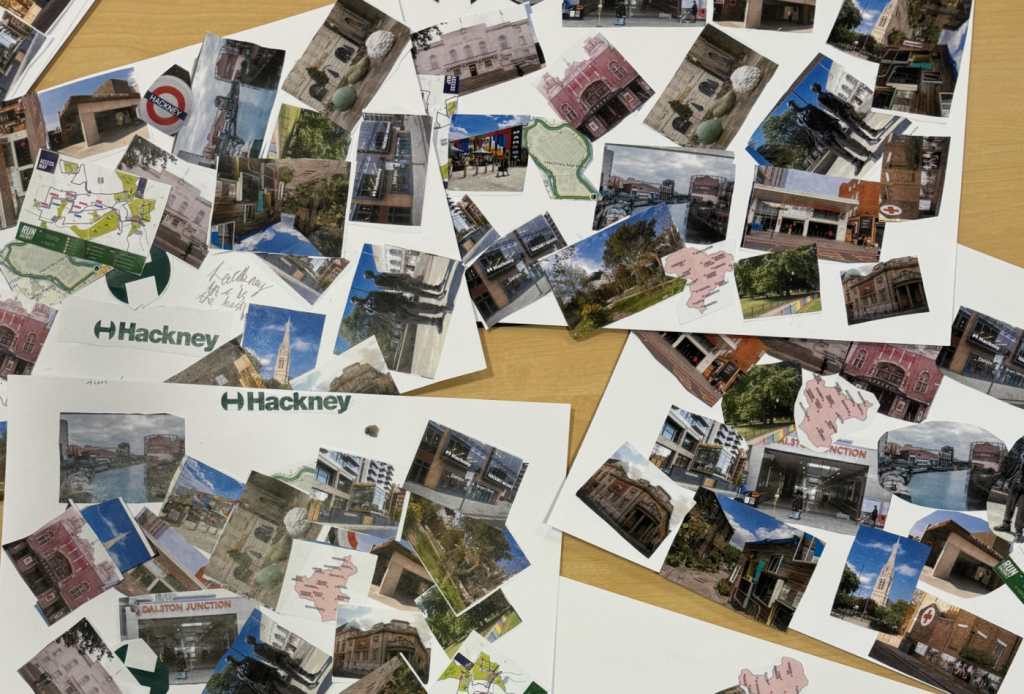
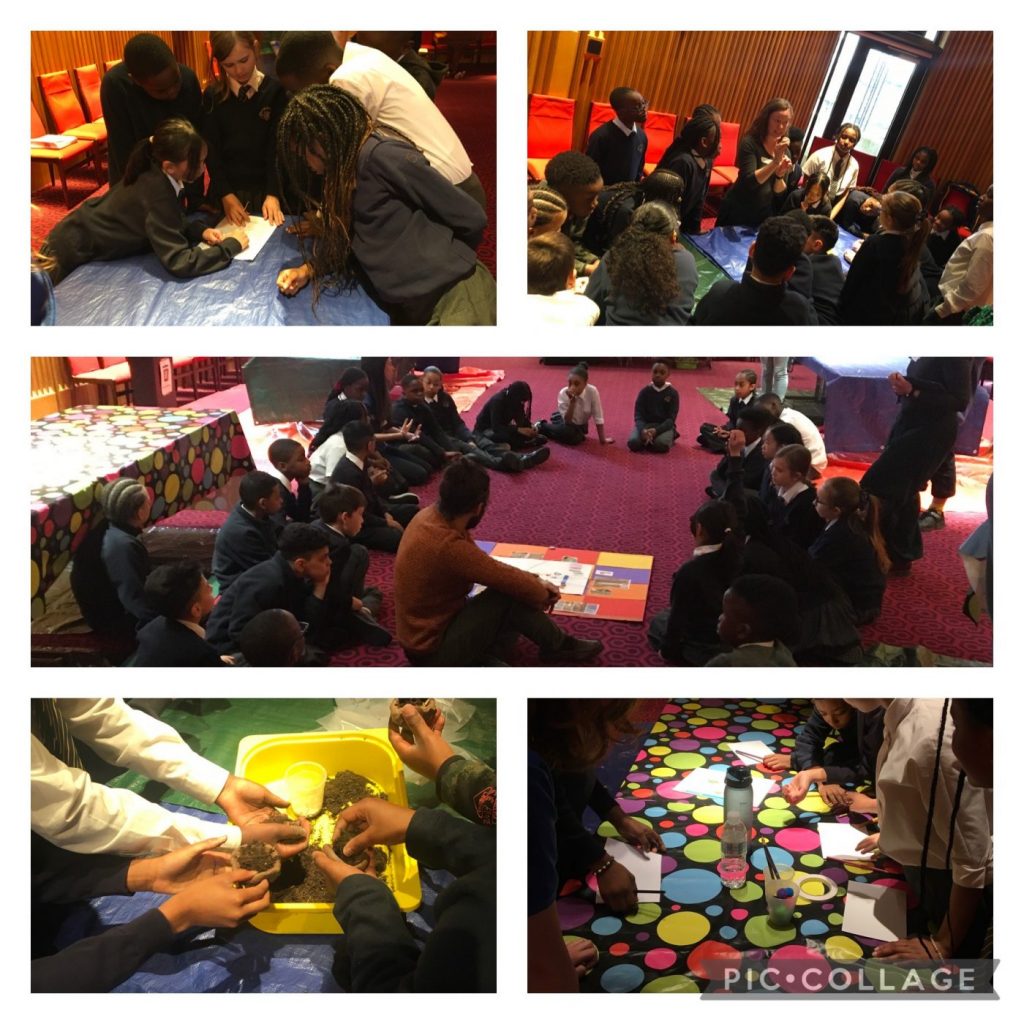
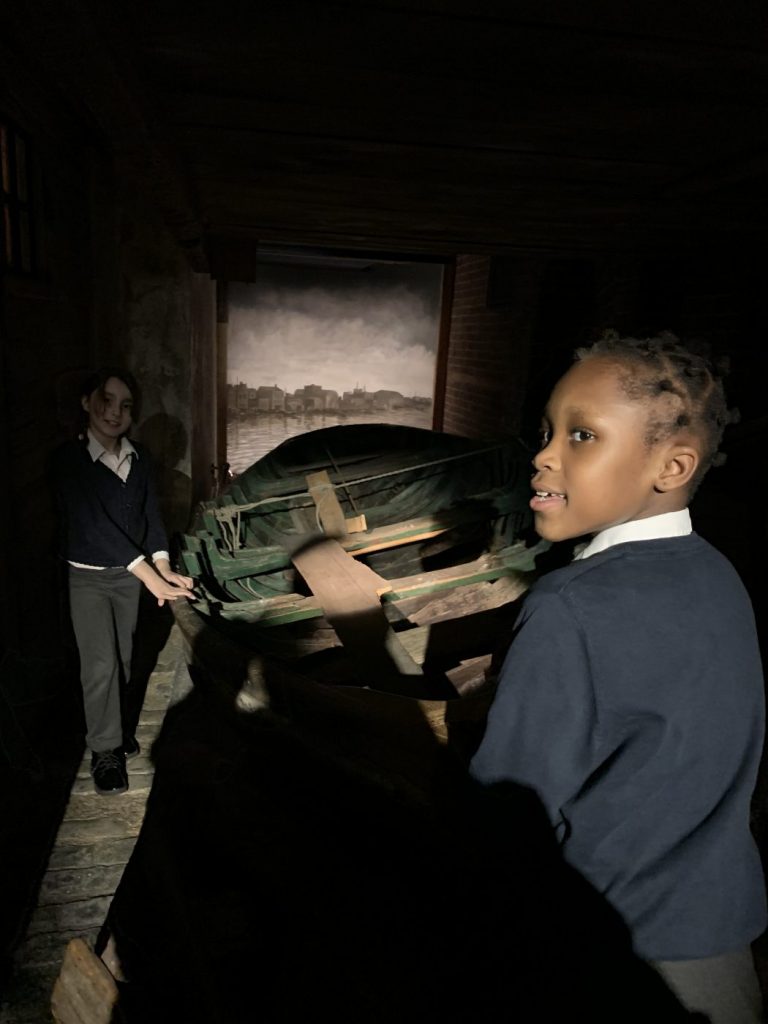
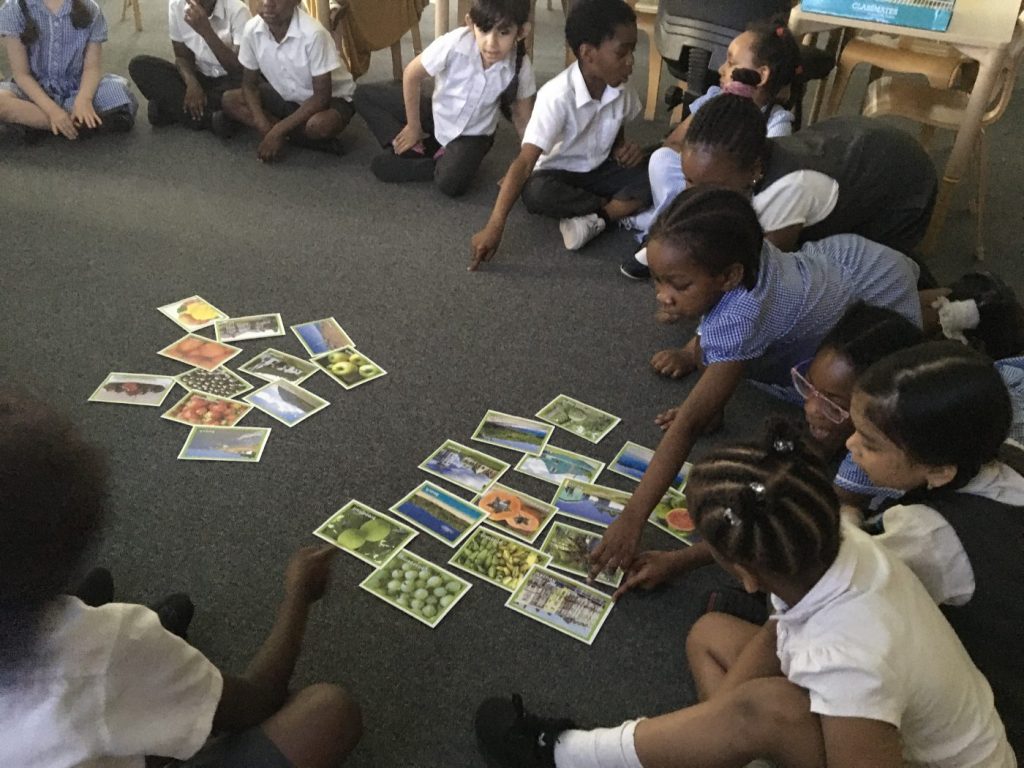
Fieldwork is a vital part of Geography. Pupils explore the local area to develop practical skills and apply their learning in real contexts. Activities may include:
-
Local area mapping and surveys
-
River or environmental studies
-
Traffic and land-use investigations
-
Comparing our locality with other regions in the UK and beyond
These experiences help children develop observation skills, teamwork and independence while strengthening their understanding of geographical concepts.
Skills for Life
Through Geography, pupils develop key transferable skills, including critical thinking, data analysis, problem-solving and communication. They learn about environmental responsibility and the importance of sustainability, preparing them to play an active role in caring for the planet.
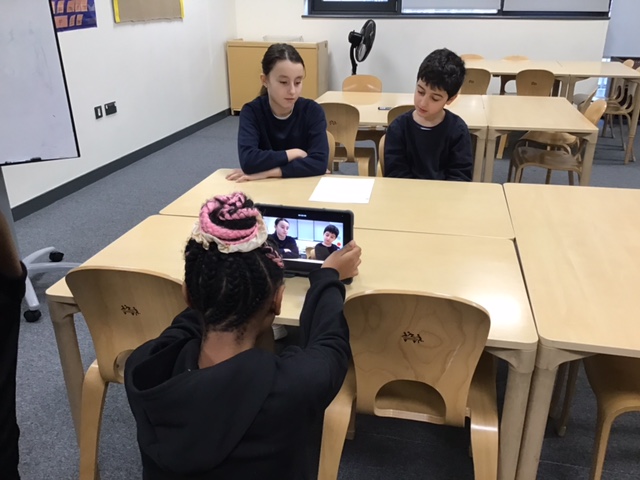
Children are taught how to develop practical skills such as using grid-references, reading and creating maps and using various types of technology. Both the skills and knowledge learned are revisited and built on, enabling pupils to develop confidence and independence in their learning.