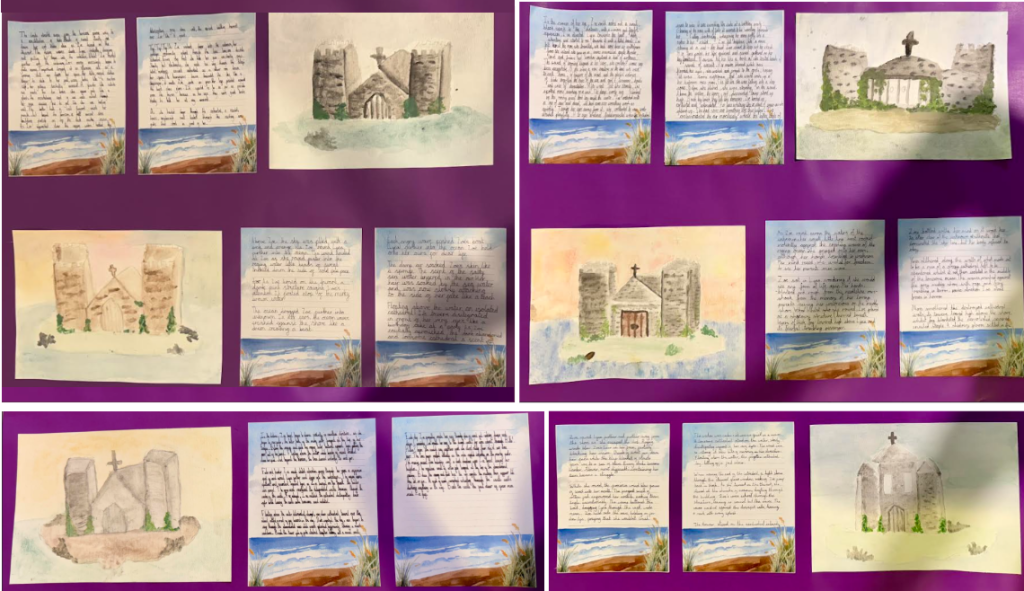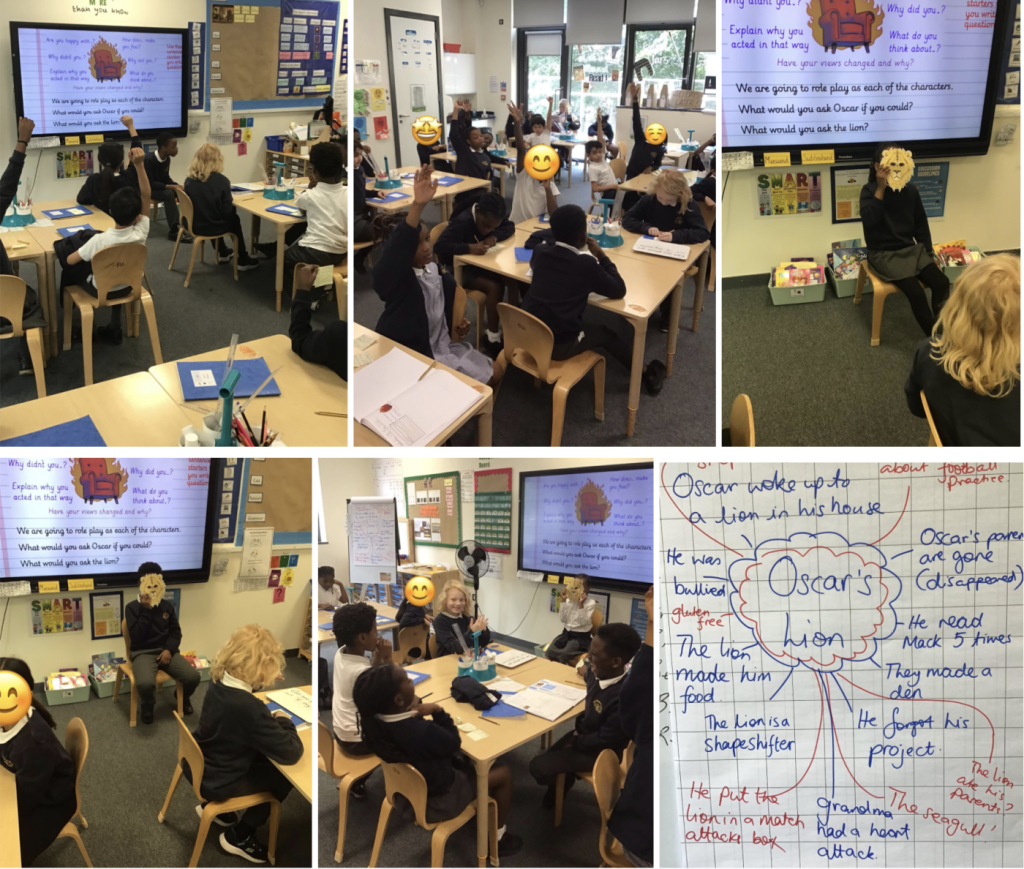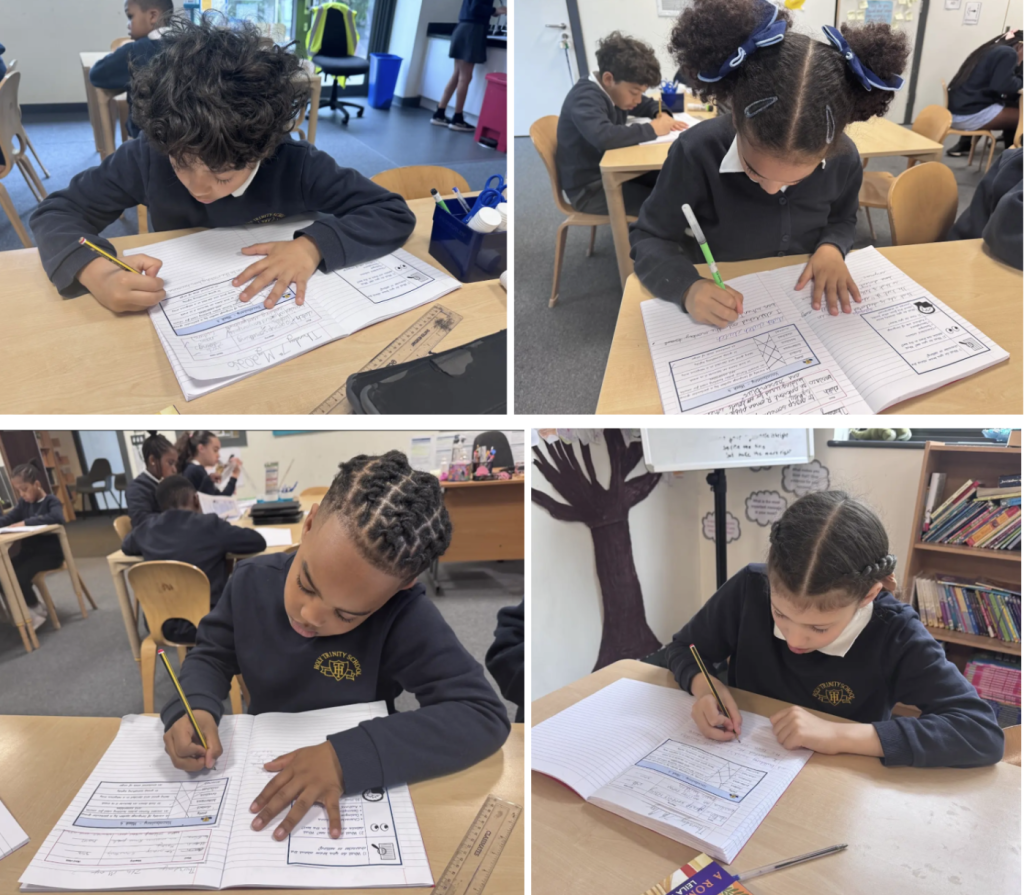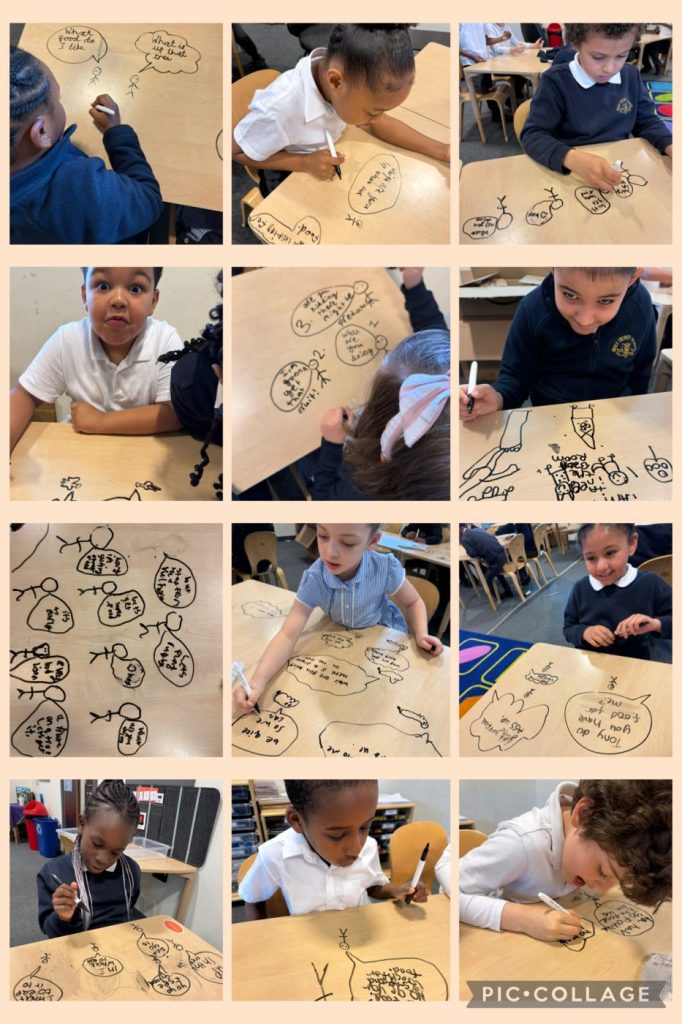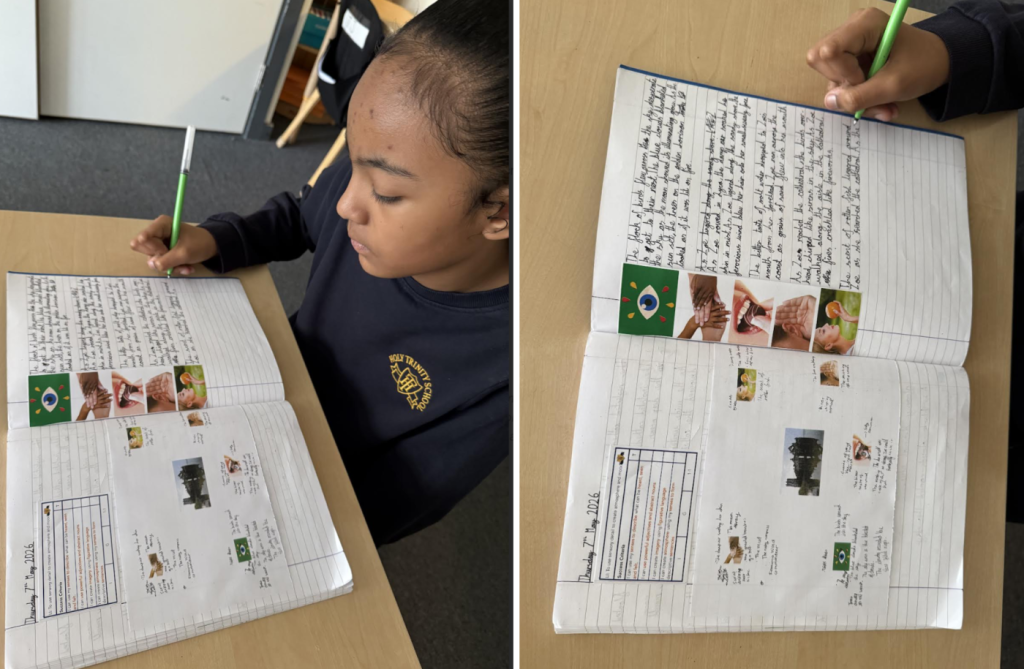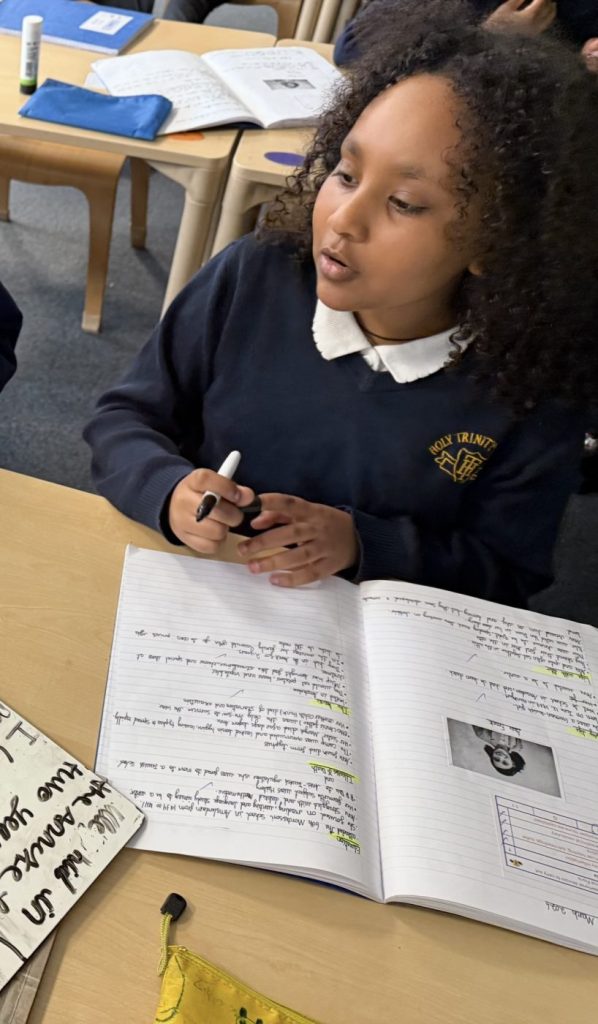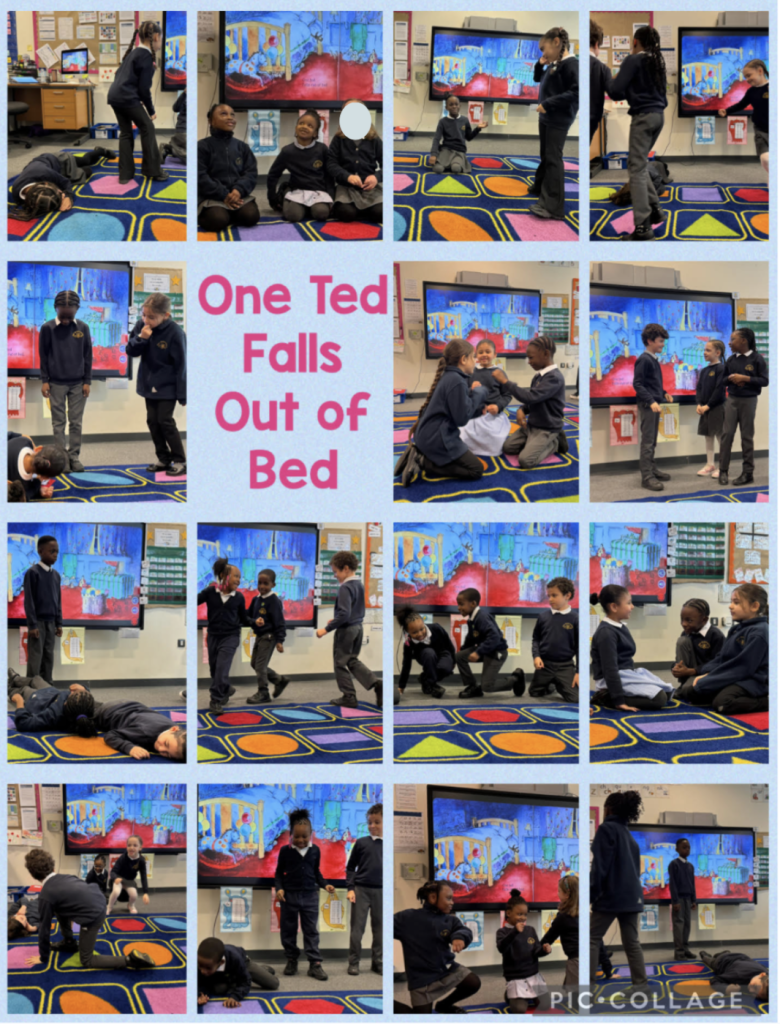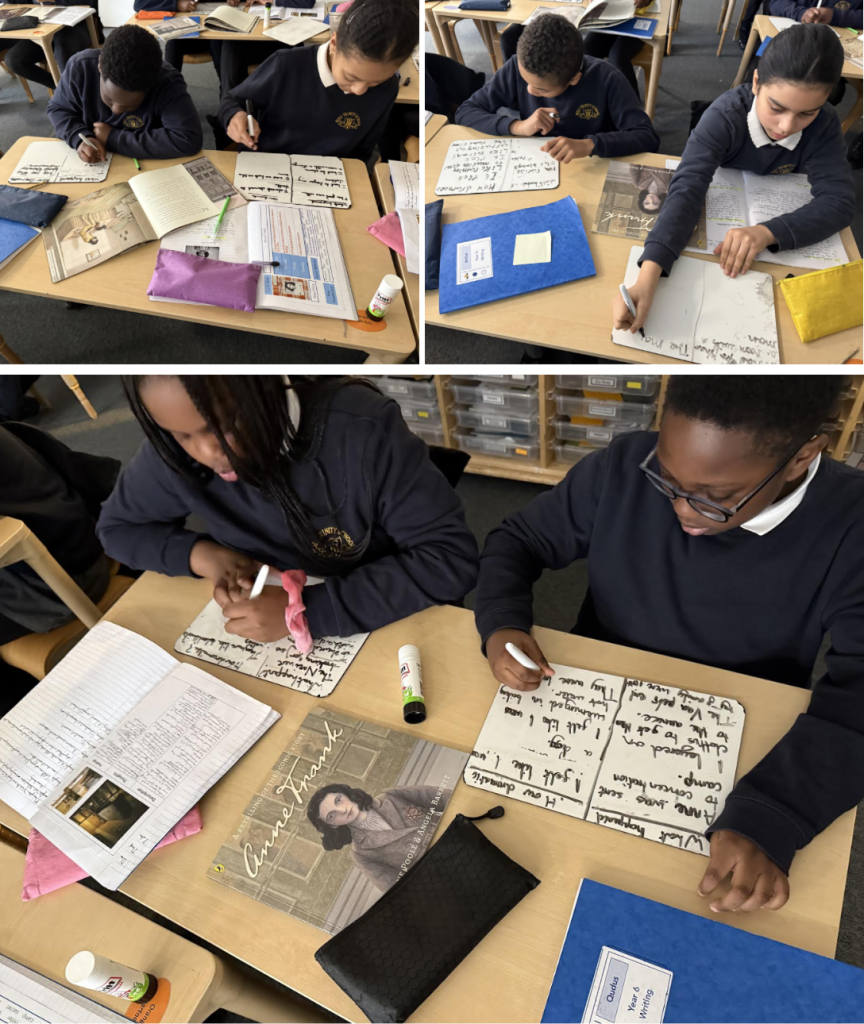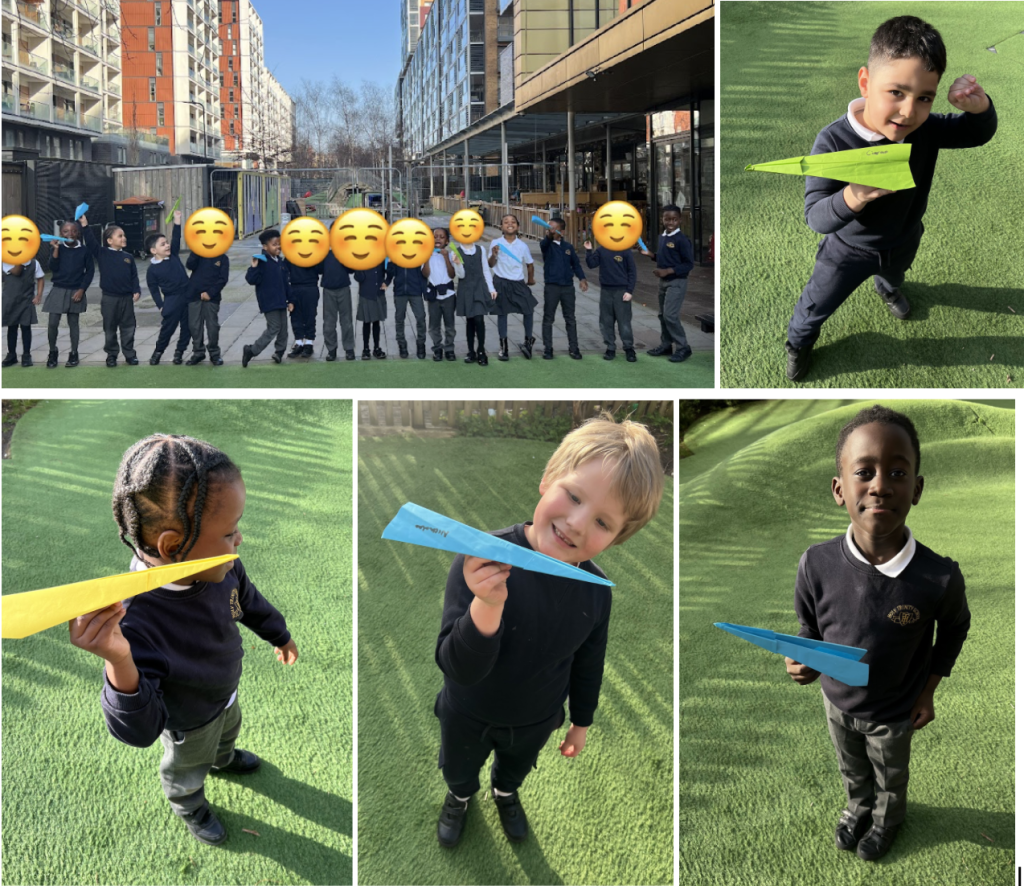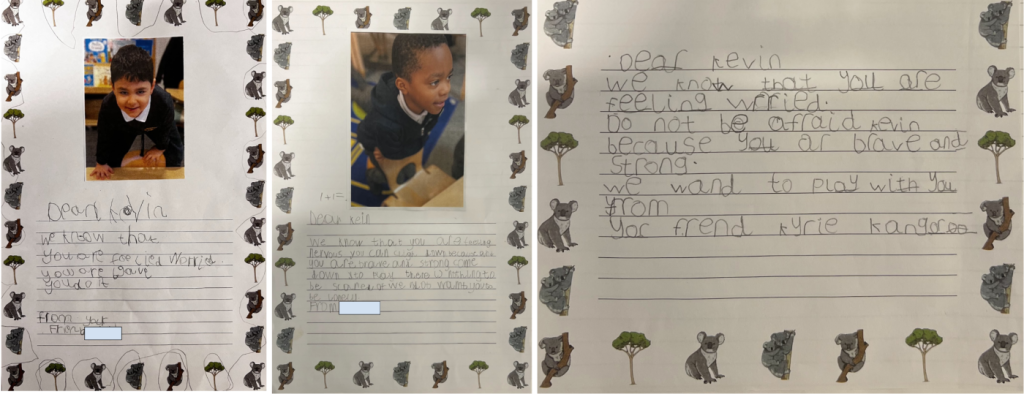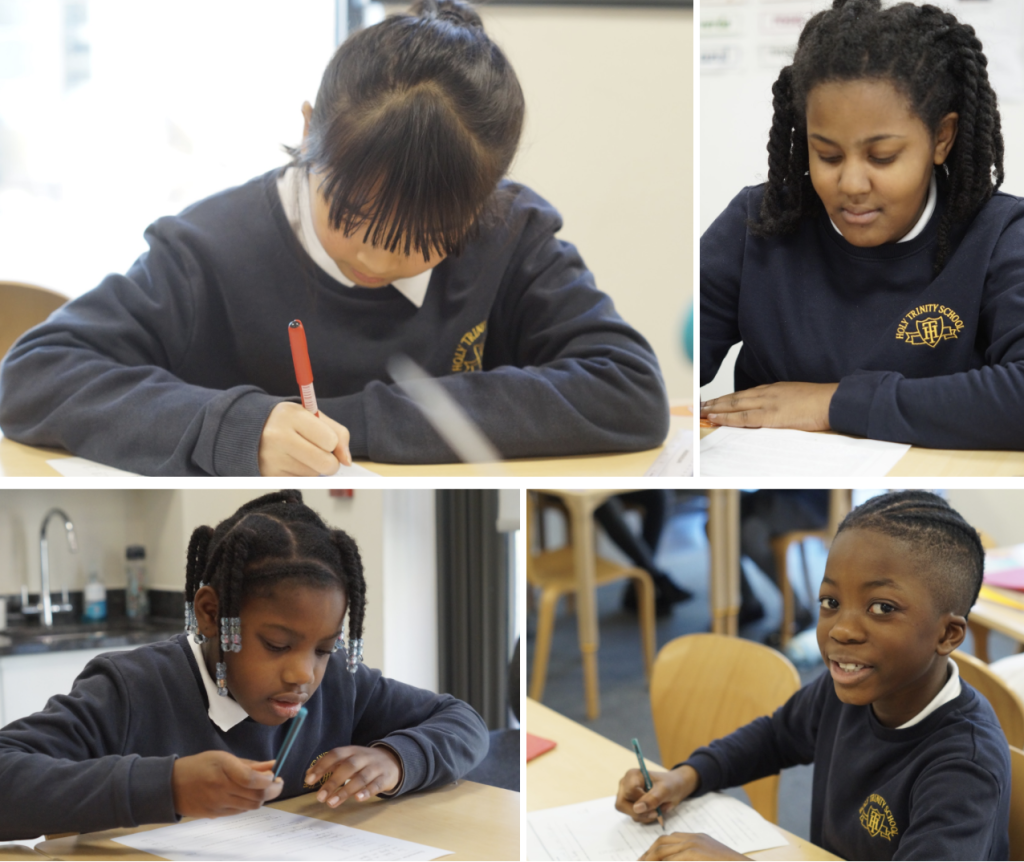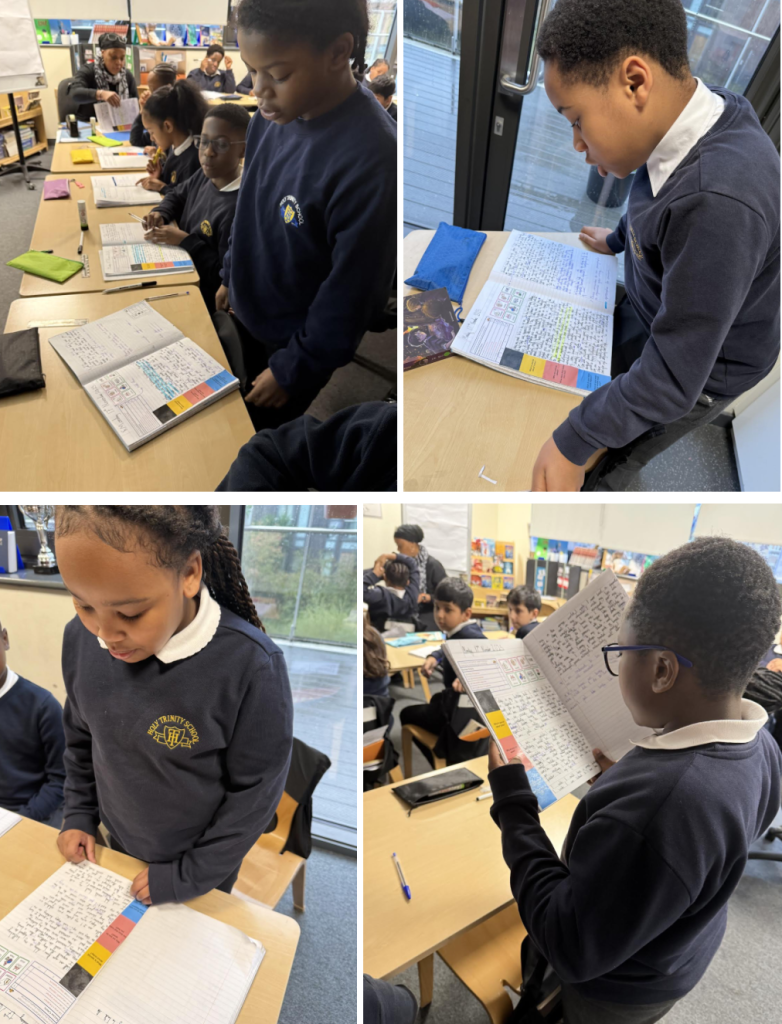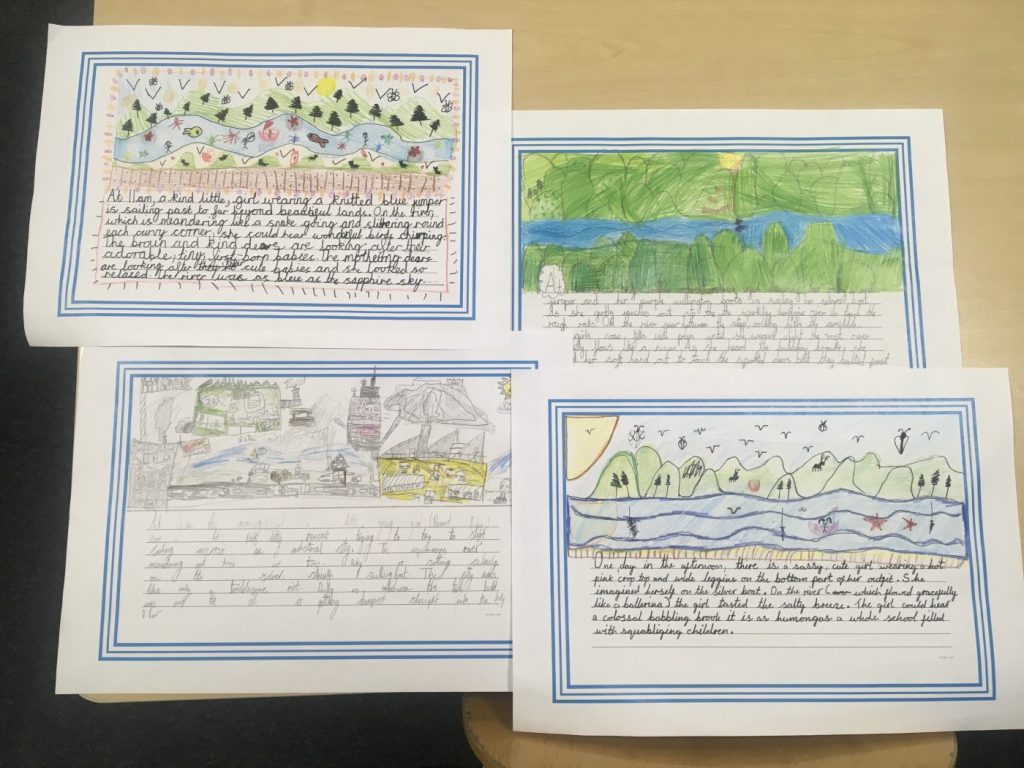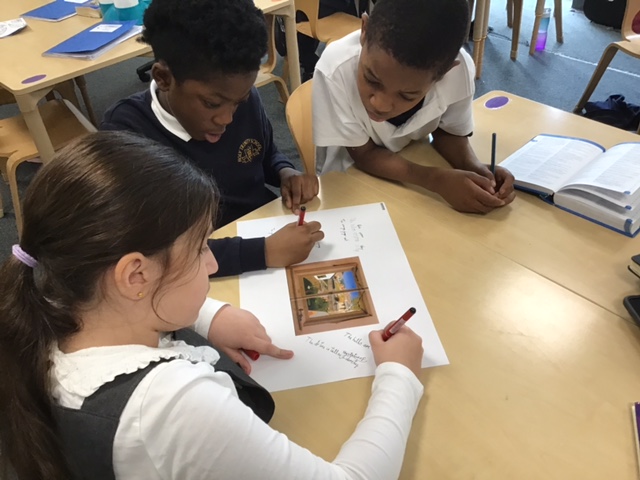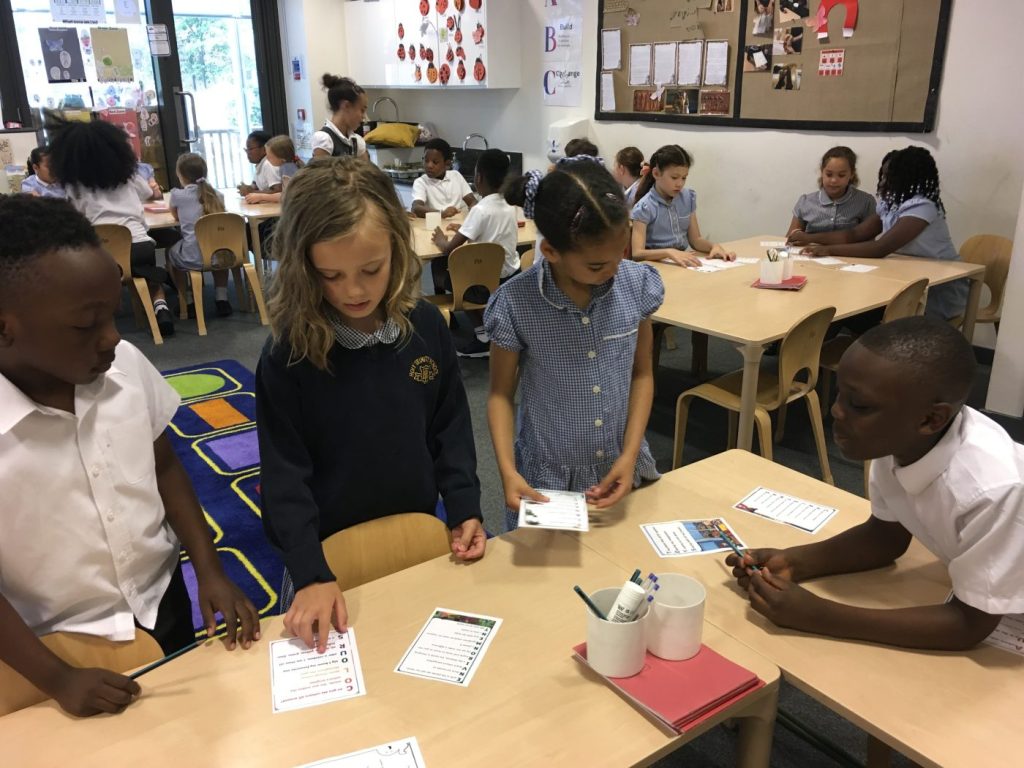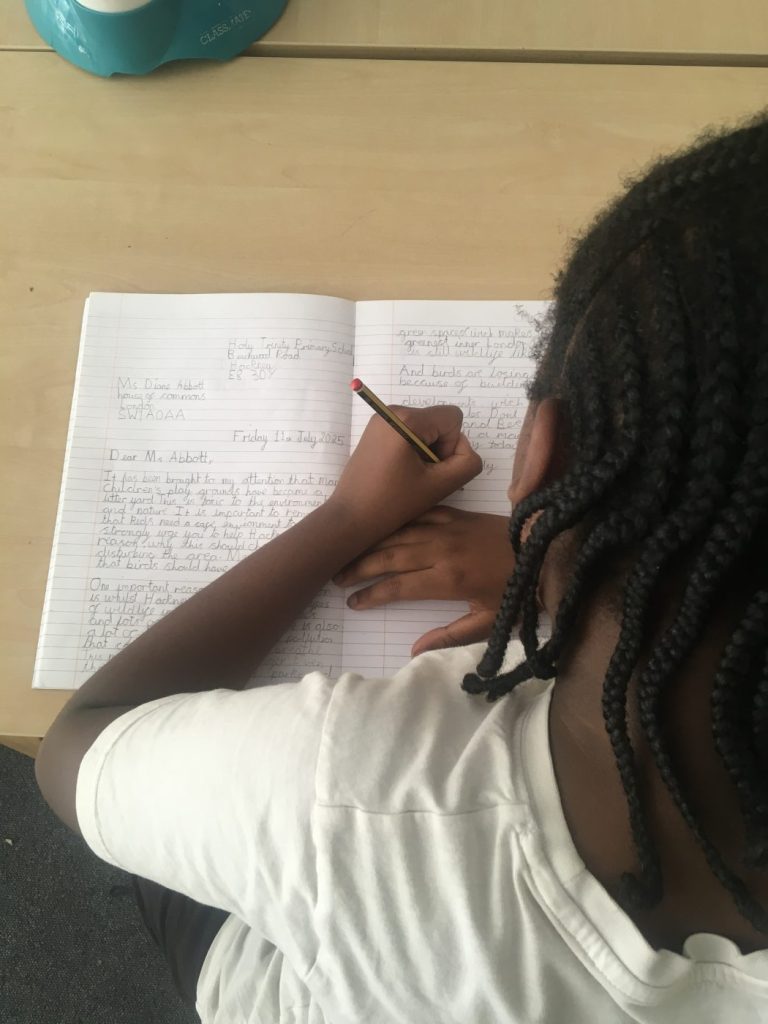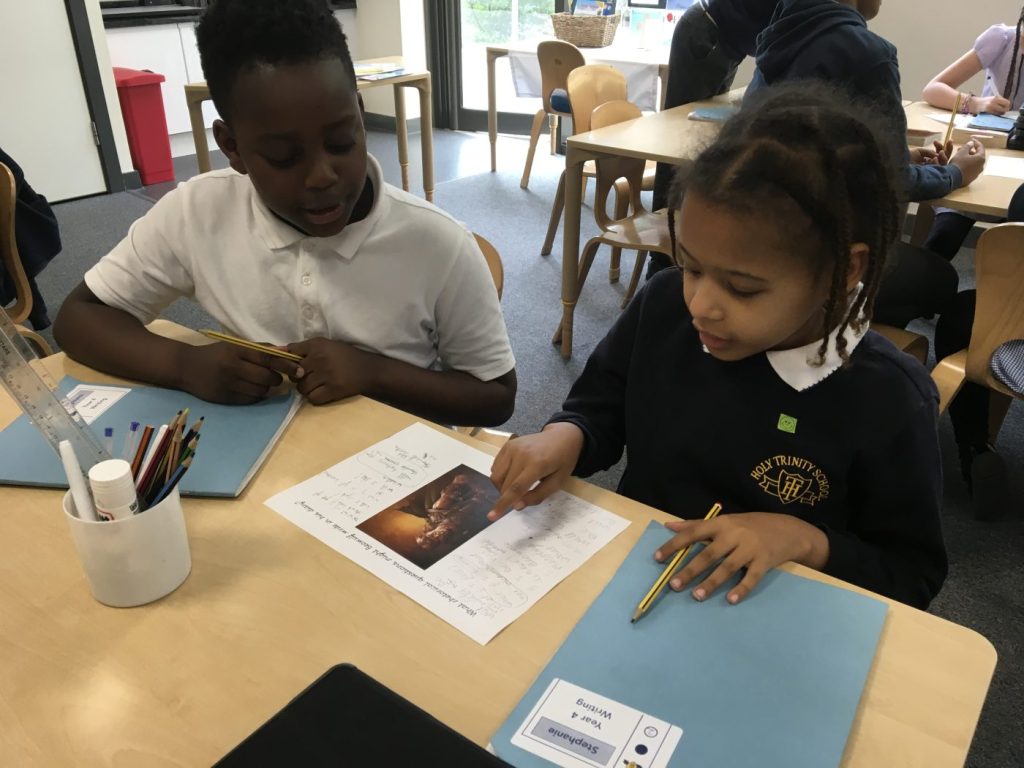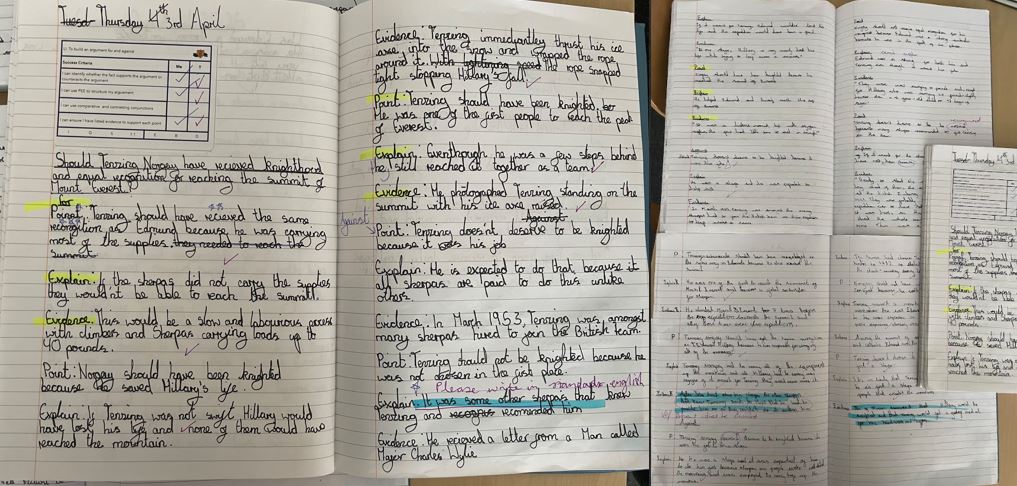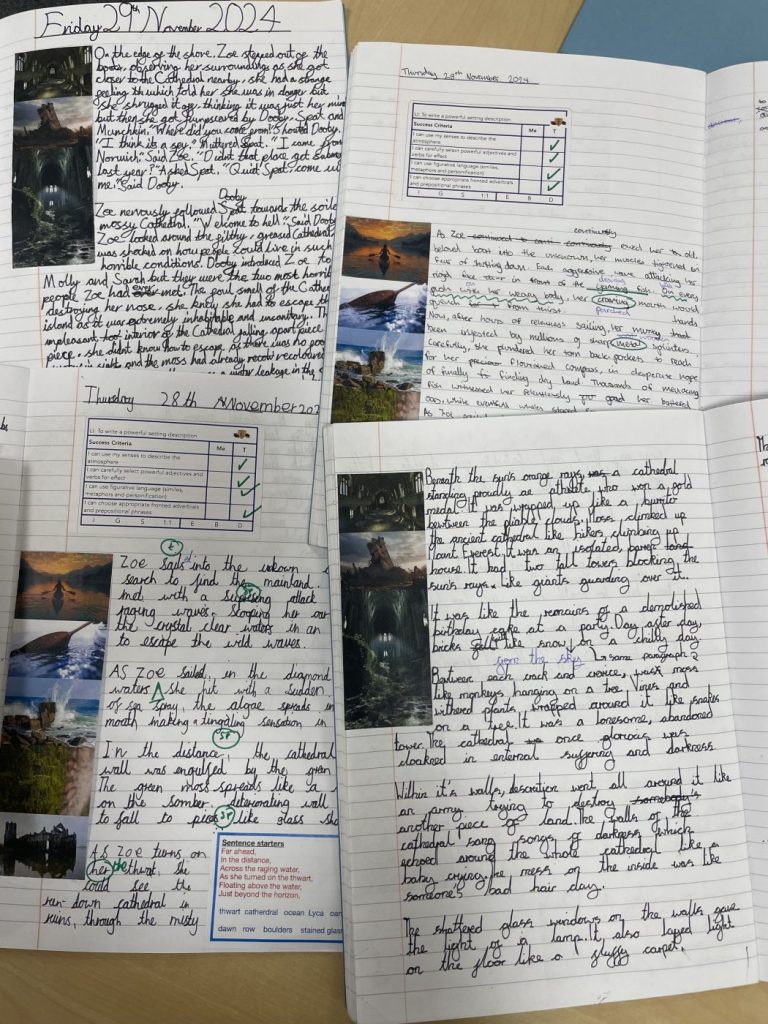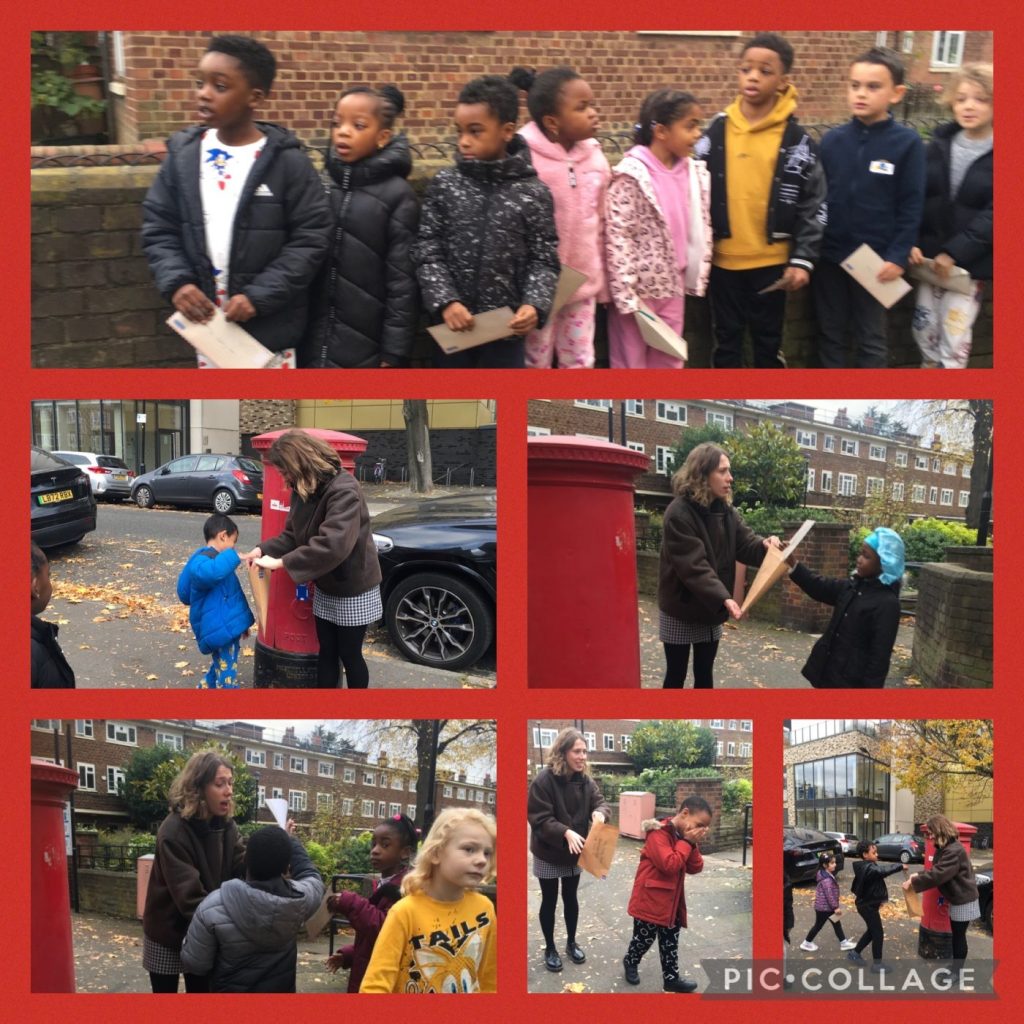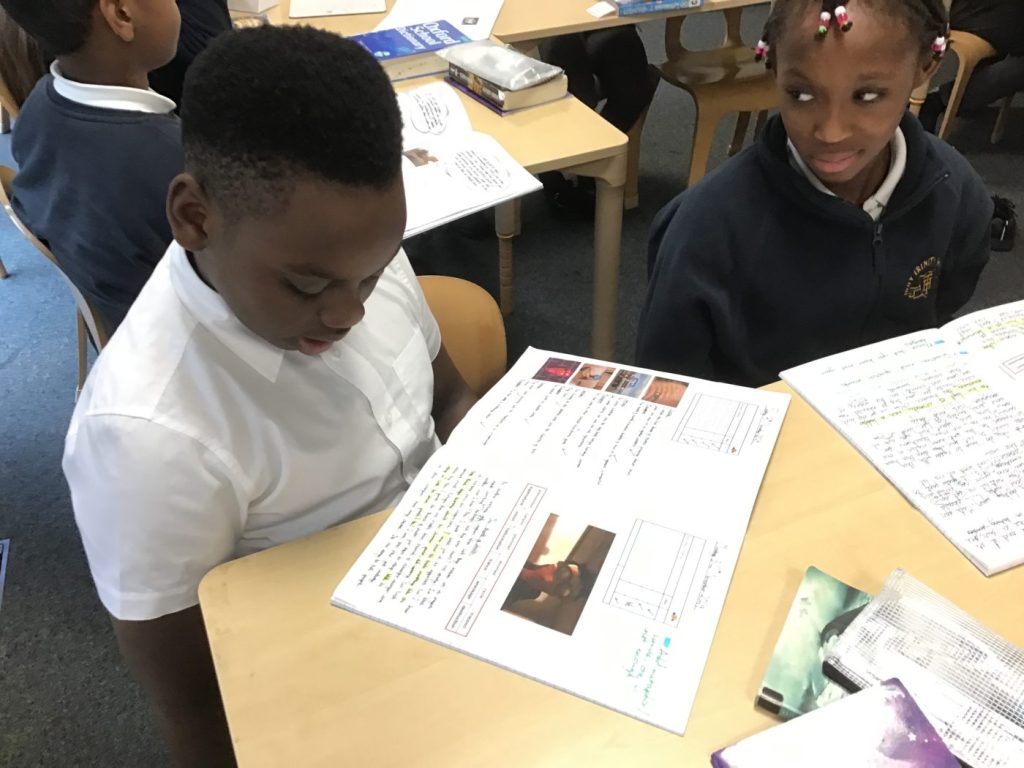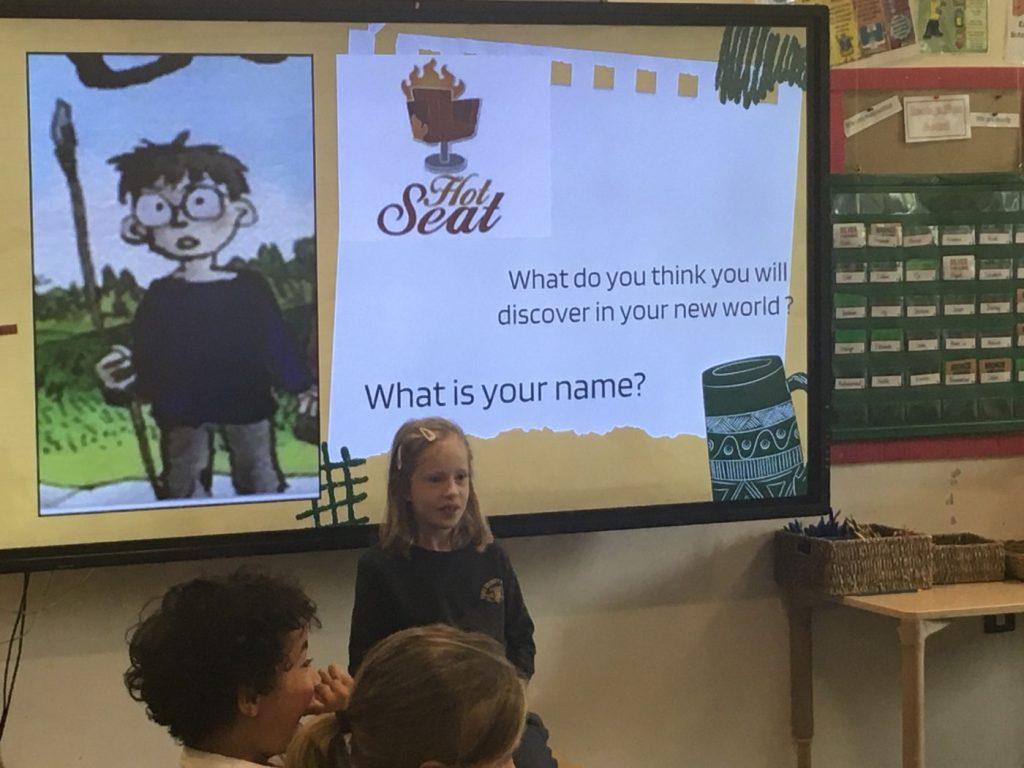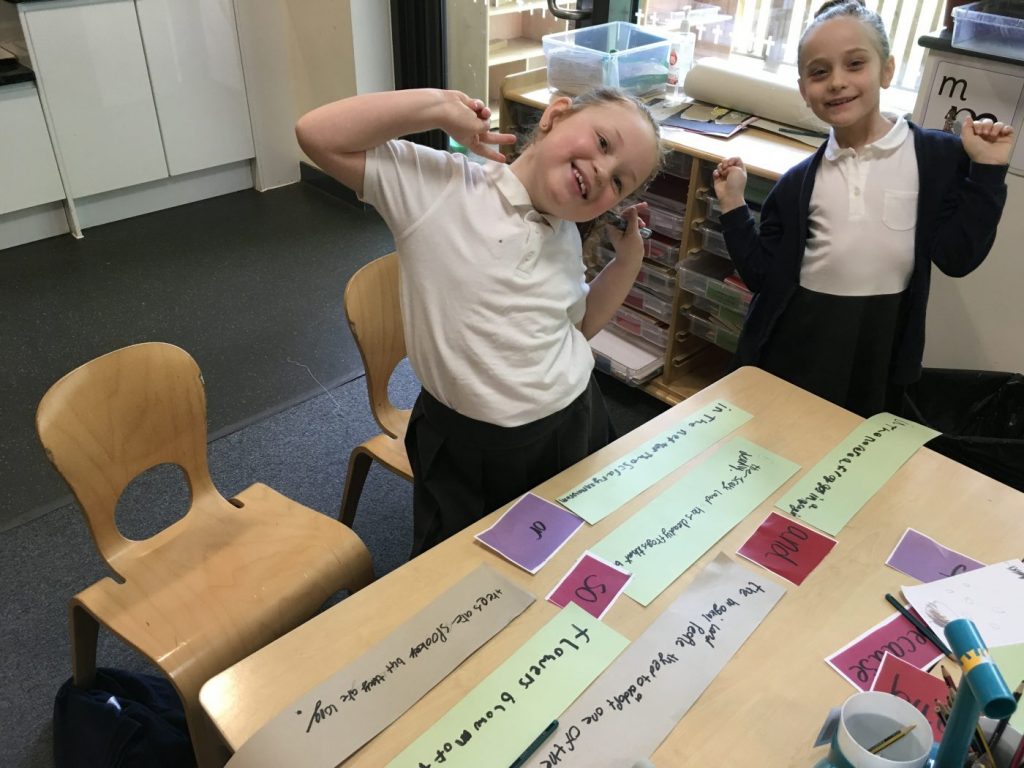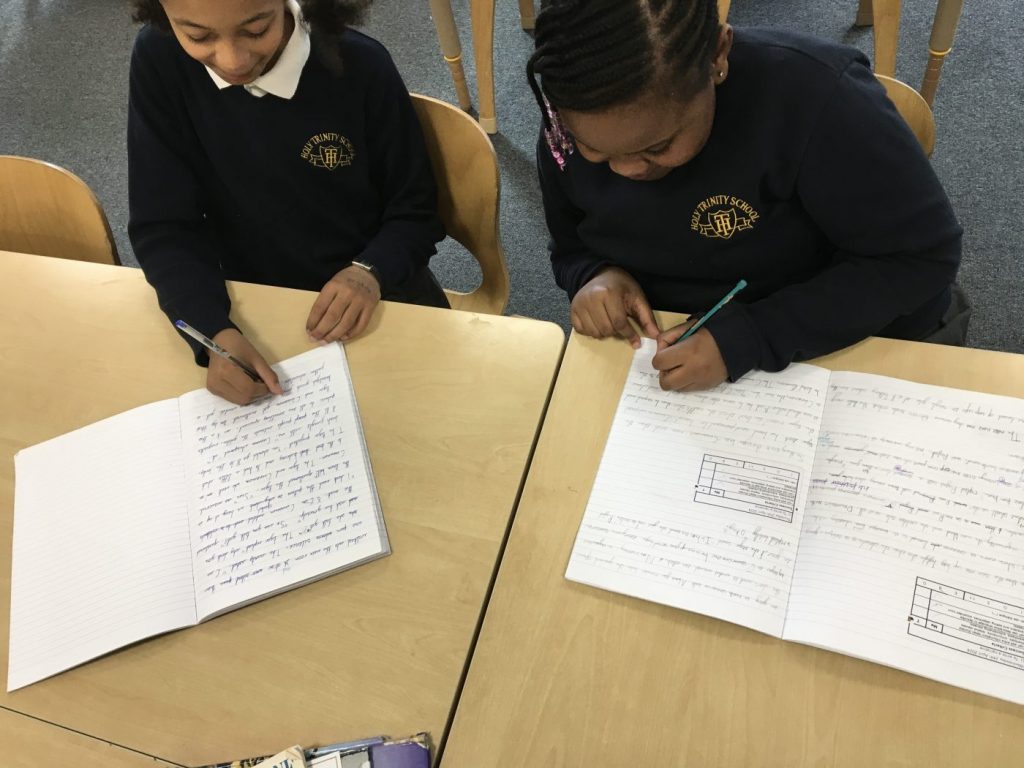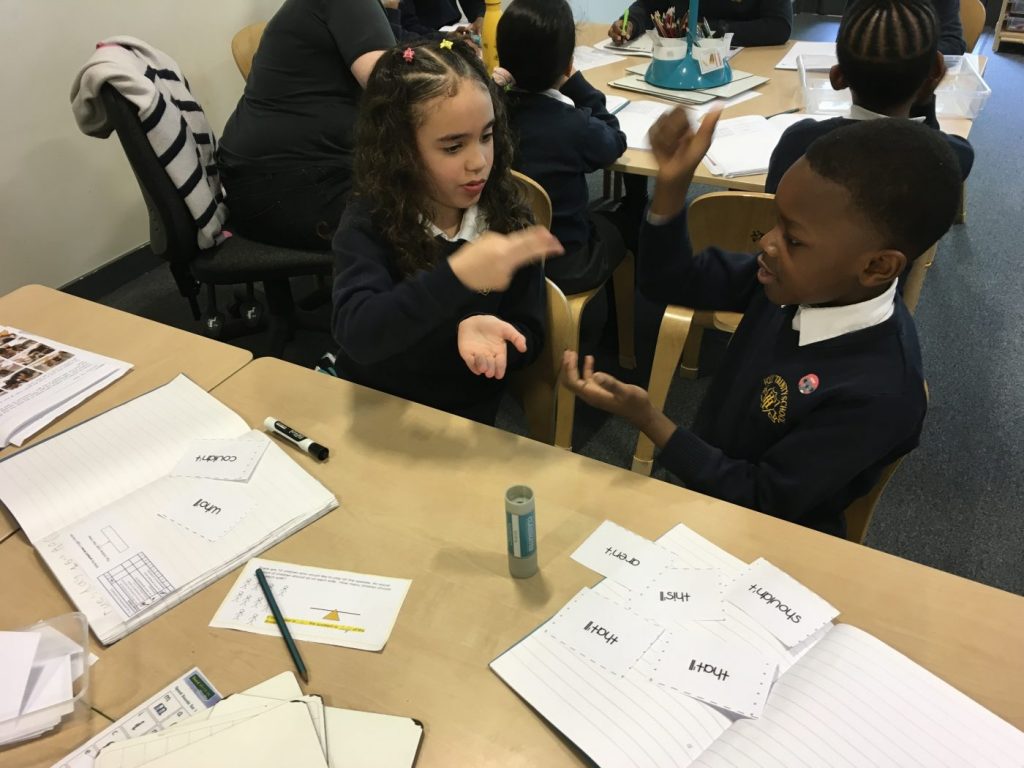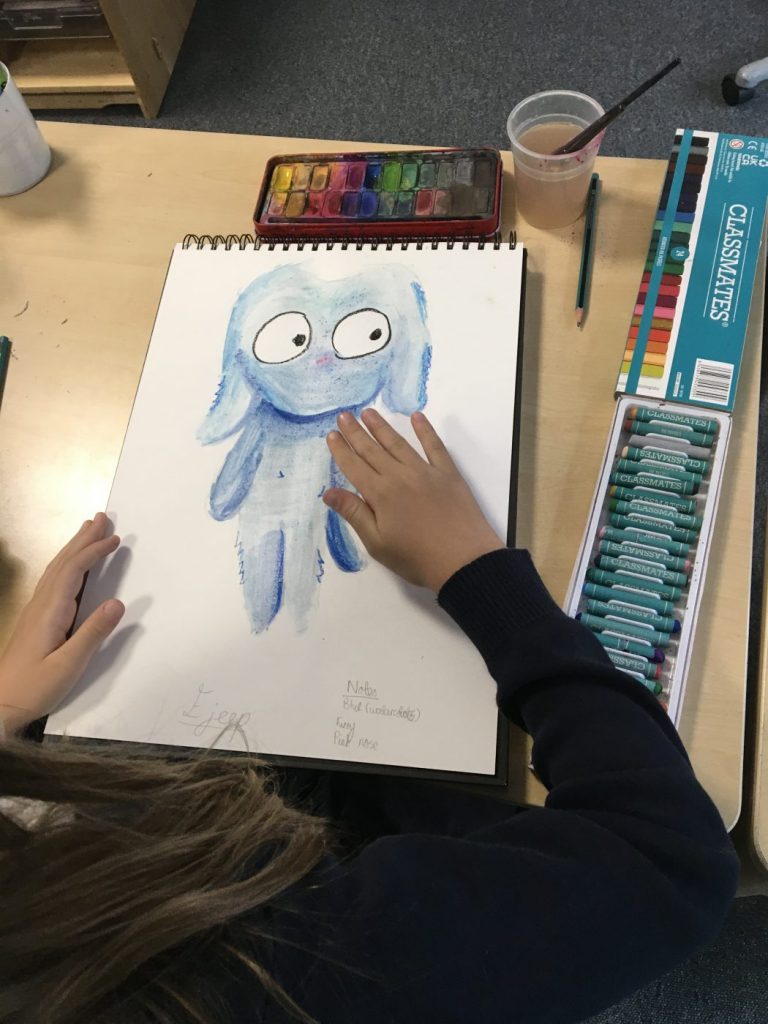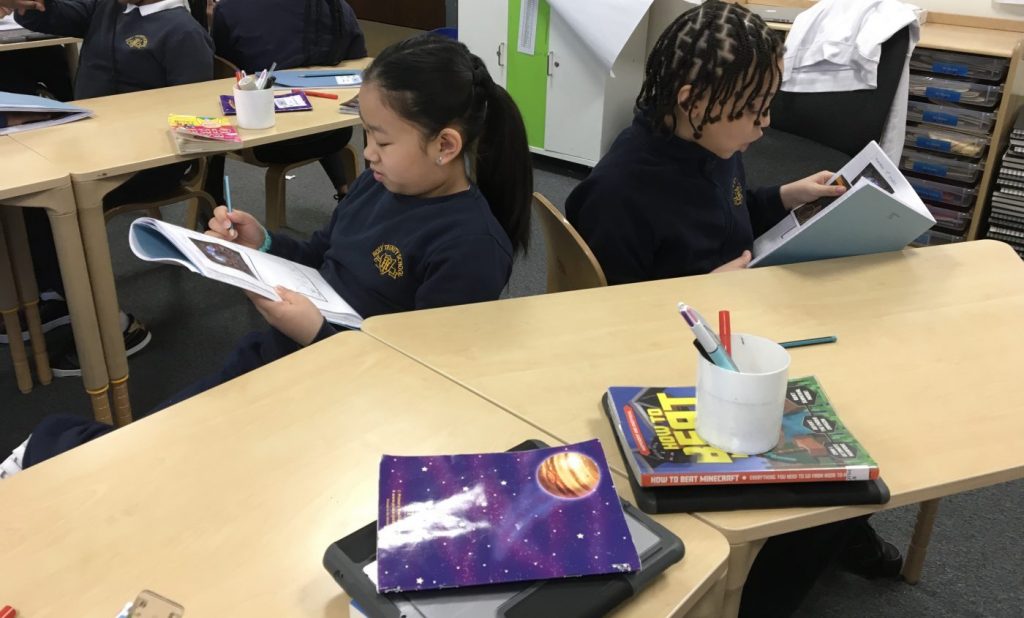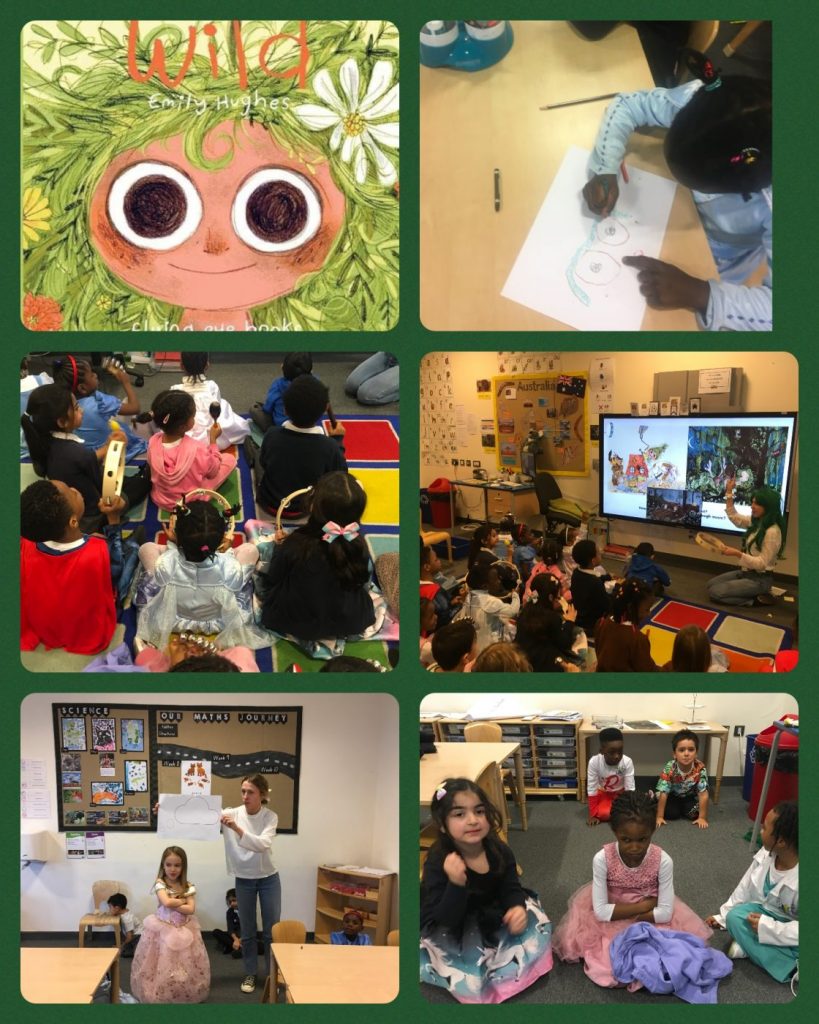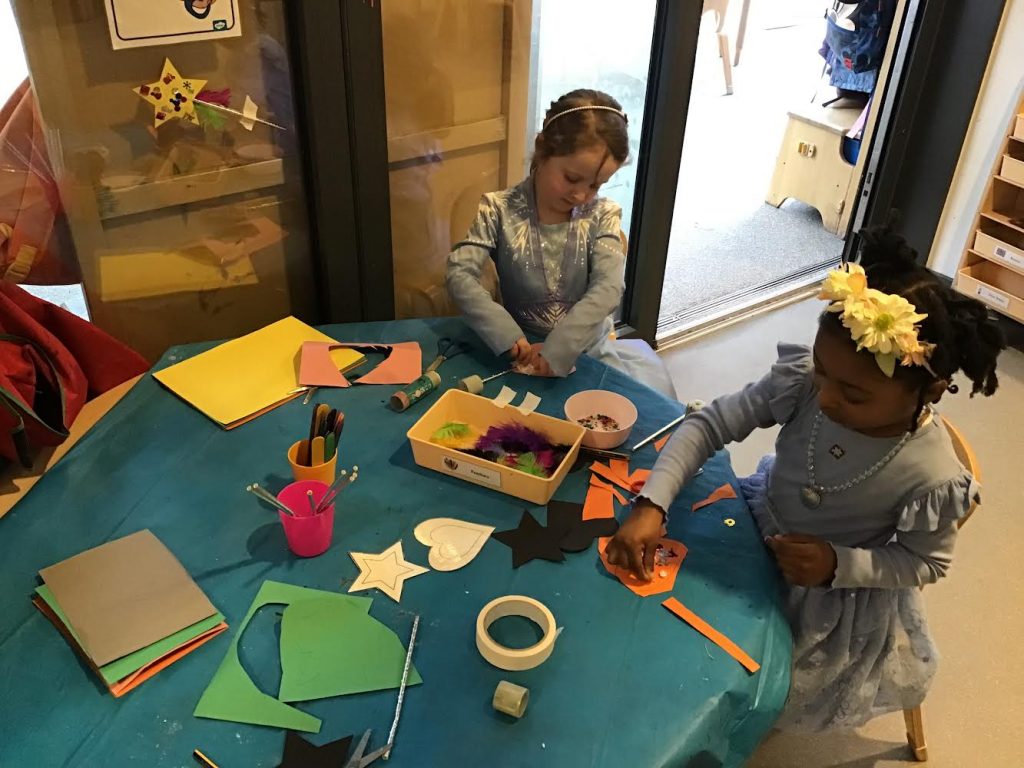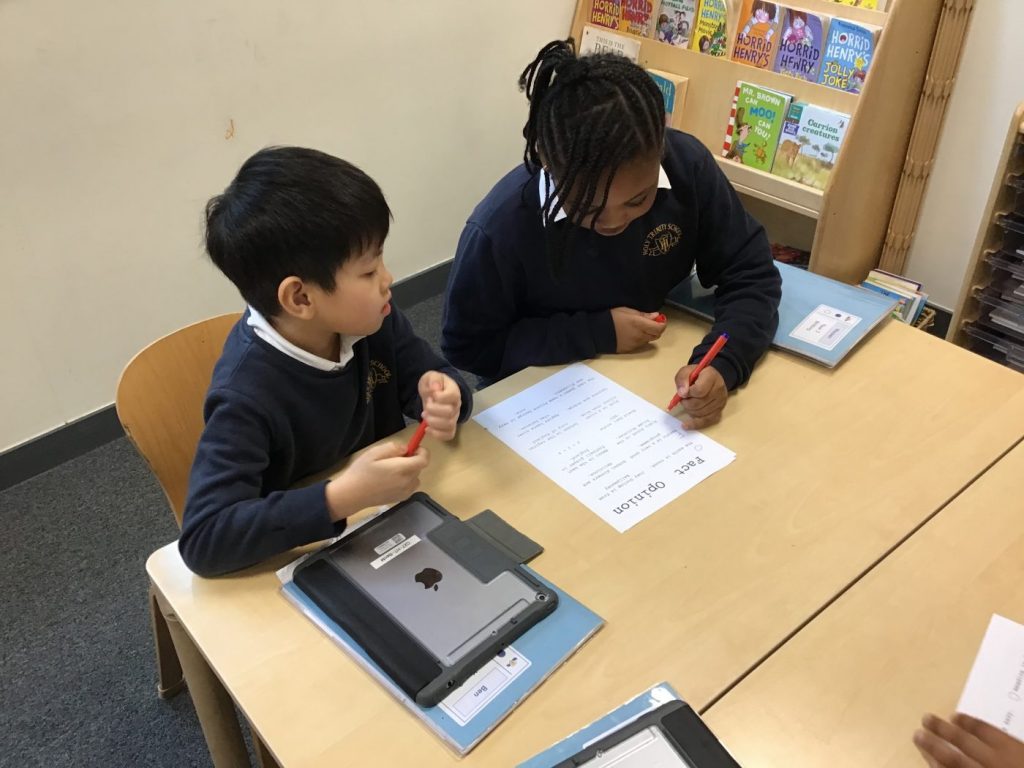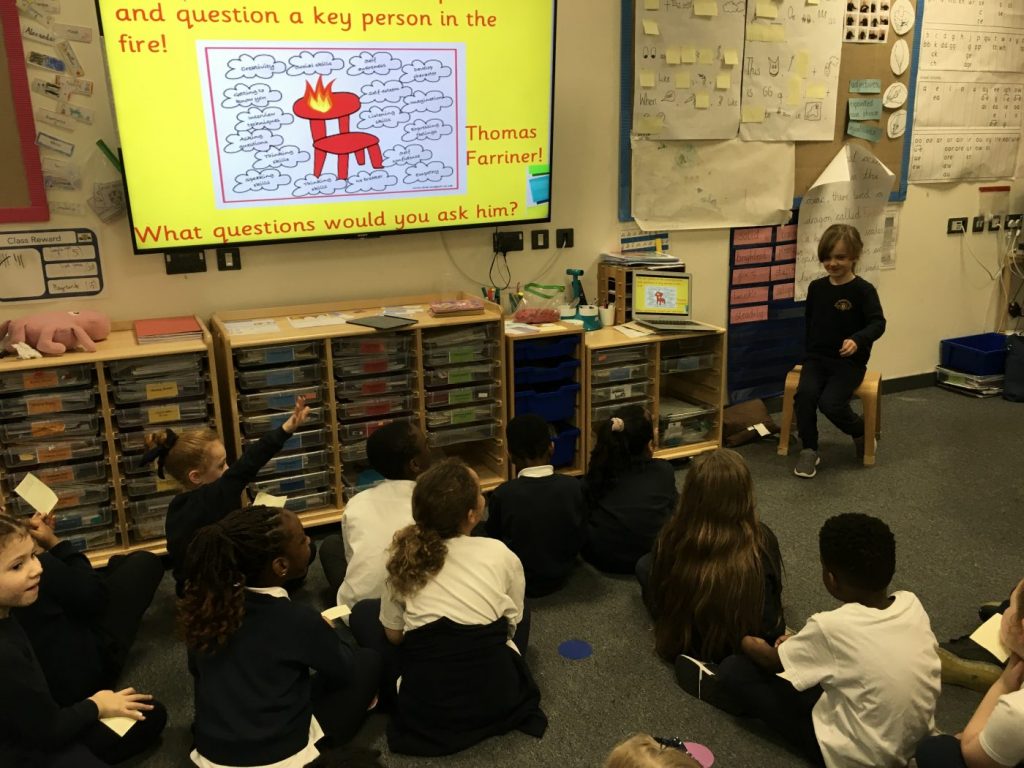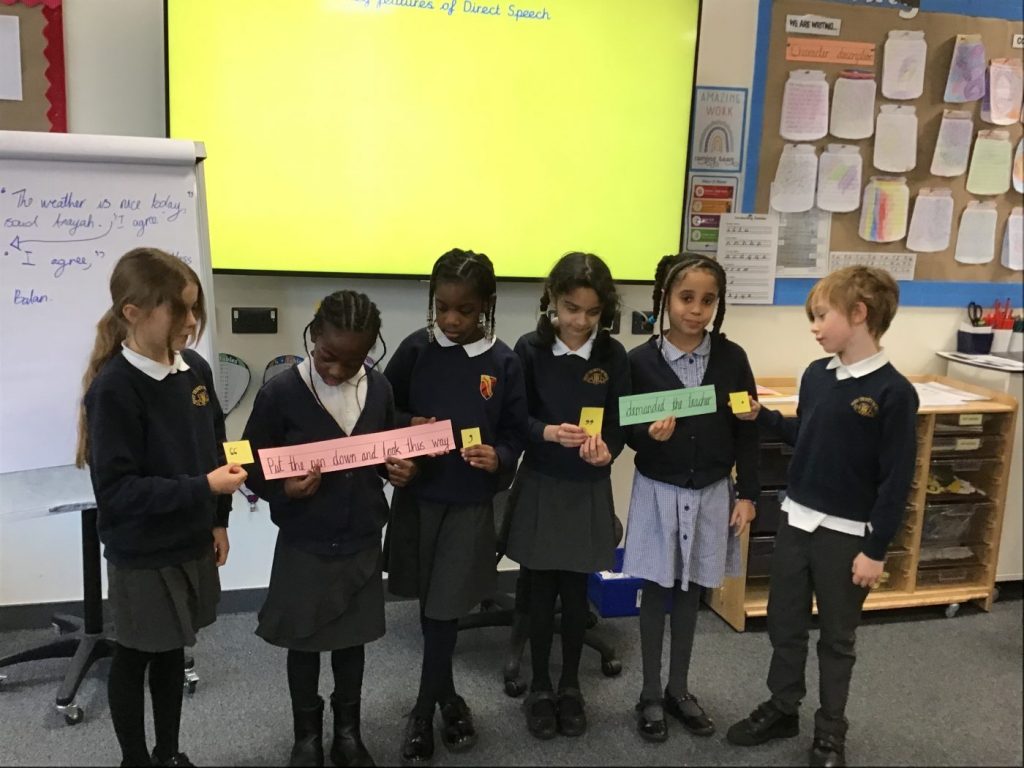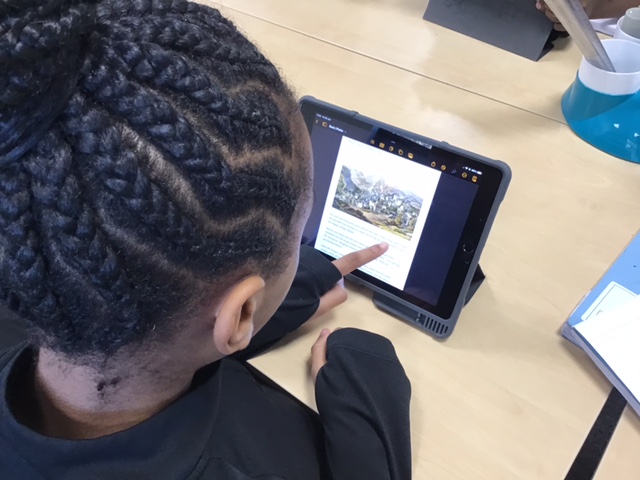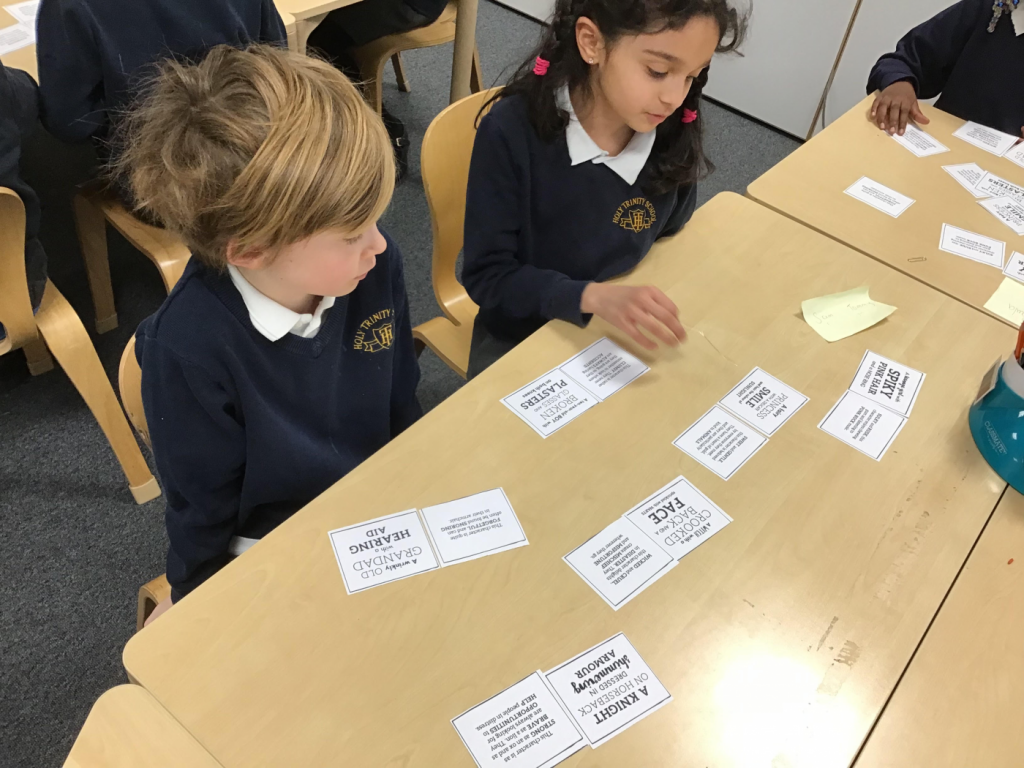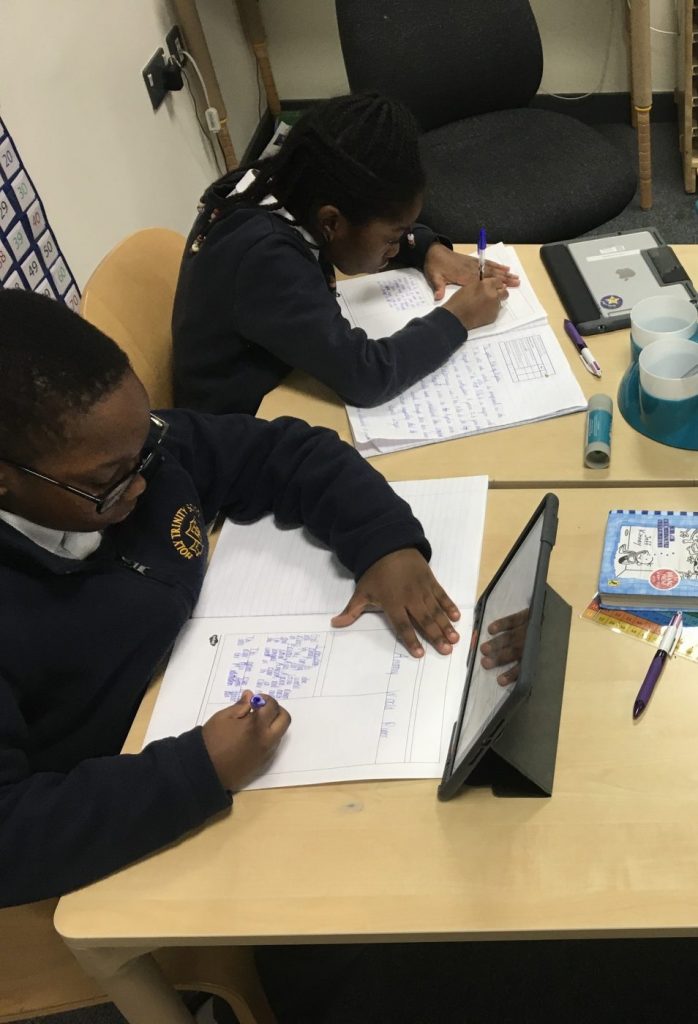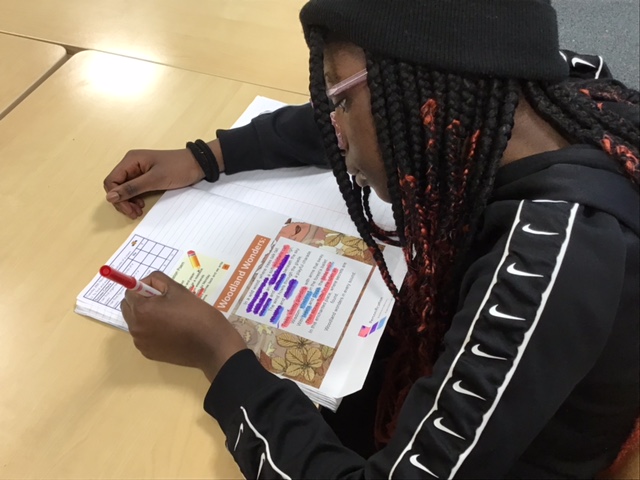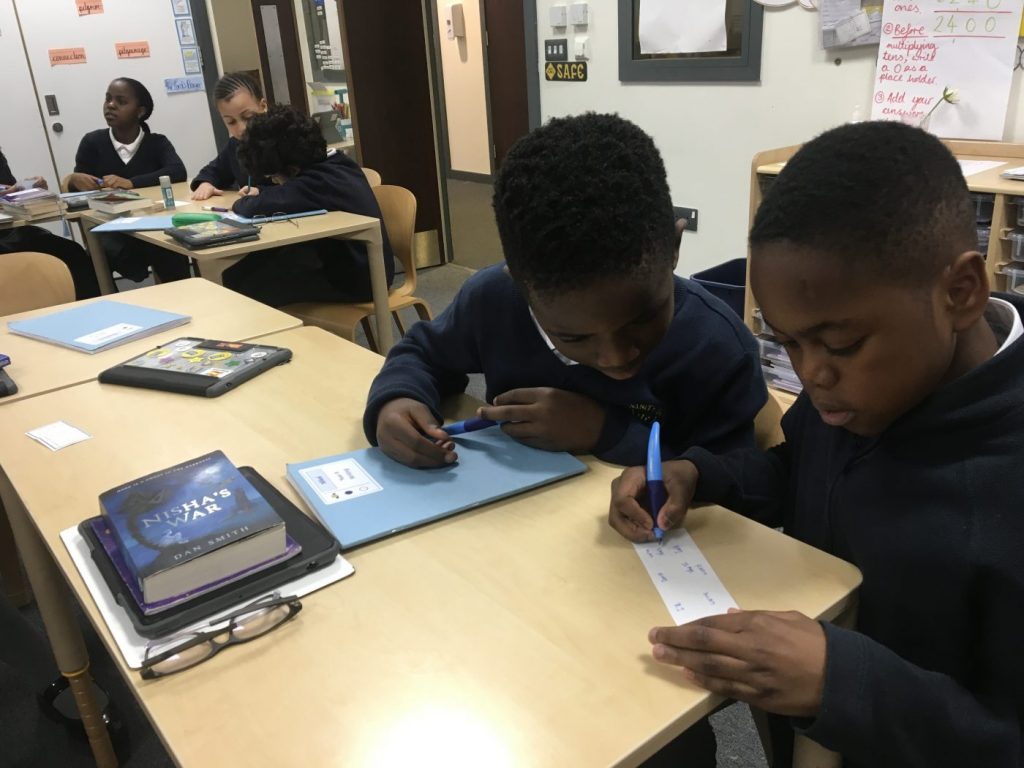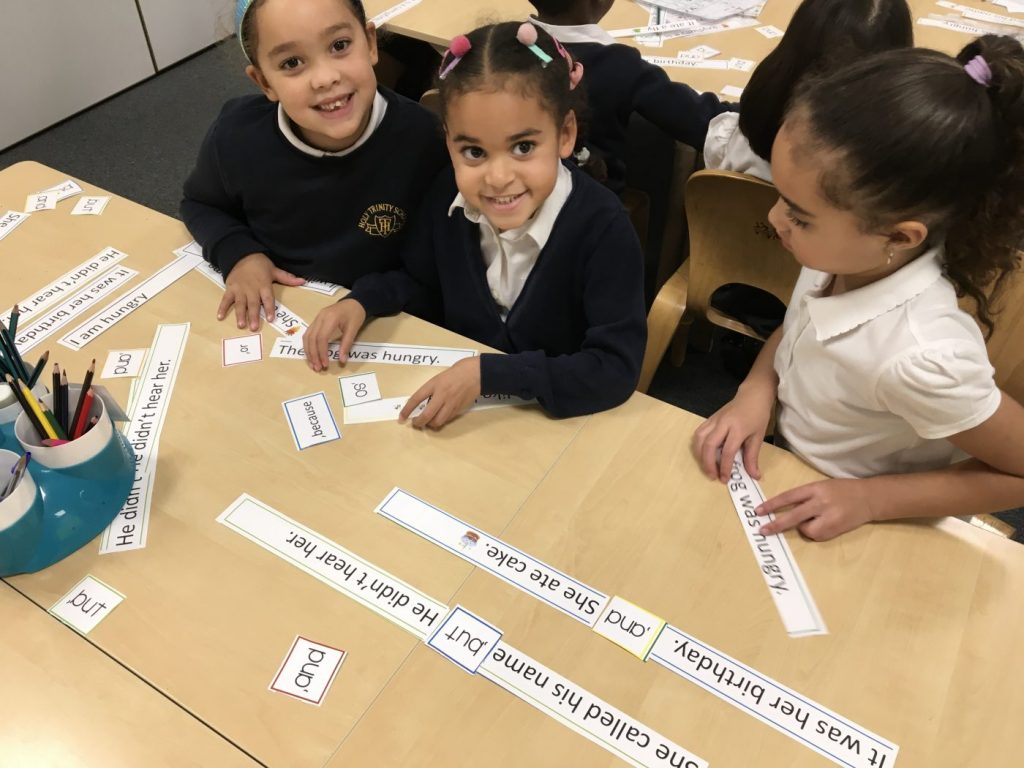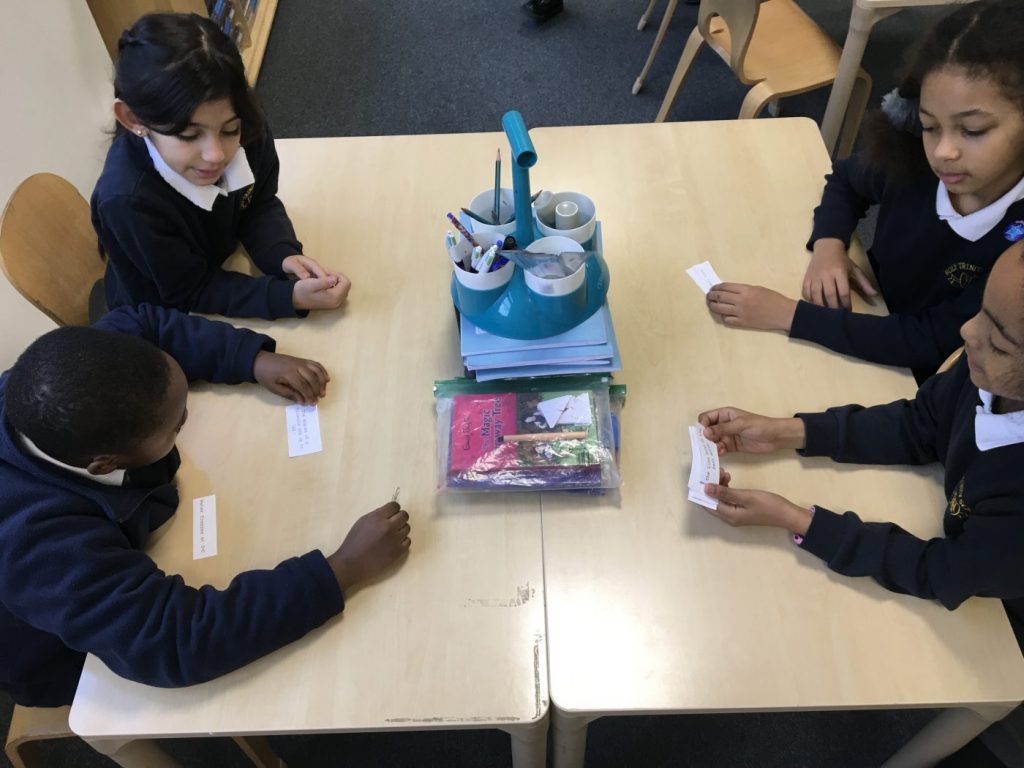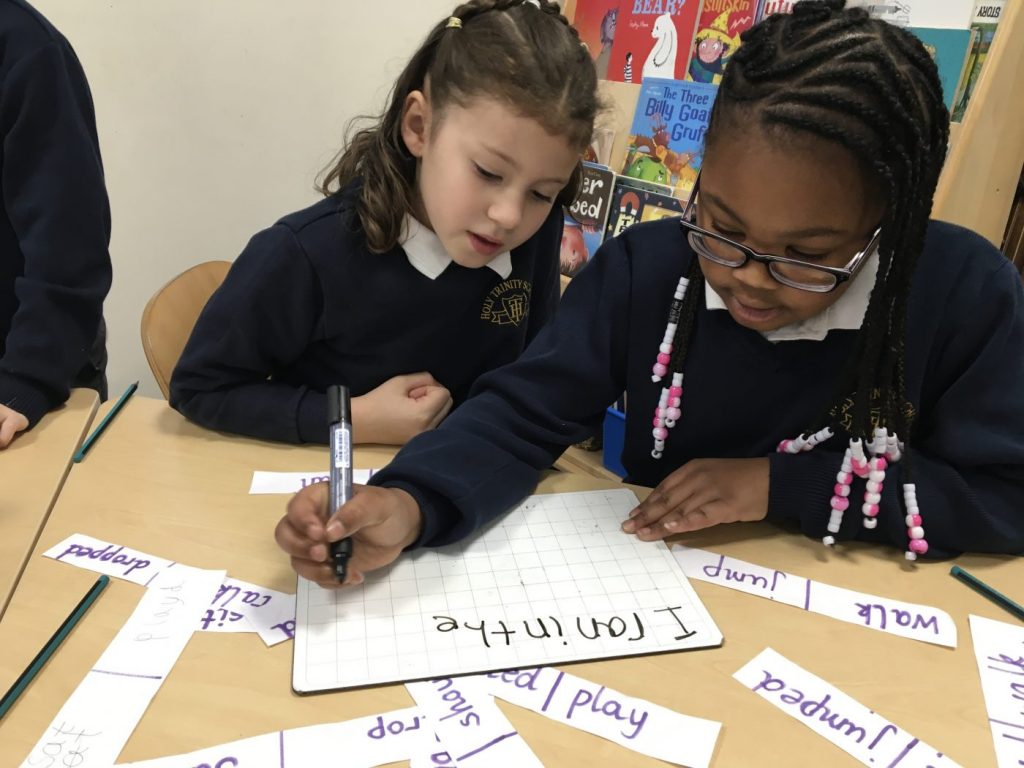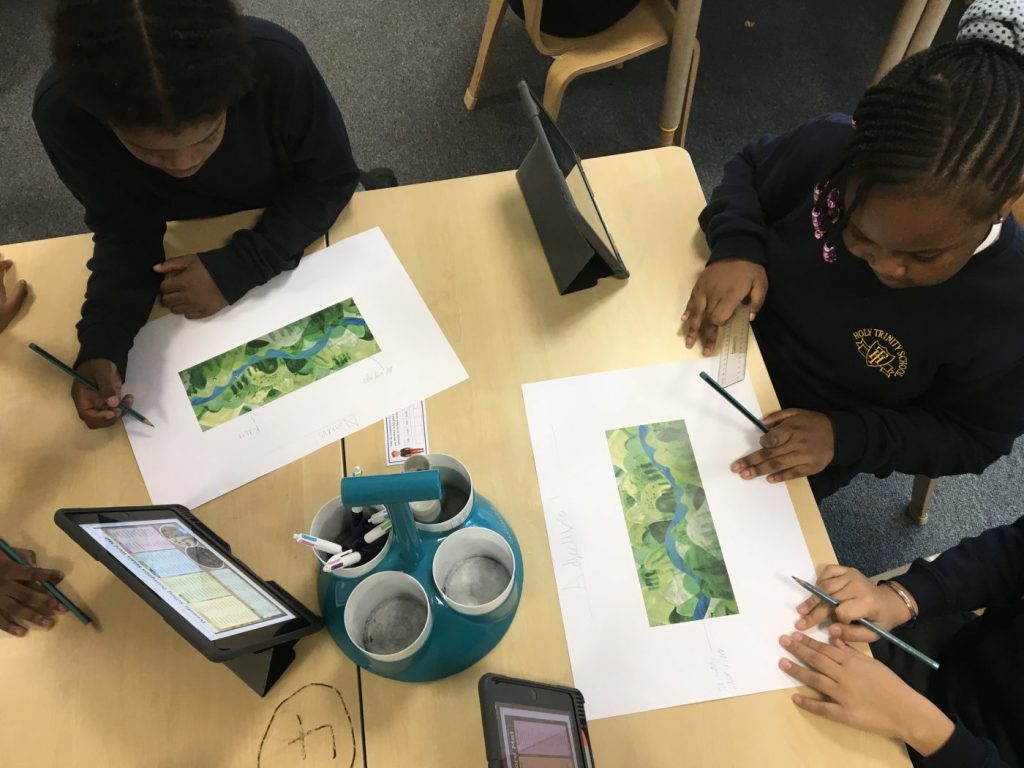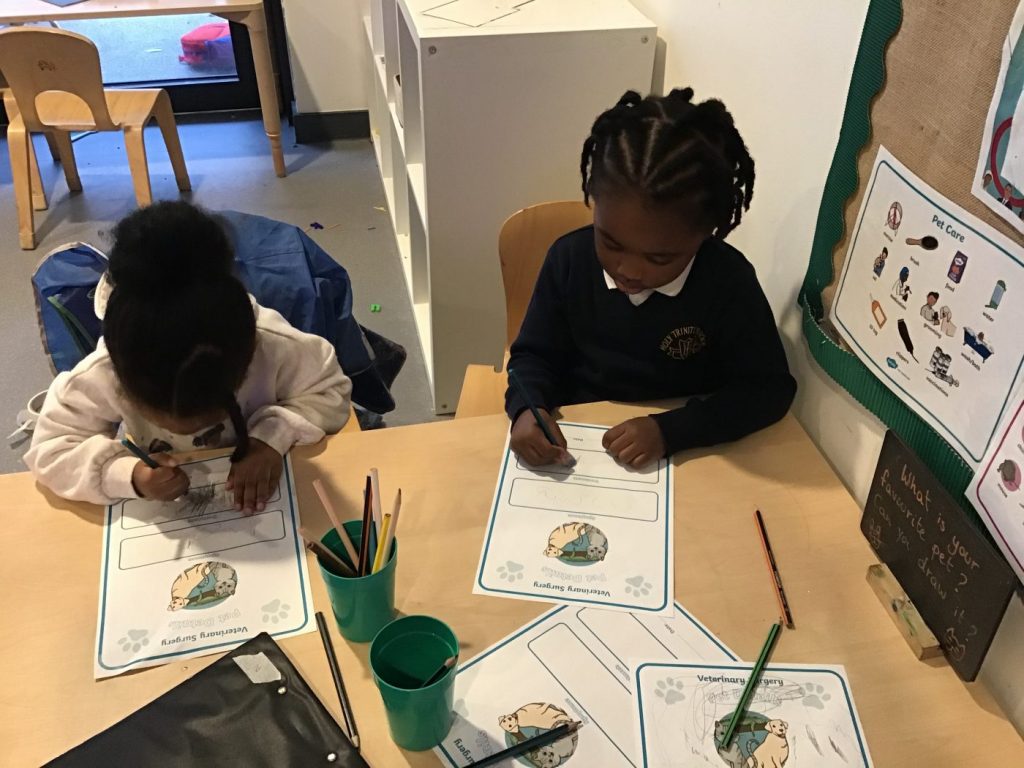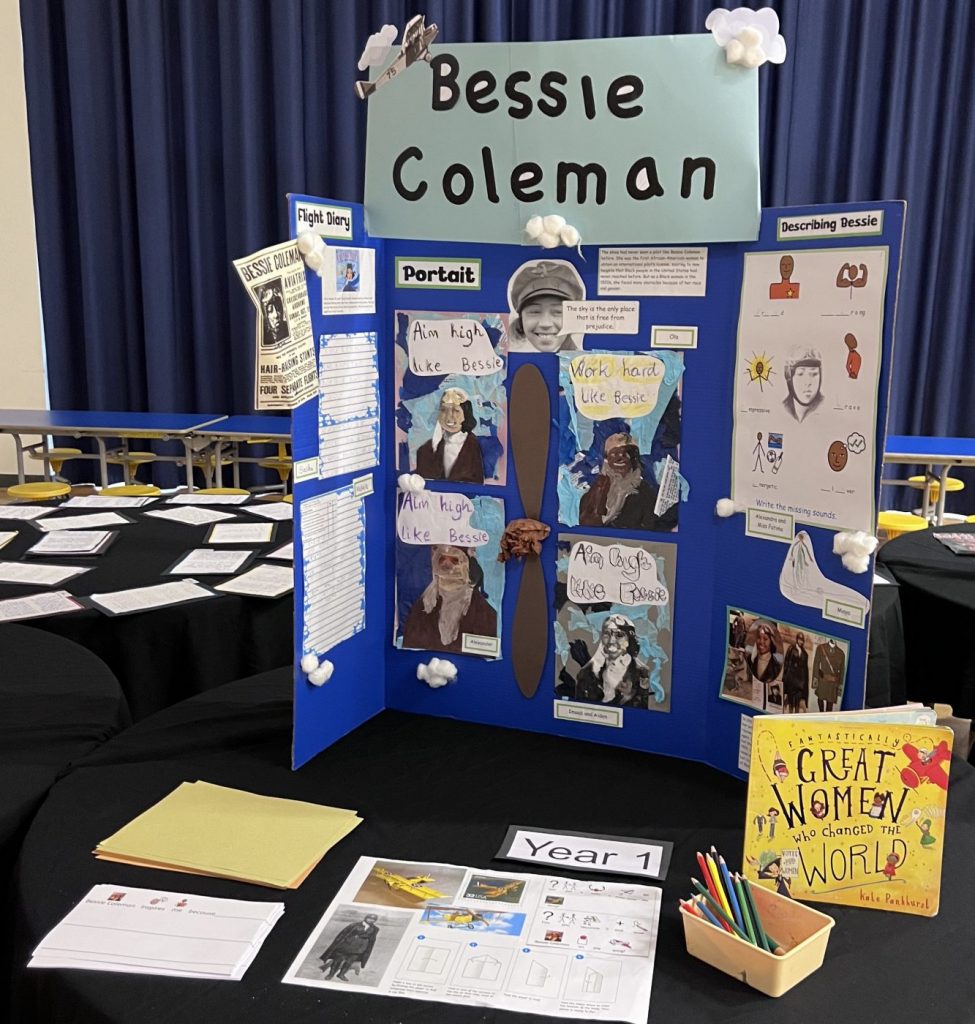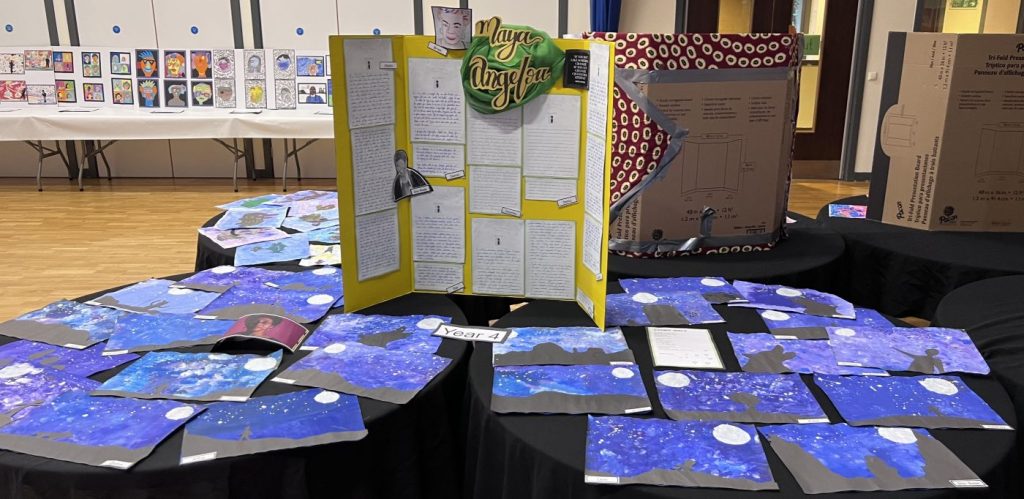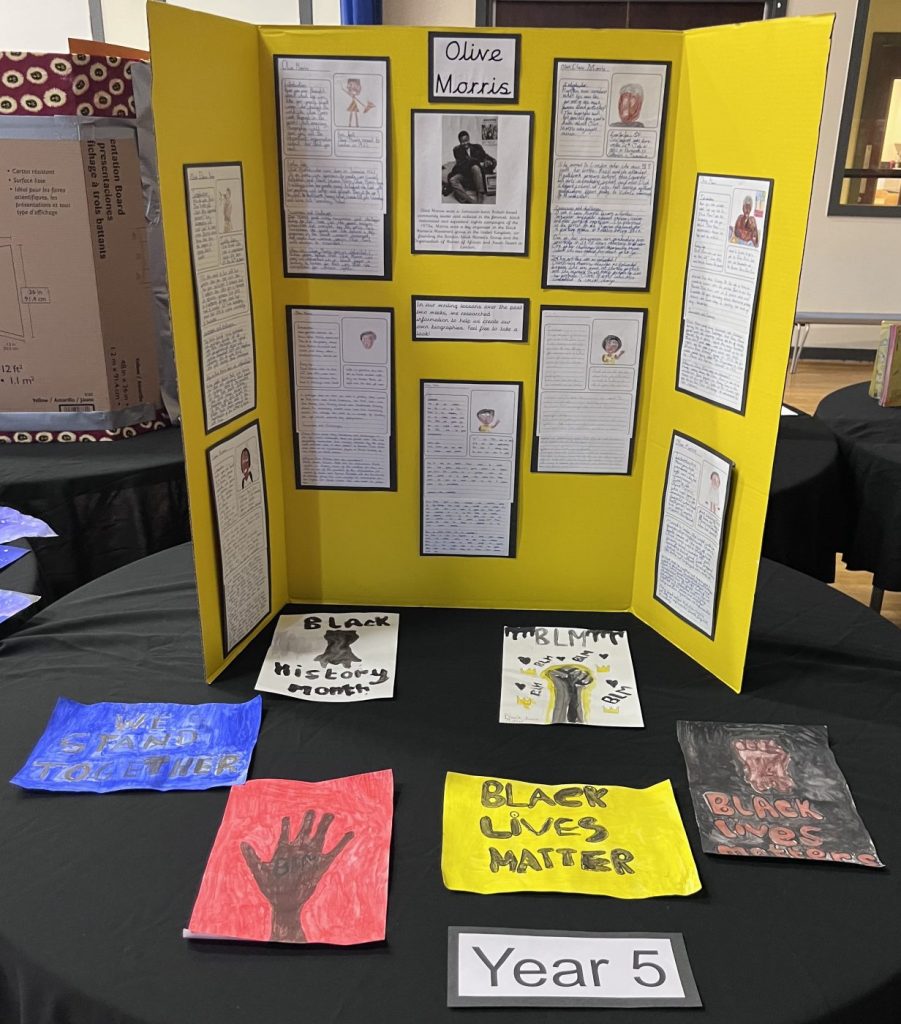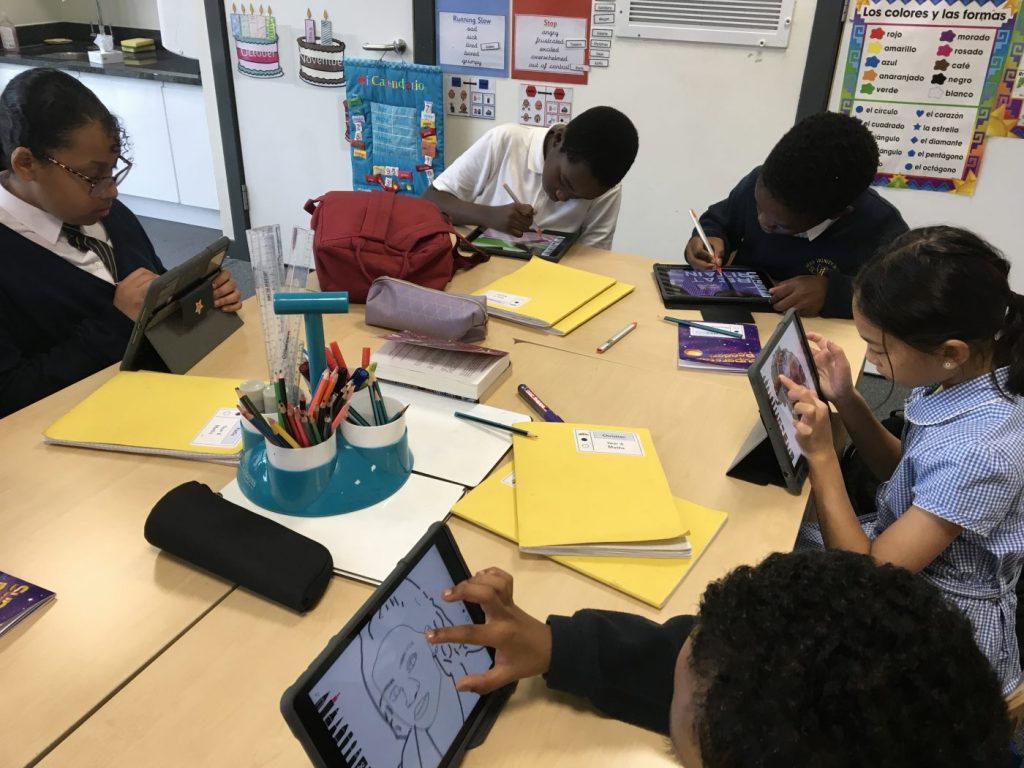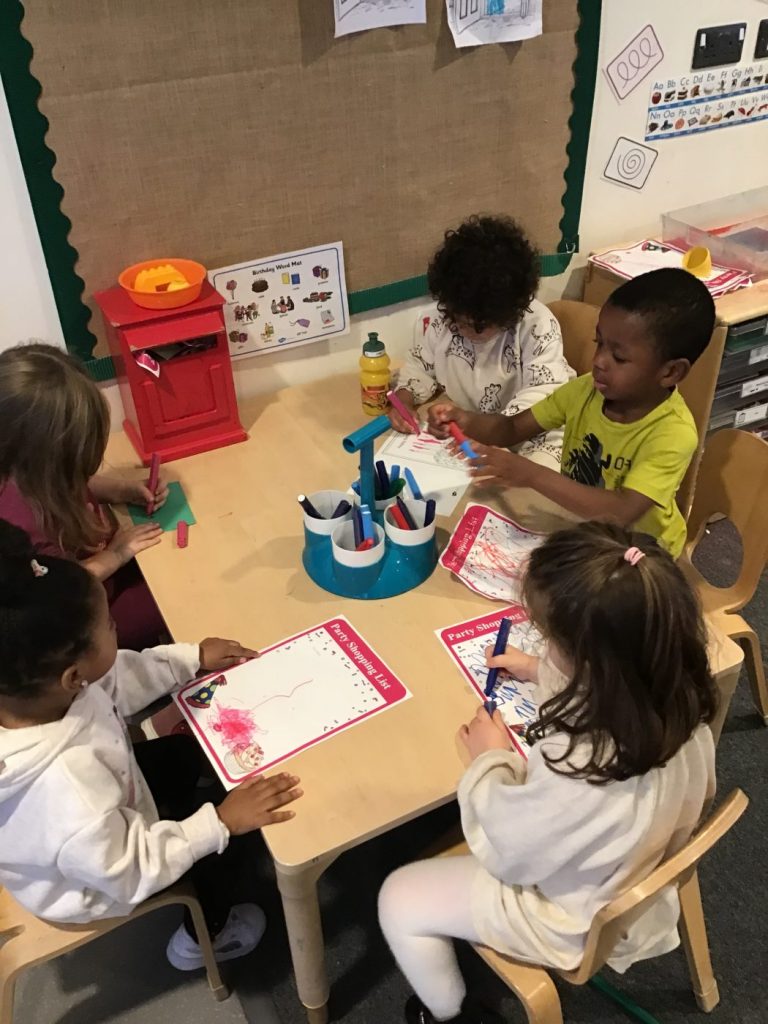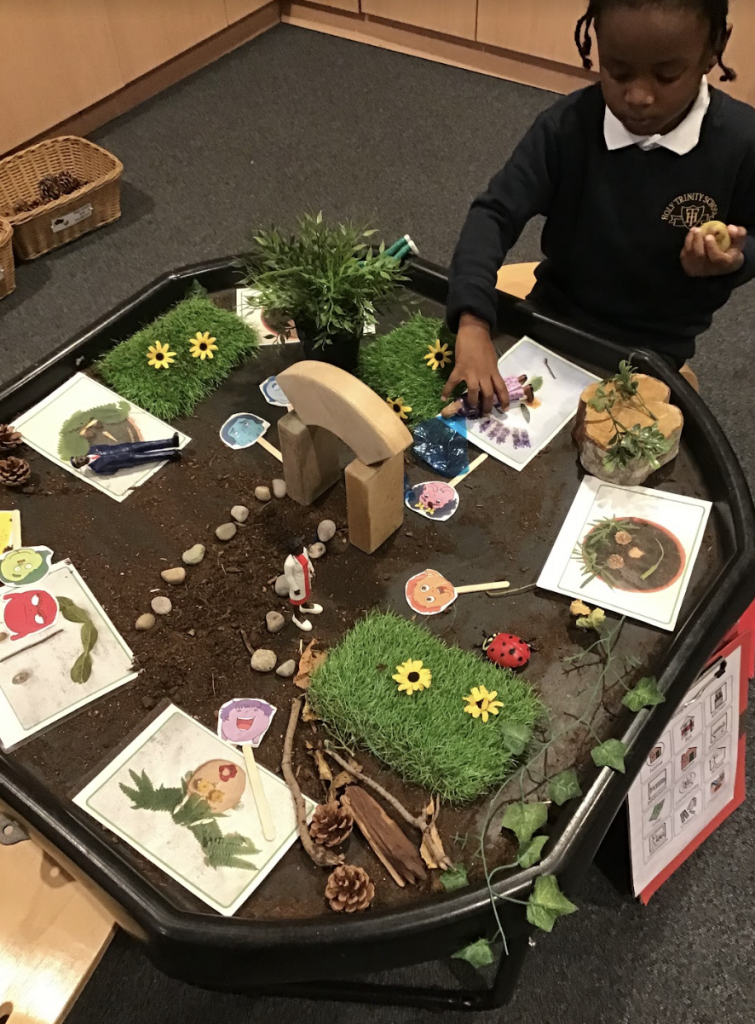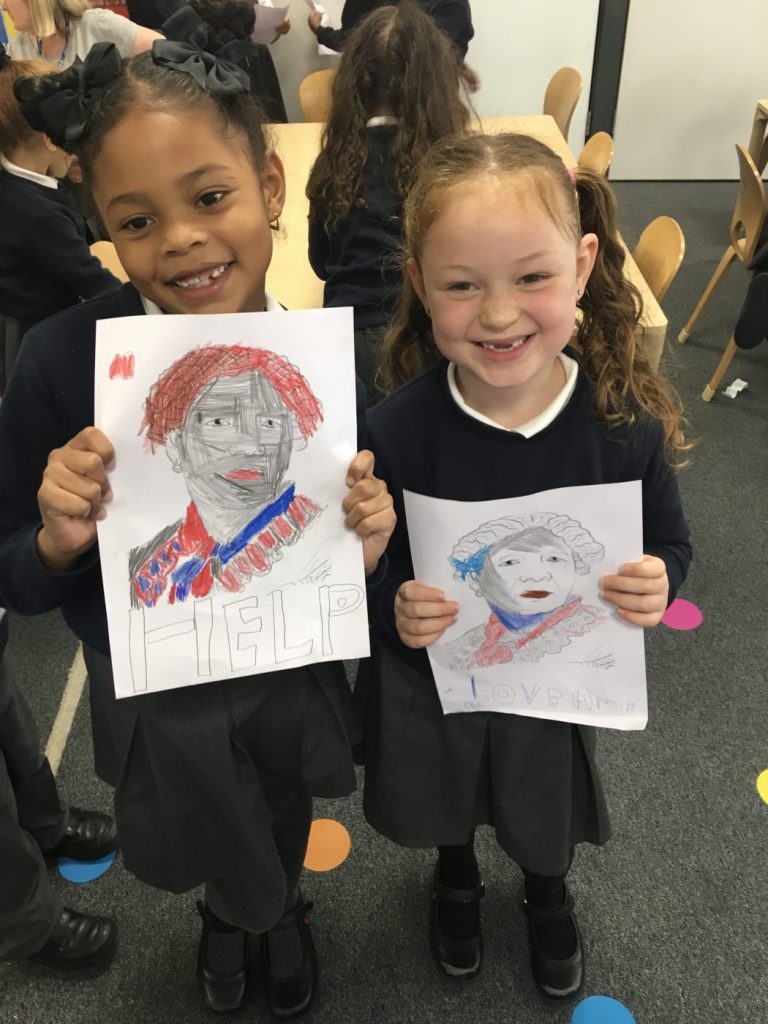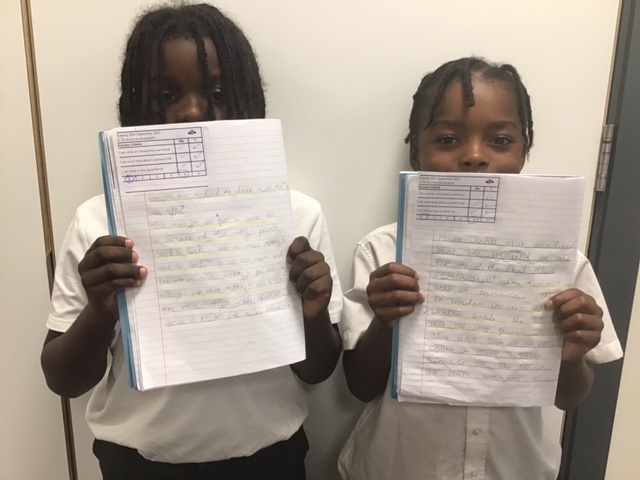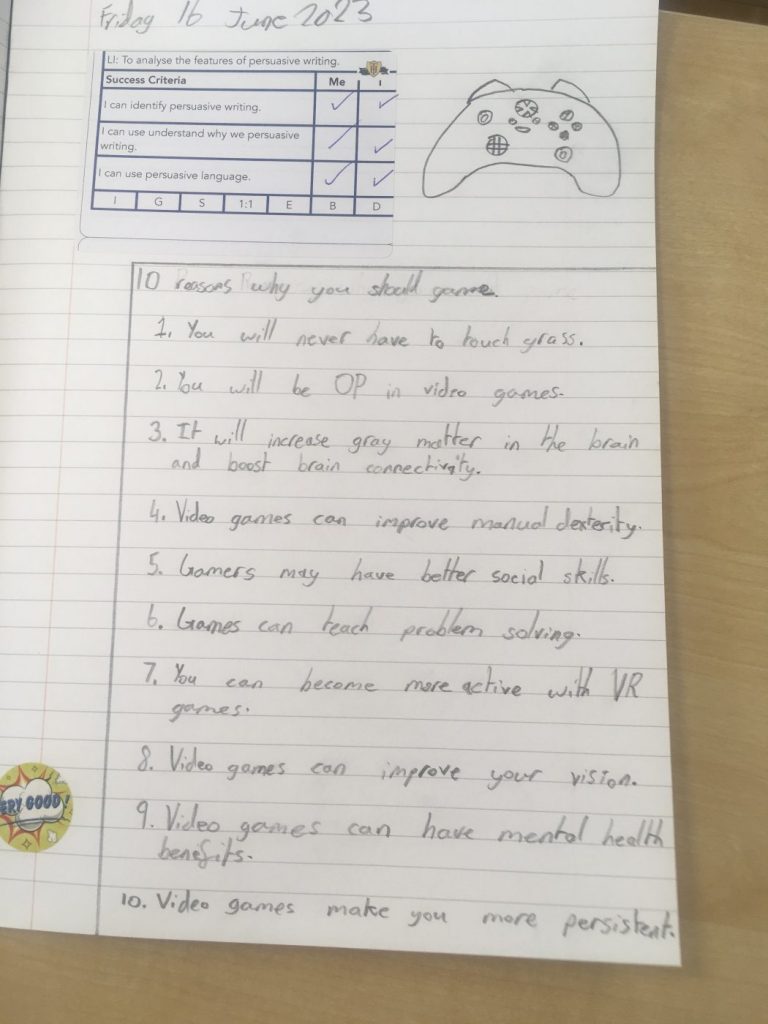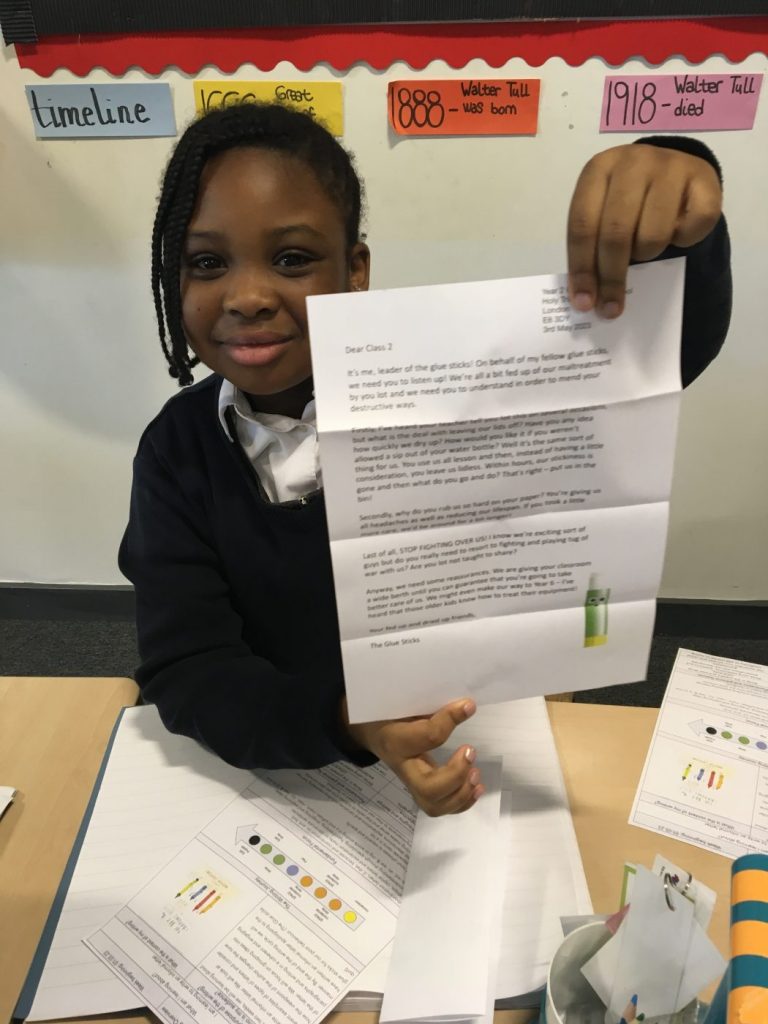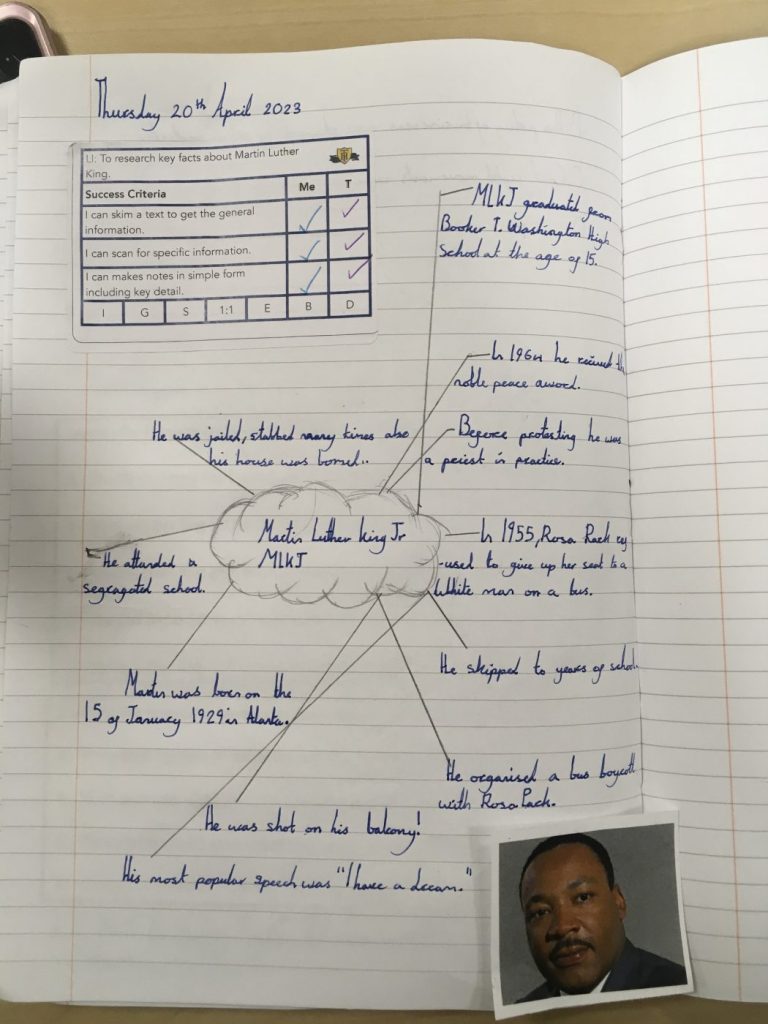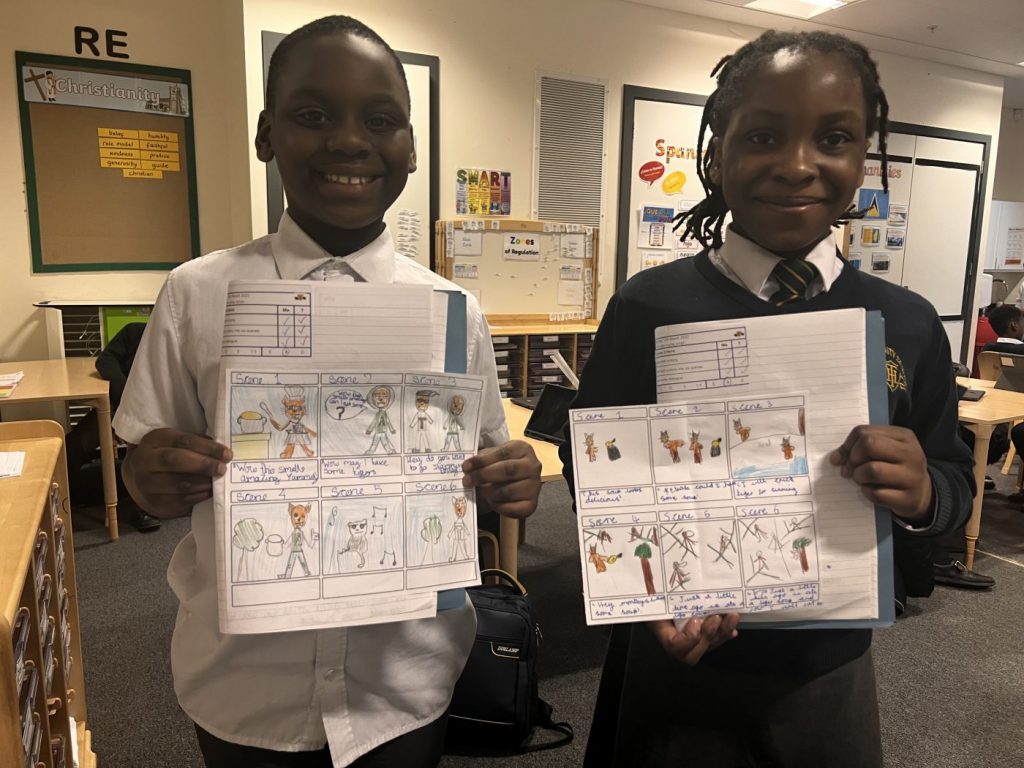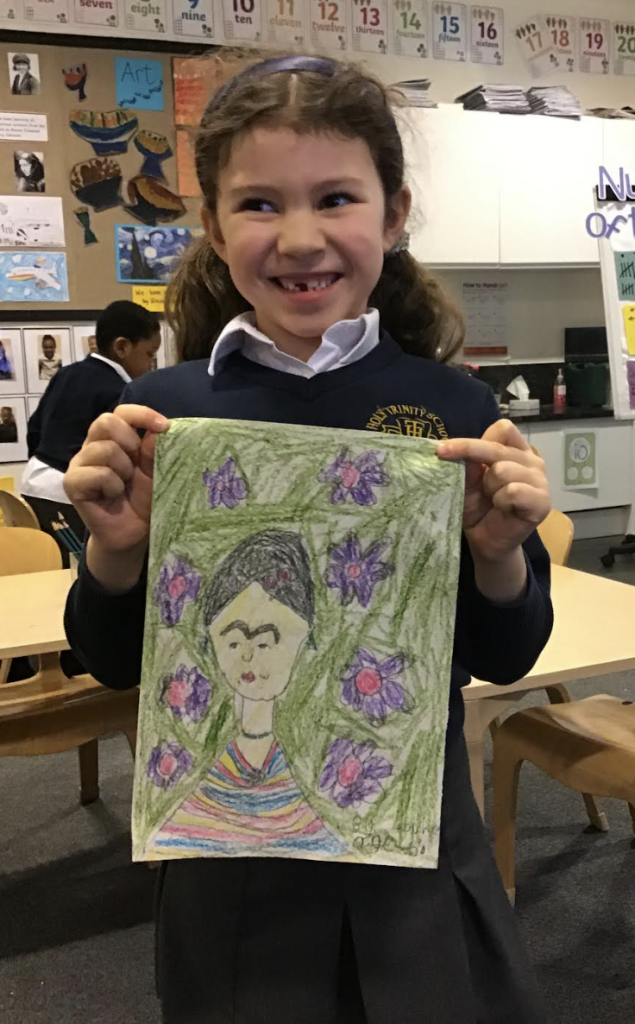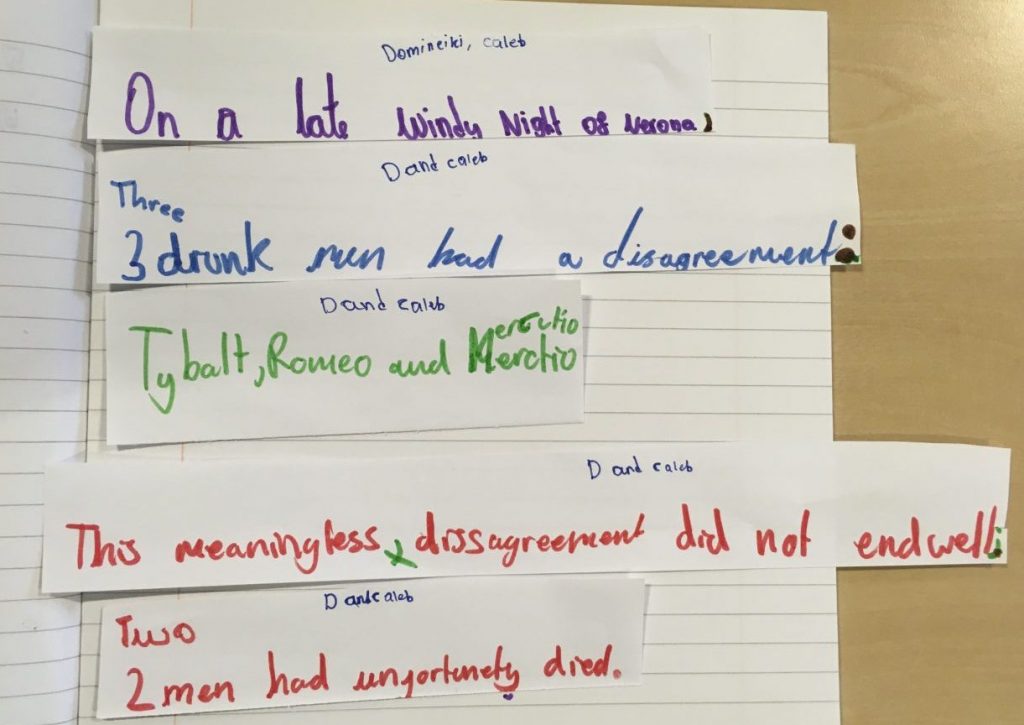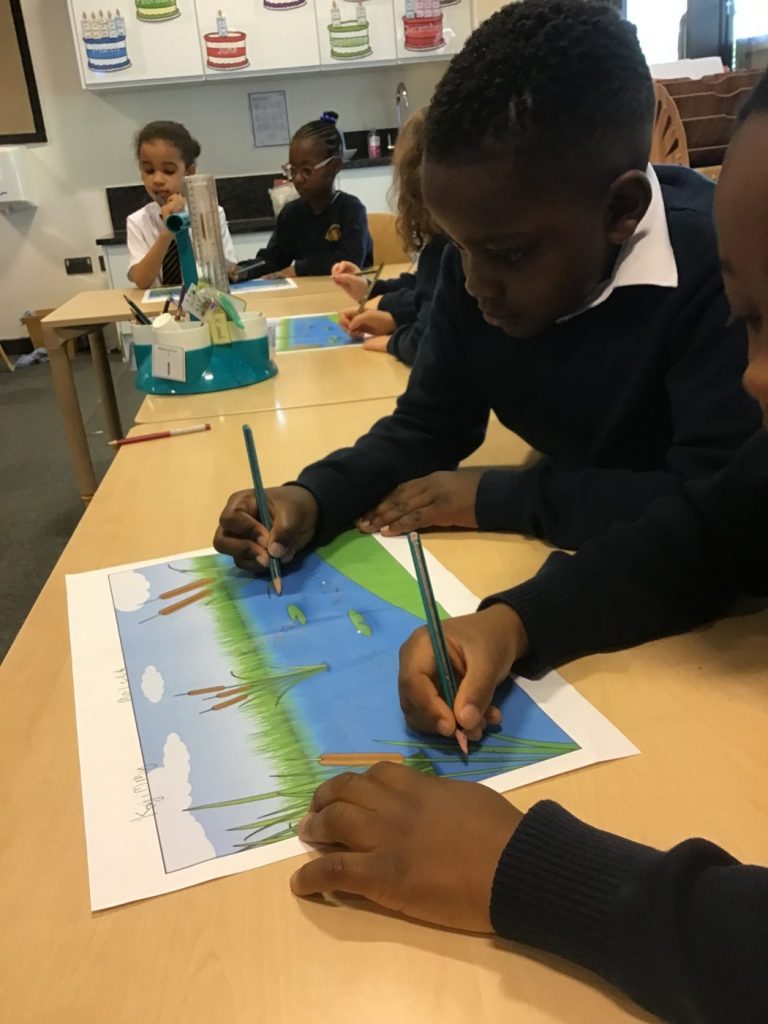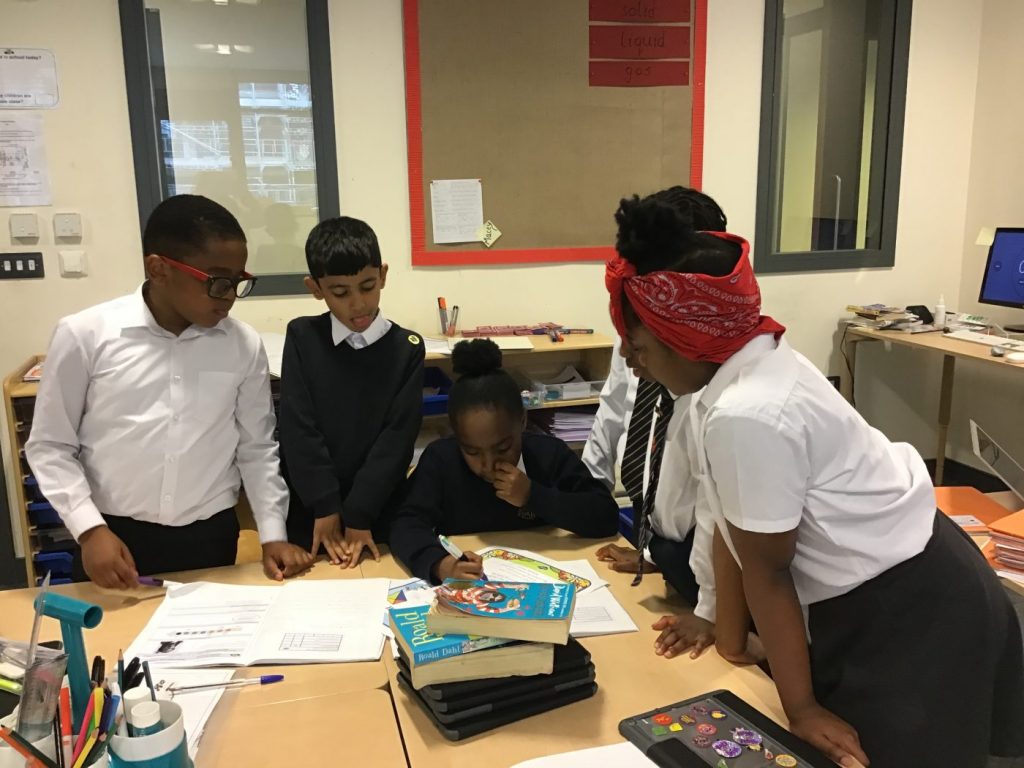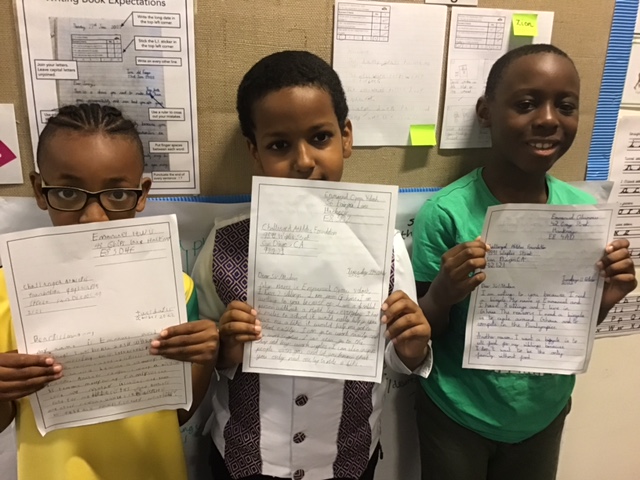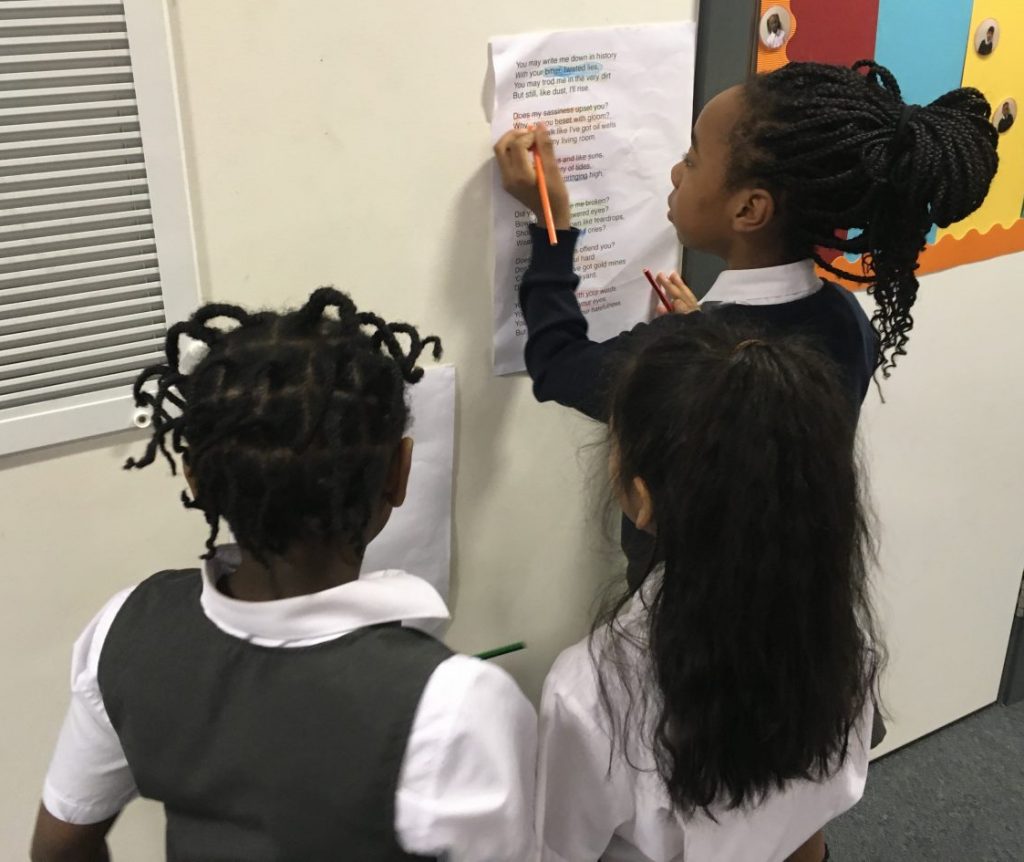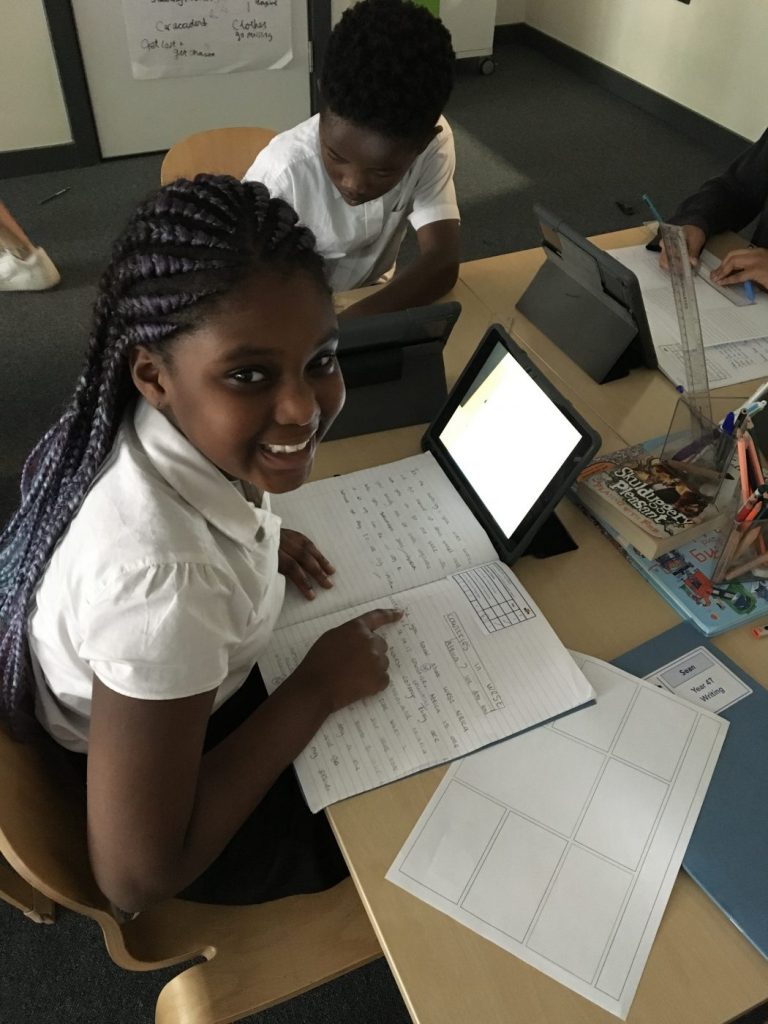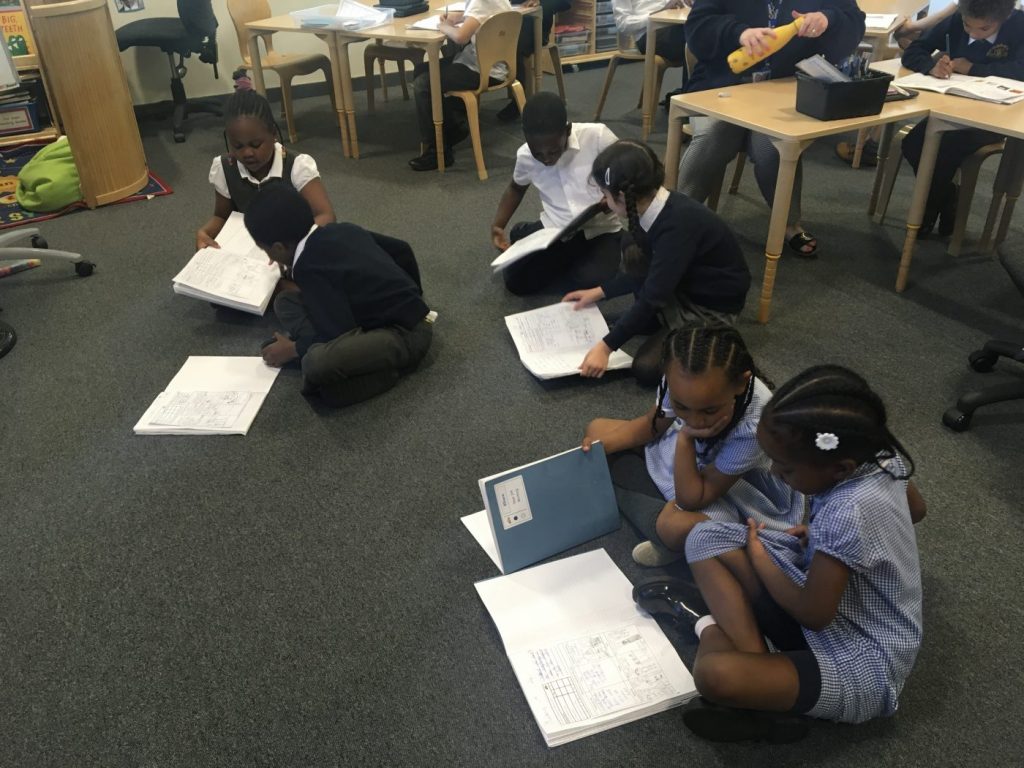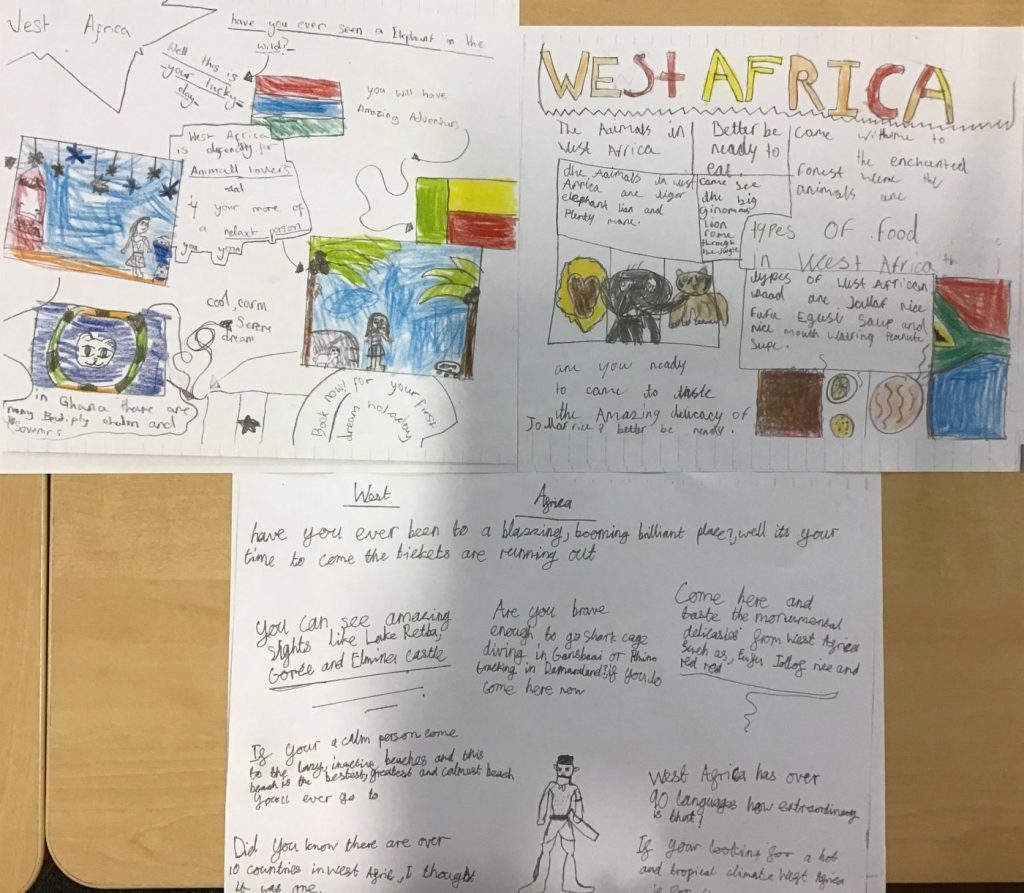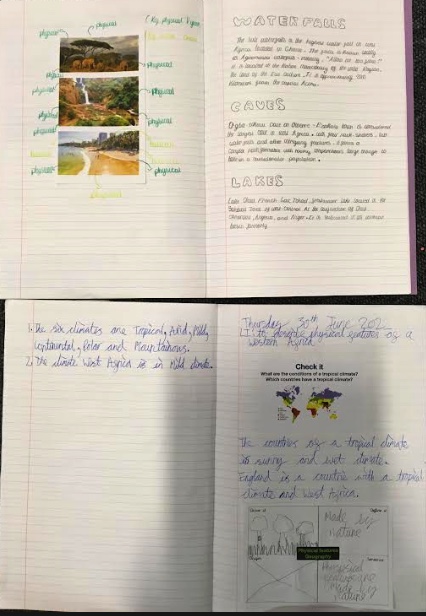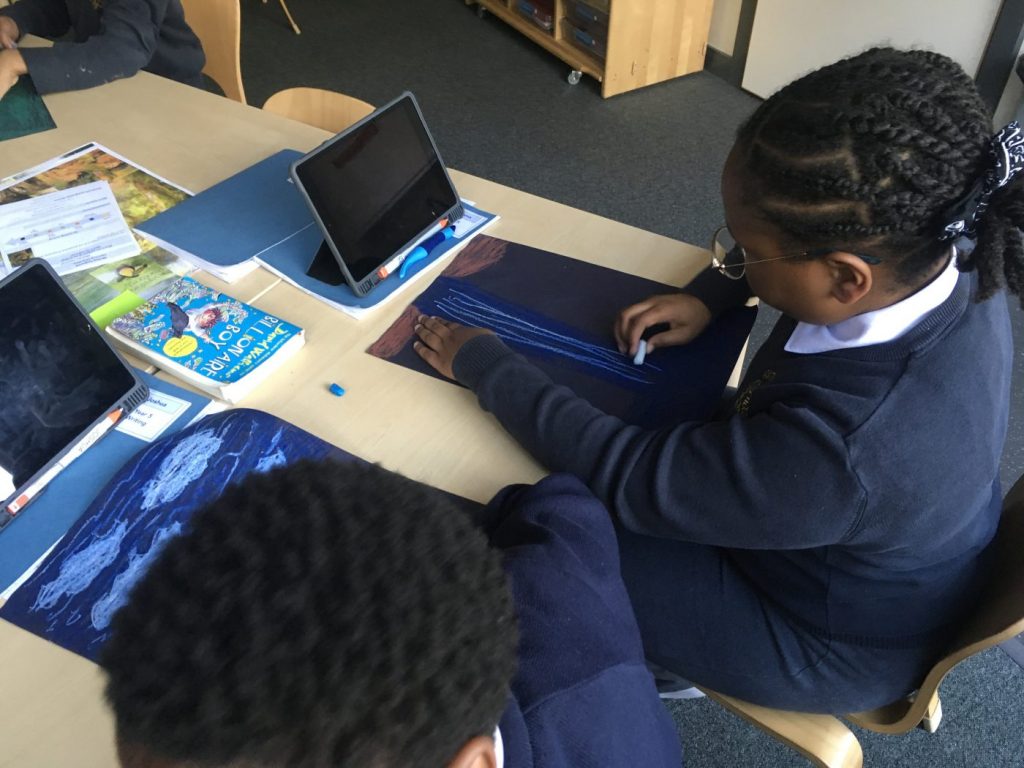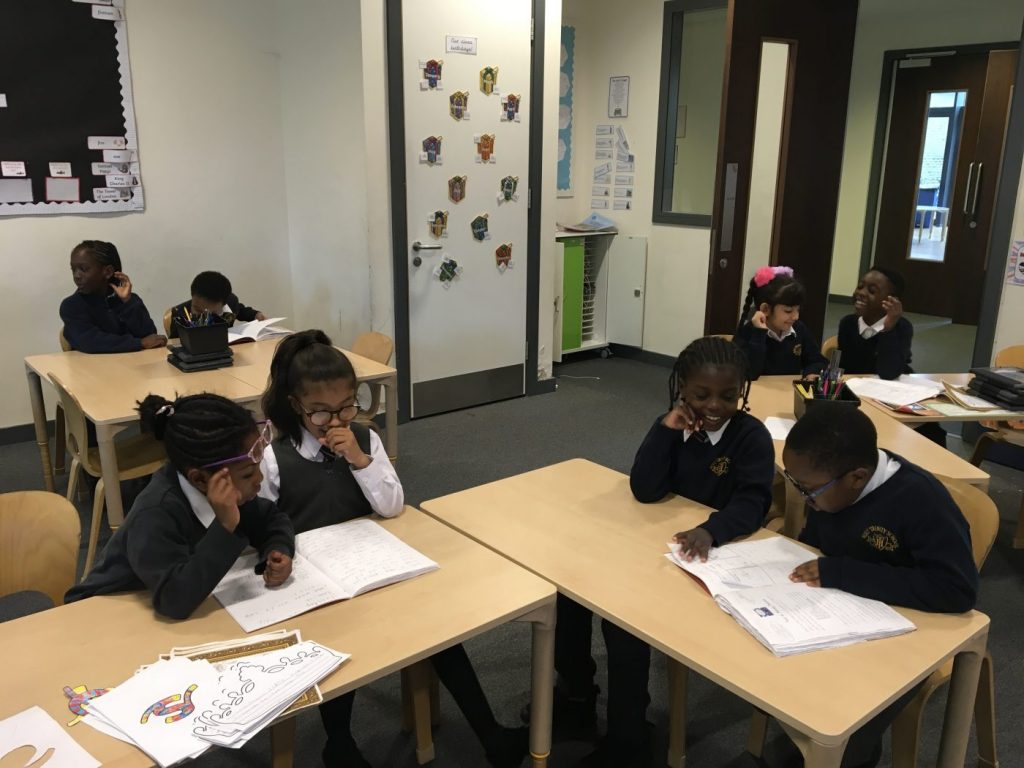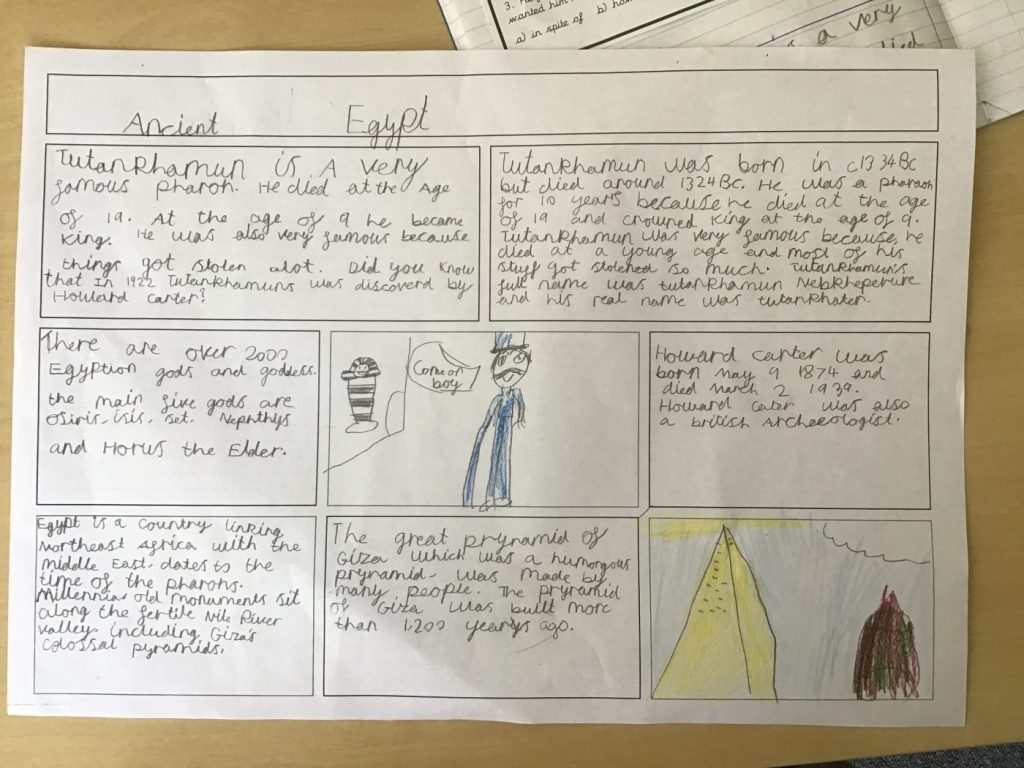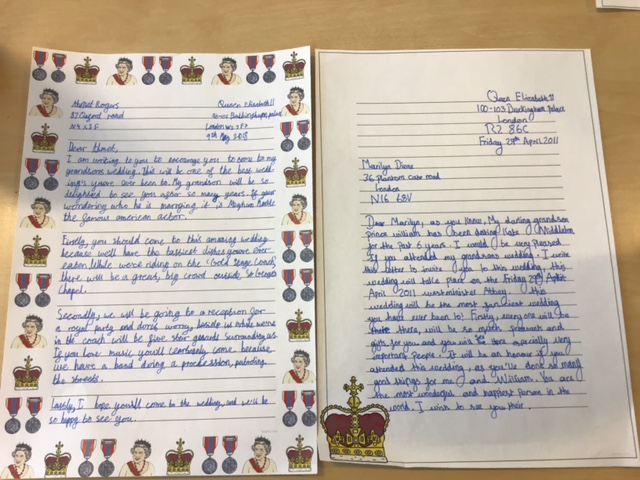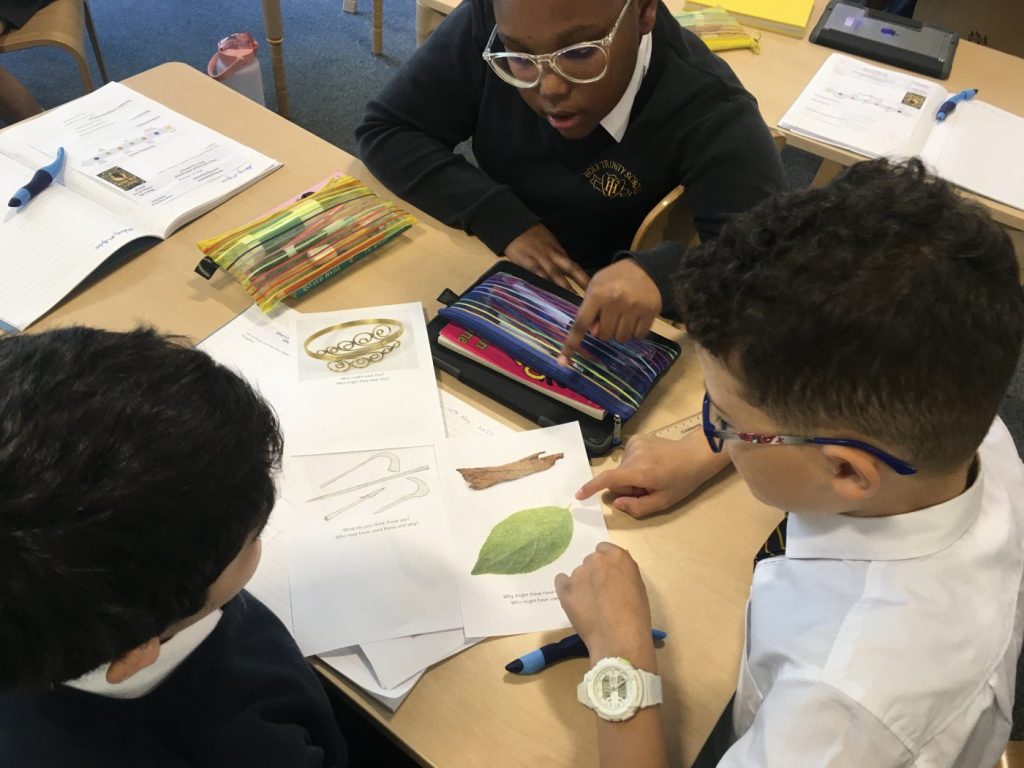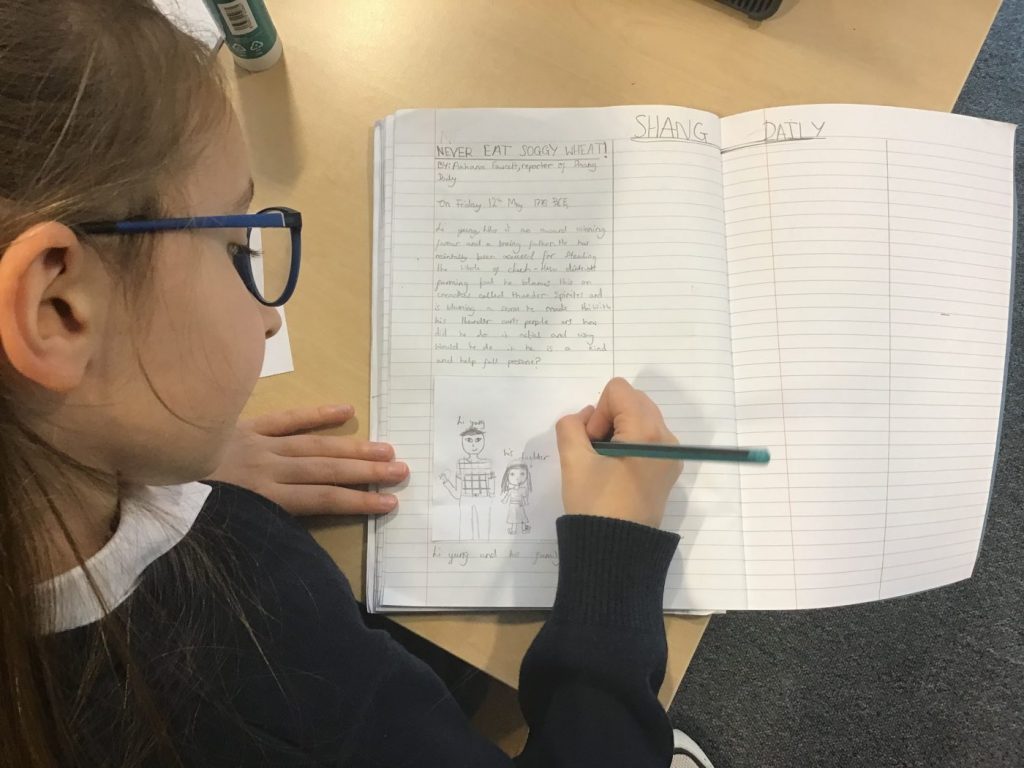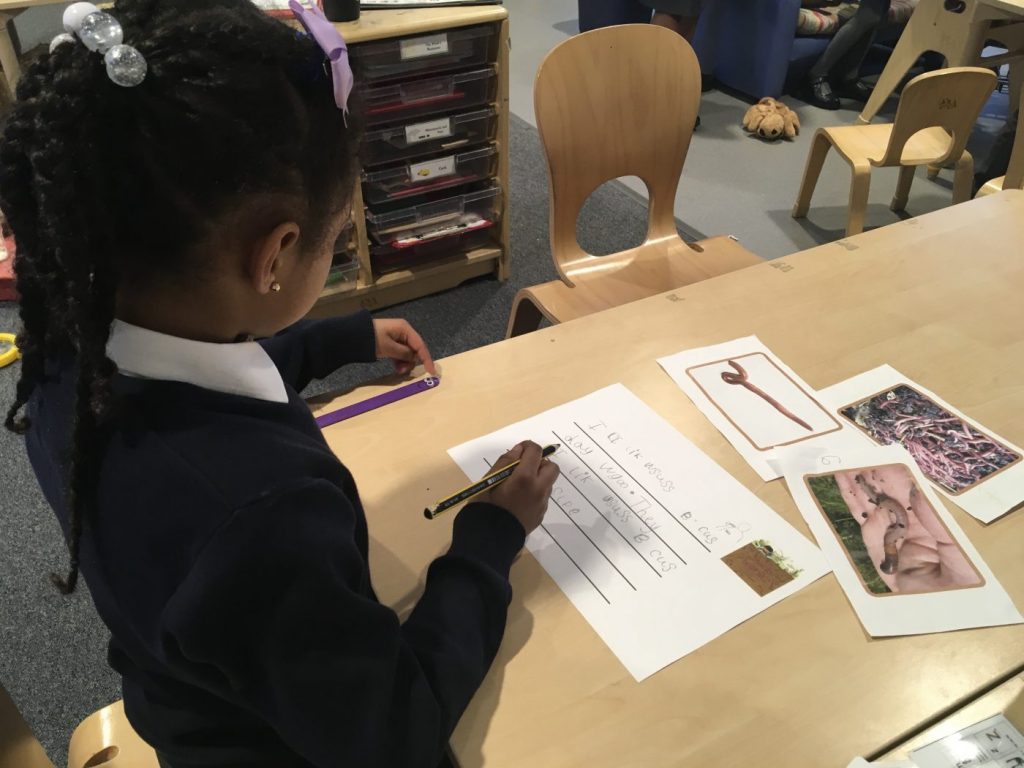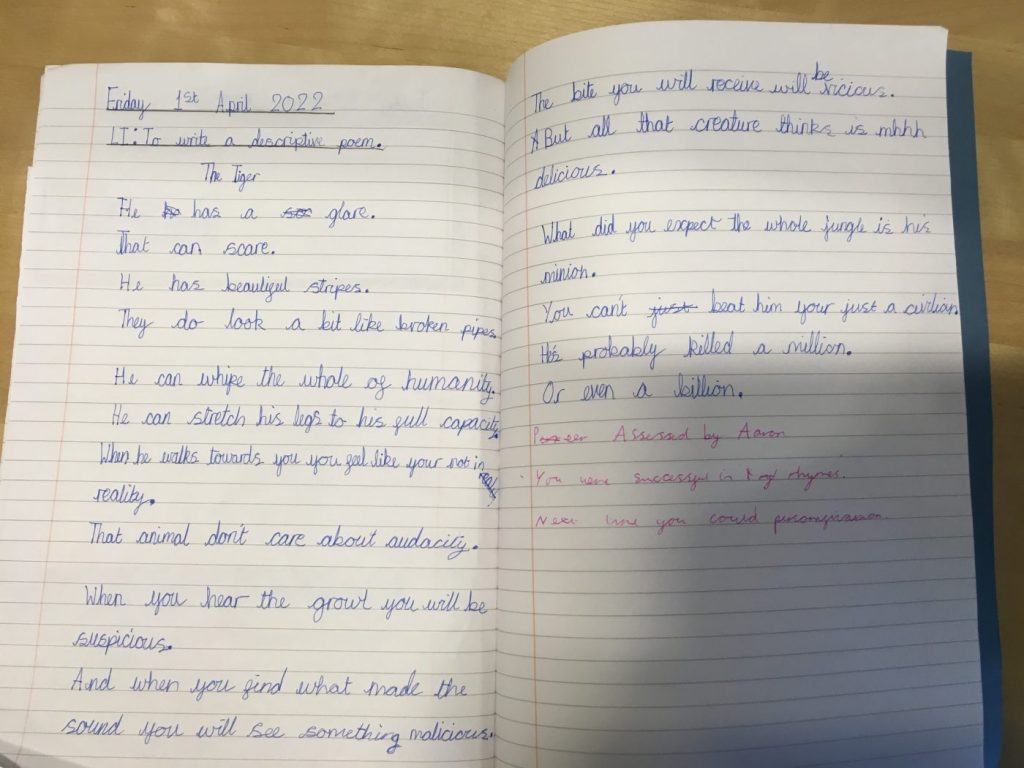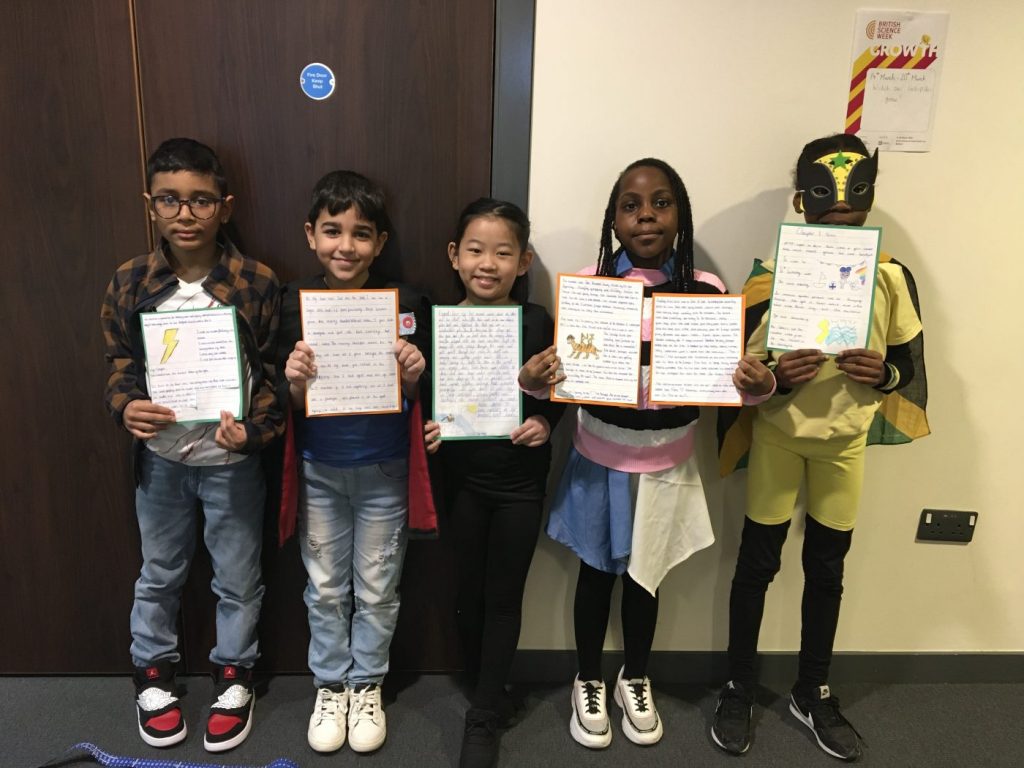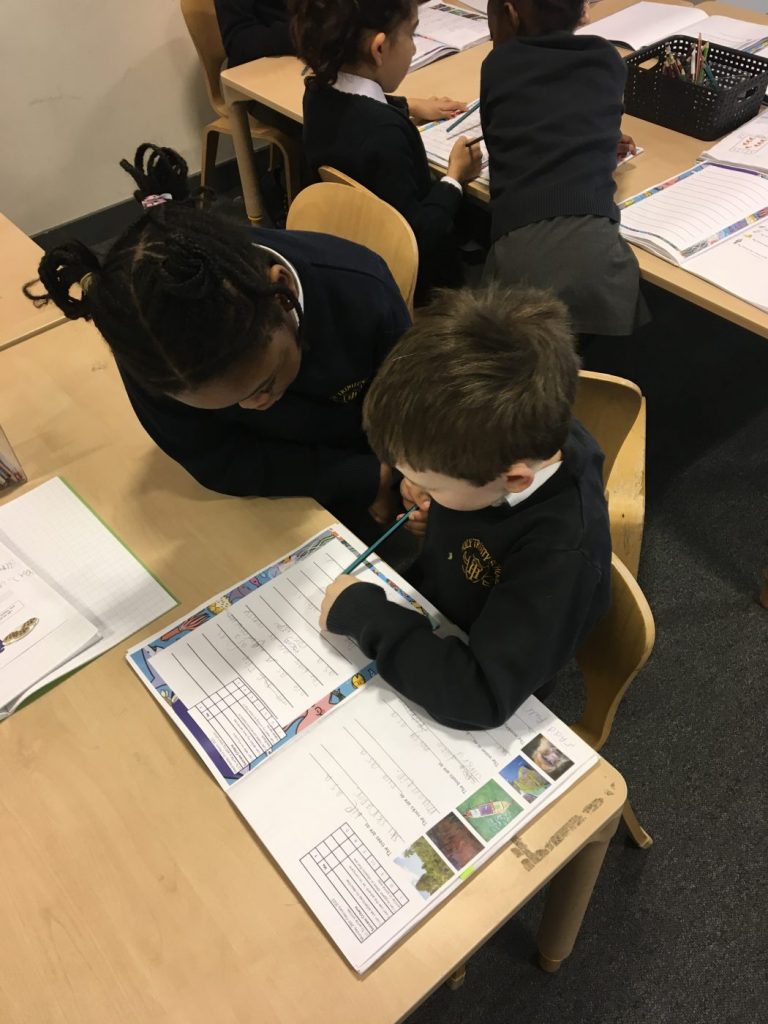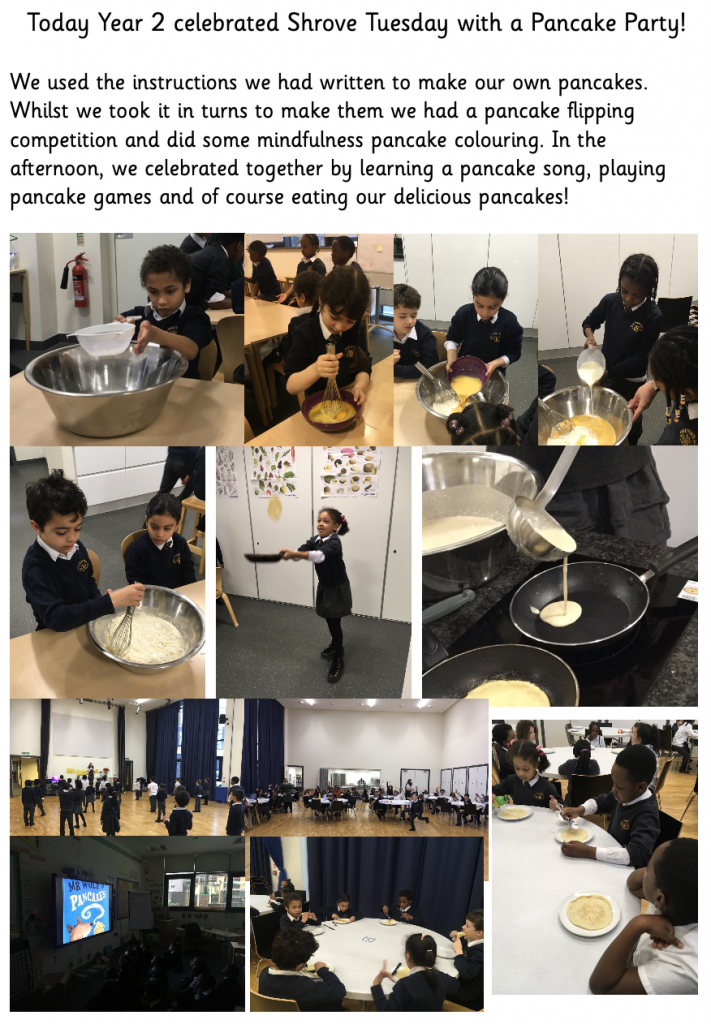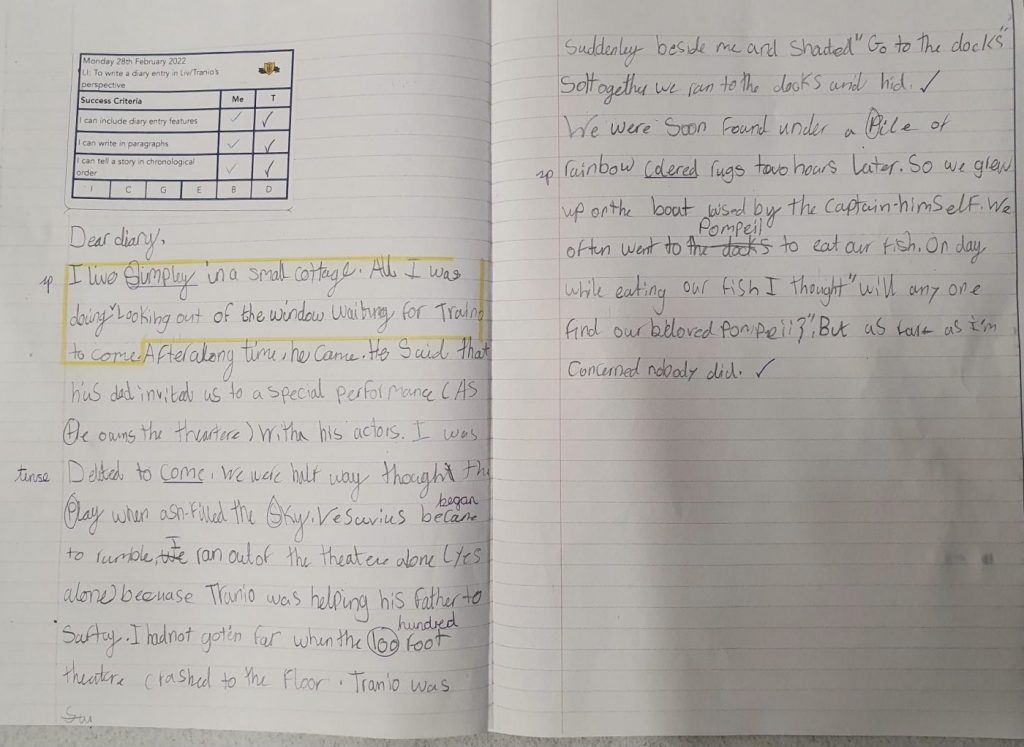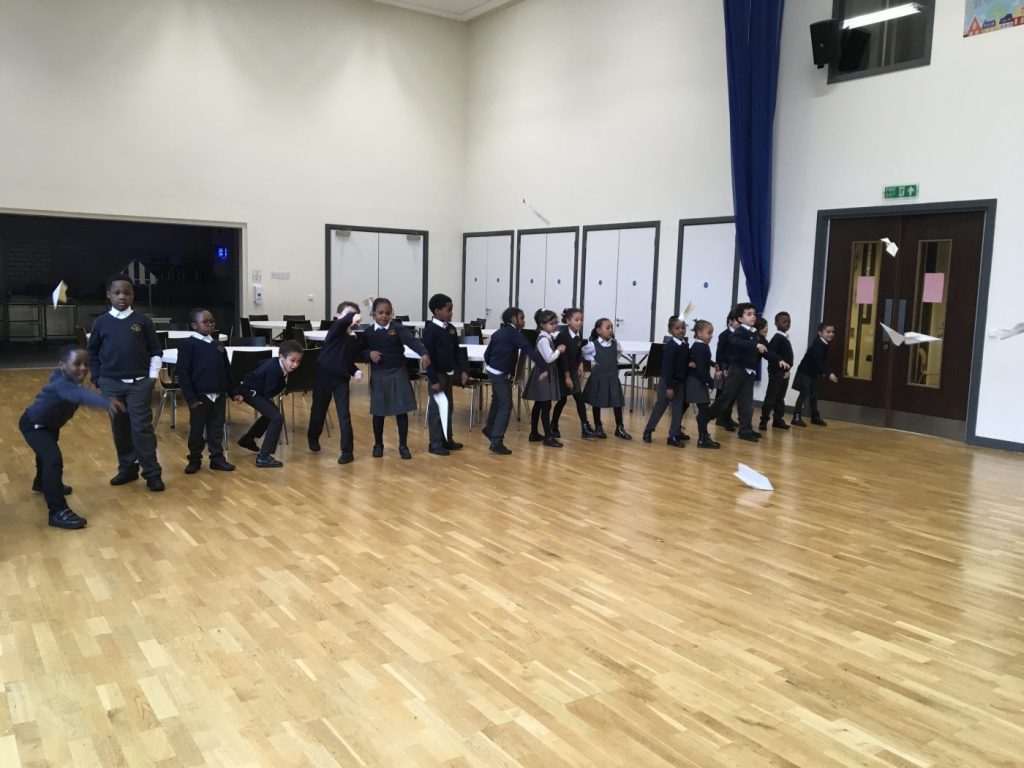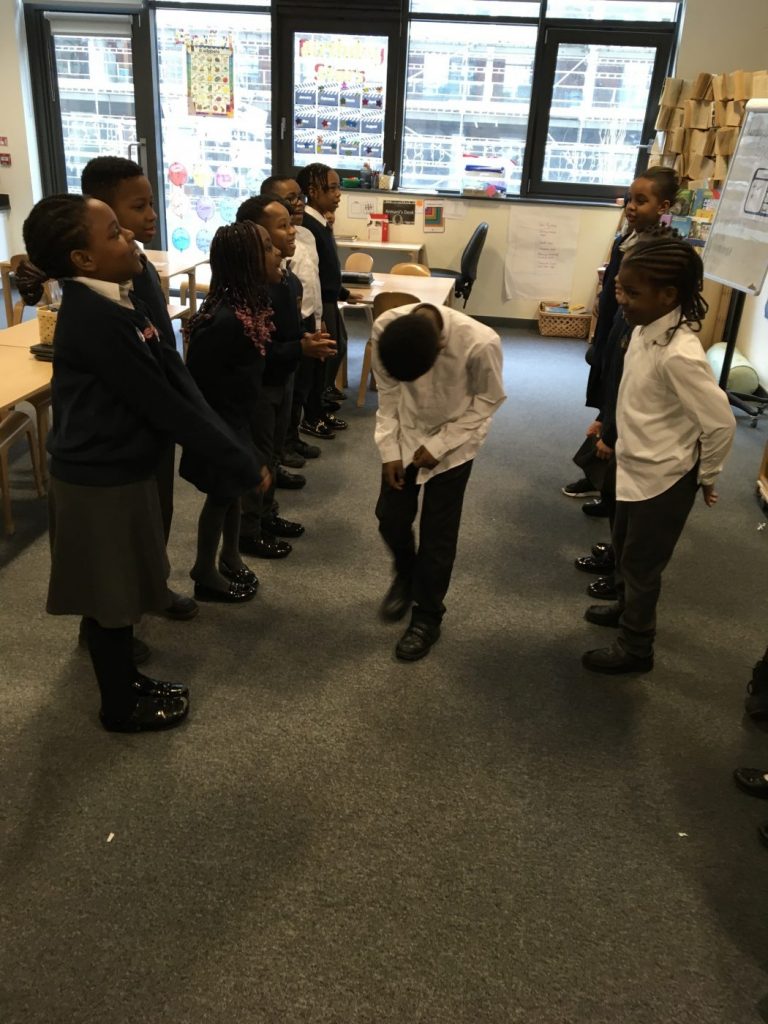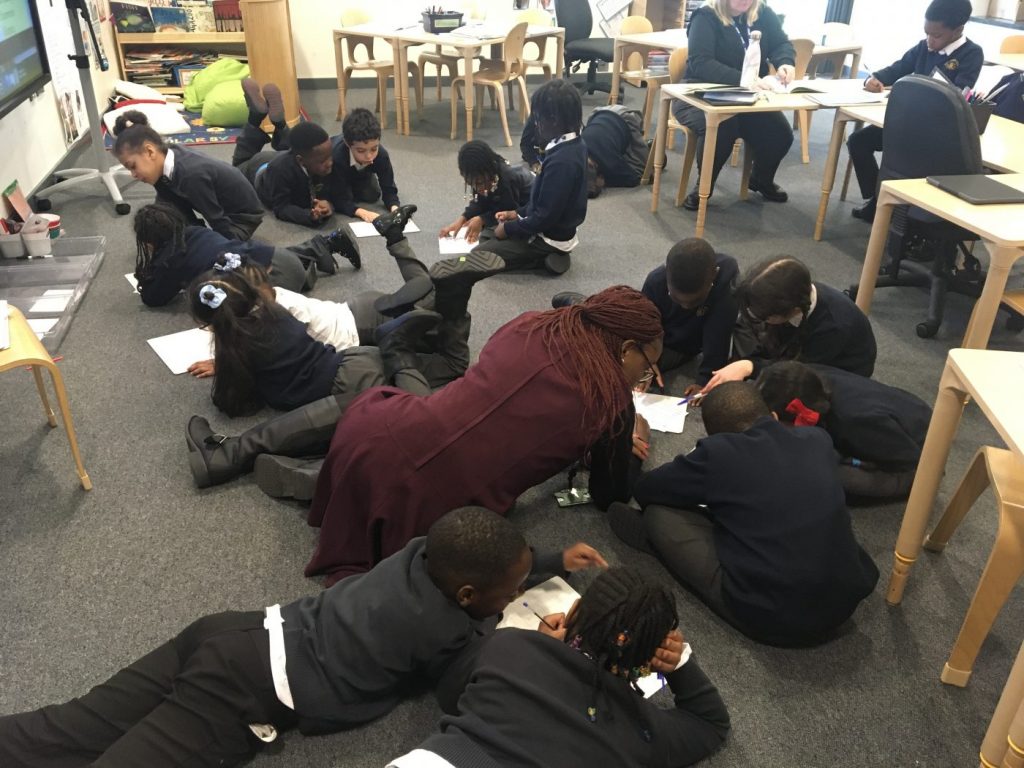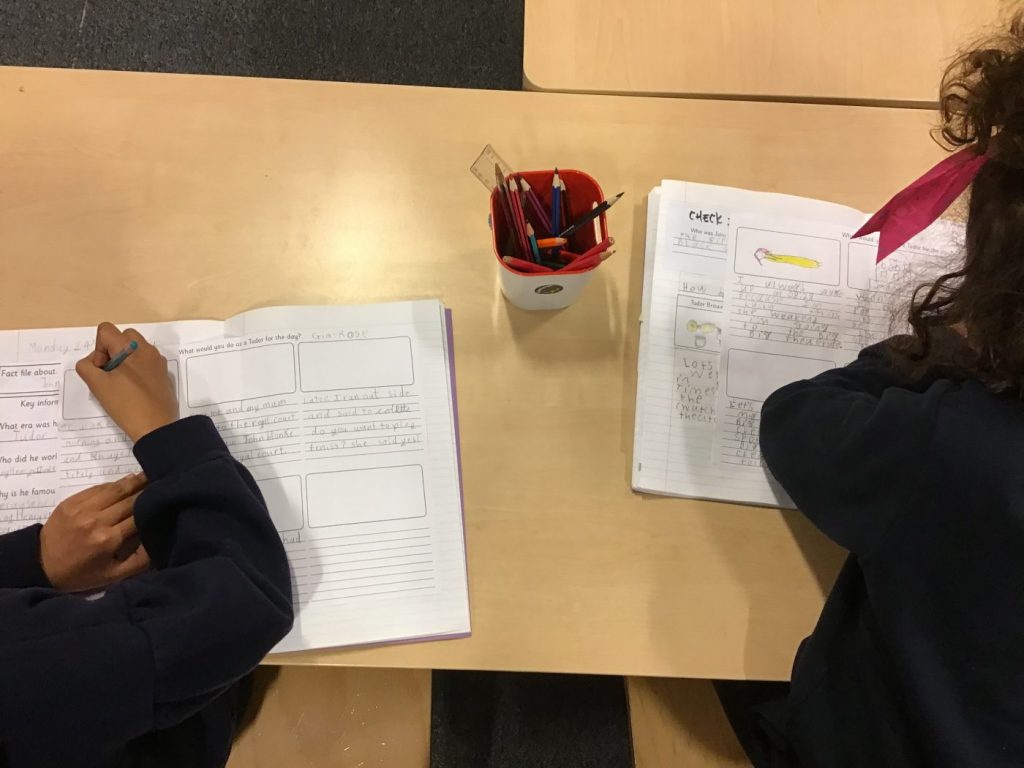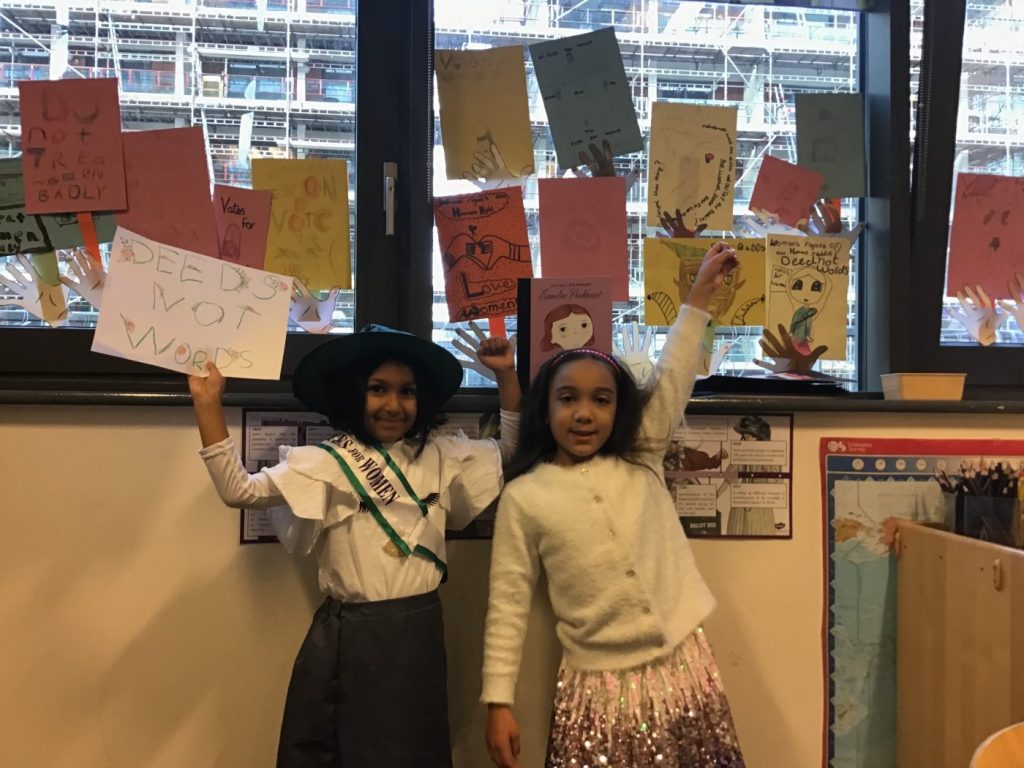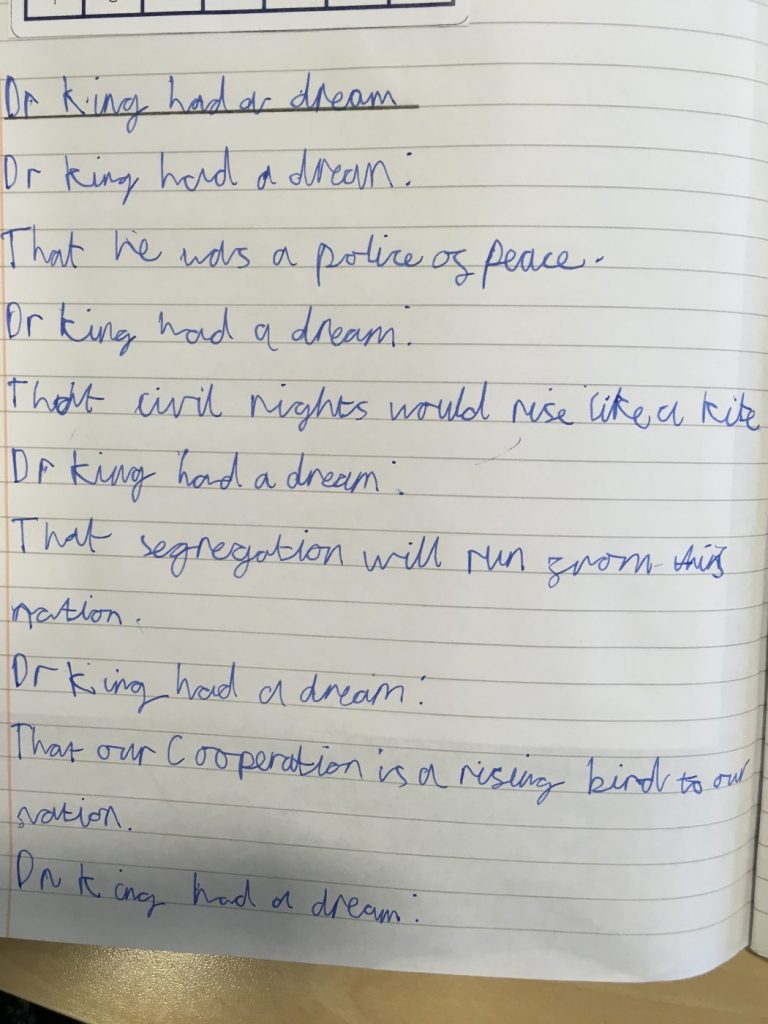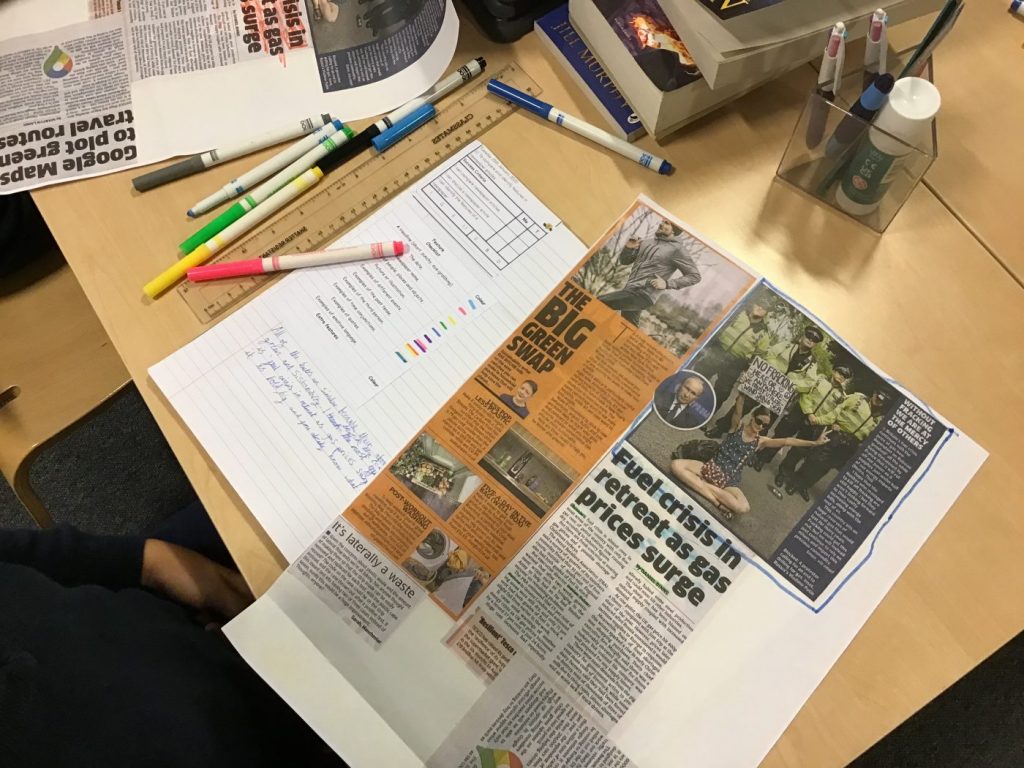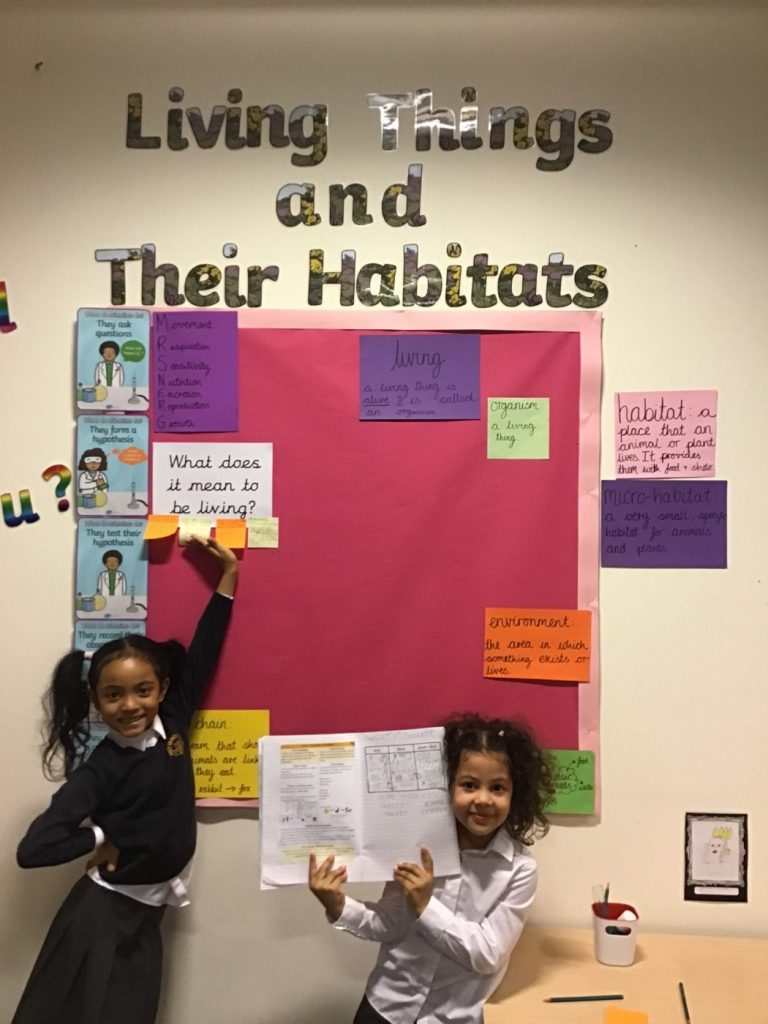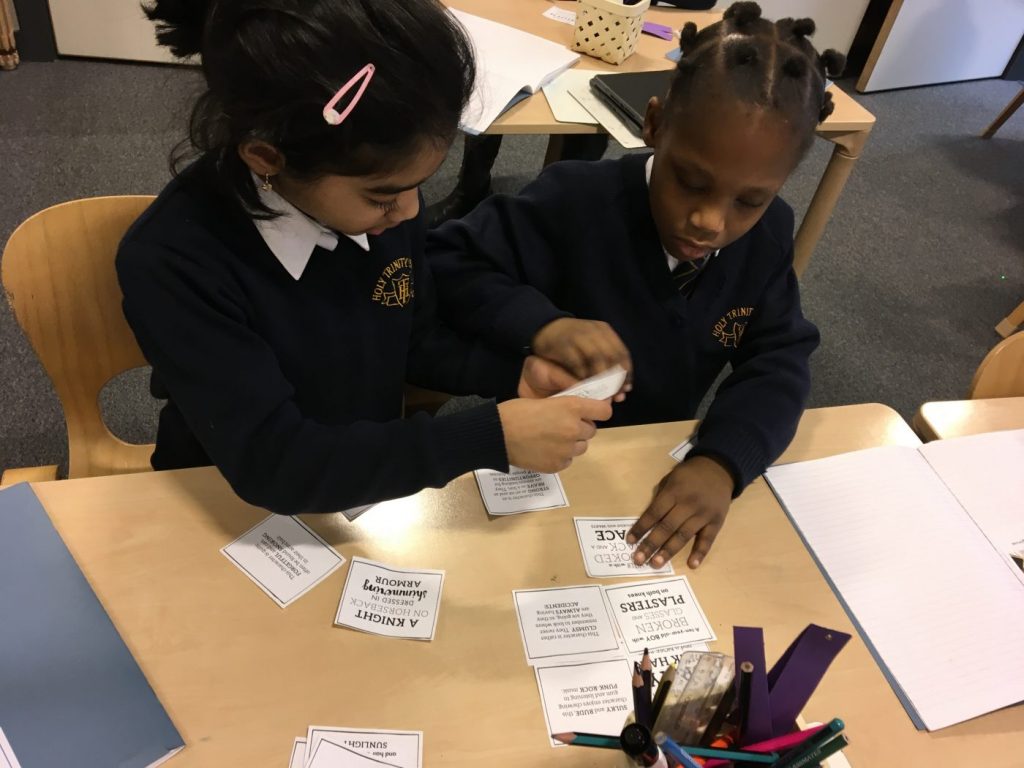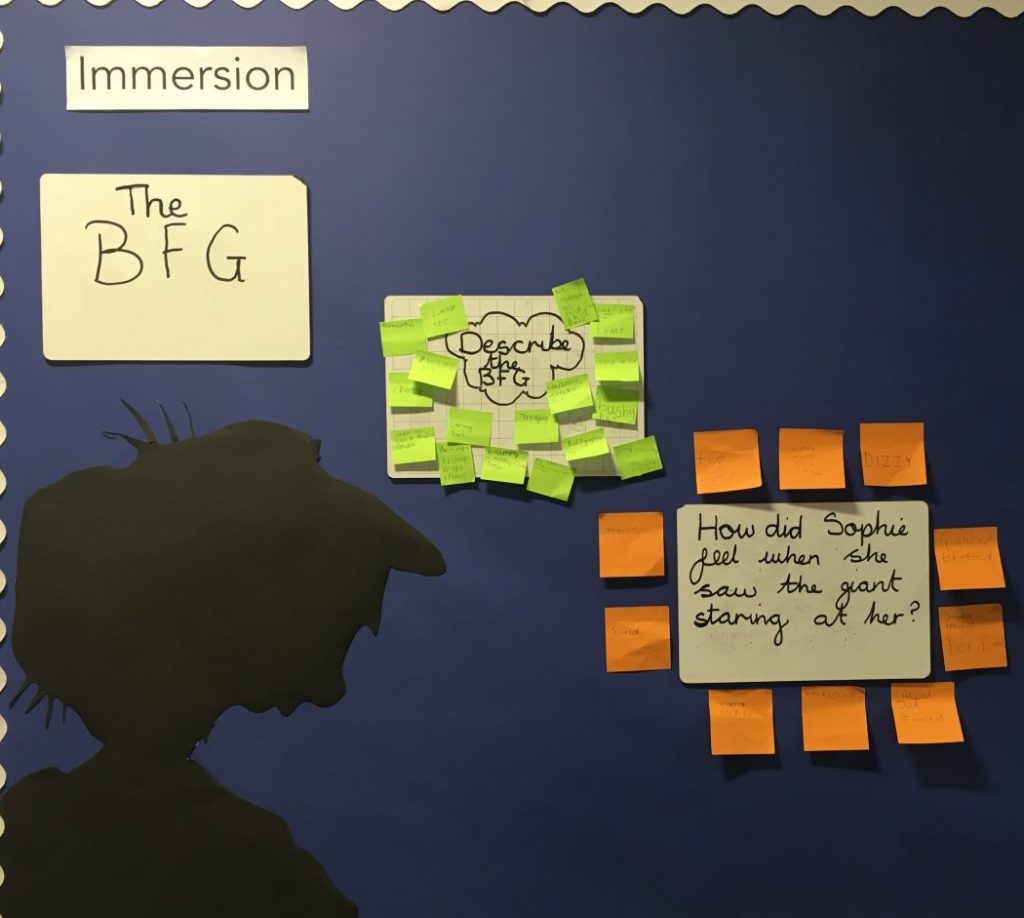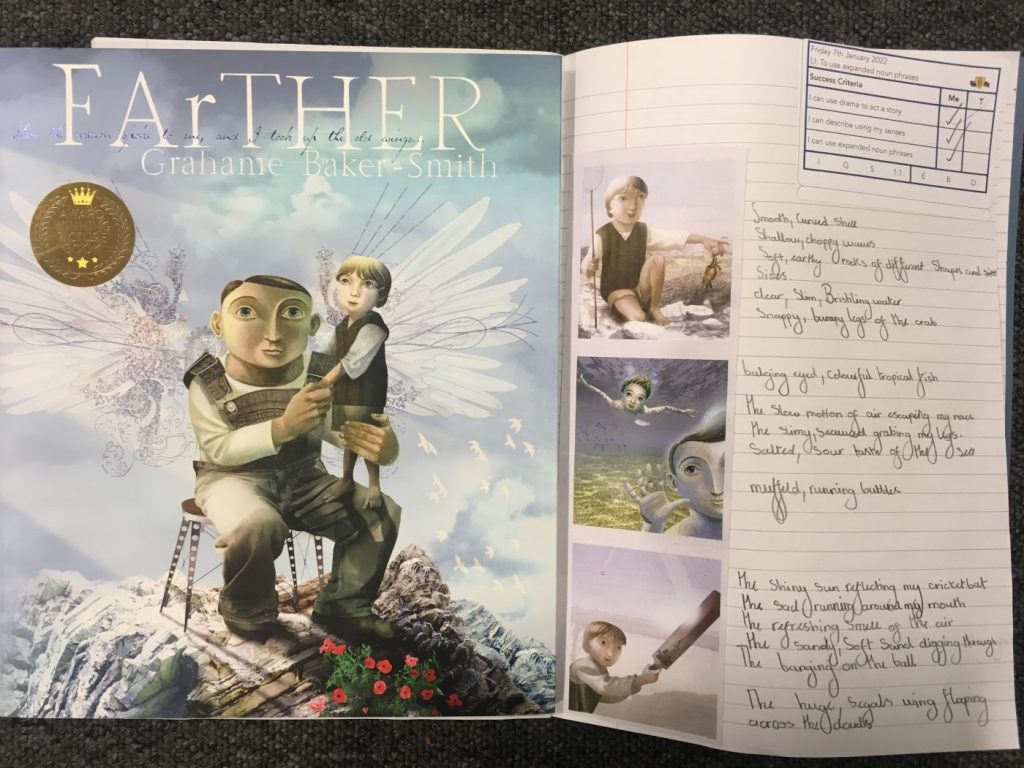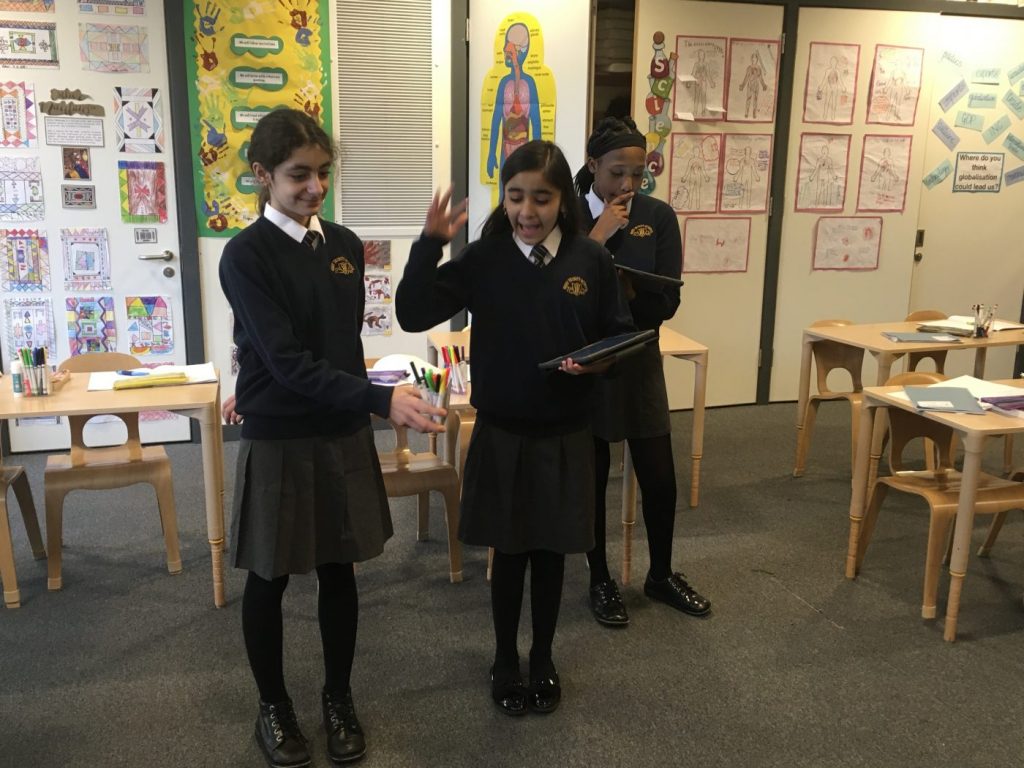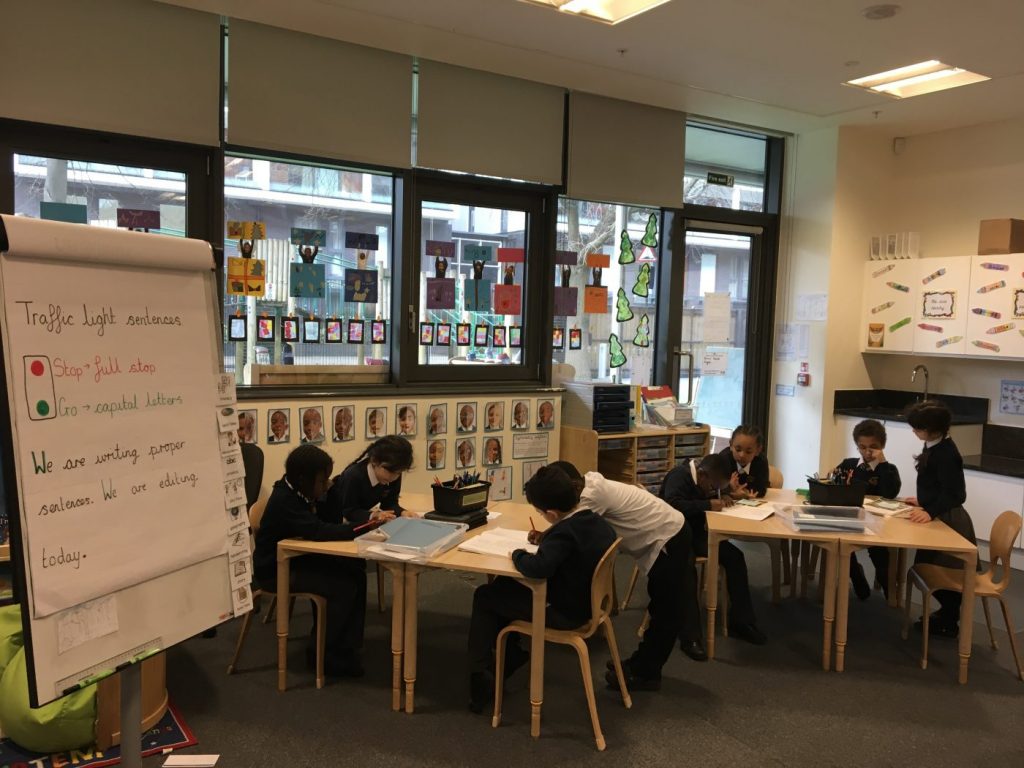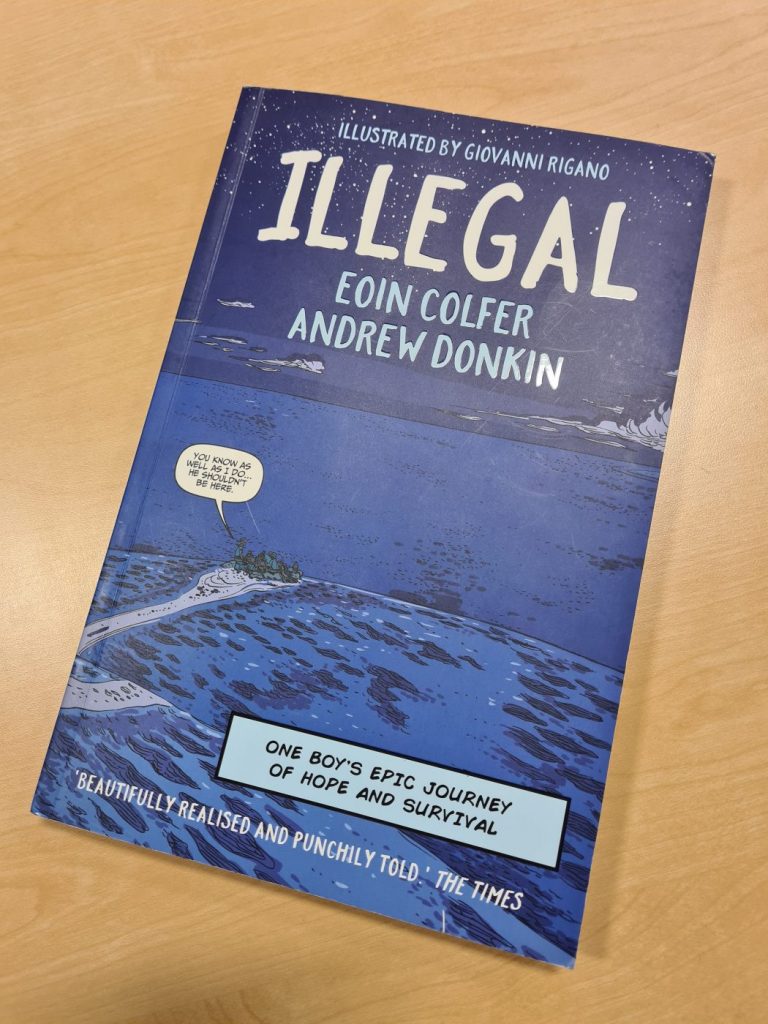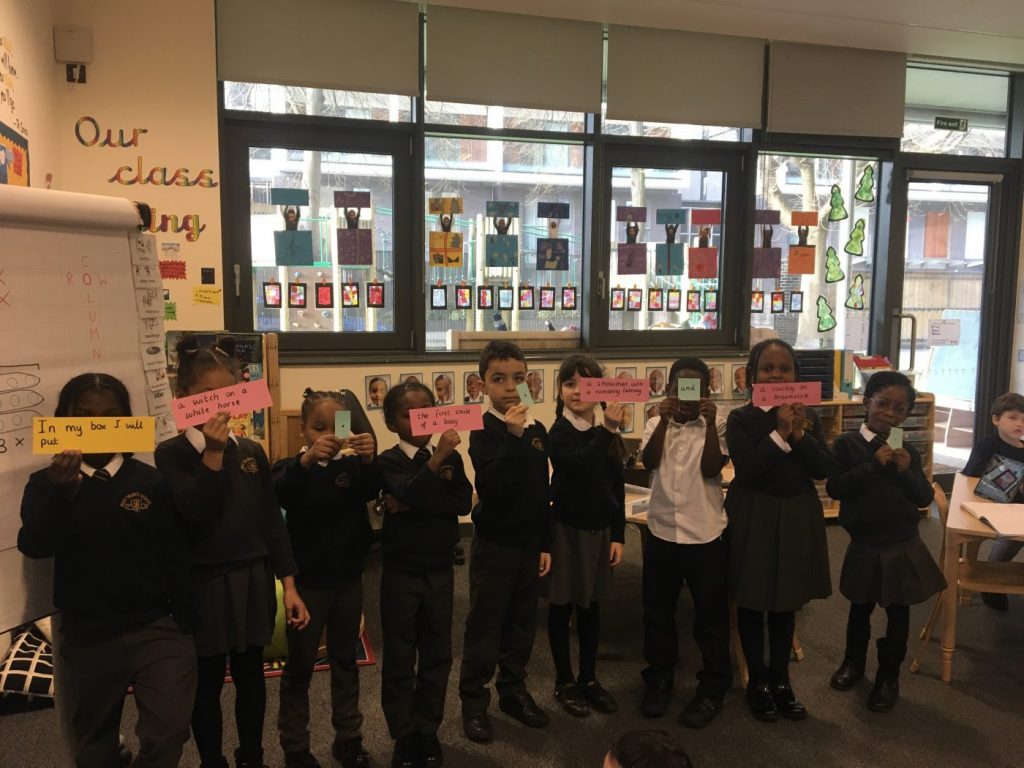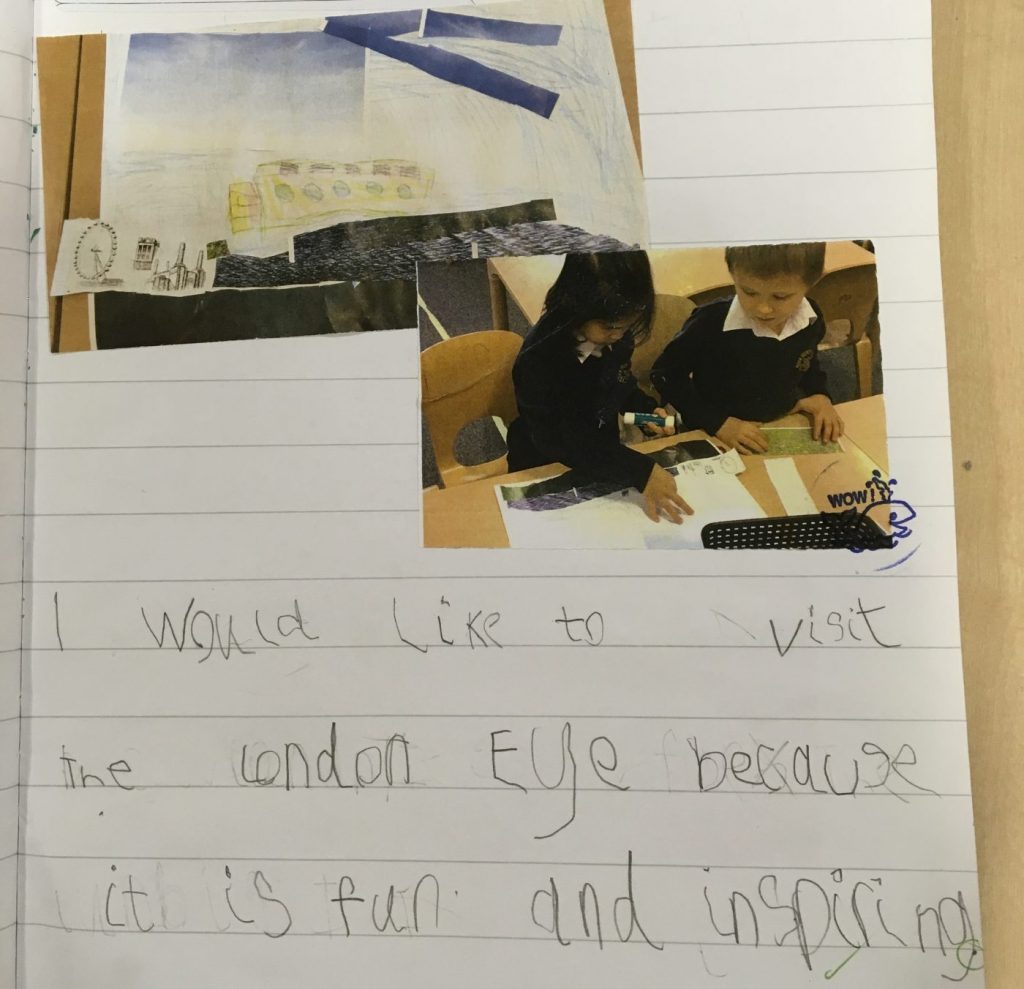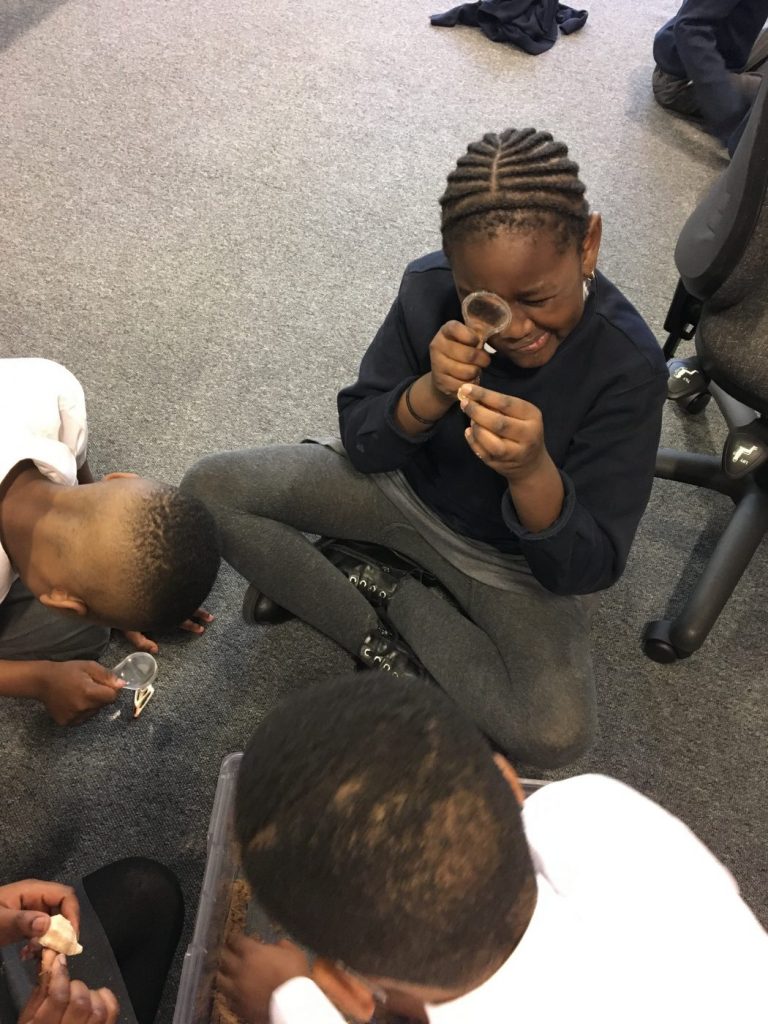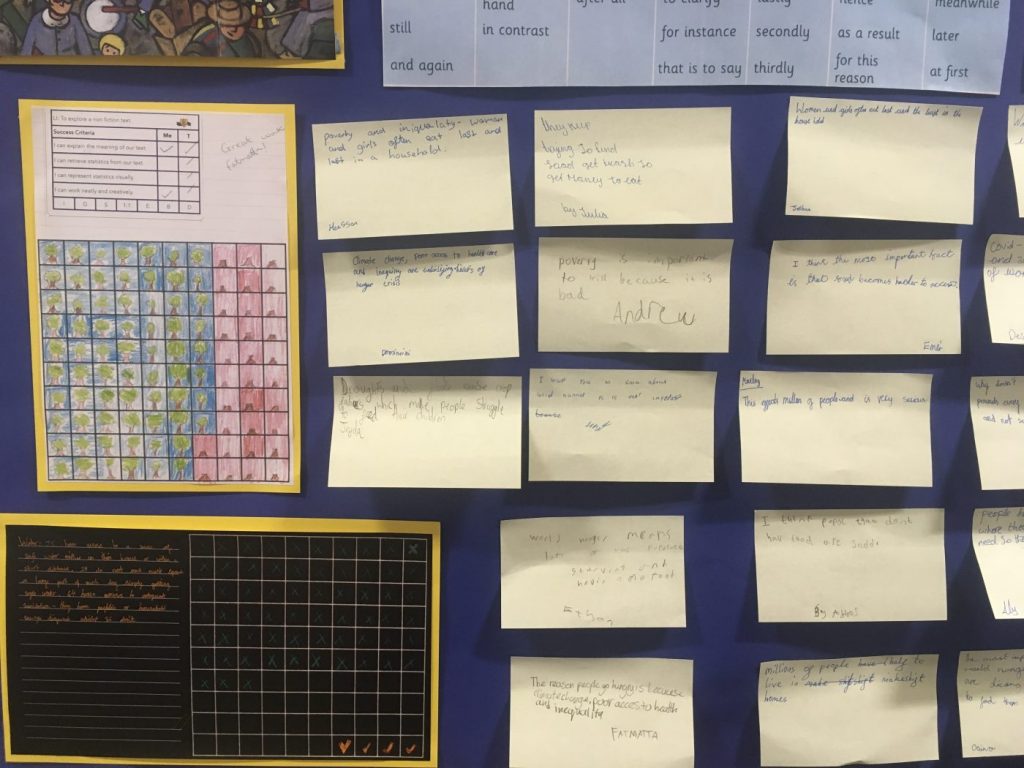
In KS1 and KS2, children follow the national curriculum by creating writing which showcases a range of fiction, non-fiction and poetry. Writing is closely linked to texts they are sharing. By using carefully selected class readers, which are referred to in each writing lesson, children are then able to highlight language that has made an impact on them, as well as key geographical and historical knowledge which enables young writers to build intricate plots and characters. SpaG is also taught through writing, as children explicitly learn a grammar technique and then understand how to use these writer’s techniques to manipulate sentence structure and control their flow of thought.
Our pathway is as follows:
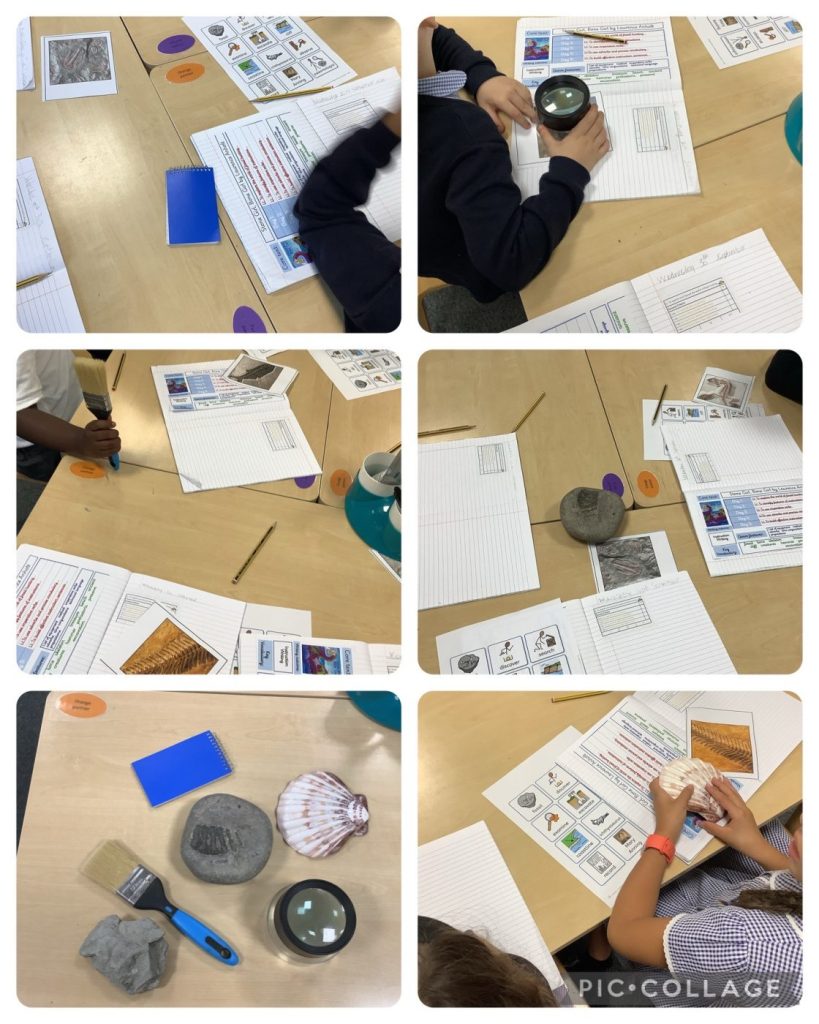
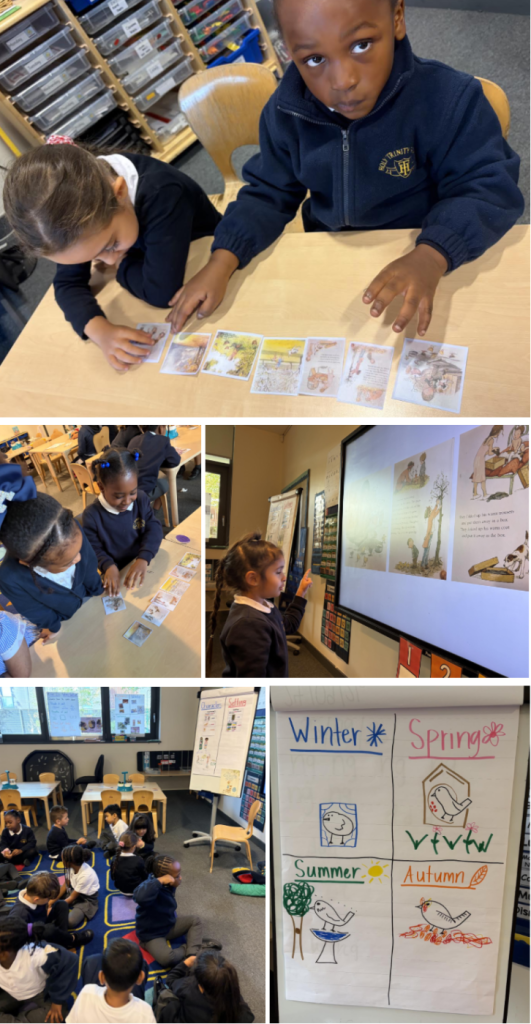
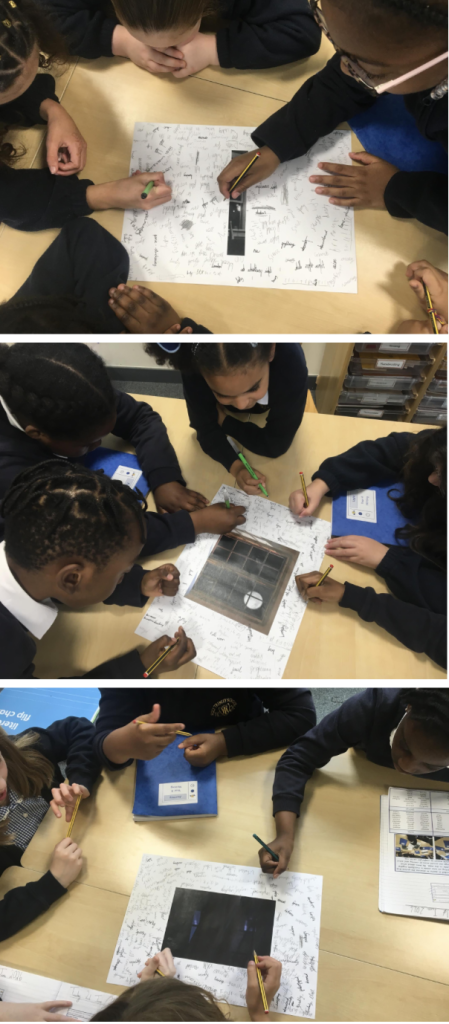
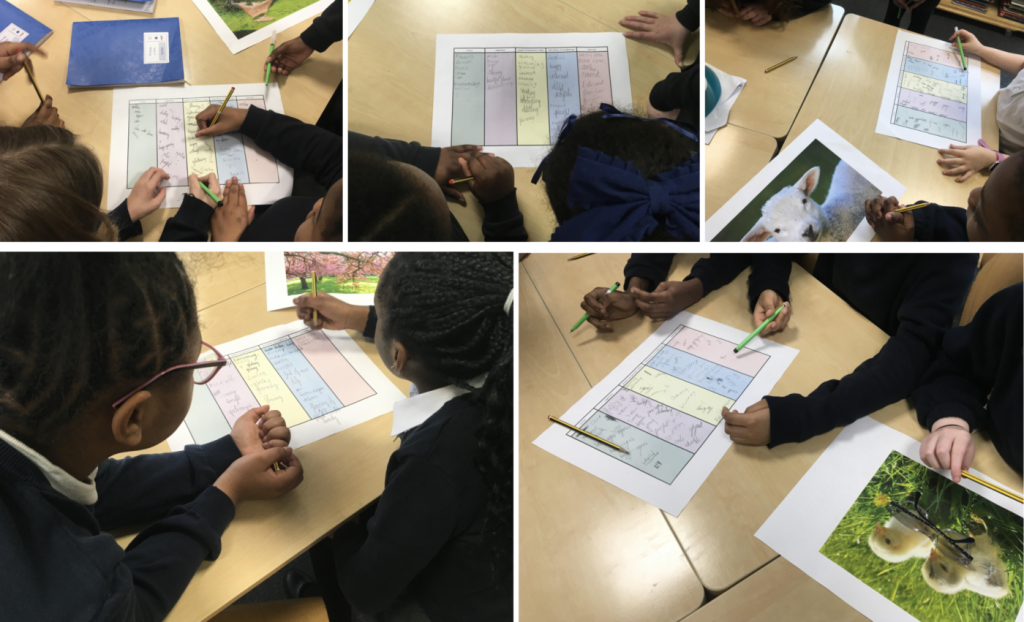
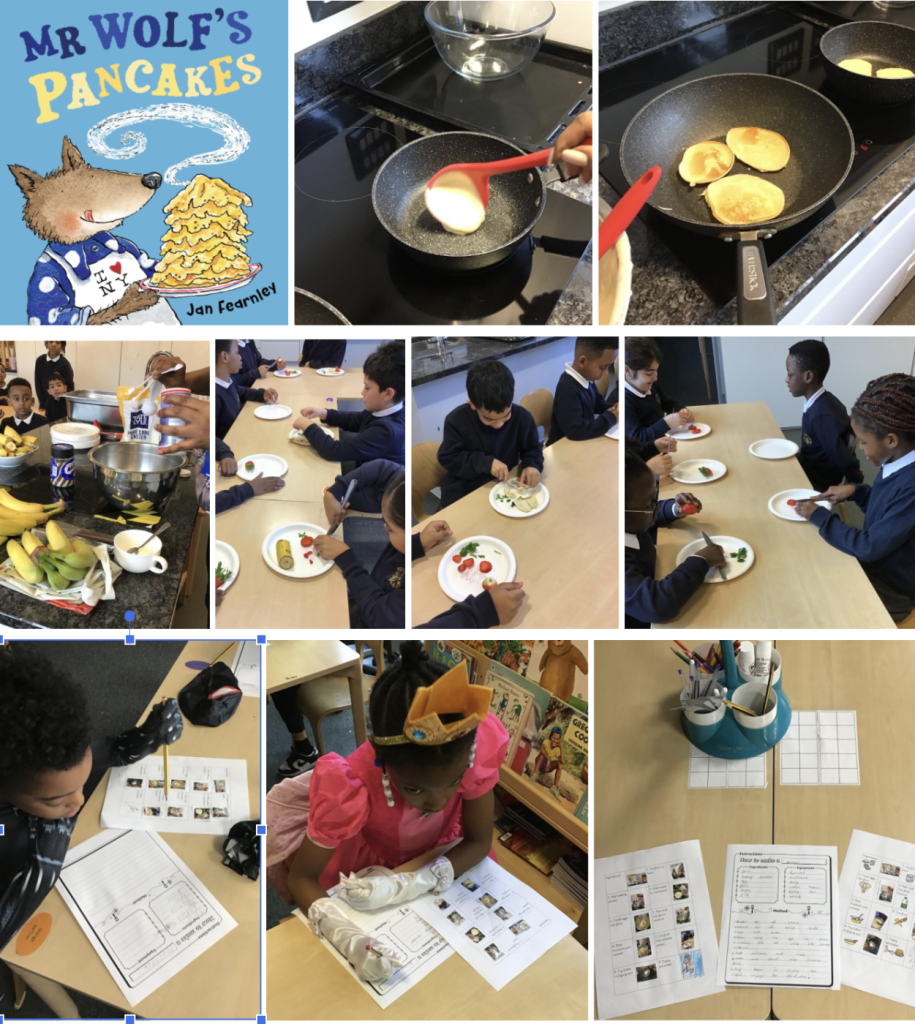
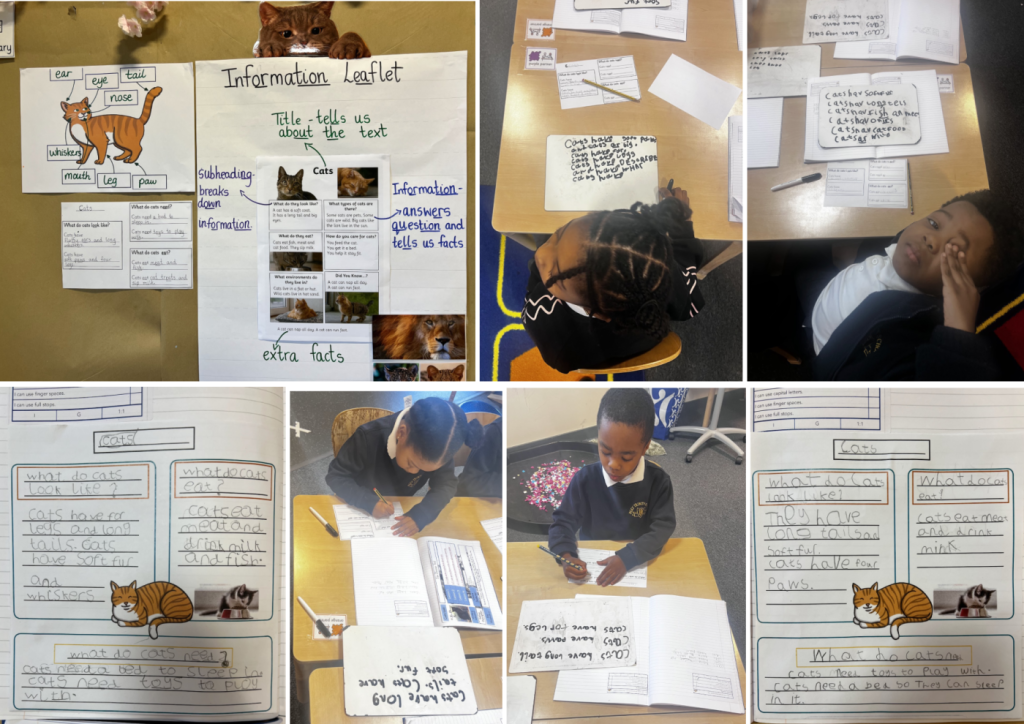
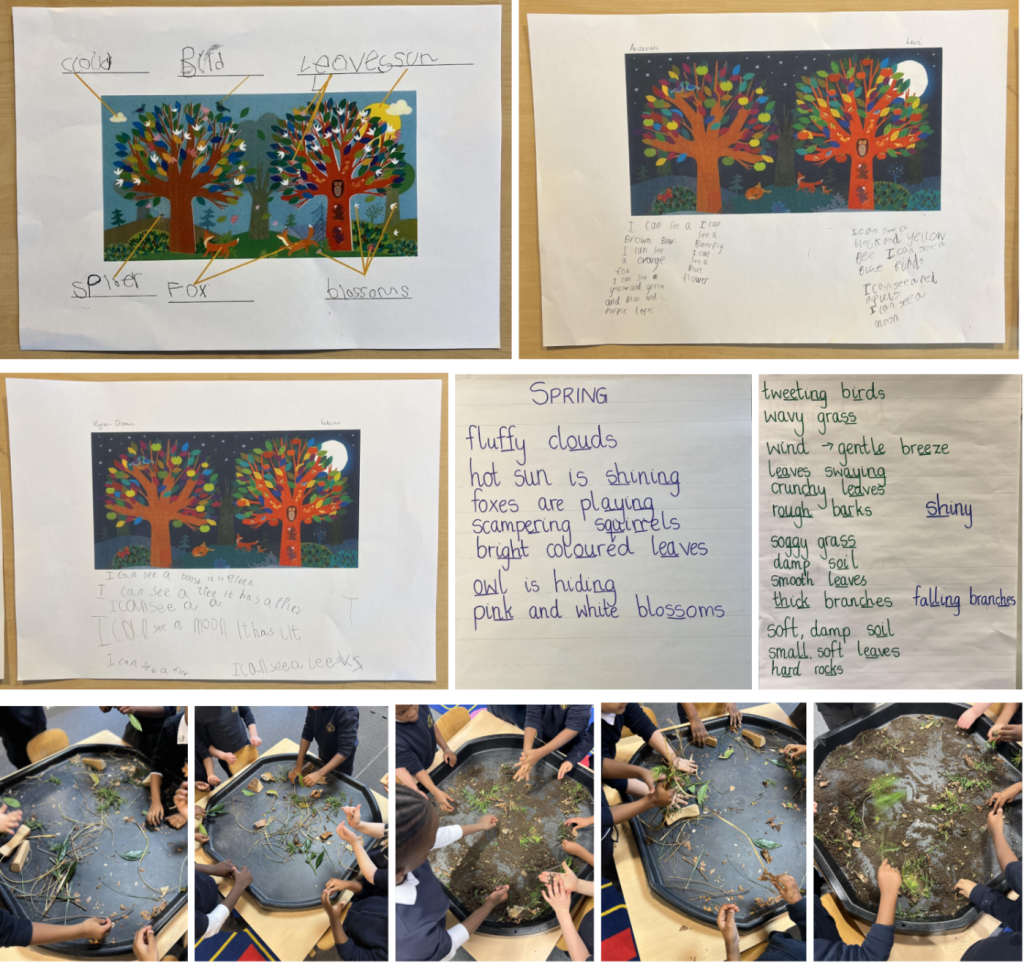
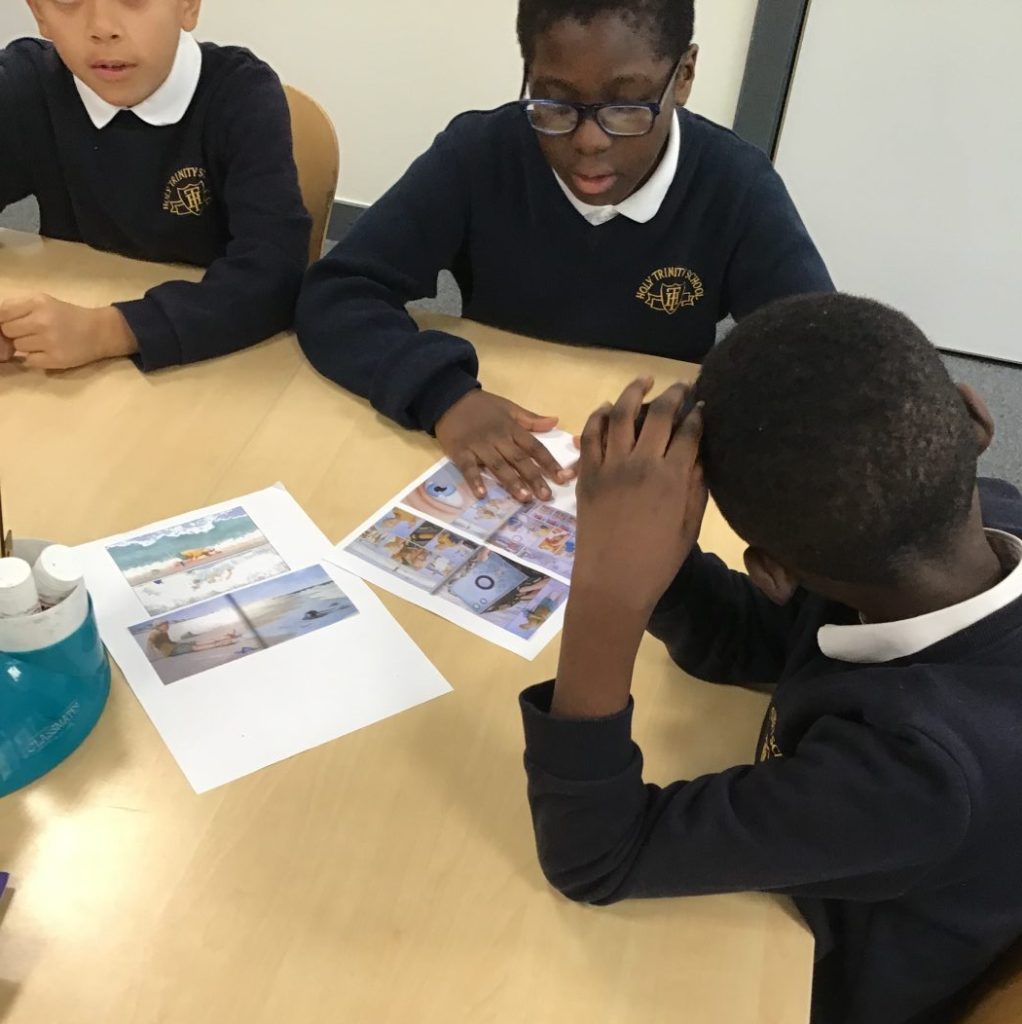
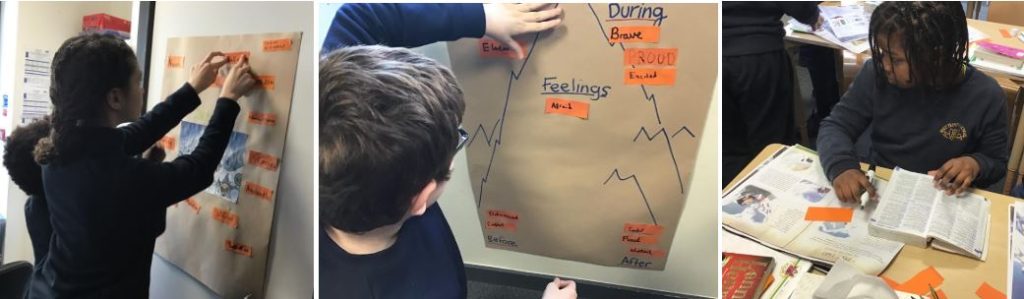
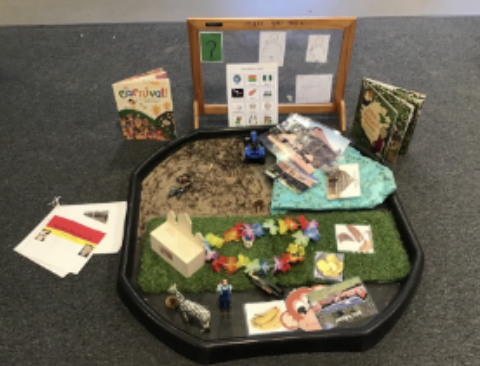
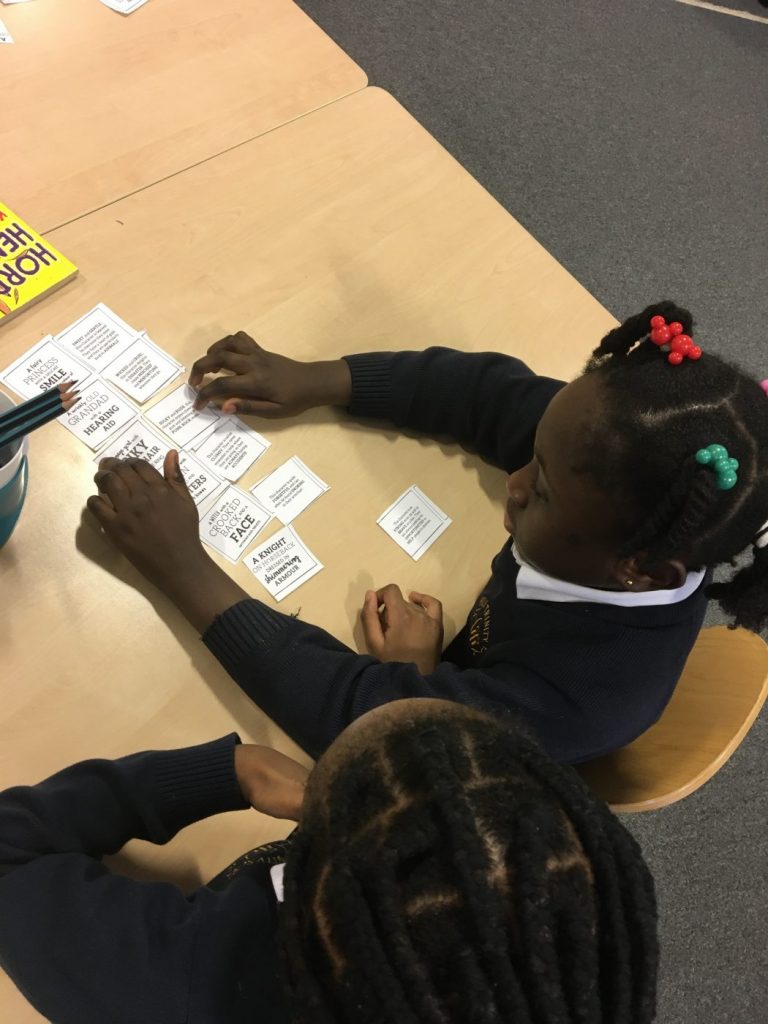
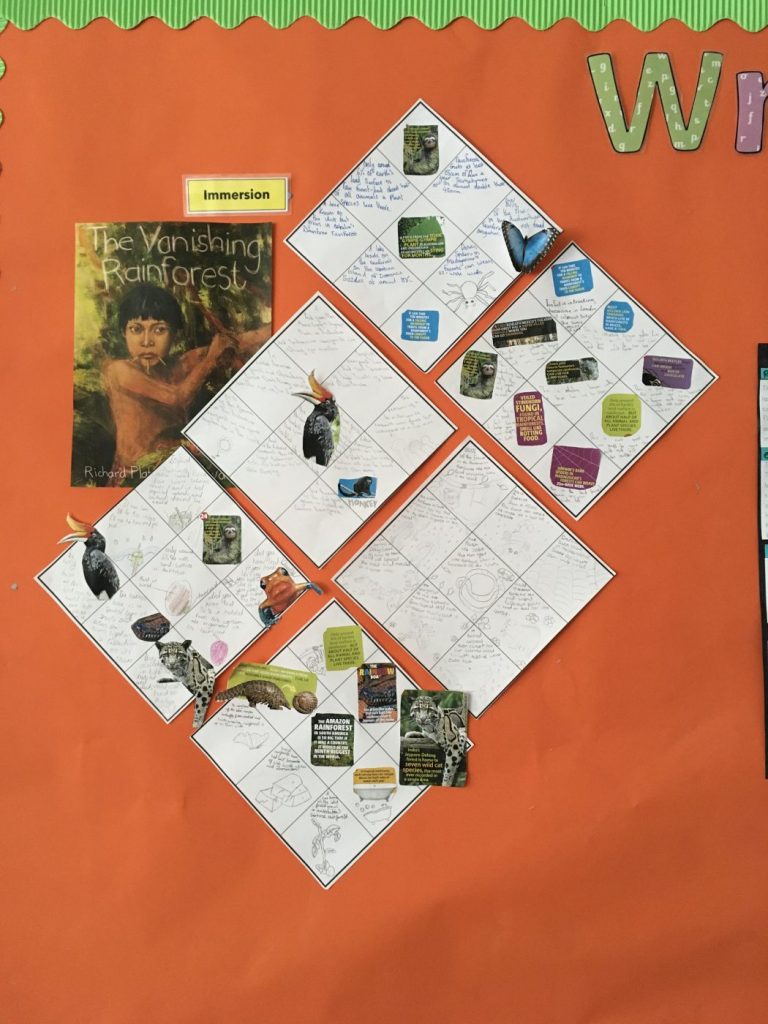
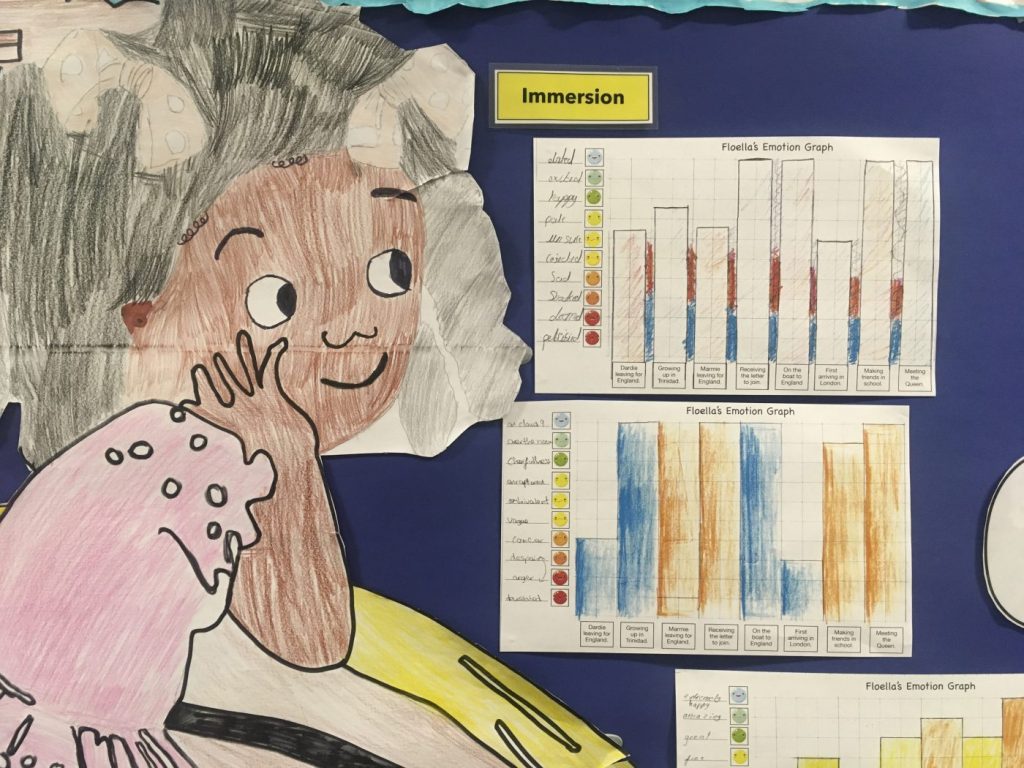
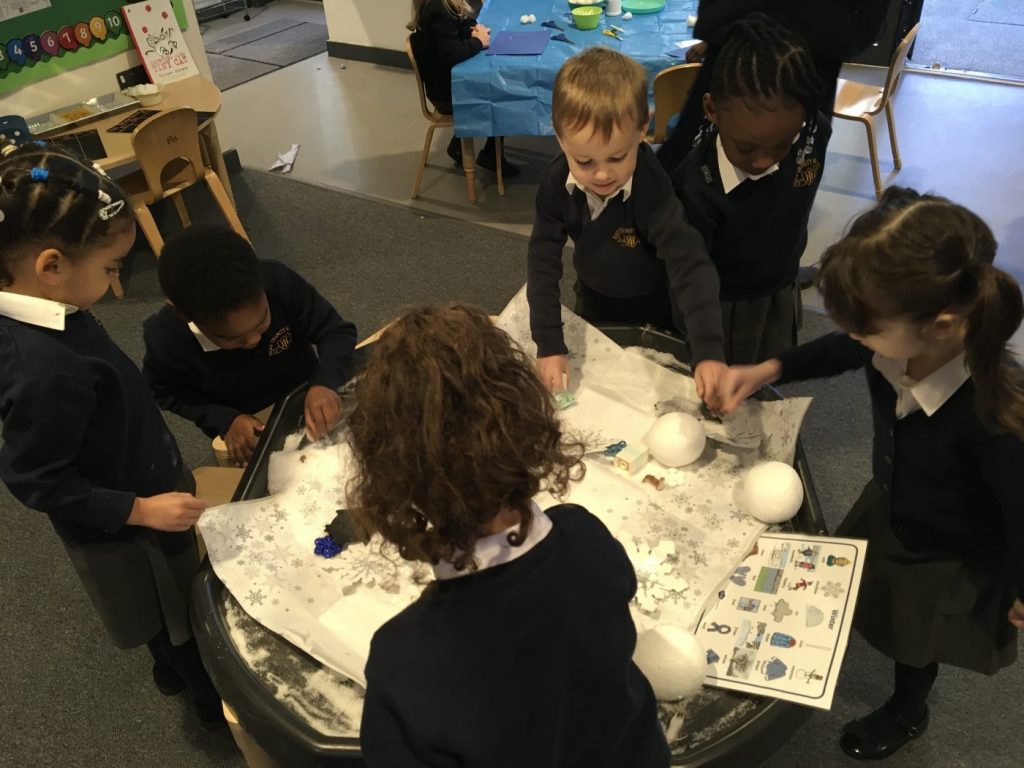
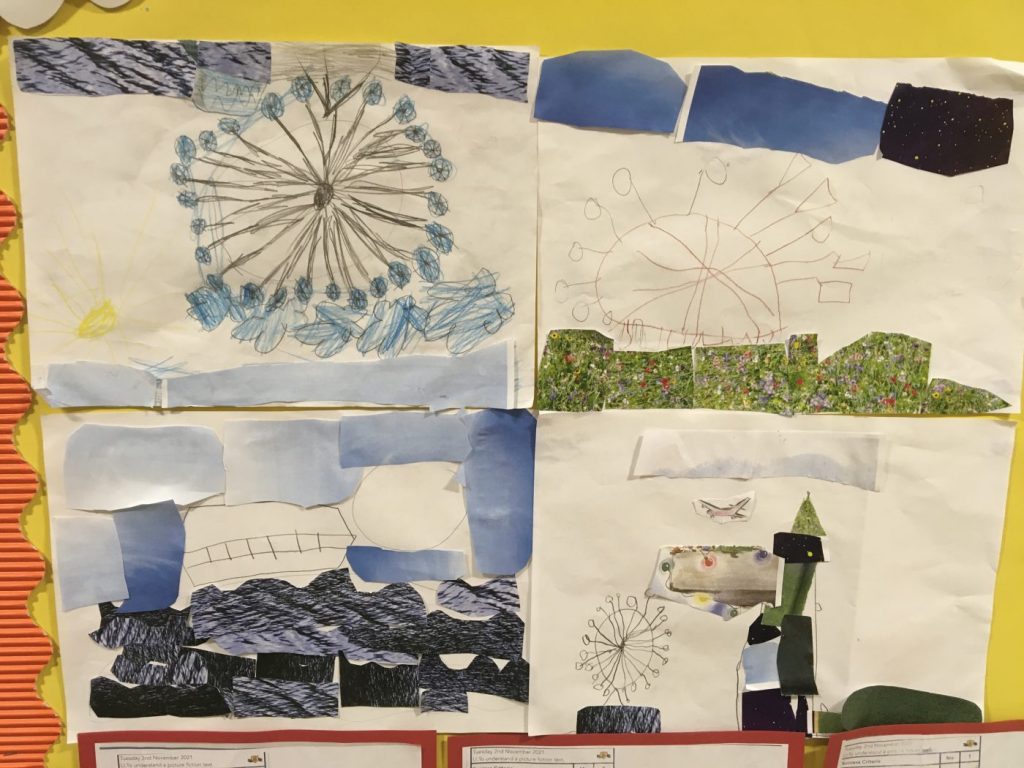
Immersion: children focus on powerful language, looking at key texts and considering the features of genres.
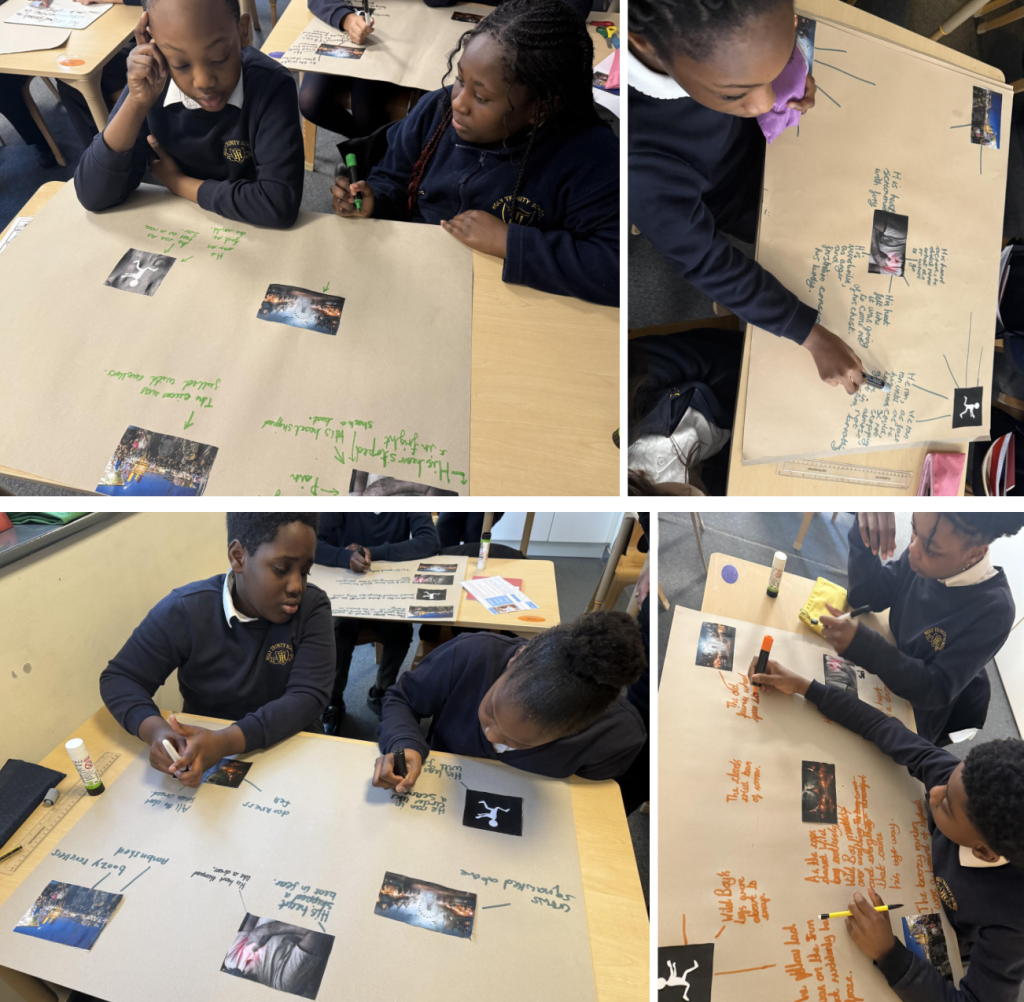
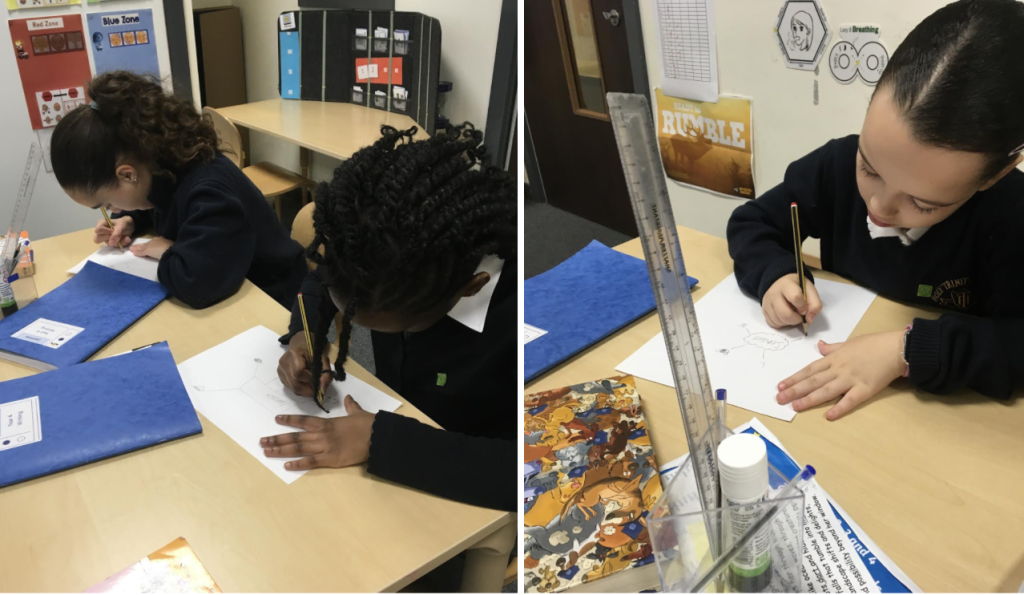
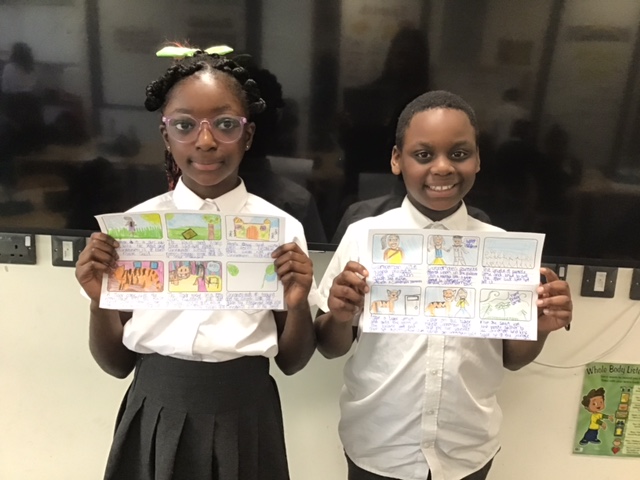
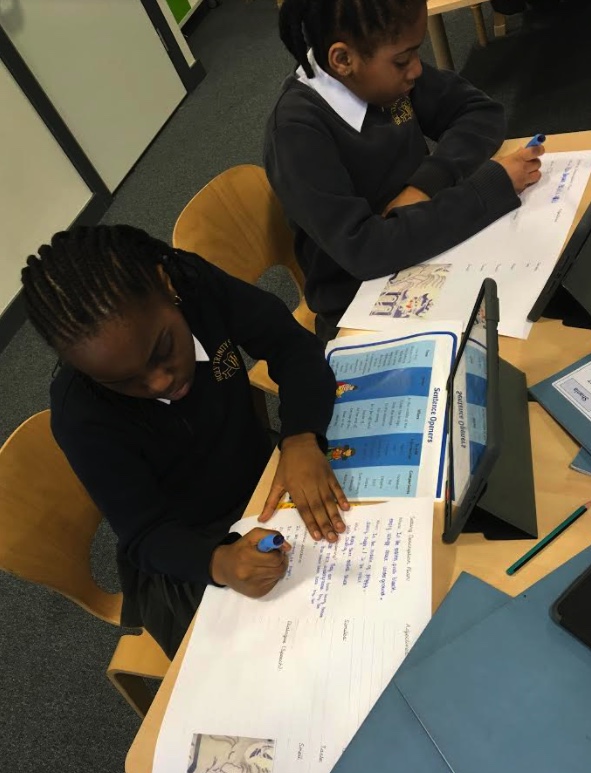
Plan: children draft key ideas that they would like to include in their writing, with a close focus on grammatical techniques and sentence starters.
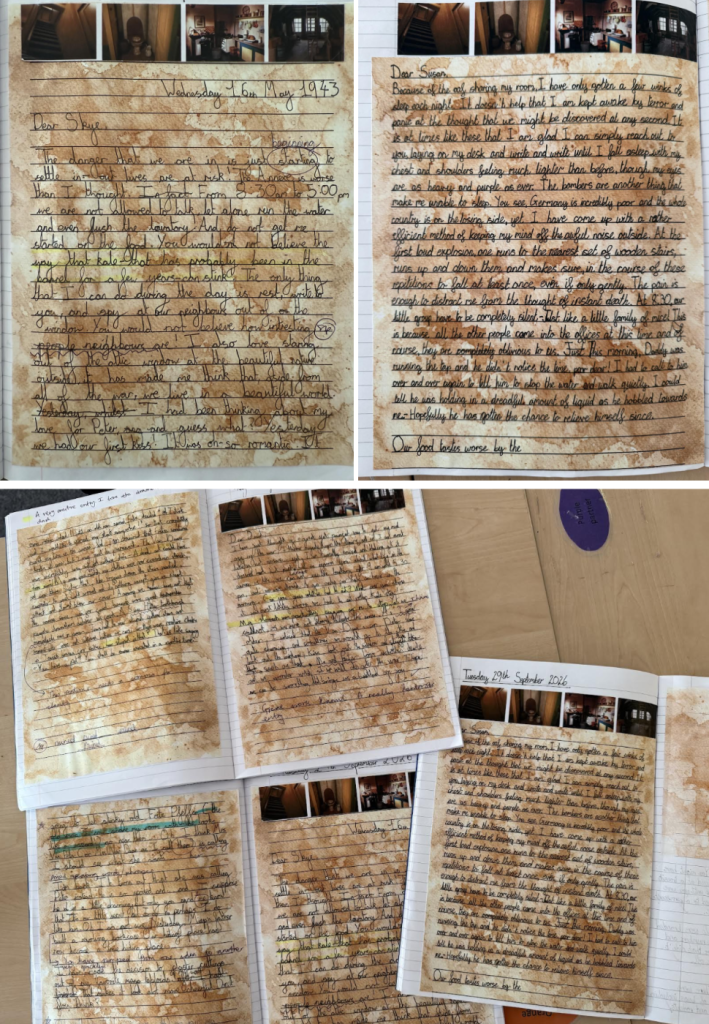
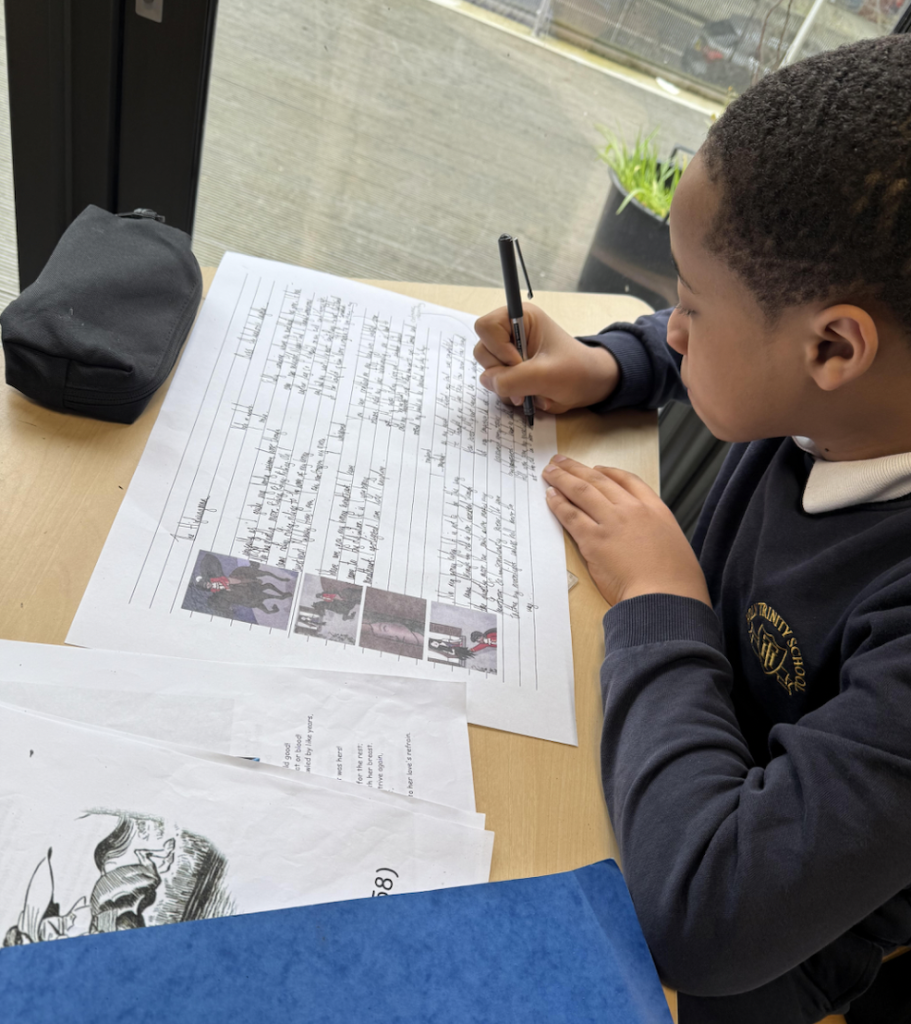
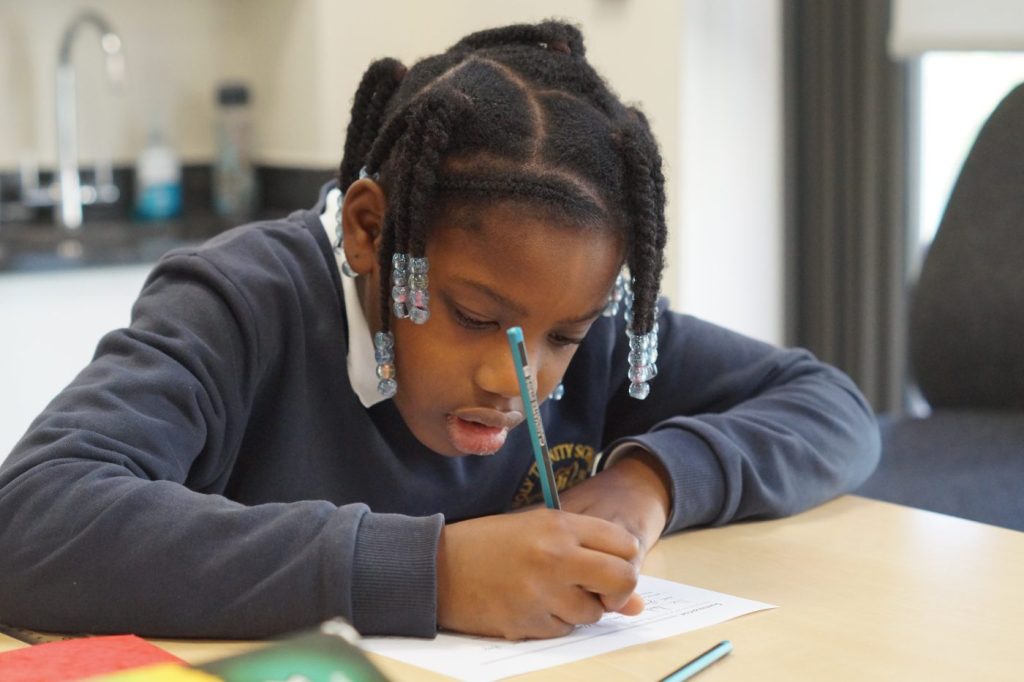
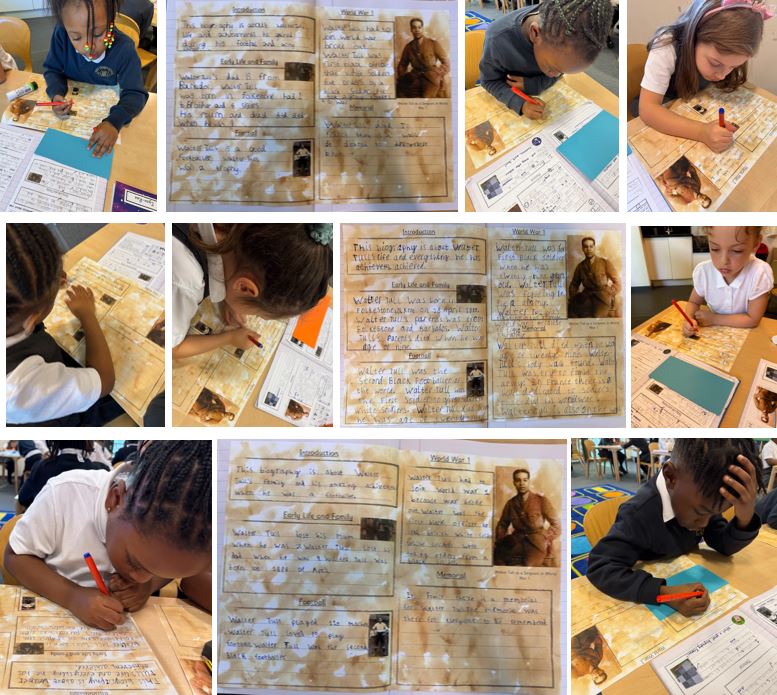
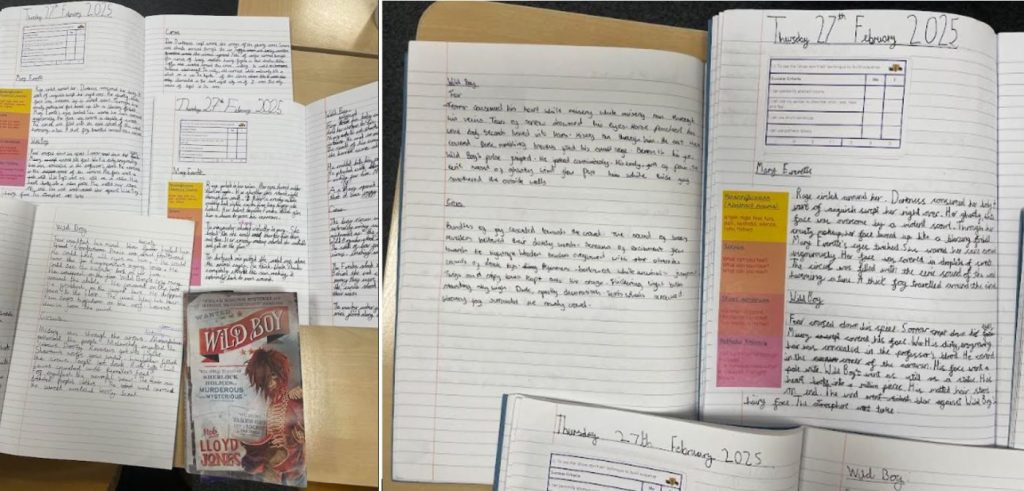
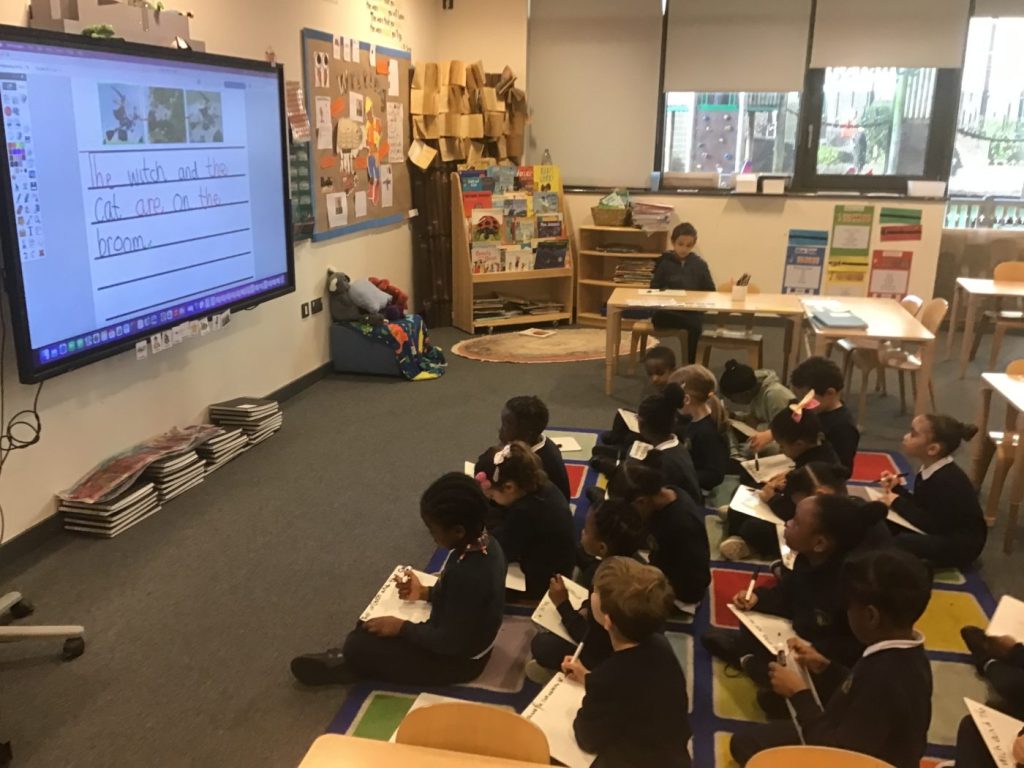
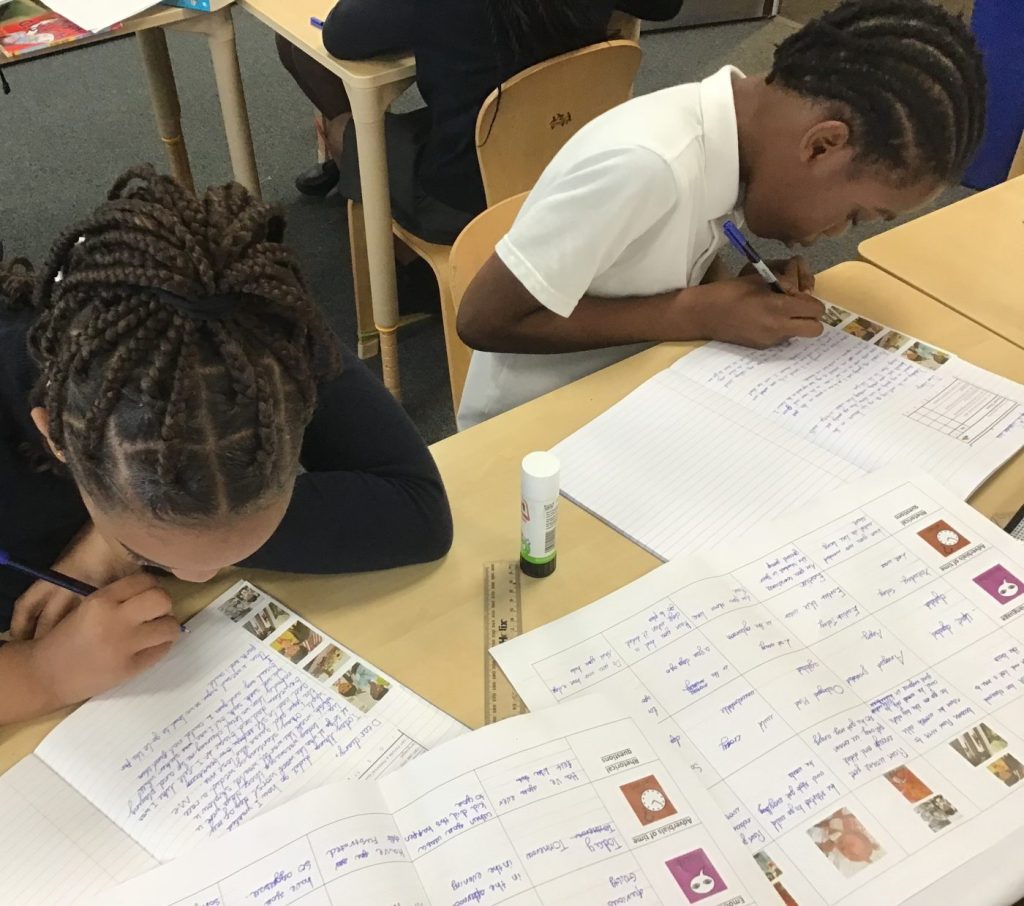
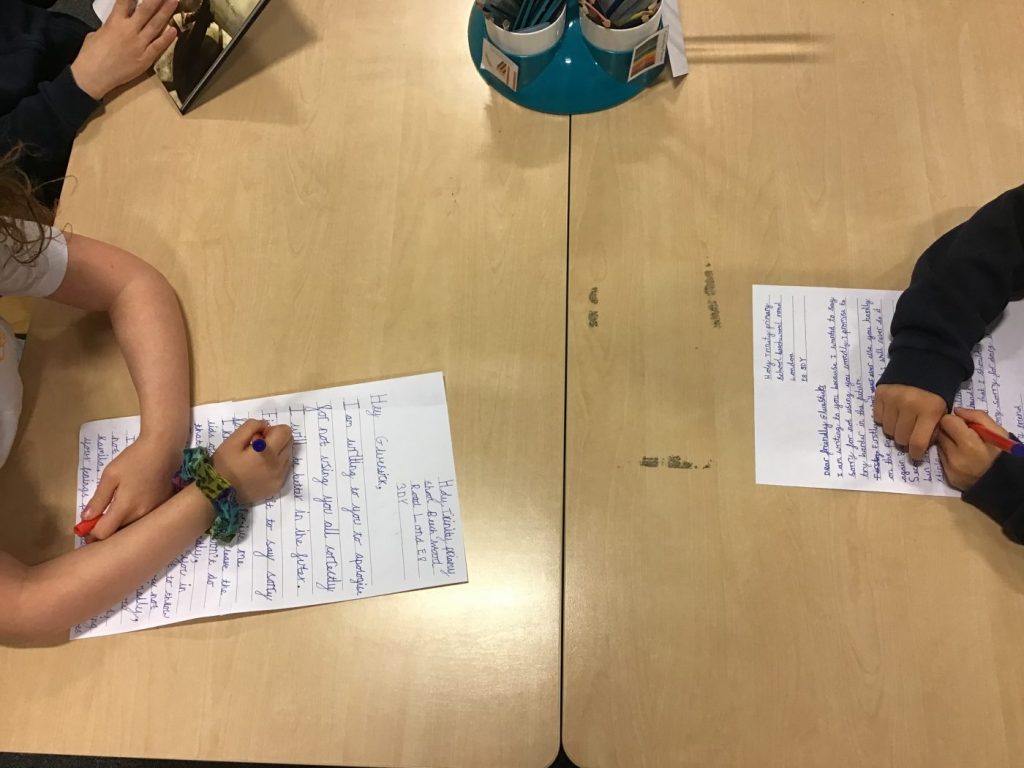
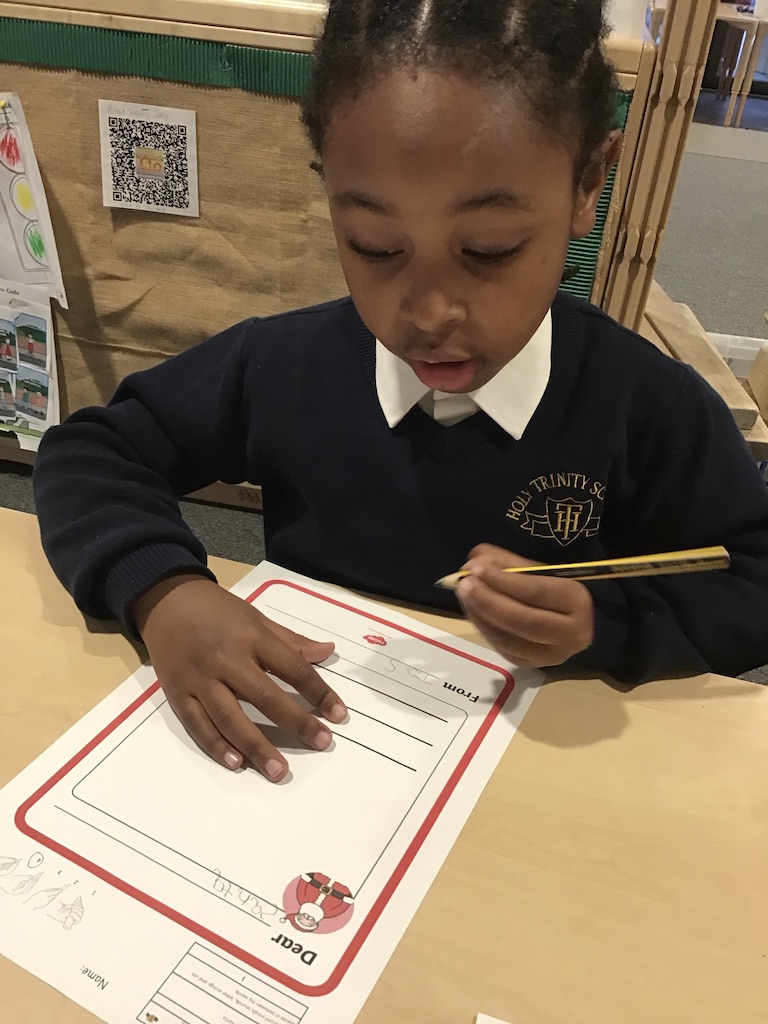
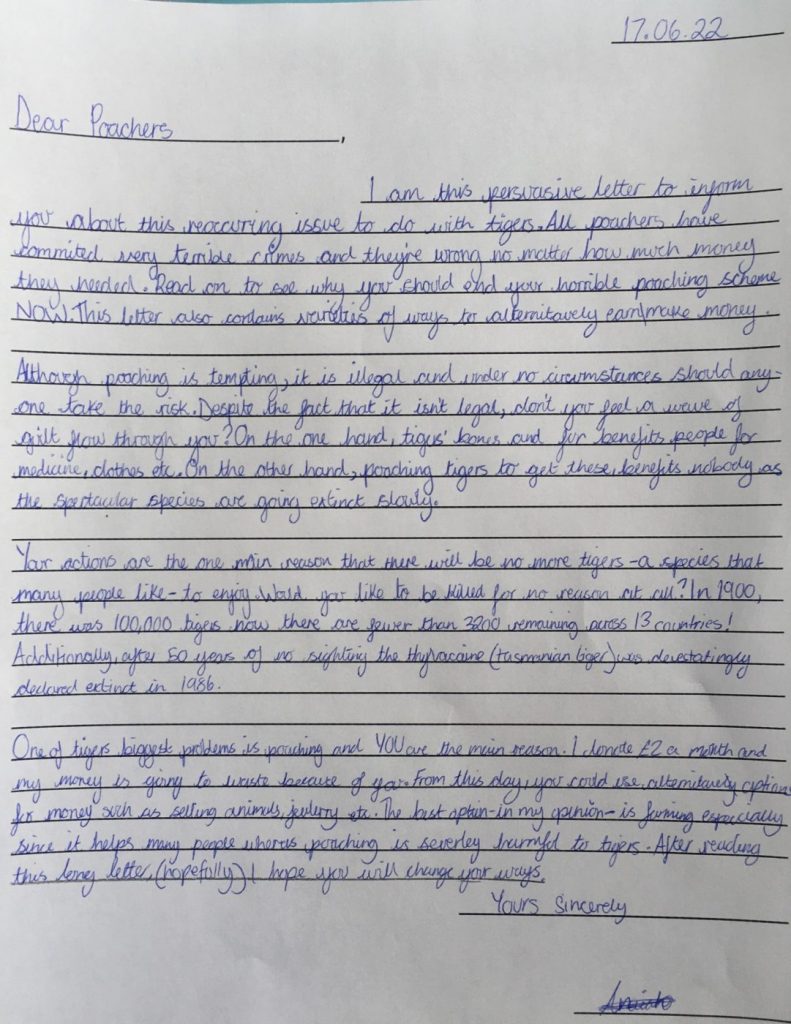
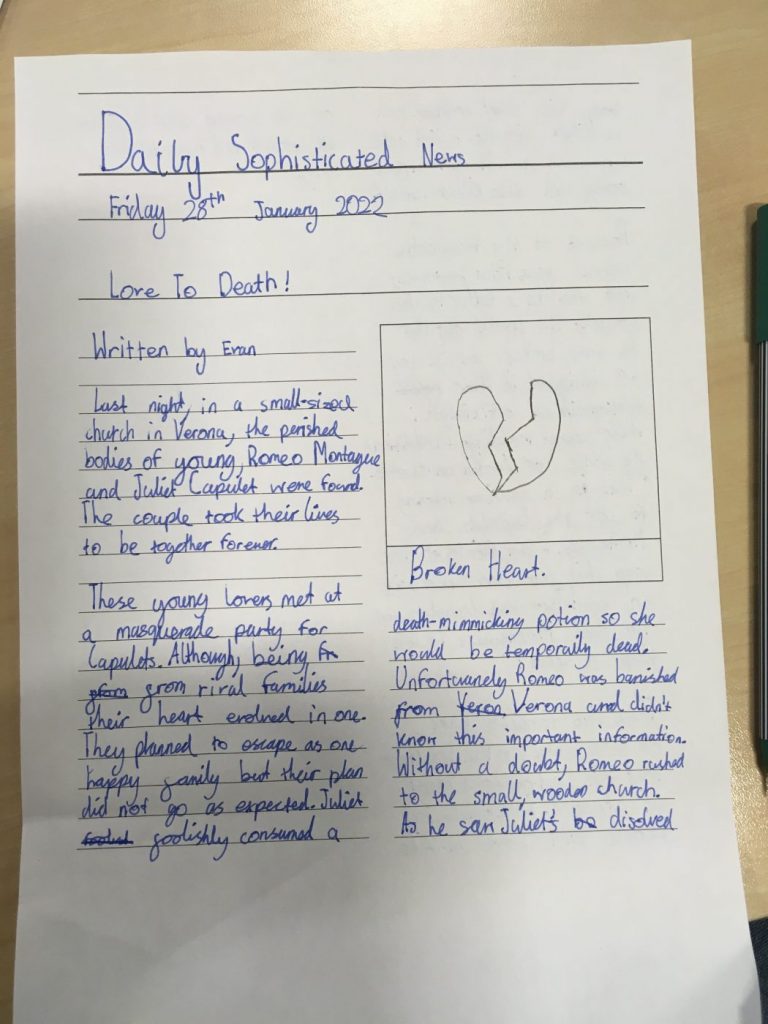
Write: children use their plan to write, with a specific focus on expanding their ideas when planning into structured and detailed sentences. Writing lessons also ensure that children are using a variety of punctuation for both accuracy and effect on the reader. Children are then encouraged to stop and re-read as they are writing to ensure that they have the technique to proof read and spot their own errors.
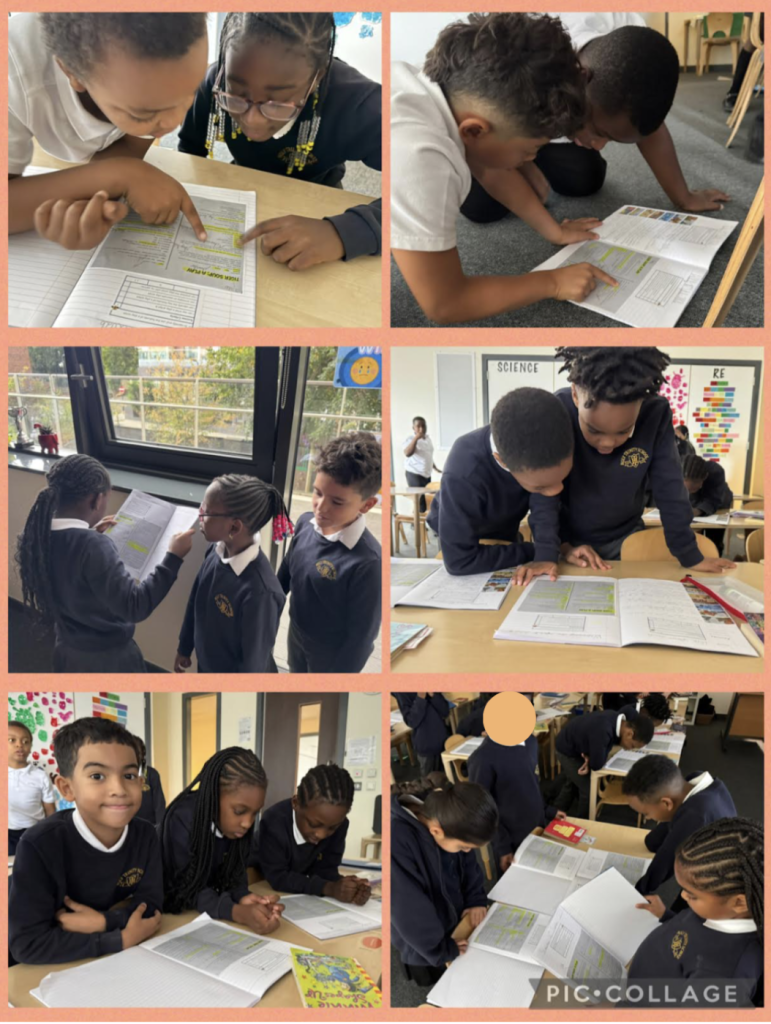
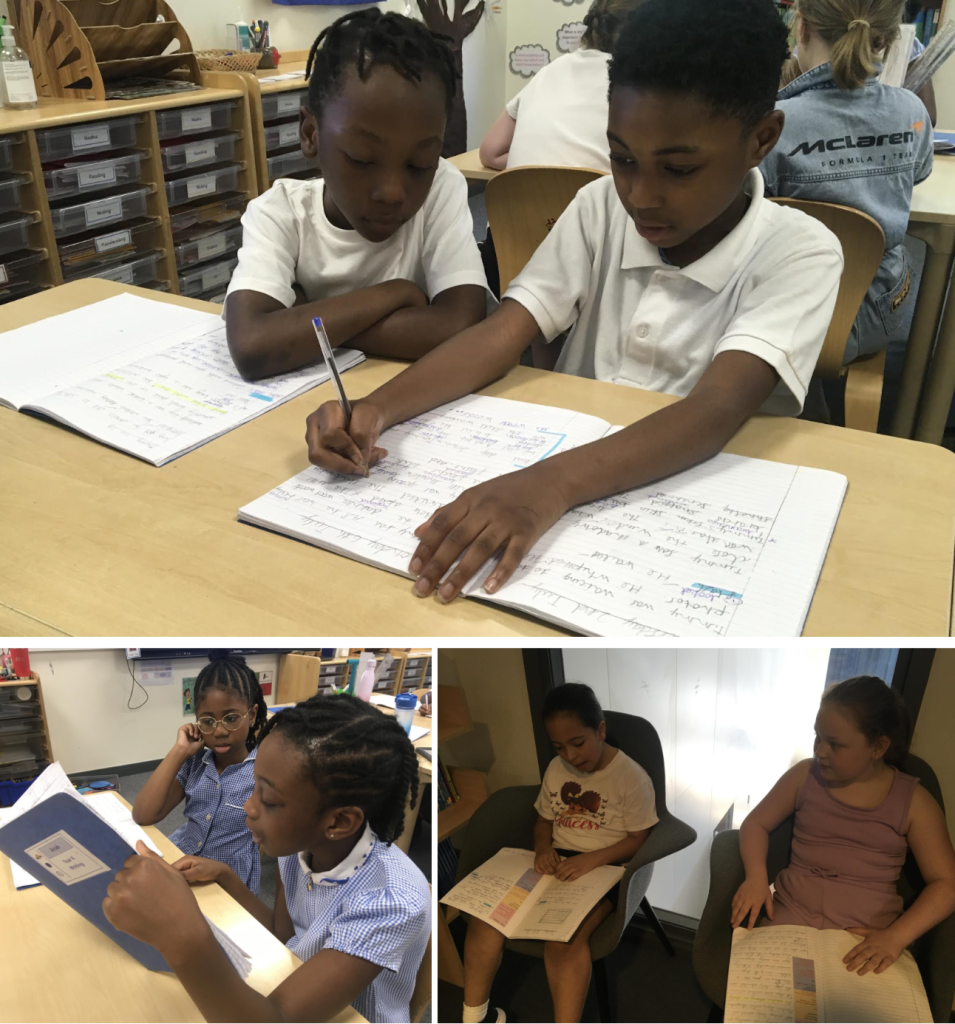
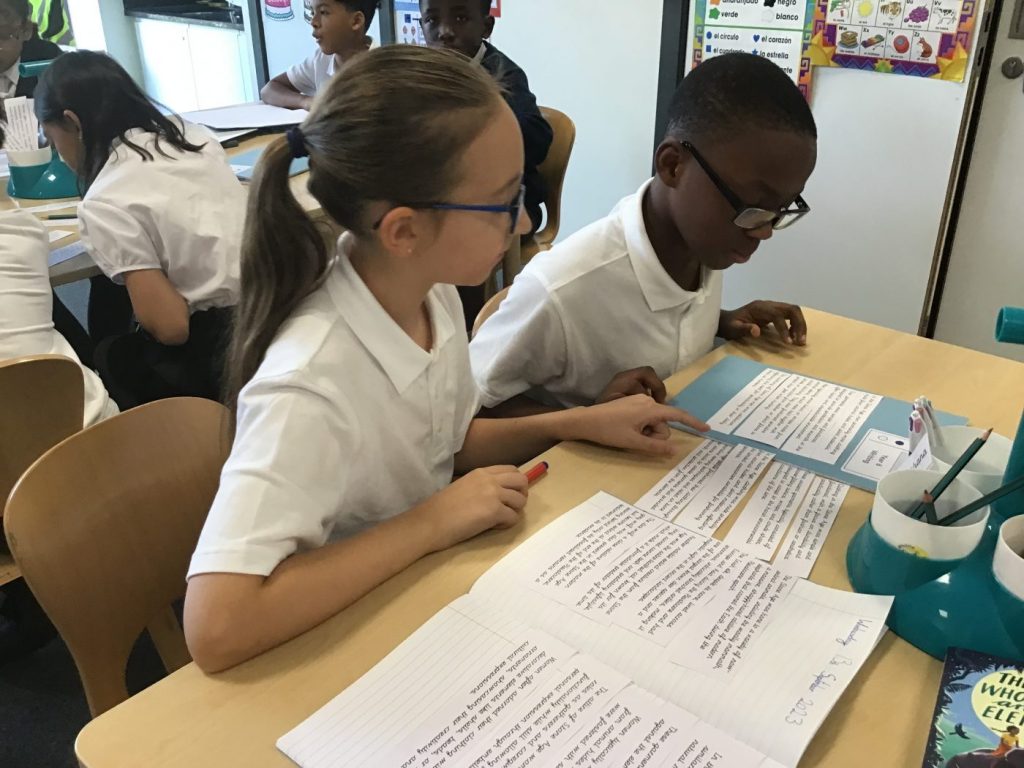
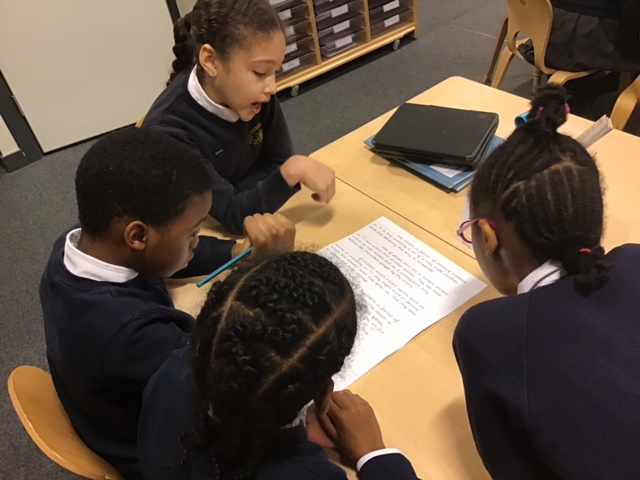
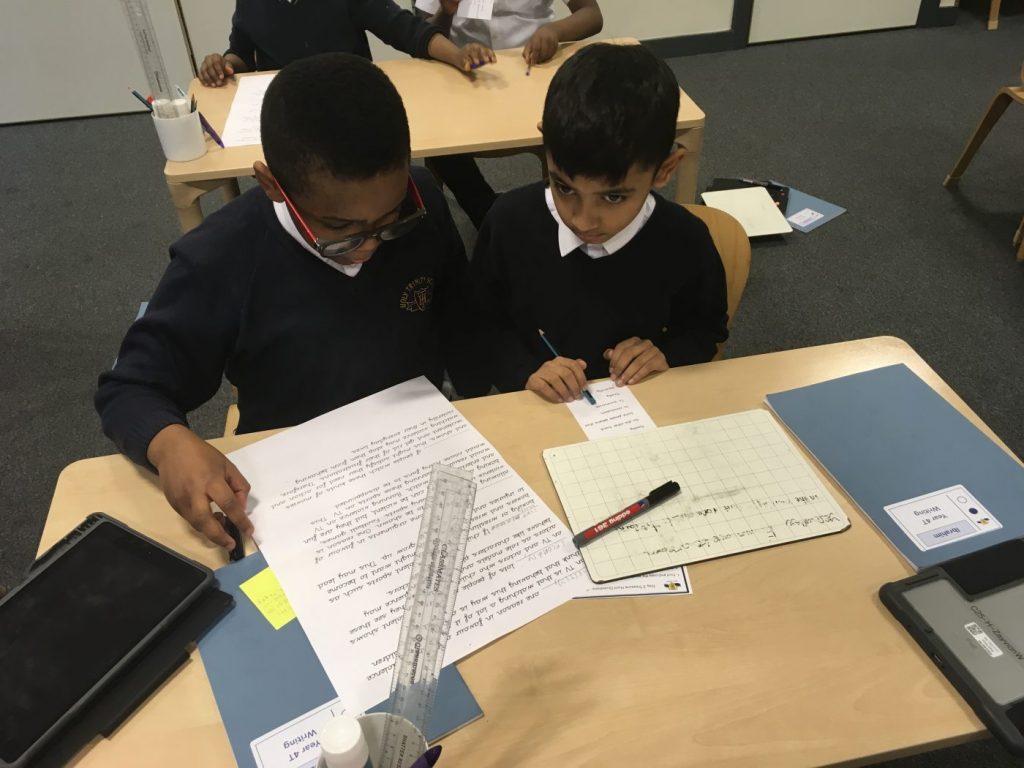
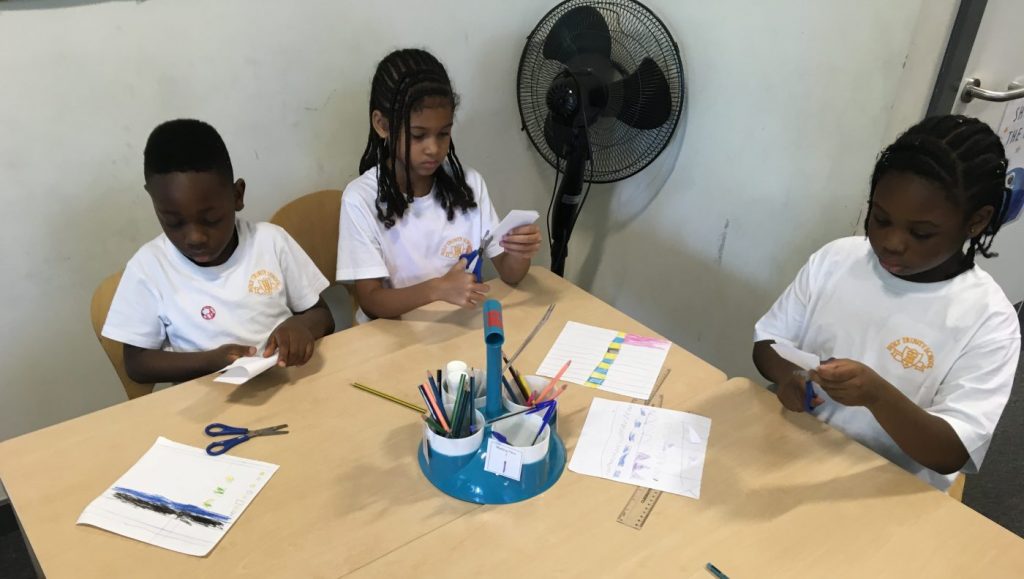
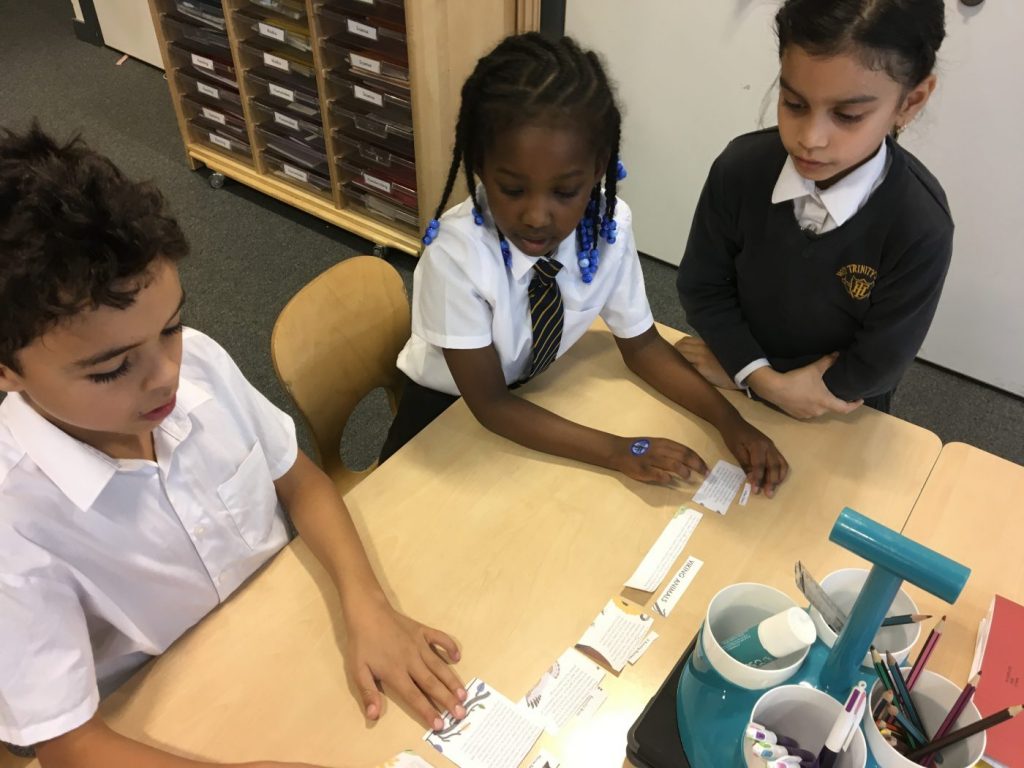
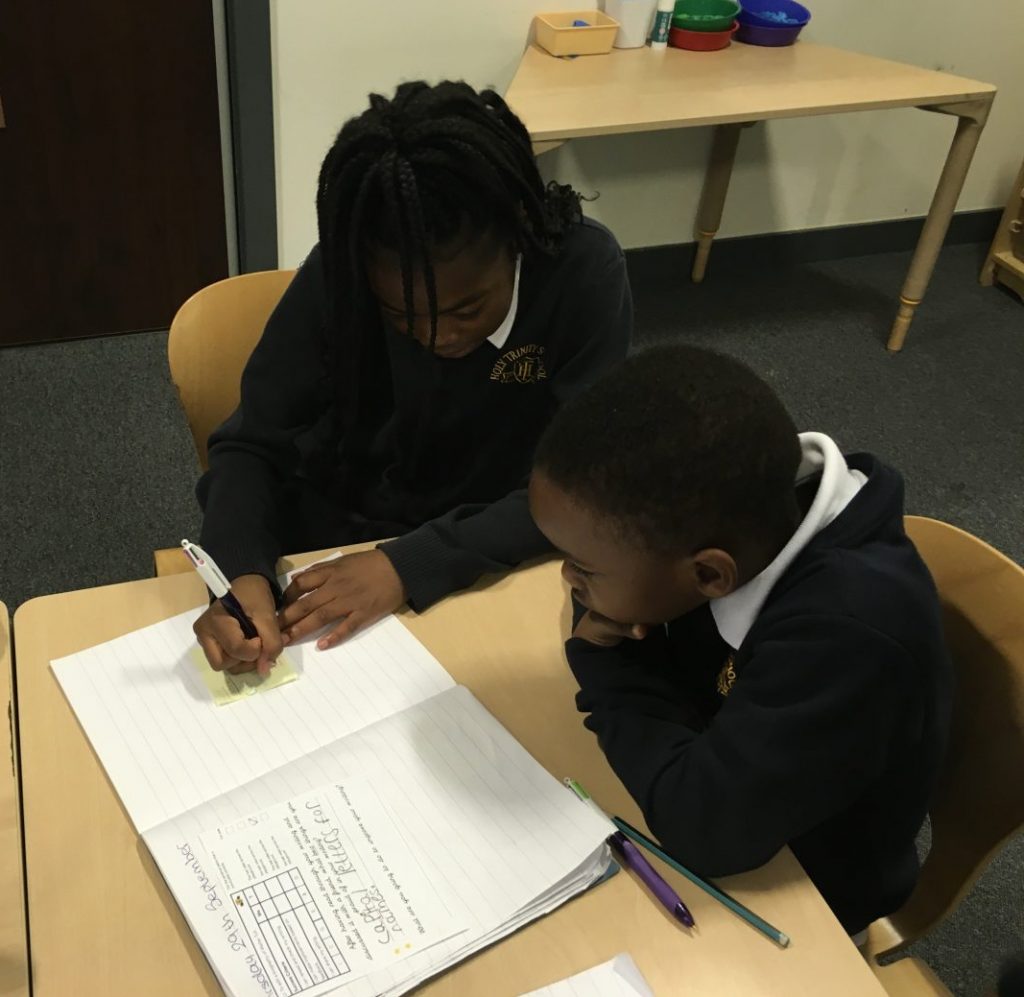
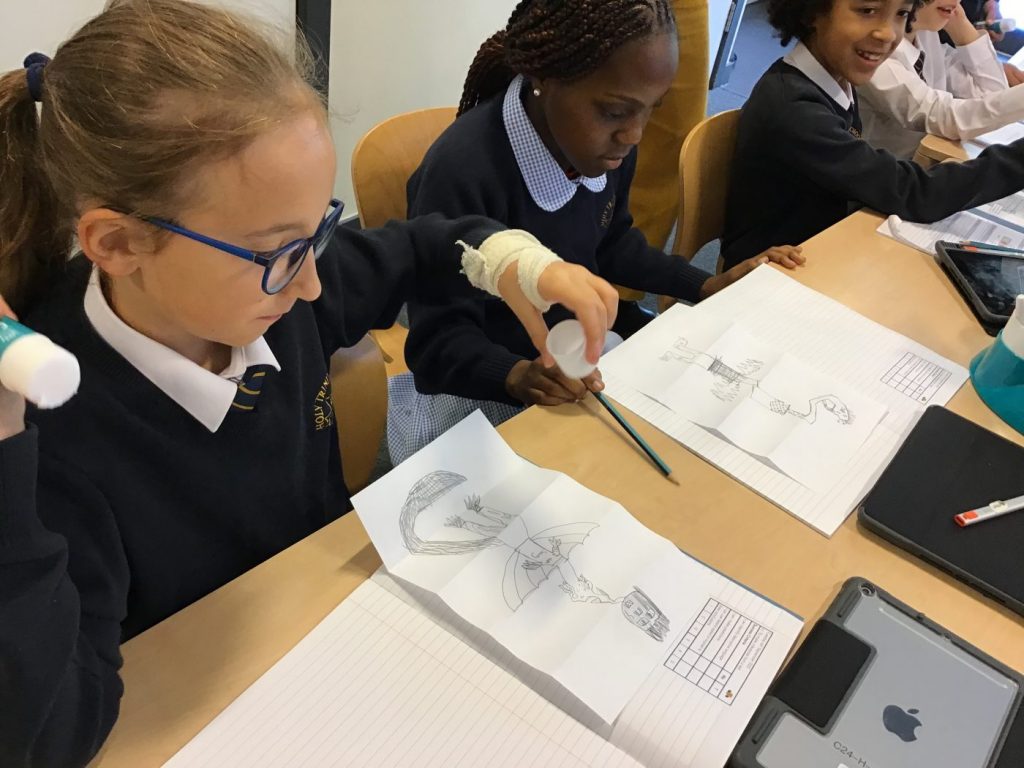
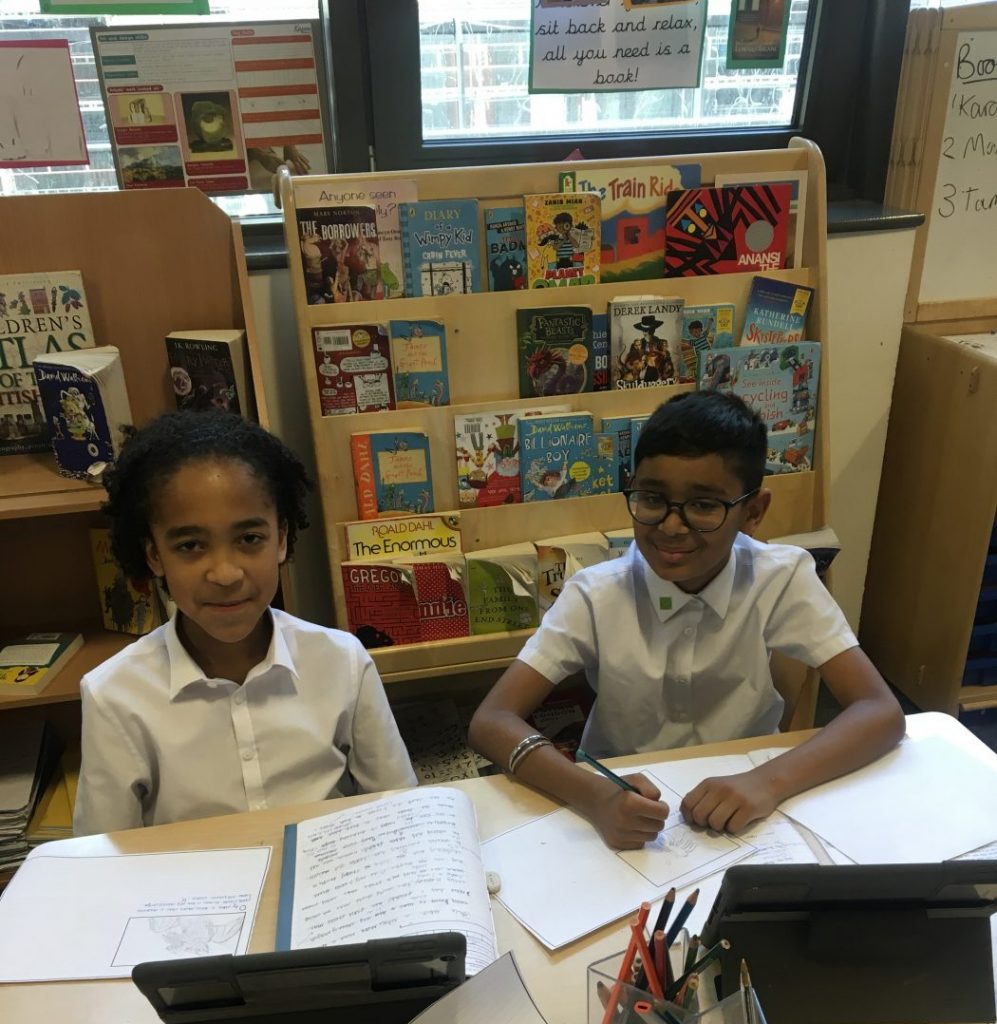
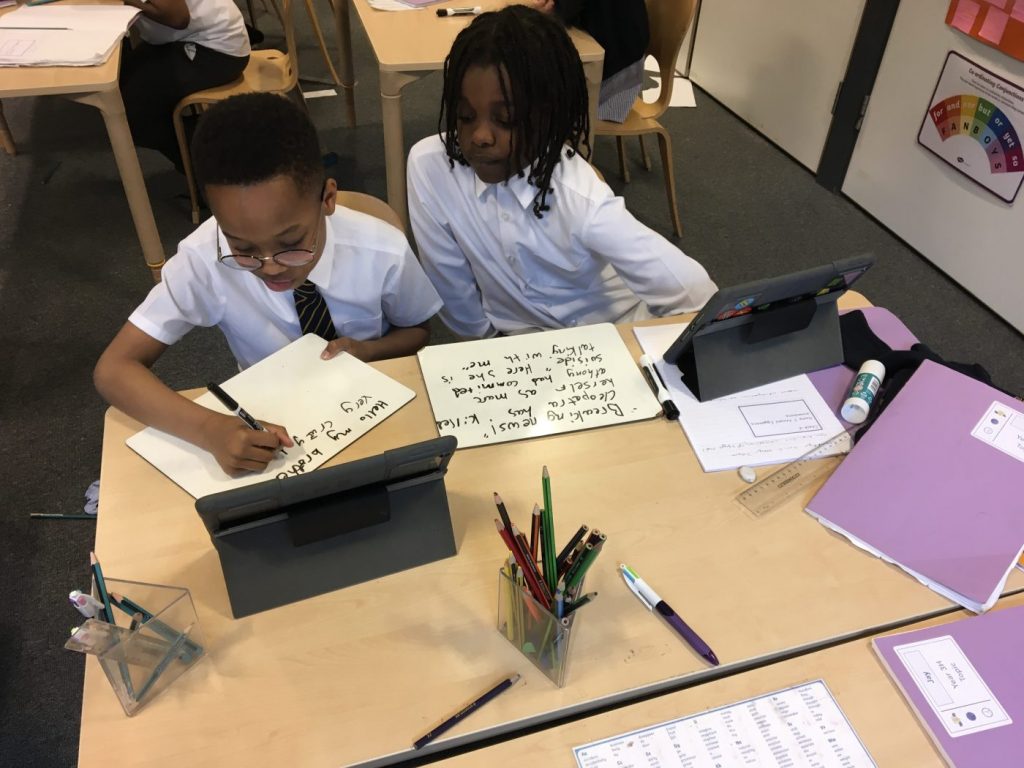
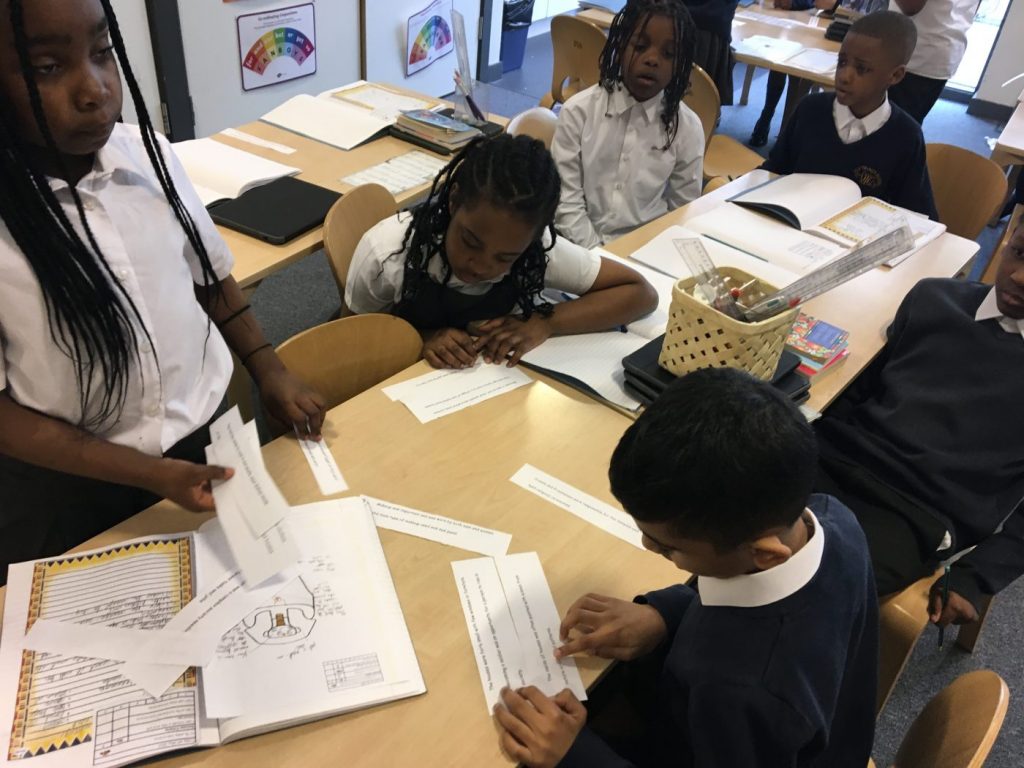
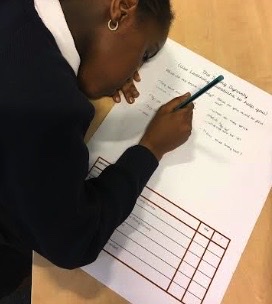
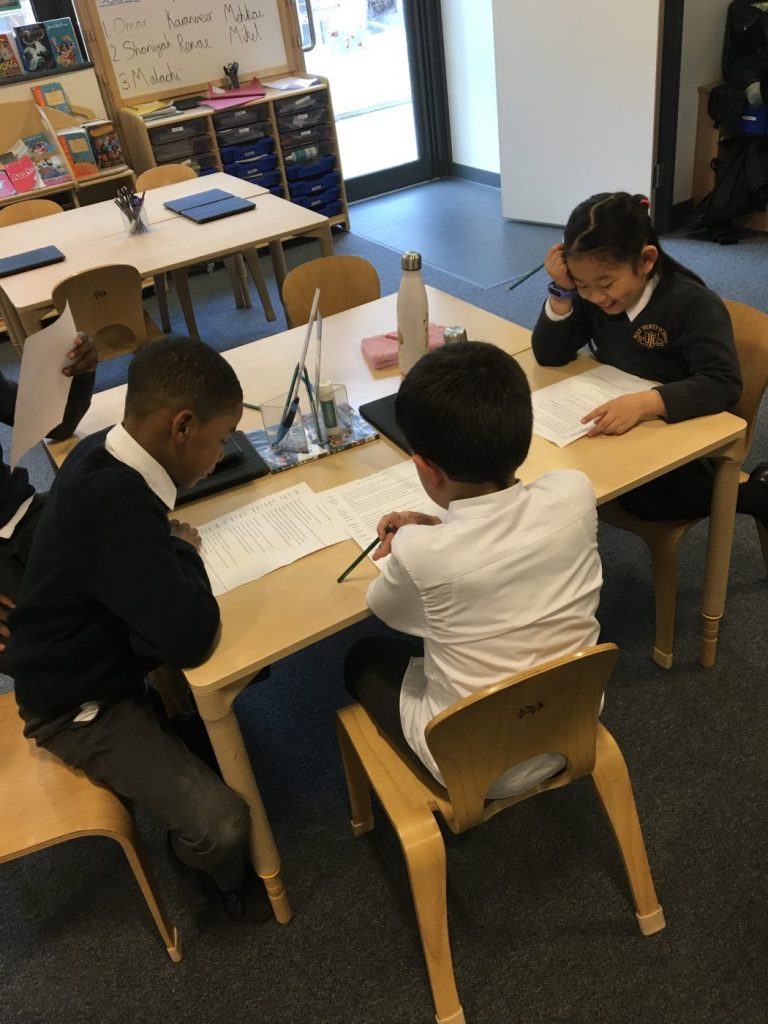
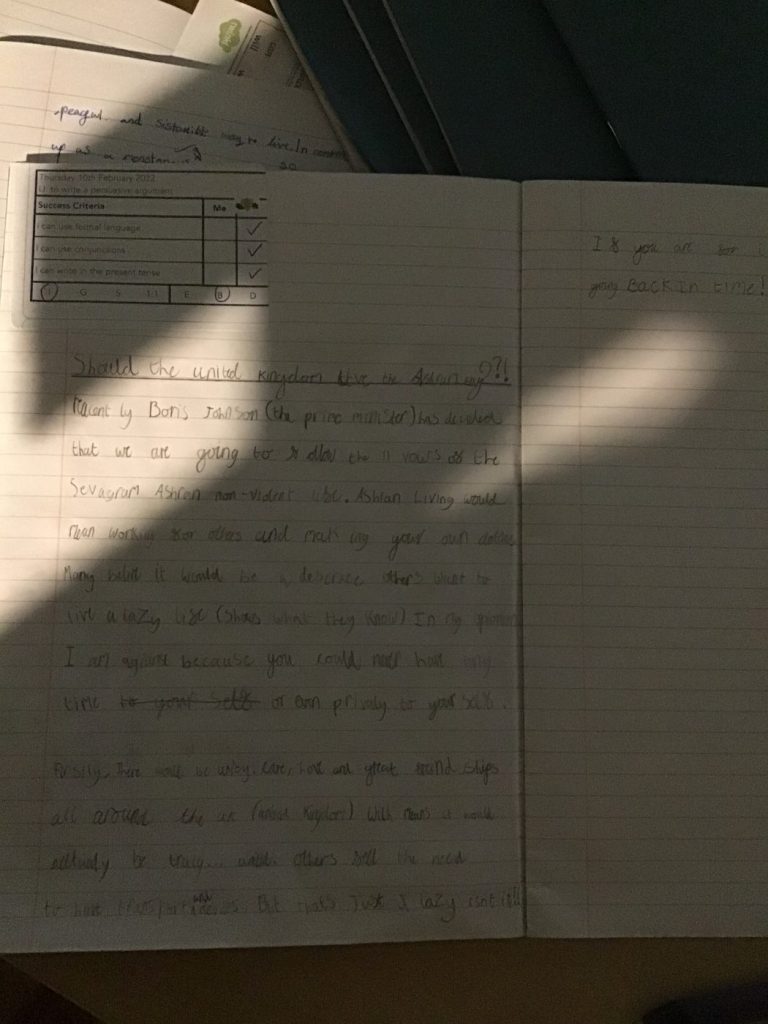
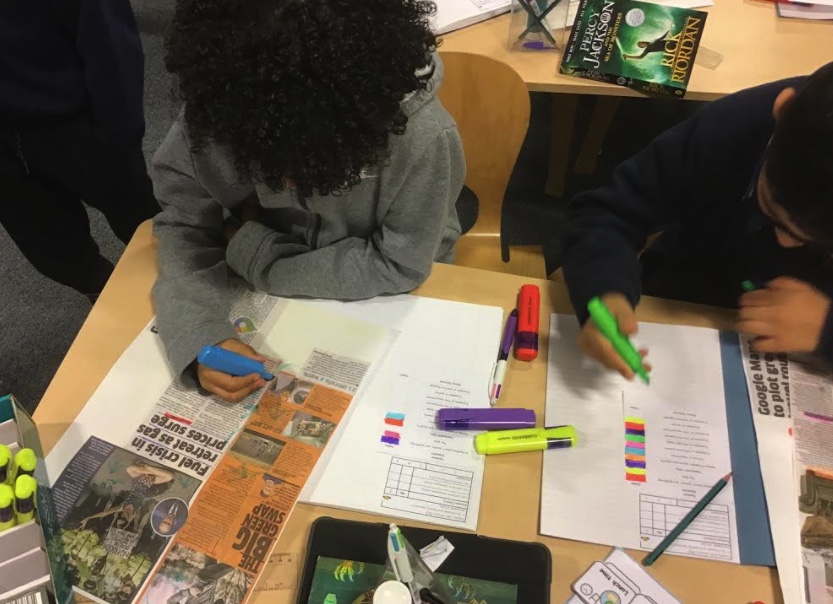
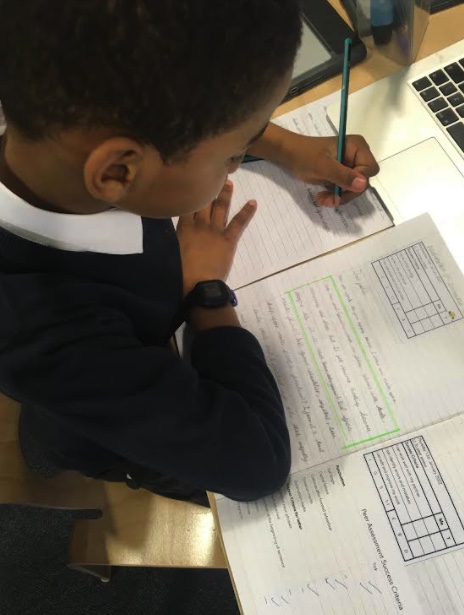
Edit: children re-draft their writing, with the direction of detailed teacher marking. Through the use of collaboration and modelled communication, children are then given a variety of opportunities to work closely with their peers to improve each other’s work as well as their own. Teachers also provide opportunities for independent editing through the use of a Prove-It that outlines key skills taught throughout the unit; this gives pupils the opportunity to assess their own work against the success criteria.
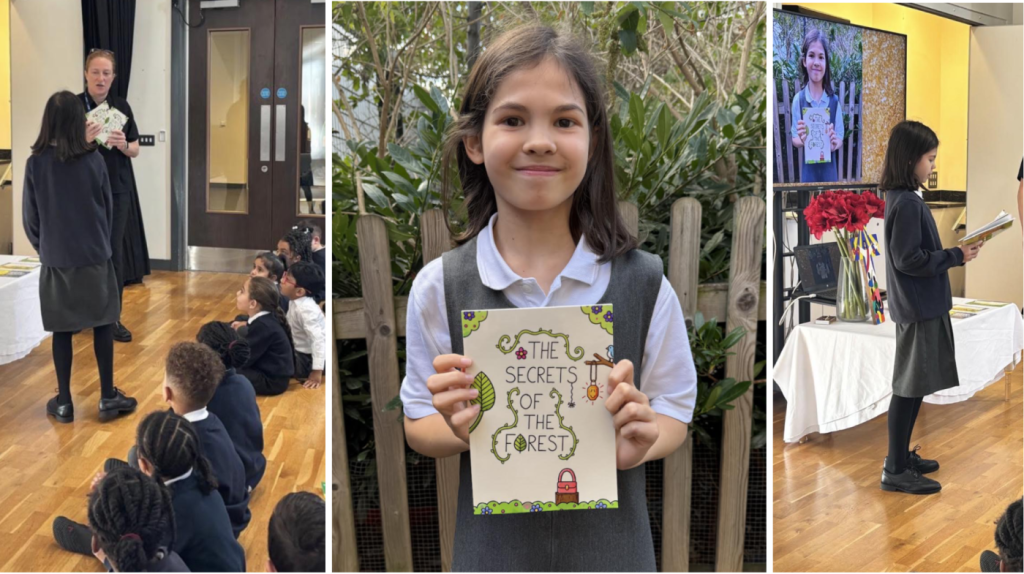
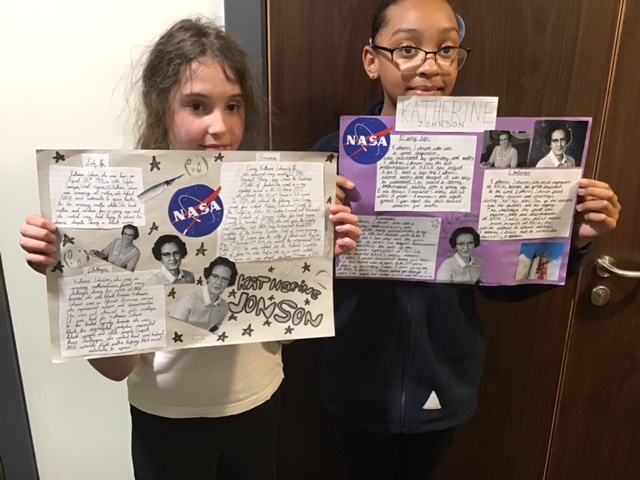
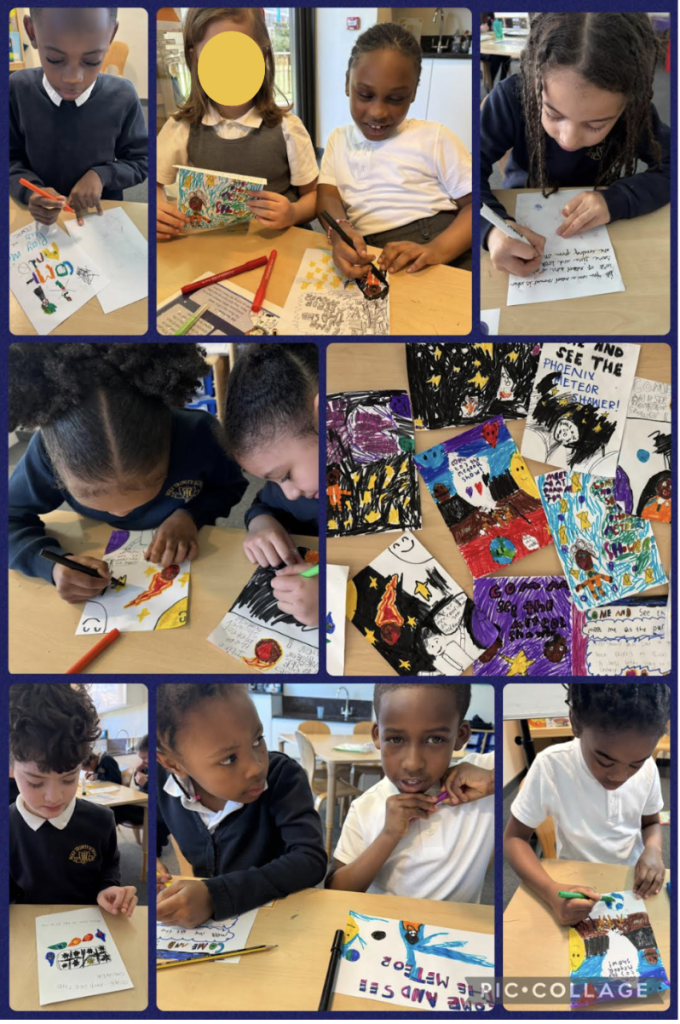
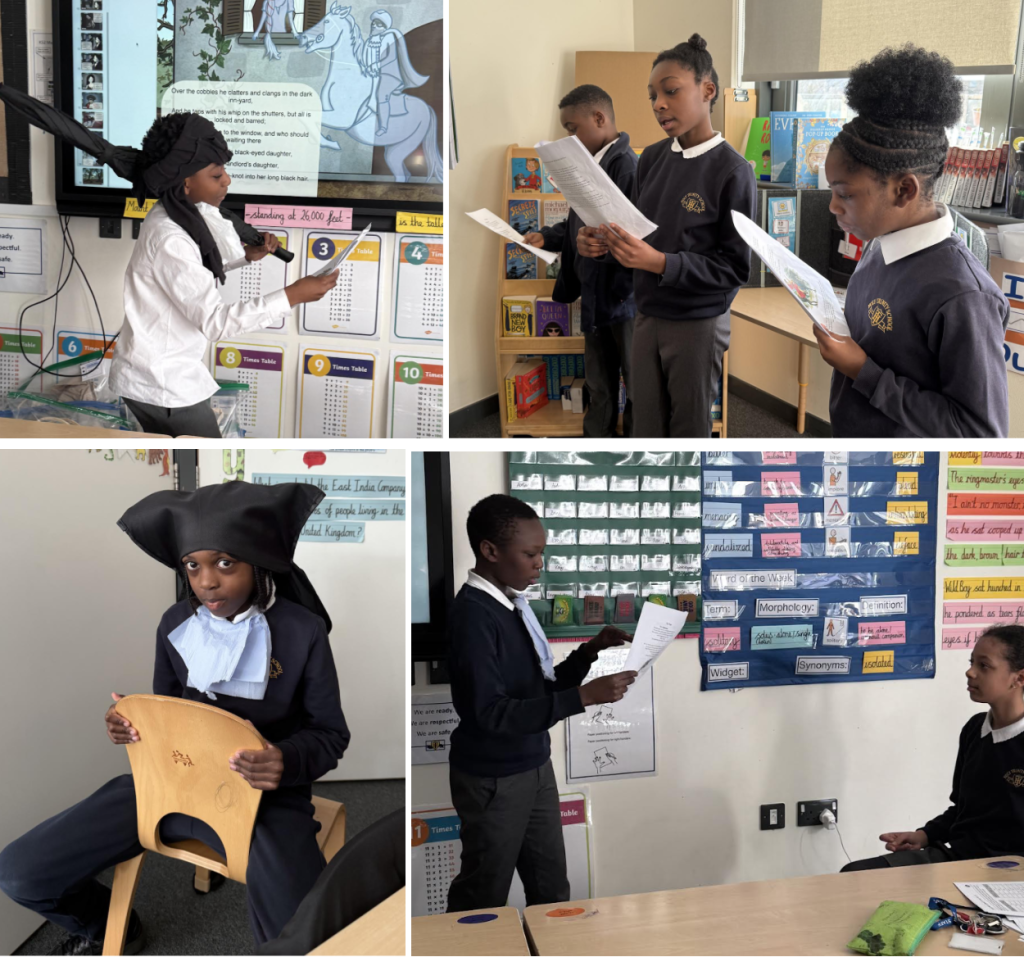
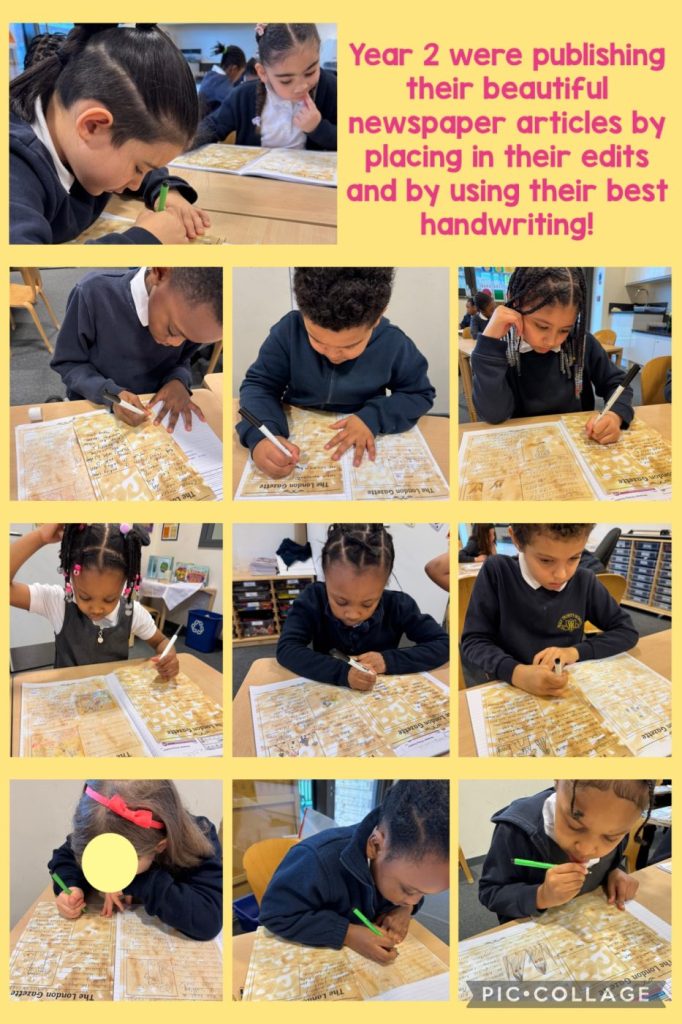
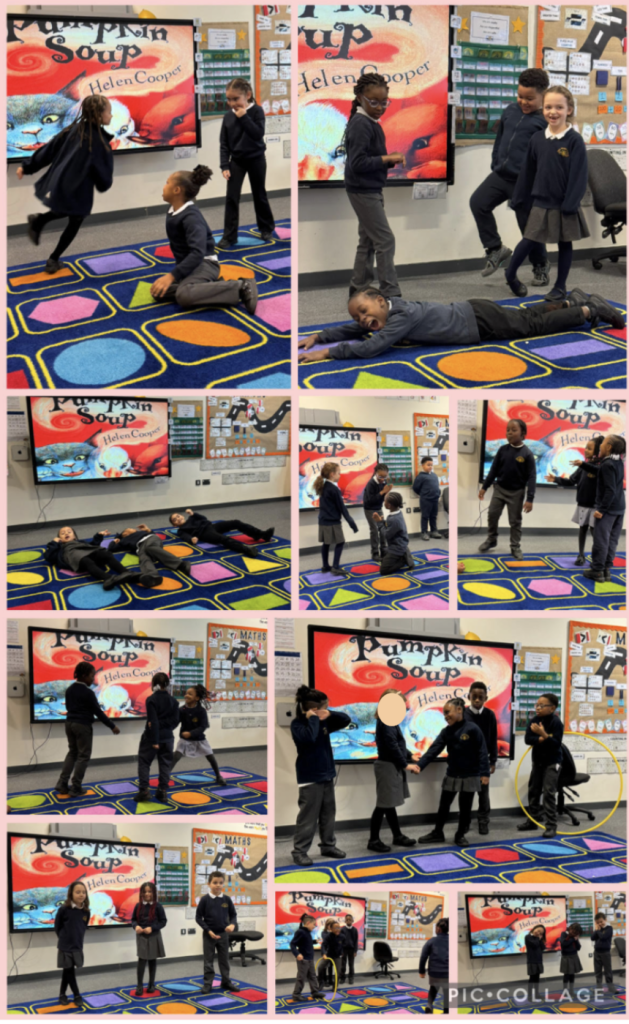
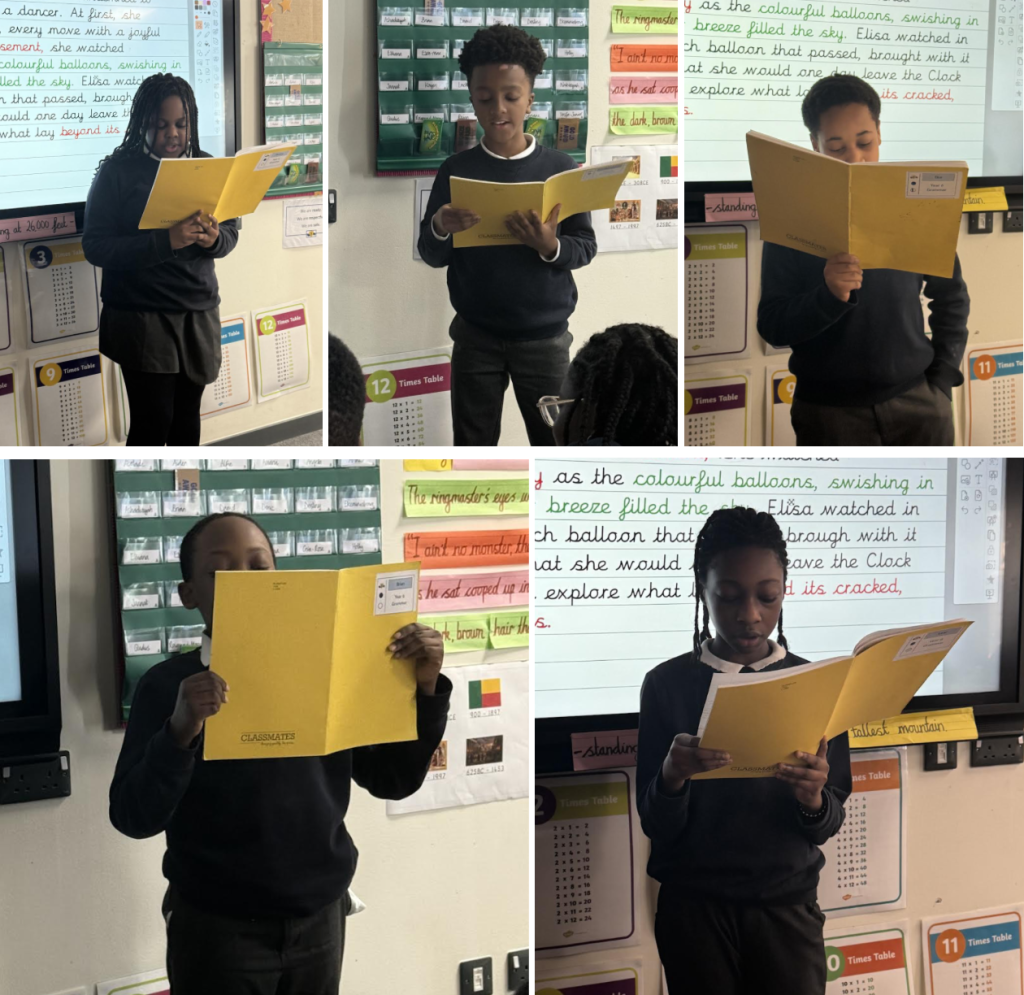
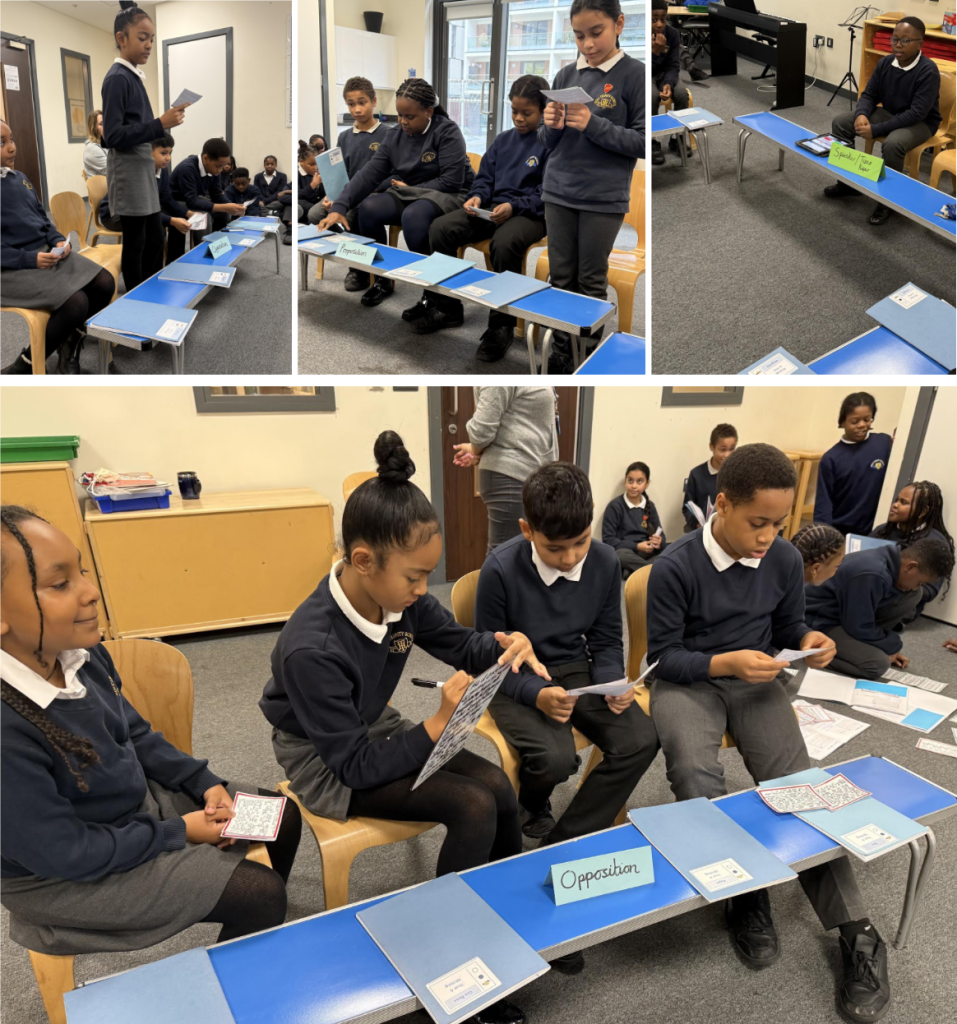
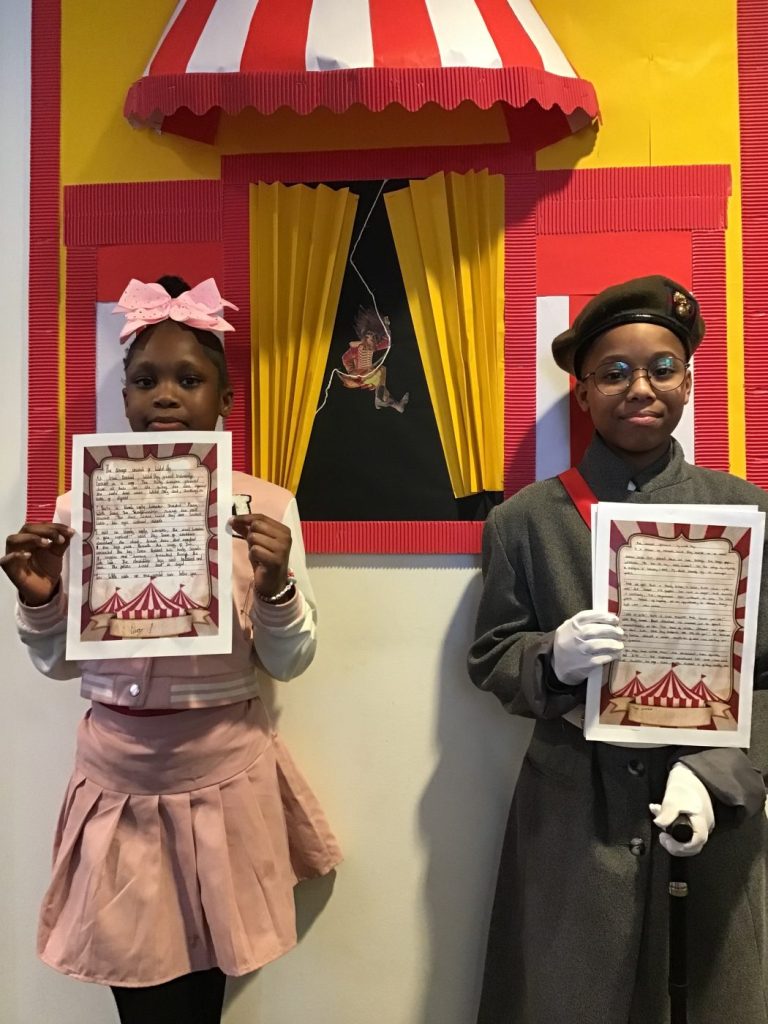
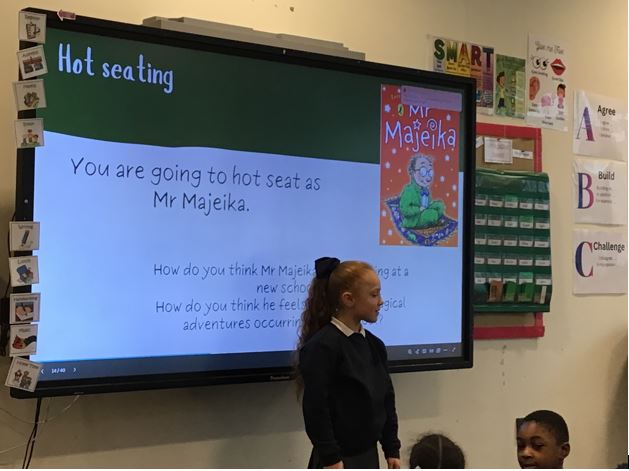
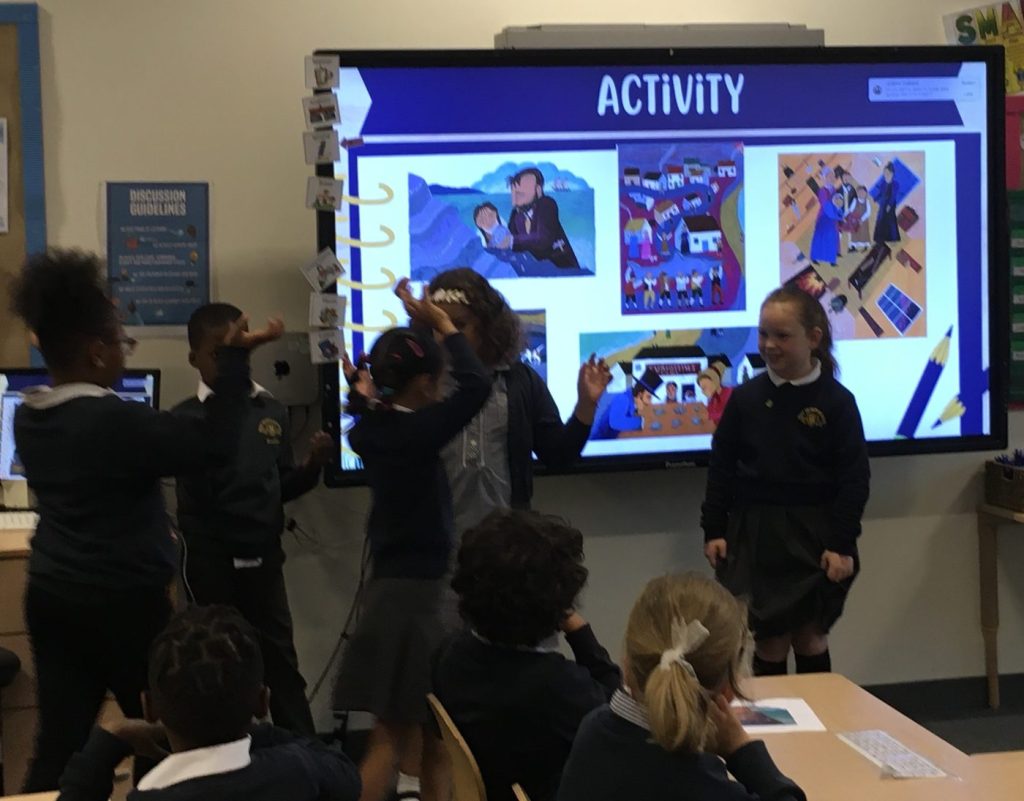
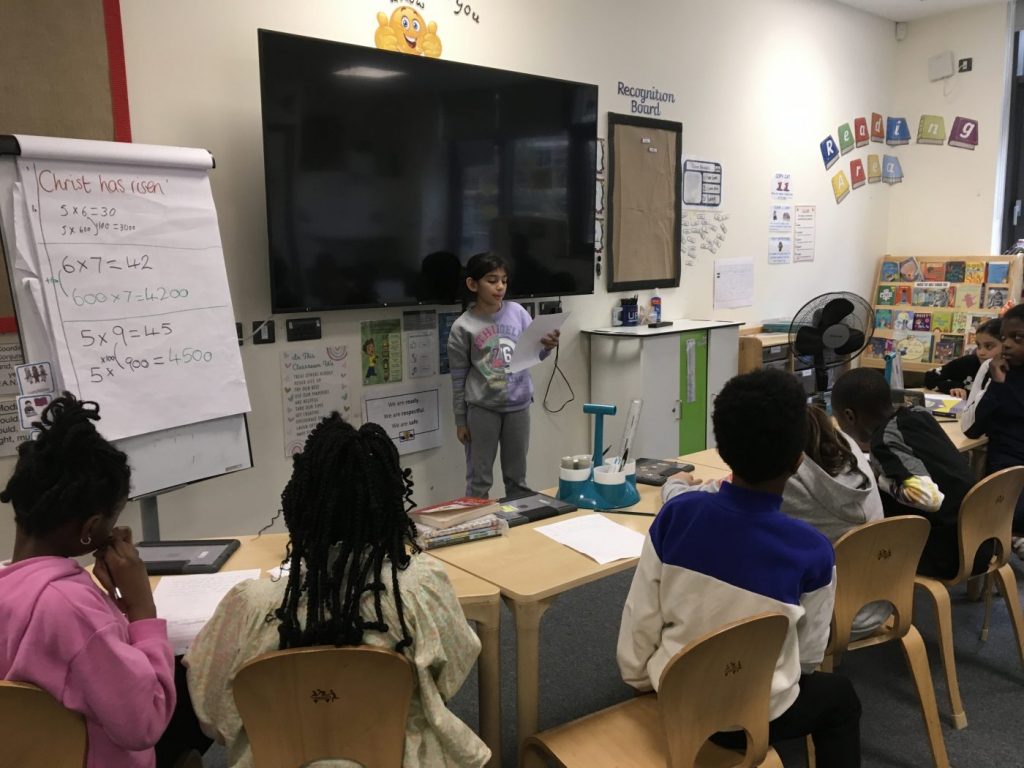
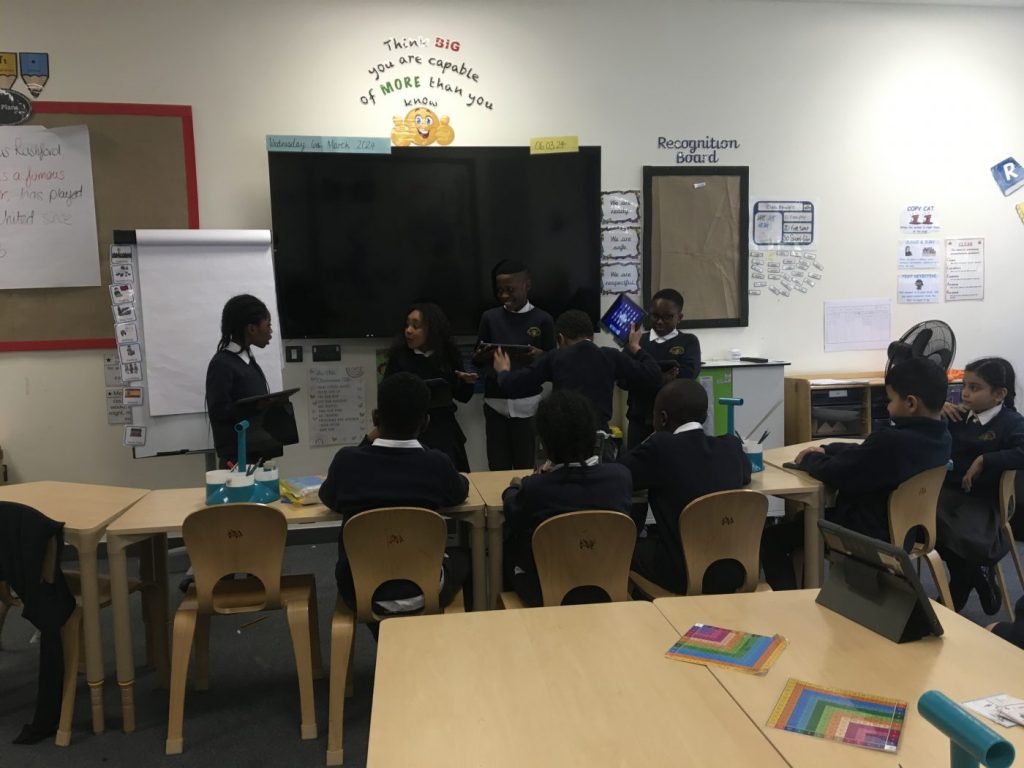
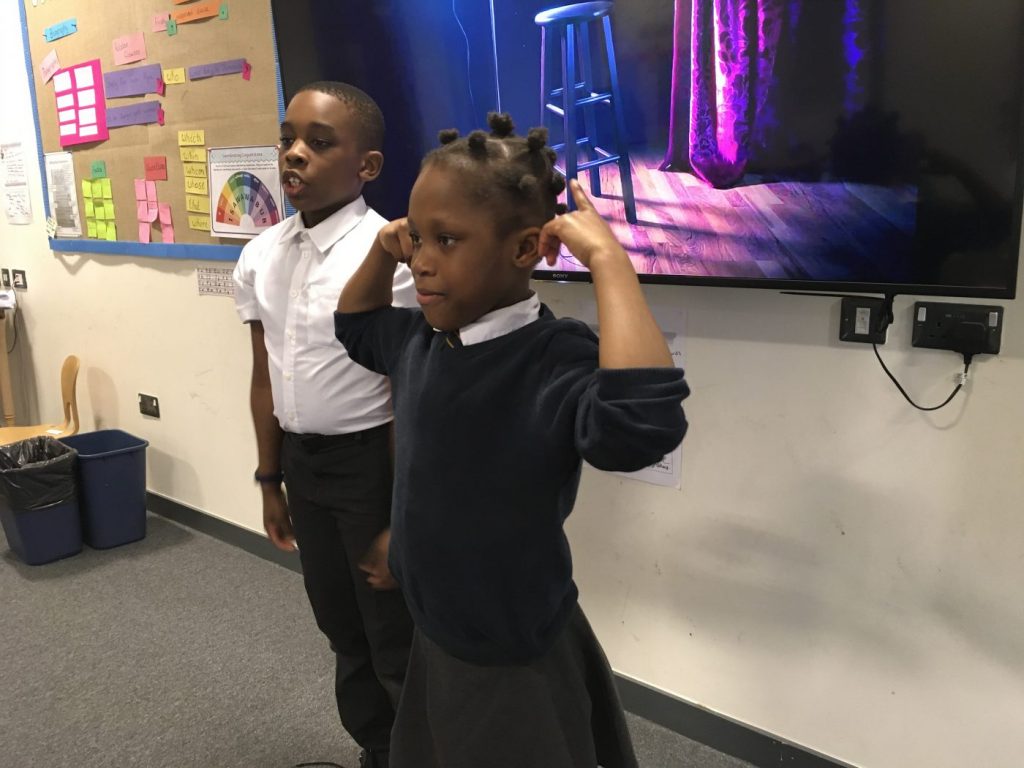
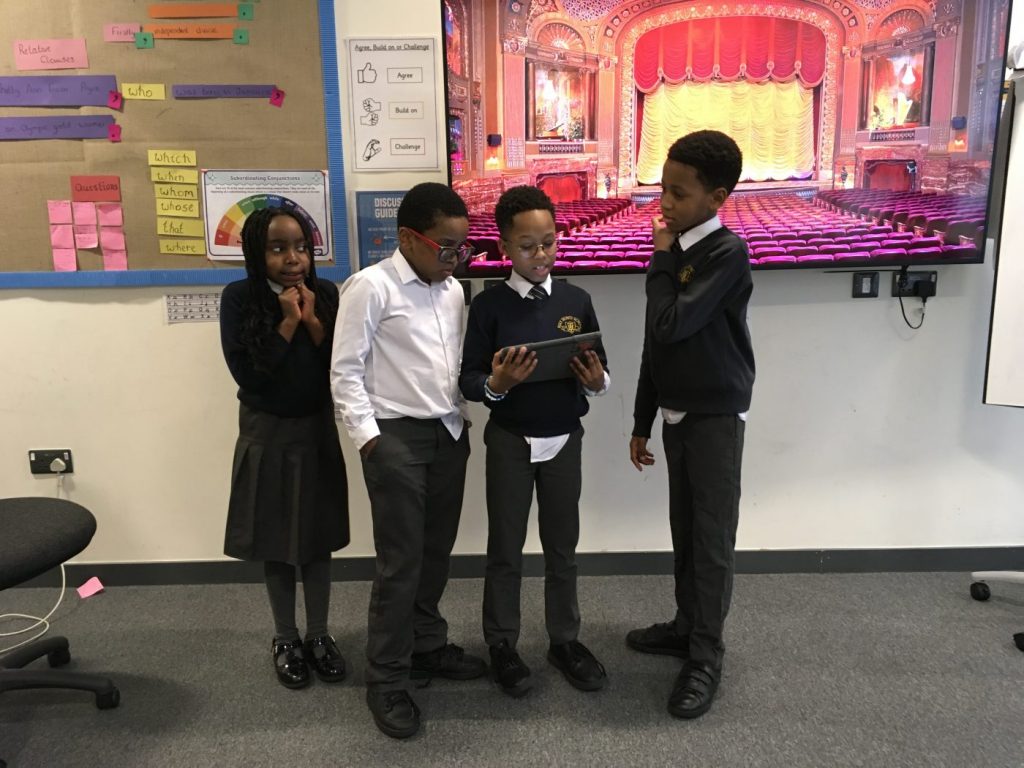
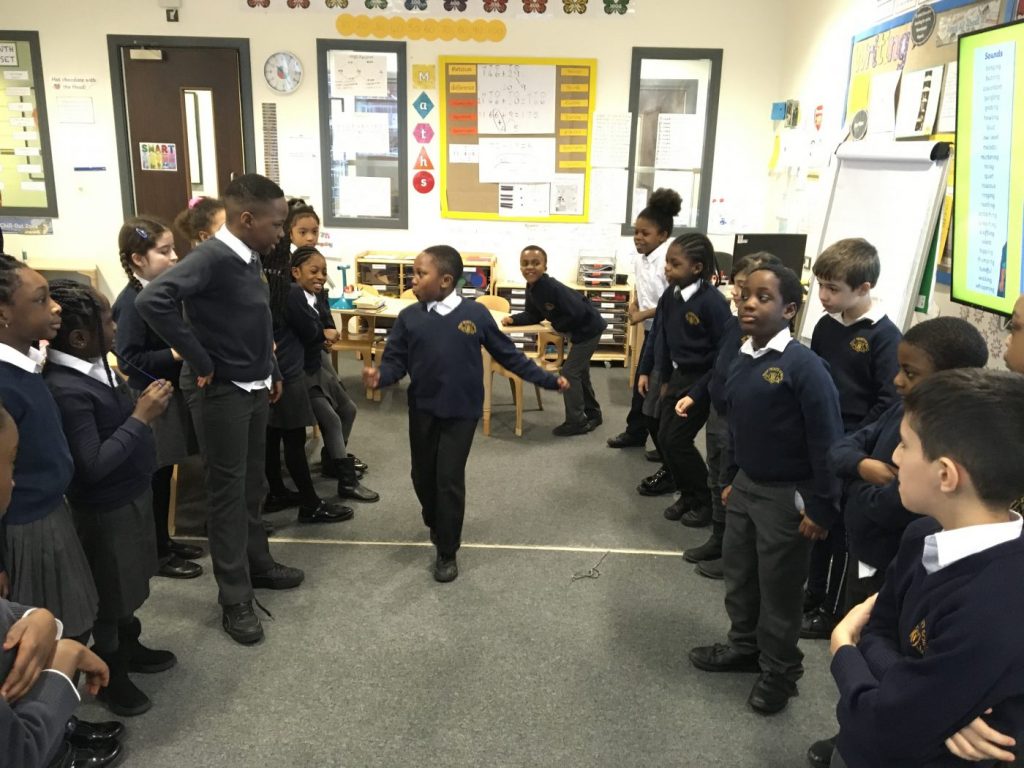
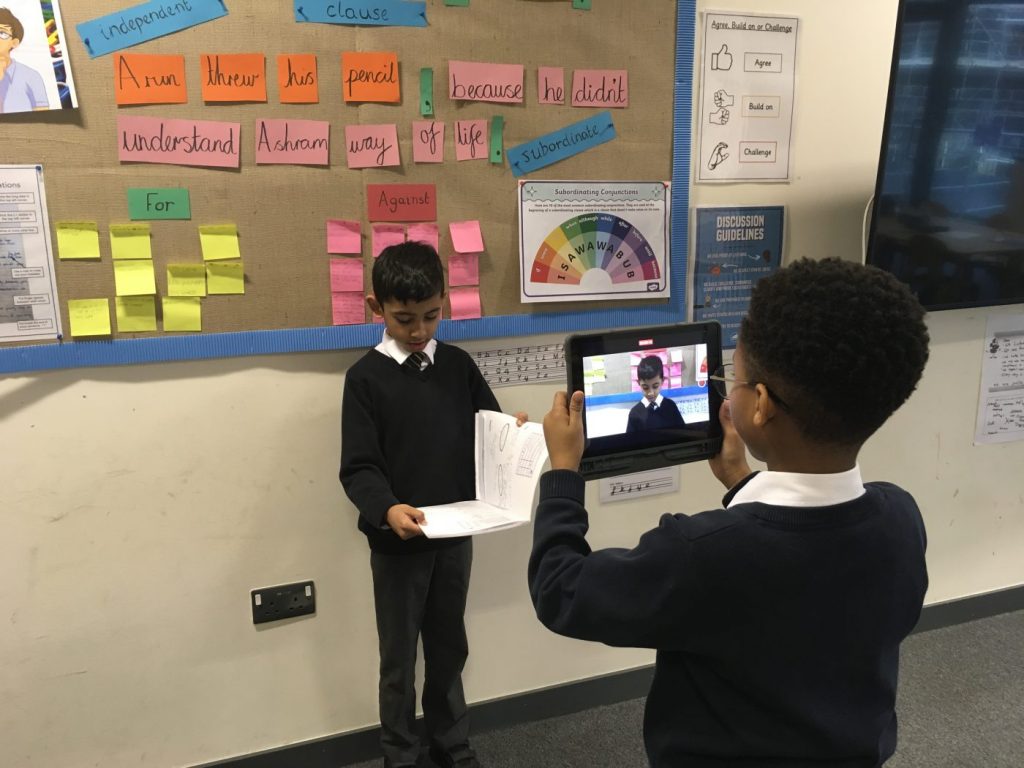
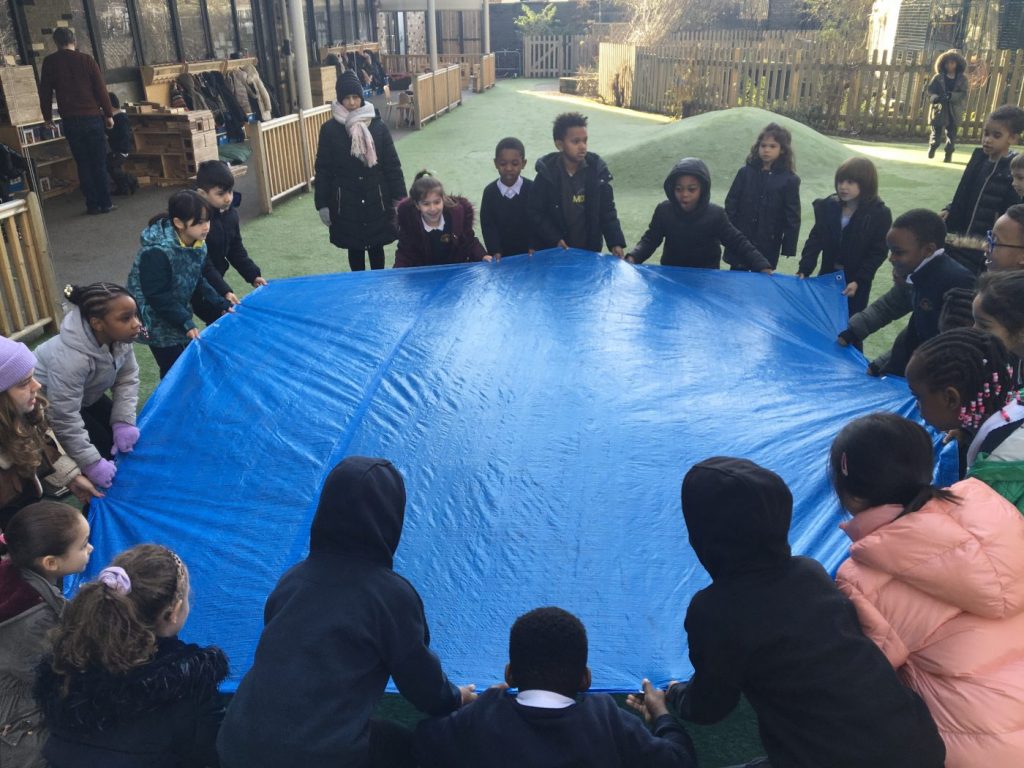
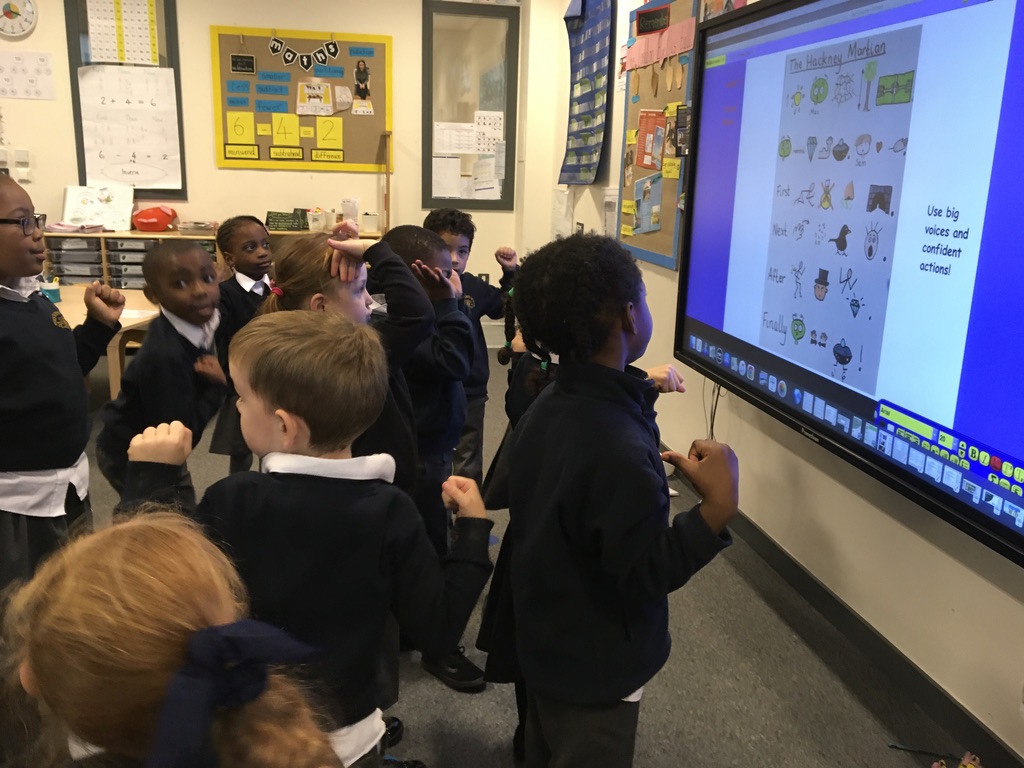
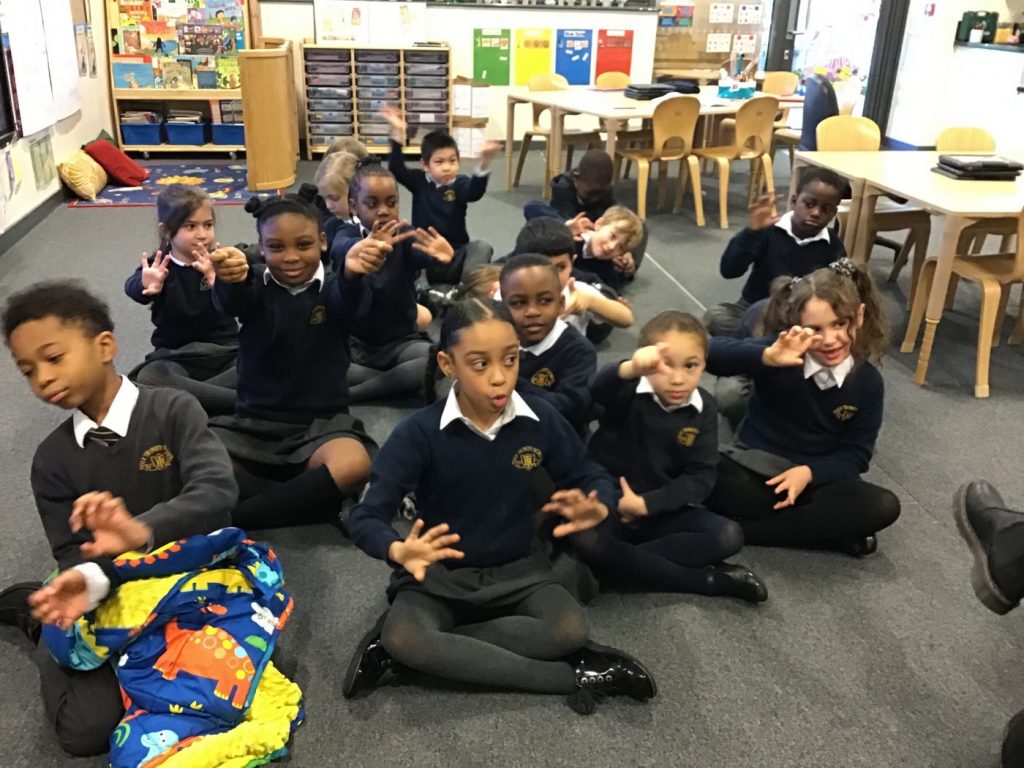
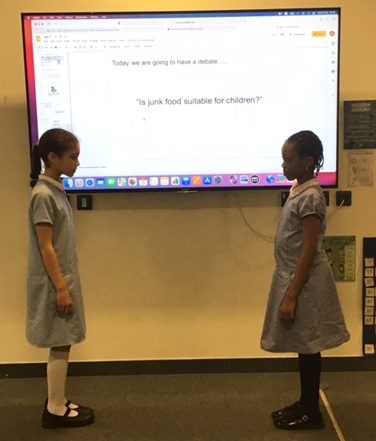
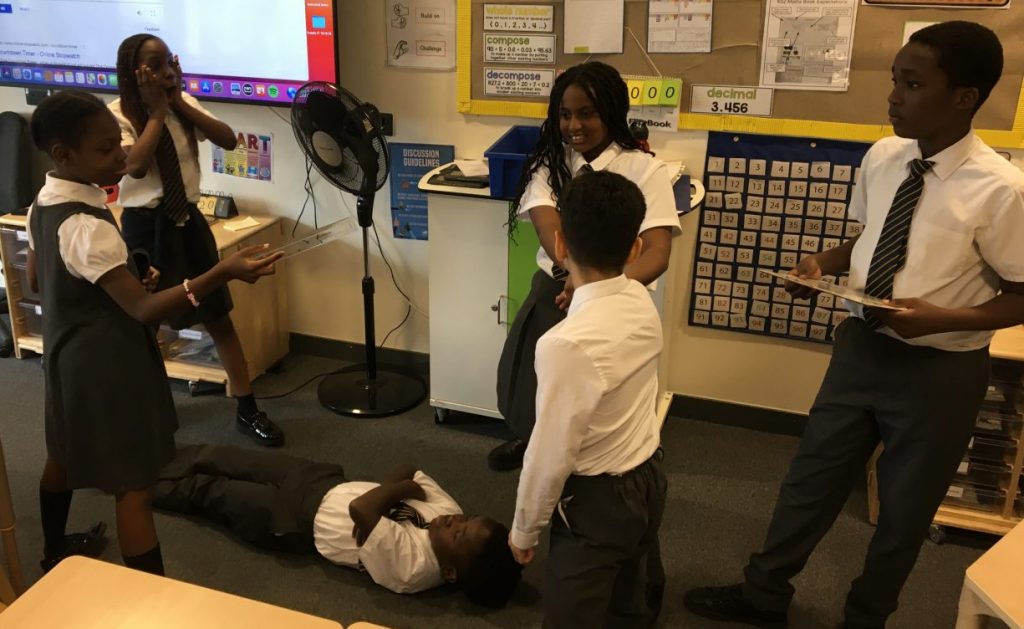
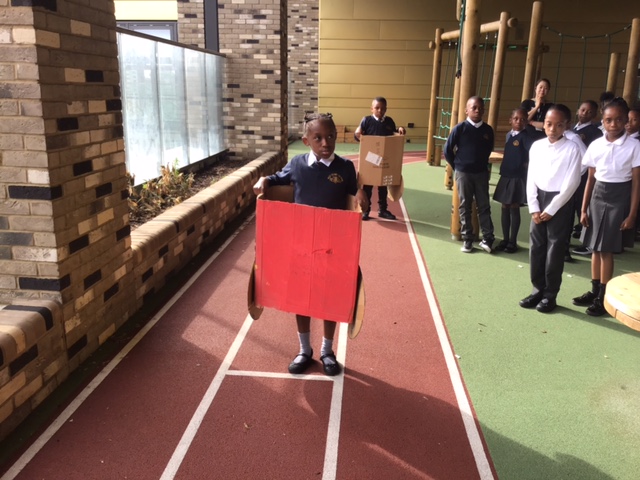
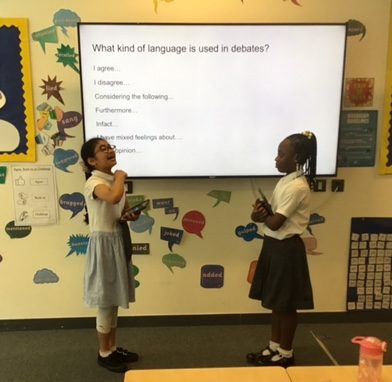
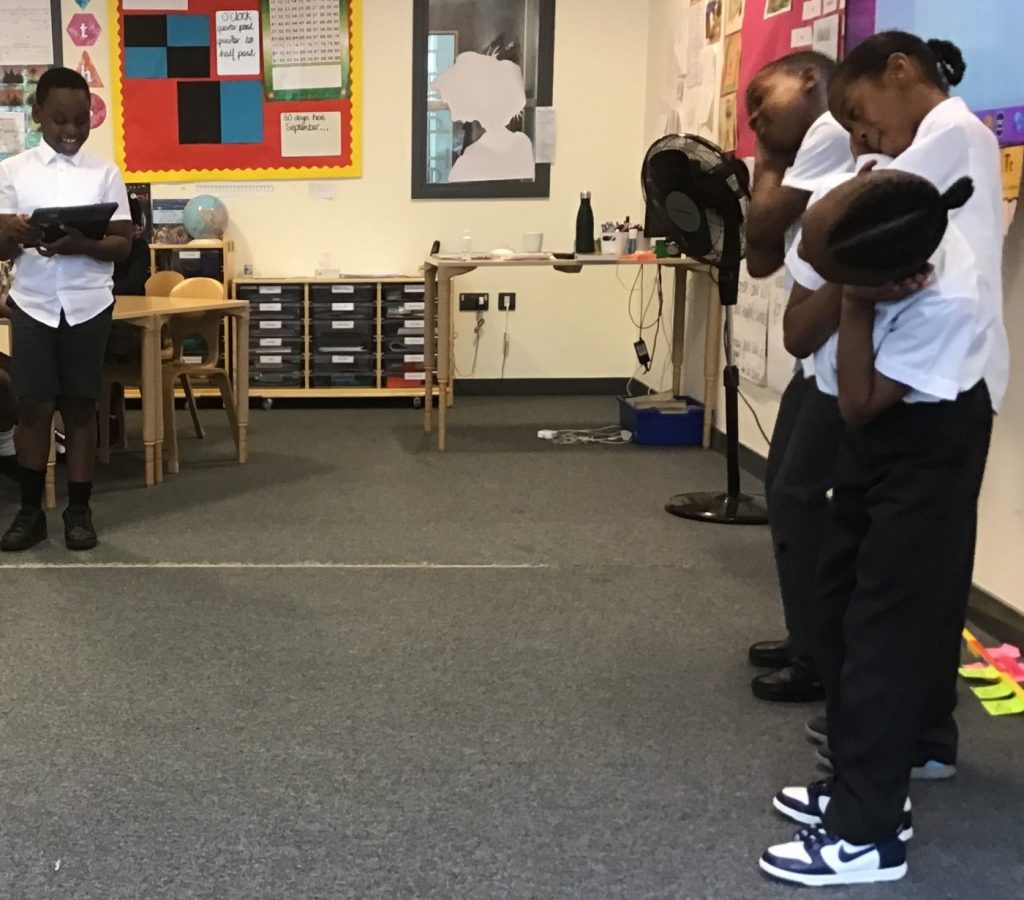
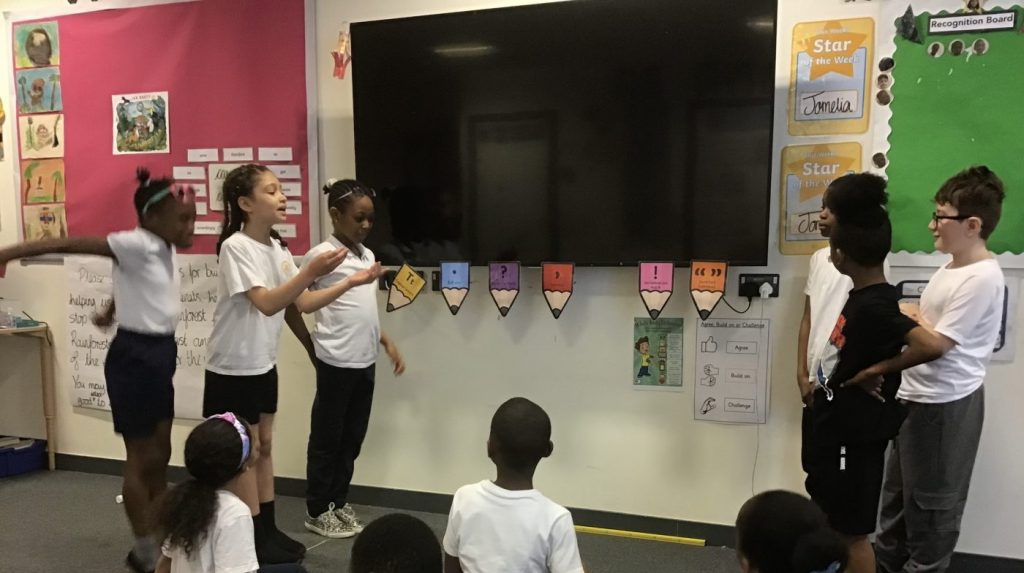
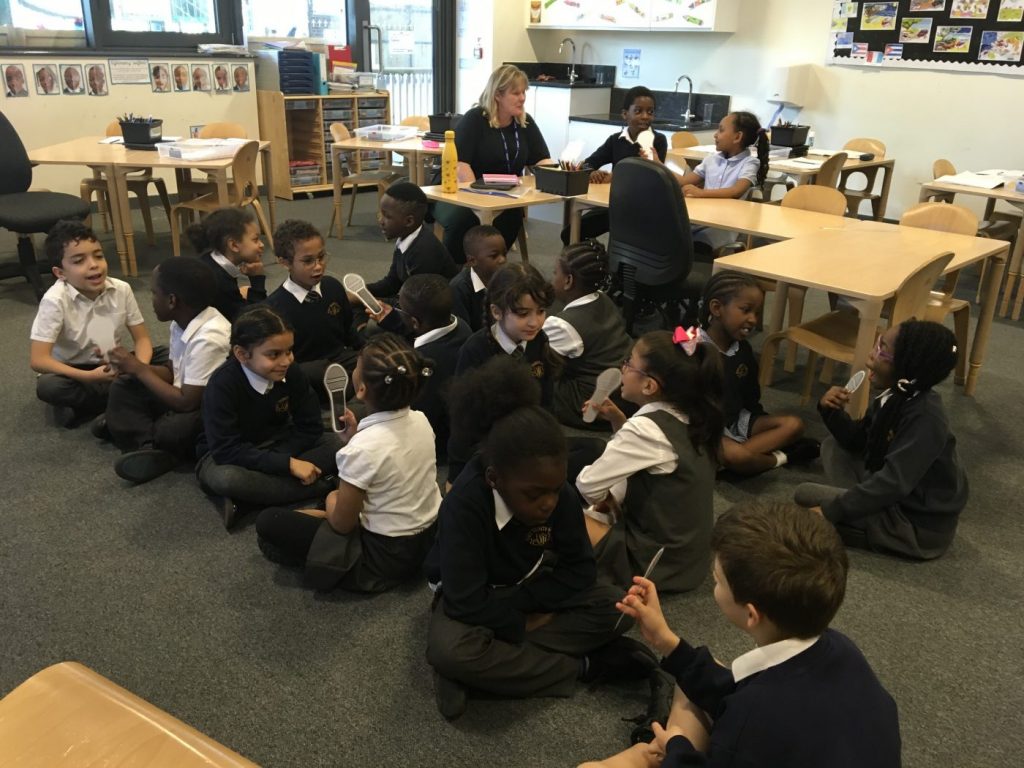
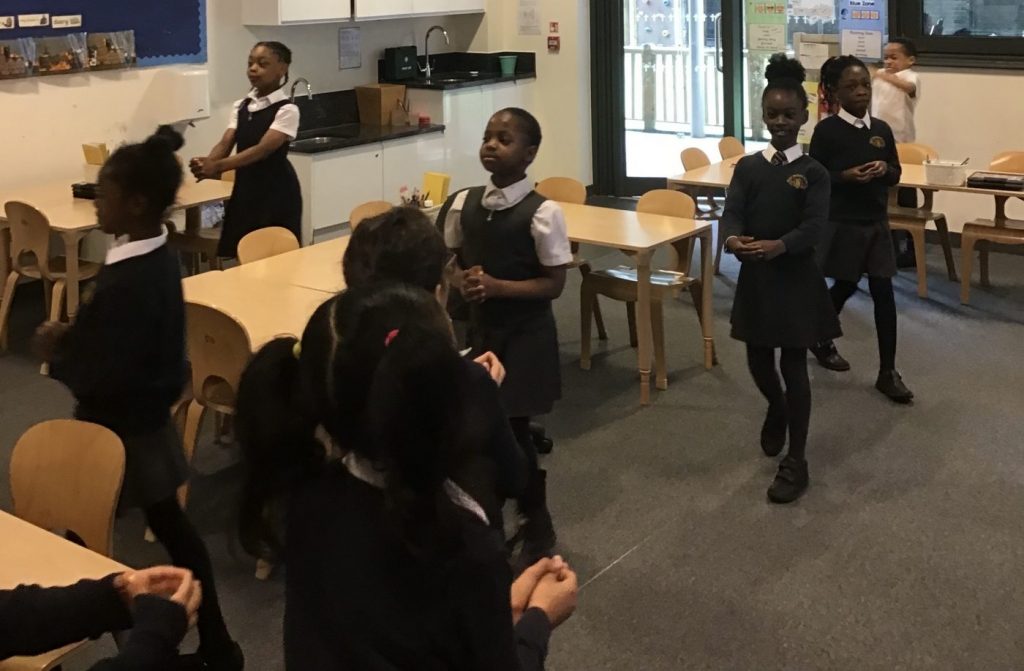
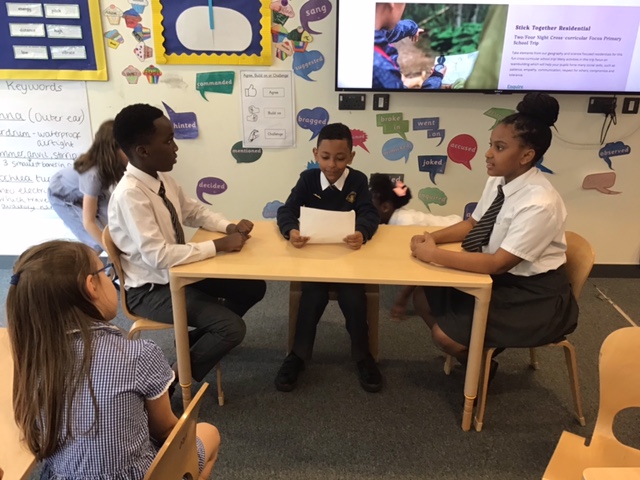
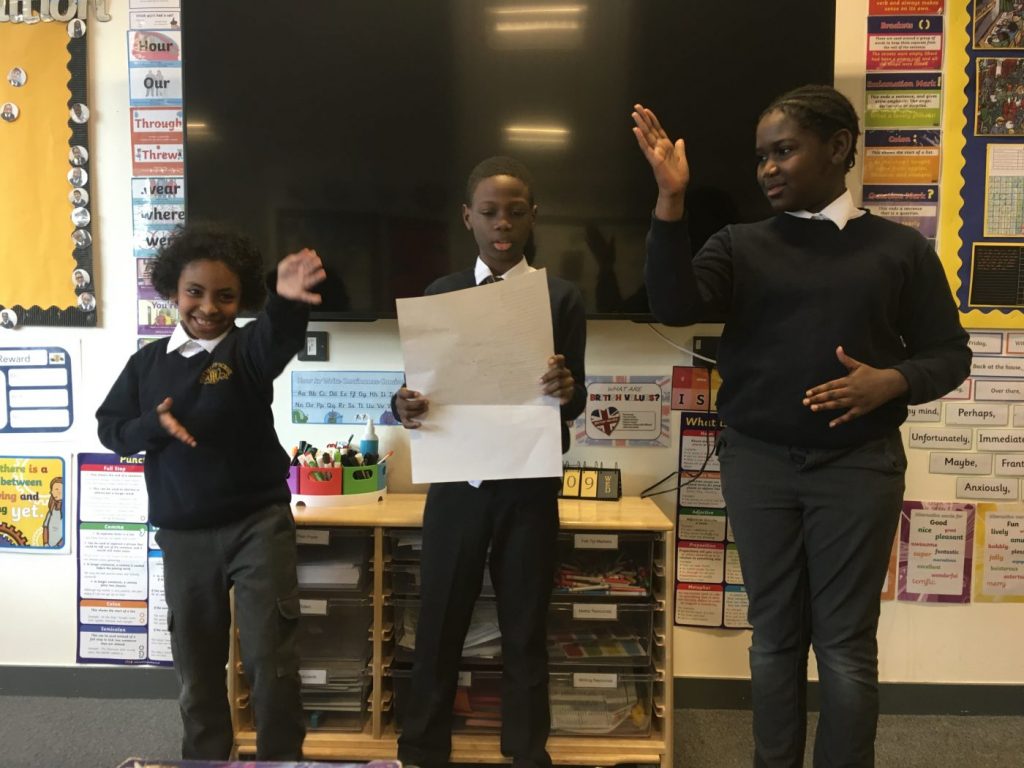
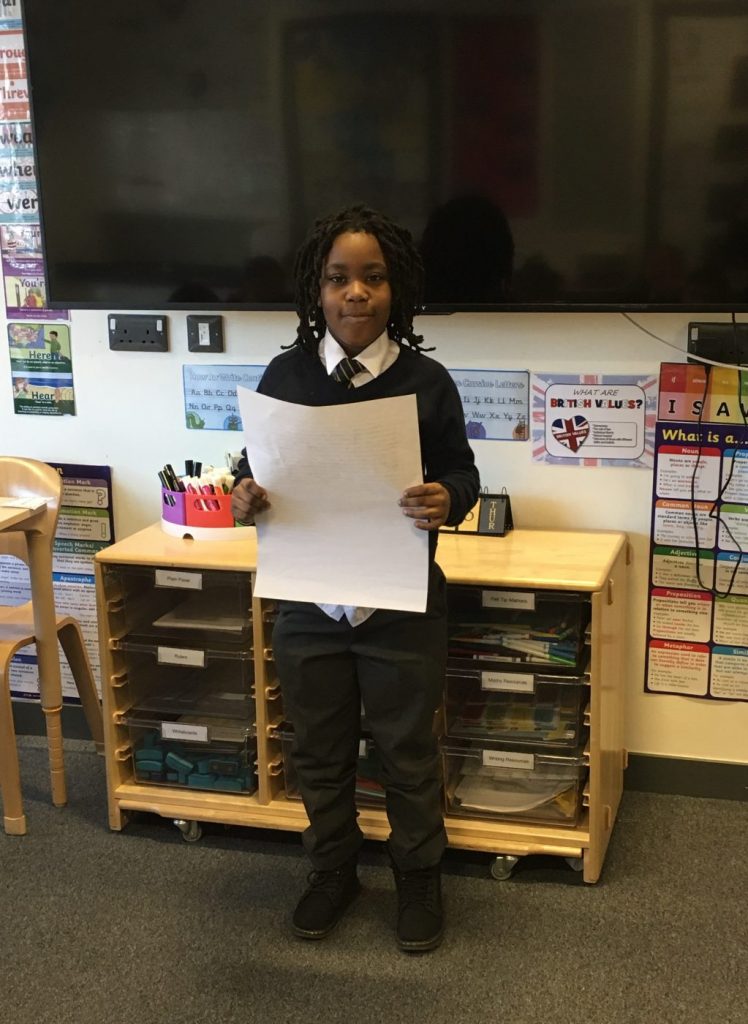
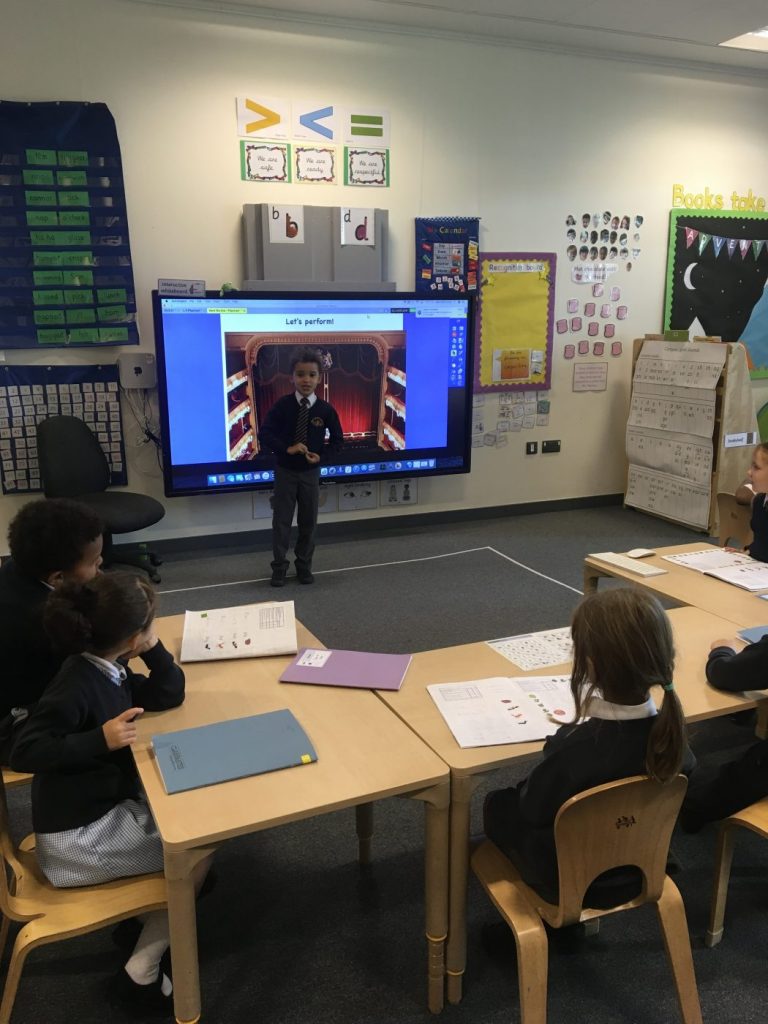
Publish: children publish cycles of work which are based around drama and performance. This enables children to work on their drama skills and to think carefully about key executional skills, such as: intonation, volume and movement. It also encourages children to listen and respond to their peers’ questions and answers about their compositions.
Independent write: following a completed cycle, children are then encouraged to create a piece of writing, which closely links to the work of their previous cycle. This enables children to showcase their independent strengths and needs, whilst allowing the teacher to set individualised targets for the following cycle.
Writing Across the Years
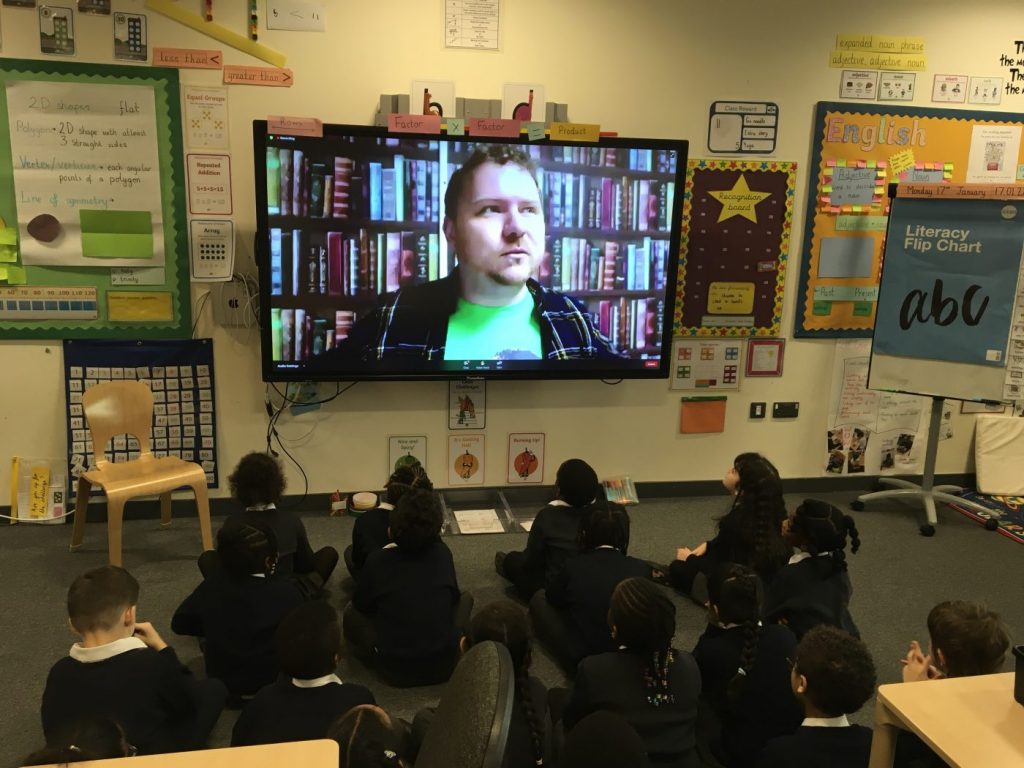
Books that the children use as a stimulus for writing are planned across the year to ensure they remain relevant to the children and there is a breadth of genres covered. The books we read and share are in the Writing Curriculum Overview below.
Use this link to see the books each year group uses to support their writing: Writing Spine
The document below provides details of the key learning in Writing for years 1 – 6. To view the document please click the link below:
Writing Fundamentals
Spelling and Handwriting
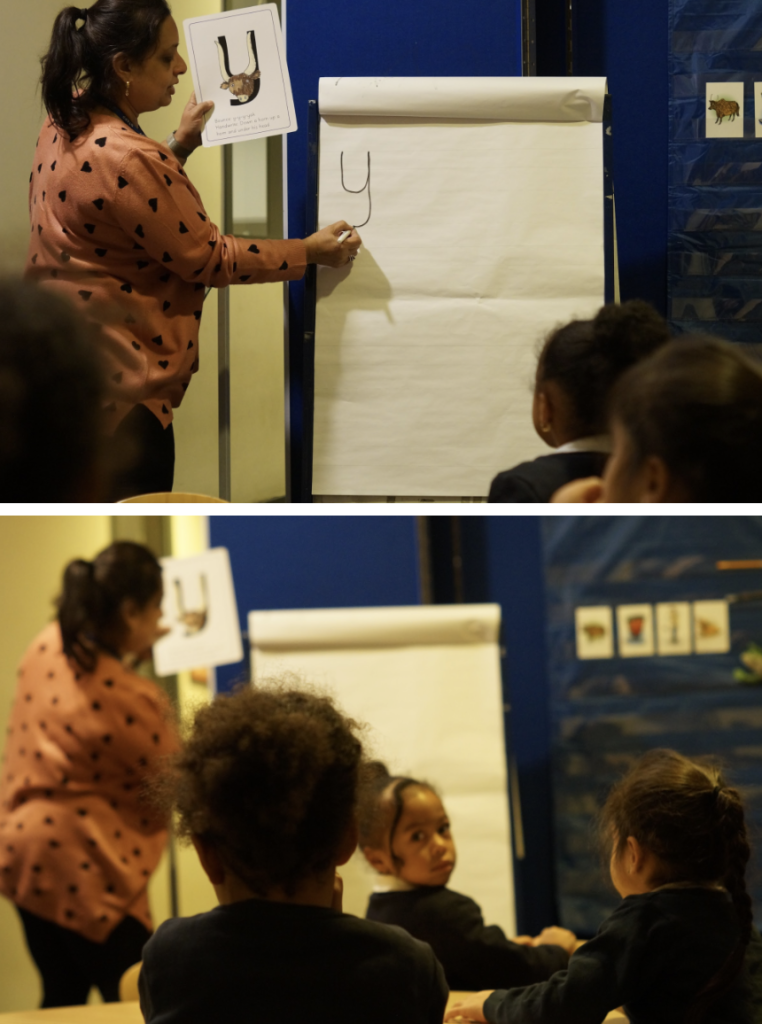
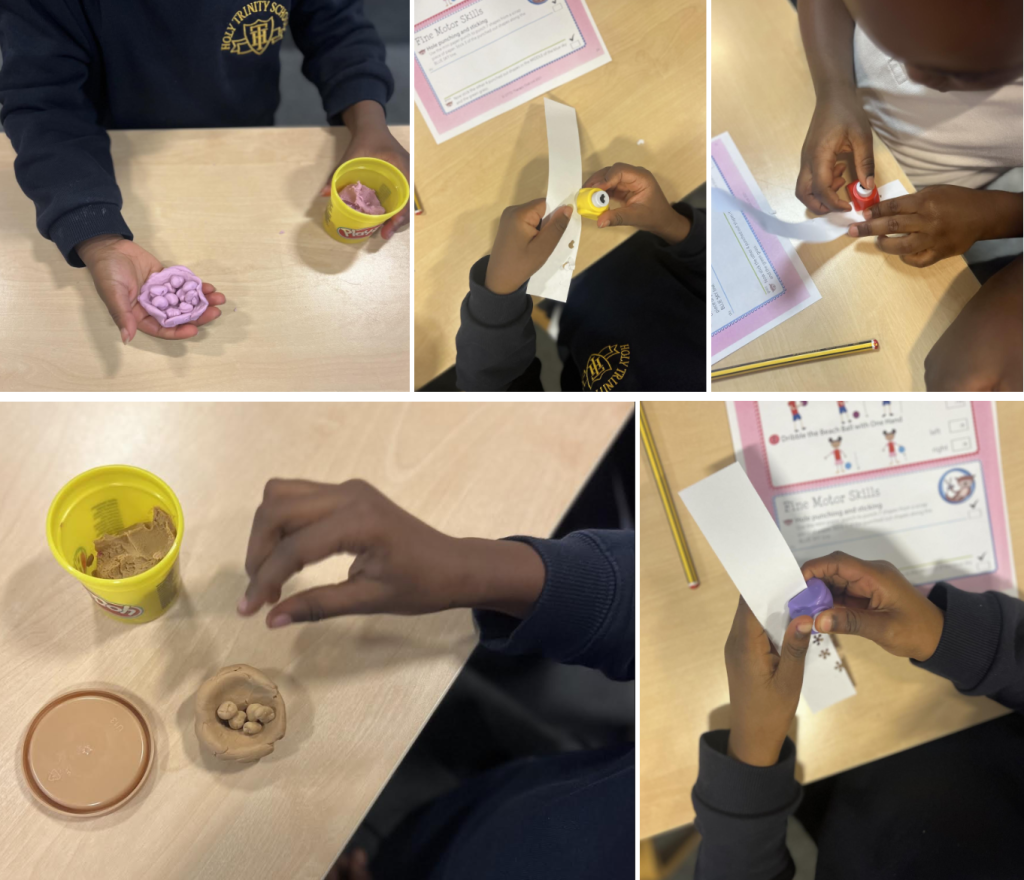
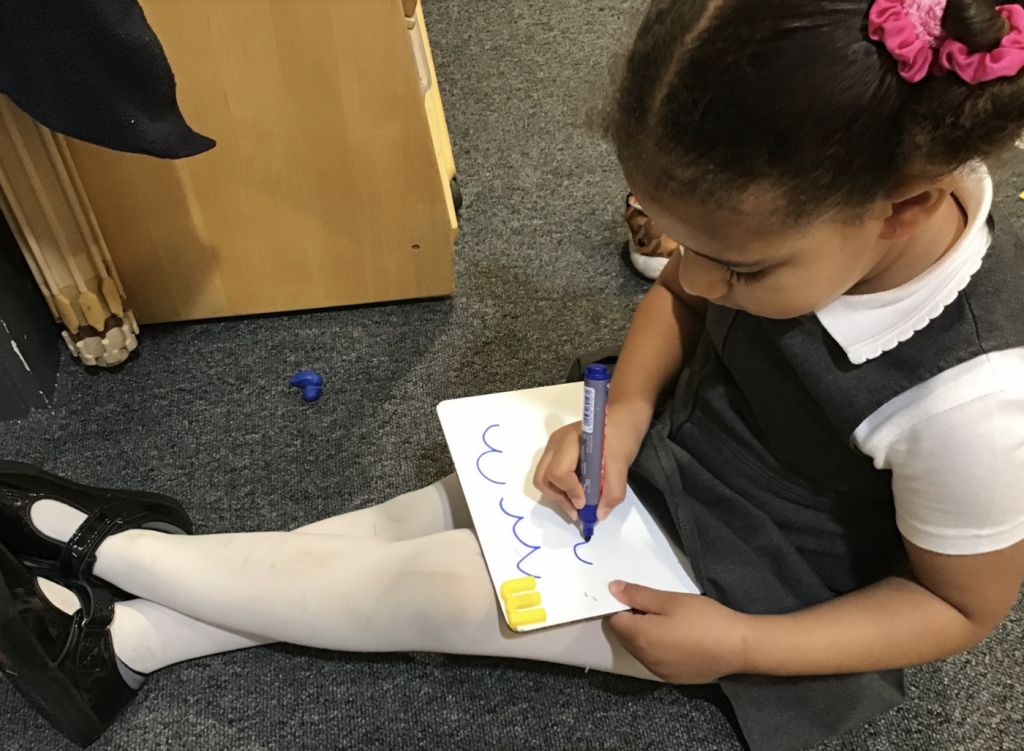
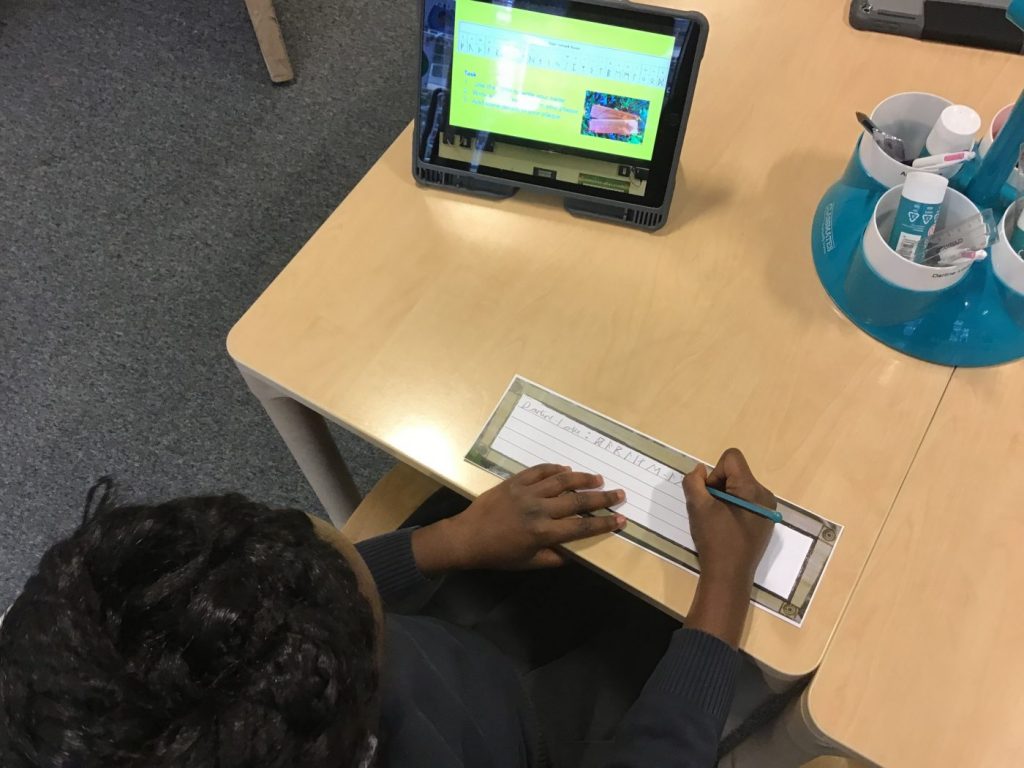
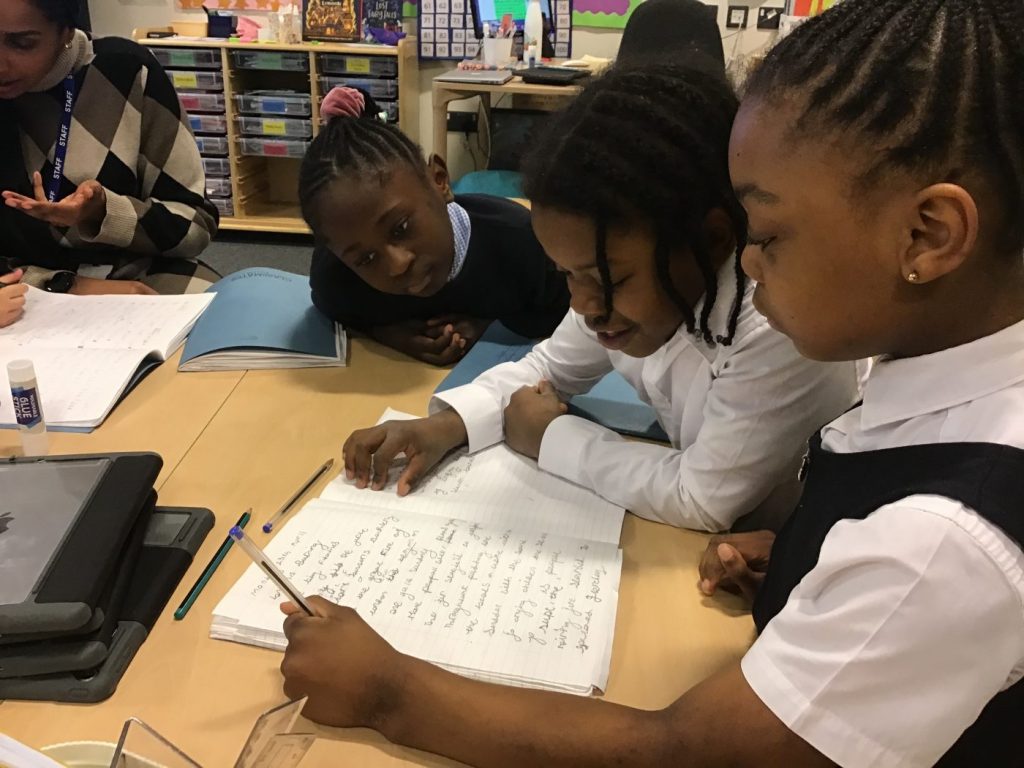
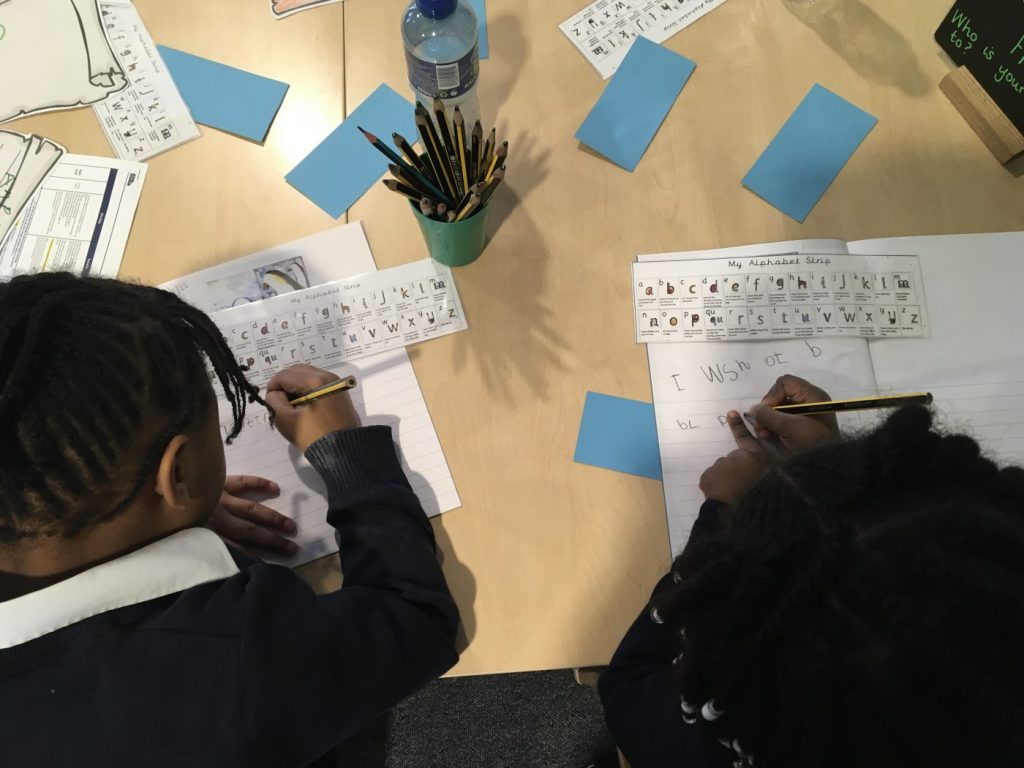
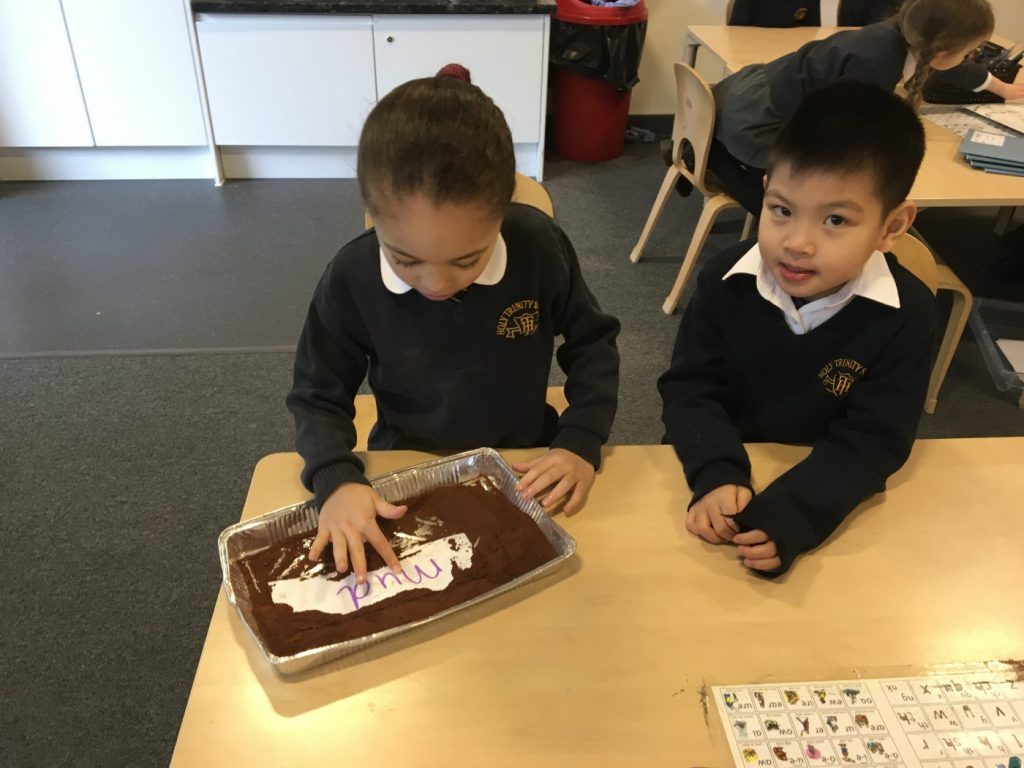
We teach children to use a continuous cursive style of handwriting. They start with individual letter formation and correct pencil grip in EYFS. Children begin to join when their letter formation is secure; usually, from the end of Year 1. In Establishment phases, children across the school continue to practise handwriting and are rewarded across the curriculum for neat, cursive presentation.
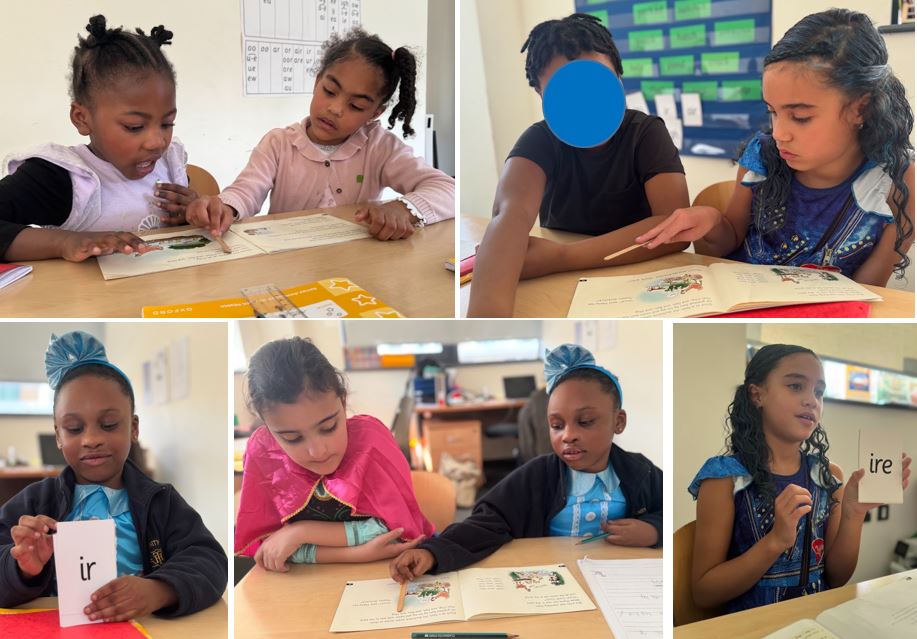
In years 1 and 2 children use the Spot it, Say it, Write it strategy (spot the pattern, say the word, write the word), underpinned by RWI Phonics, to learn a set of words from the National Curriculum on a weekly basis. Teachers will explicitly teach the spelling pattern over four days before testing on a Friday.
From Year 3 to Year 6, children use the Holy Trinity Primary Spelling Map. This focuses on spelling rules and aligns with the National Curriculum spelling guidelines for each year. Children practise writing words with the spelling pattern during spelling and handwriting lessons. A spelling test takes place weekly, linked to the spelling rule of the week.