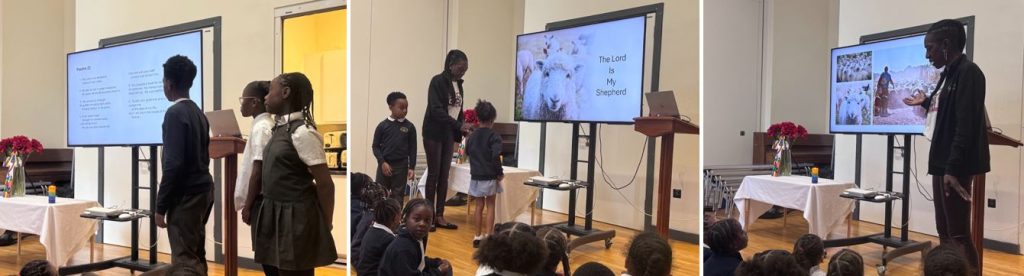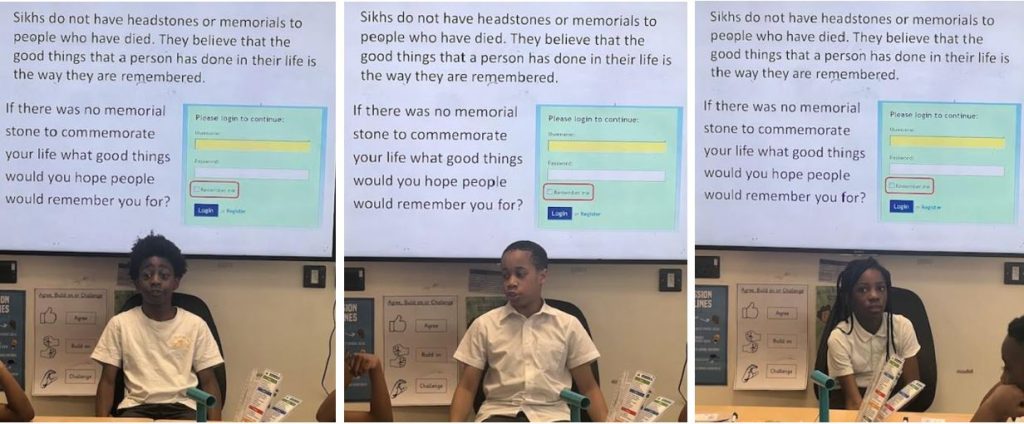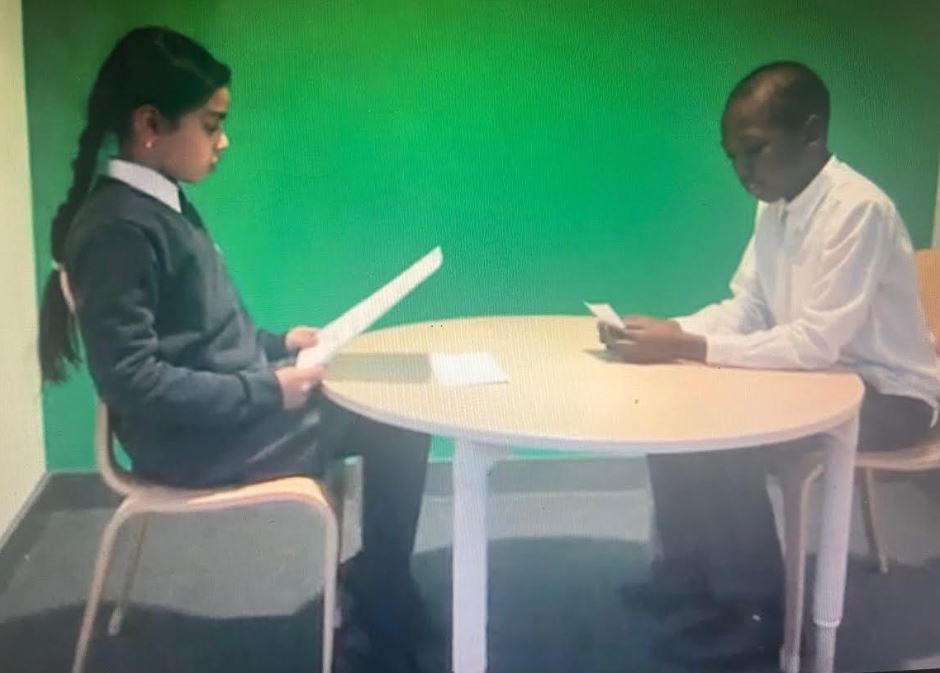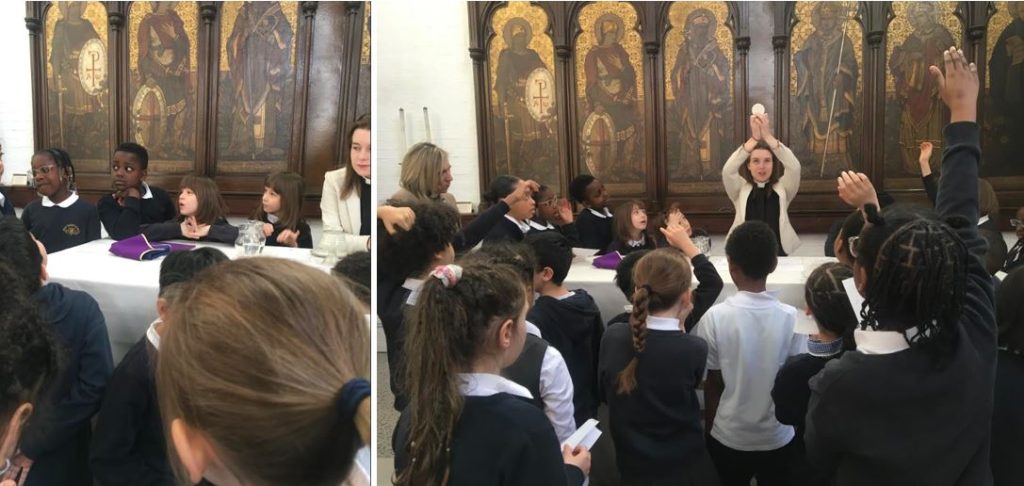
Our Curriculum
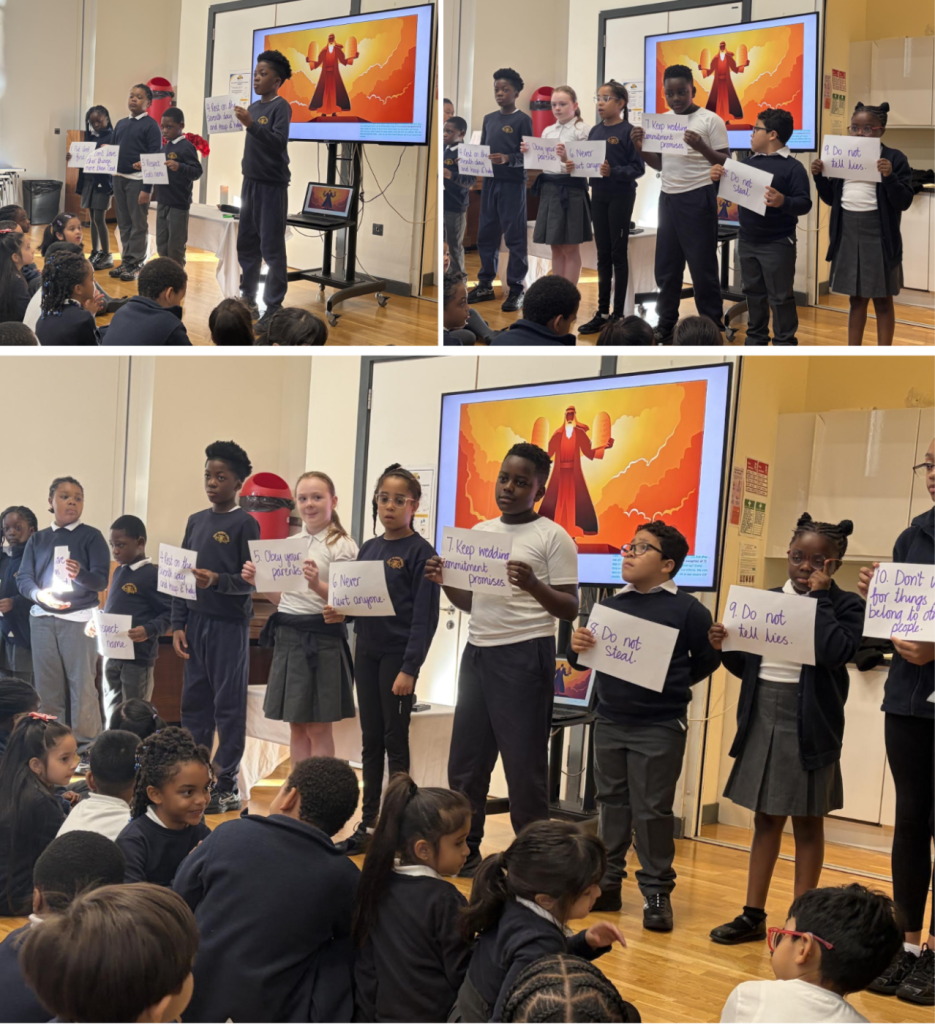
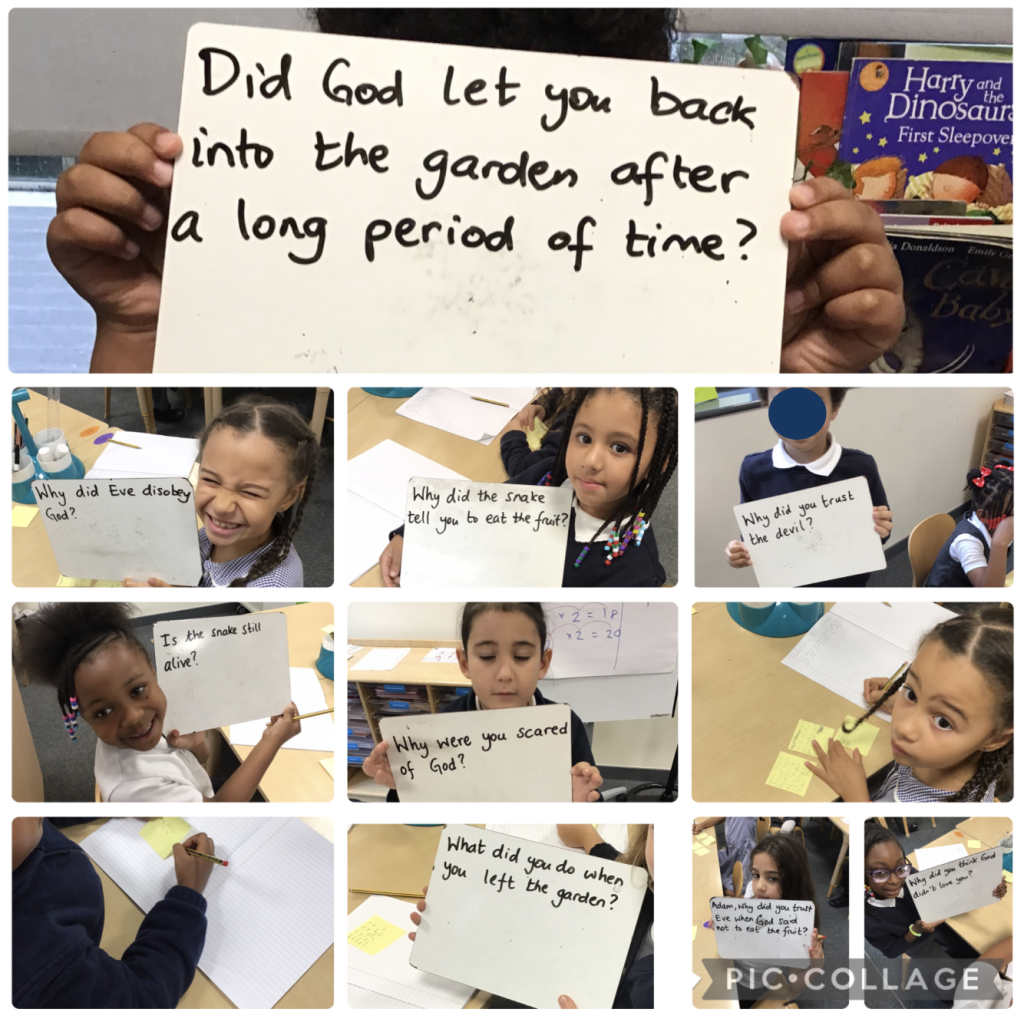
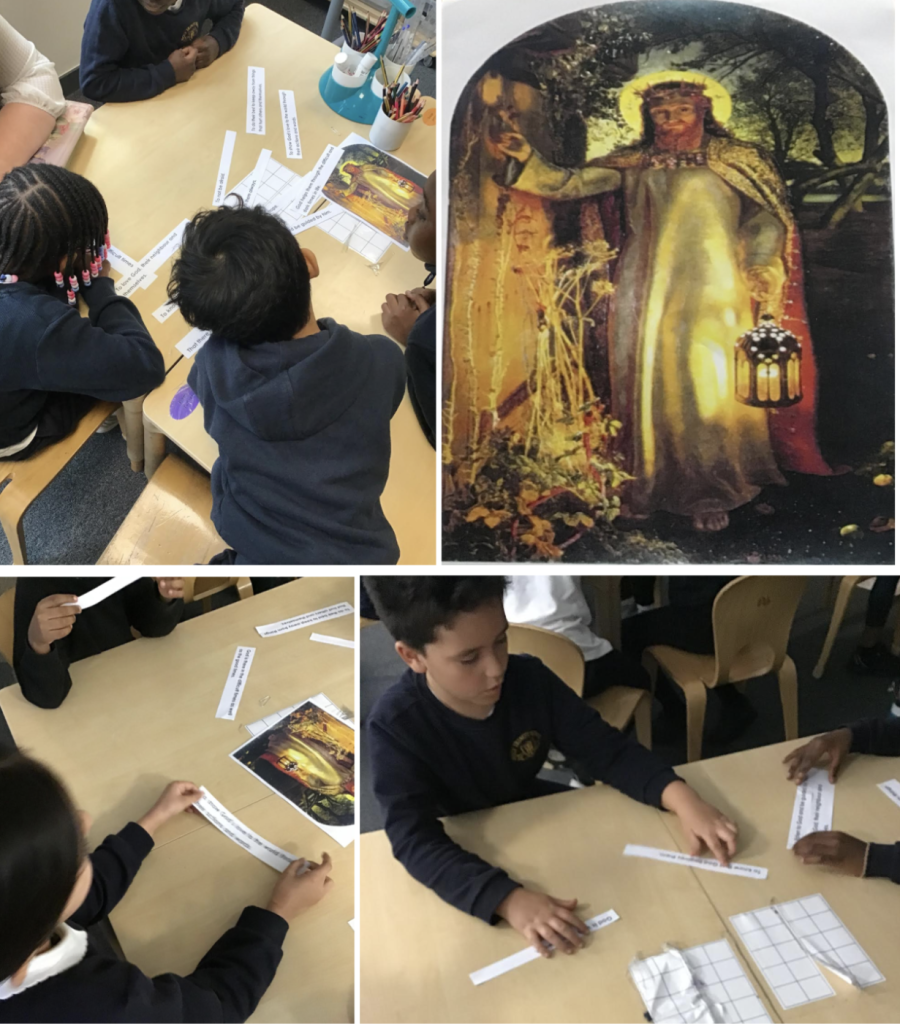
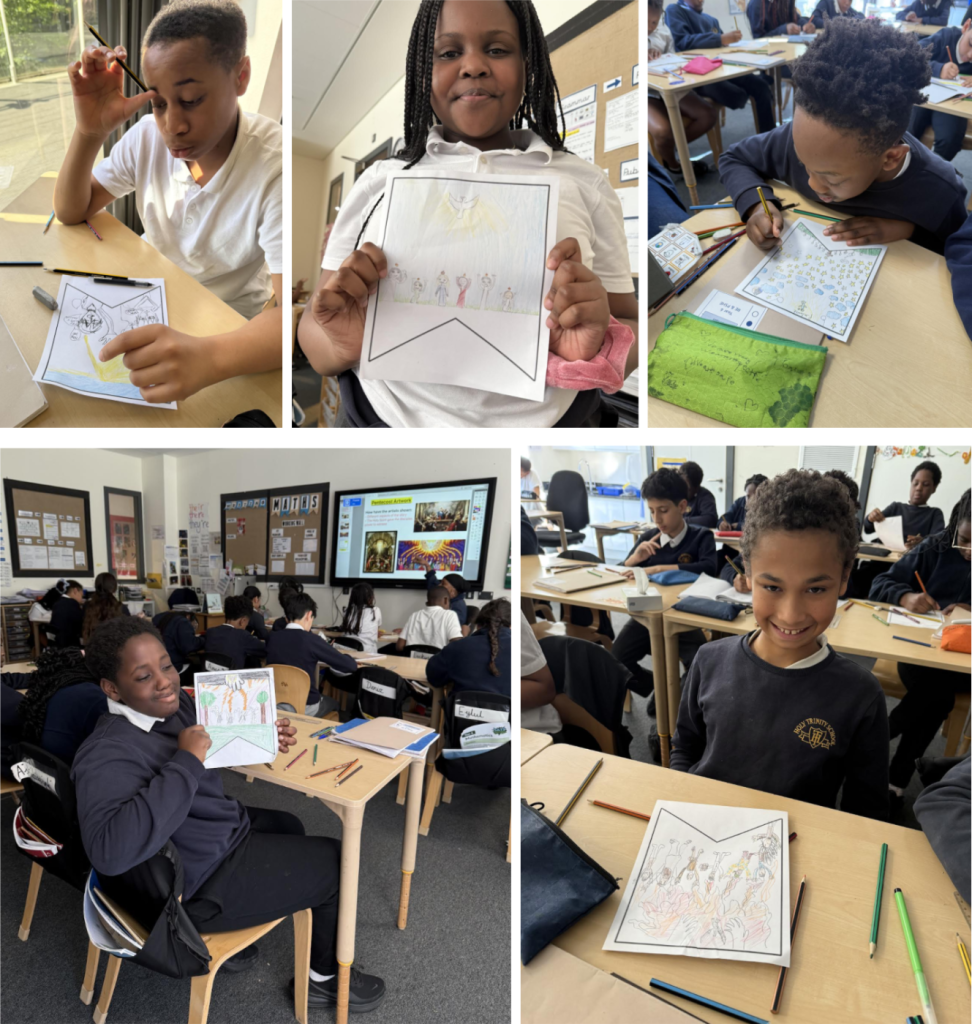
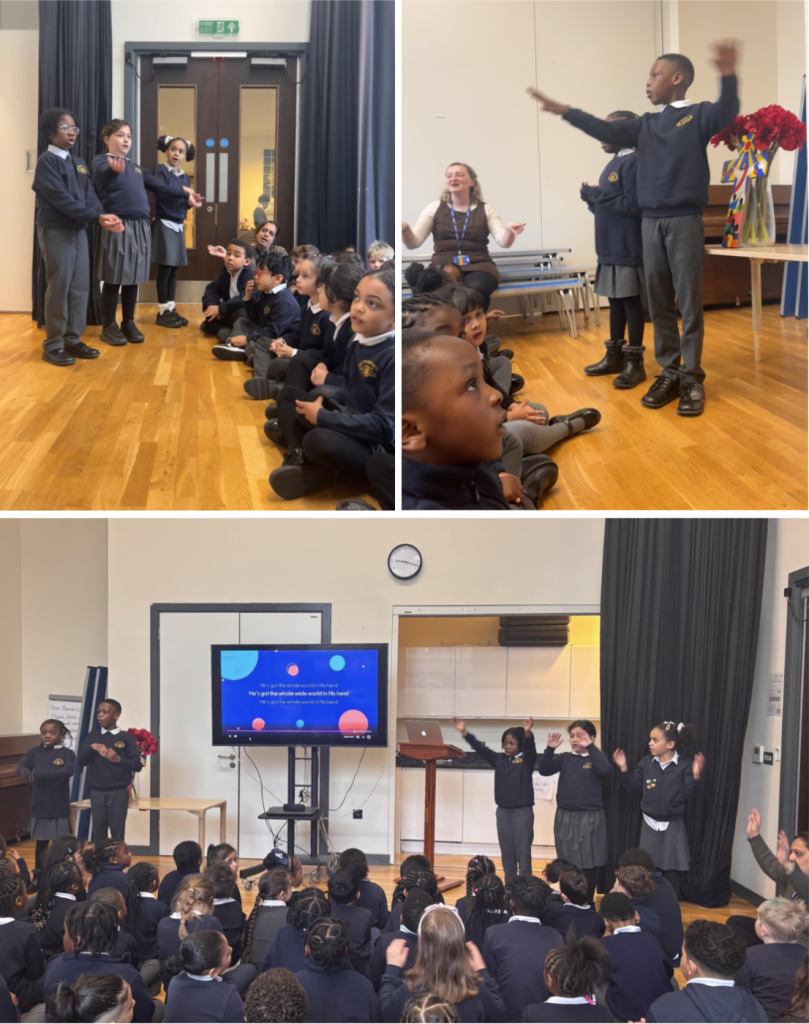
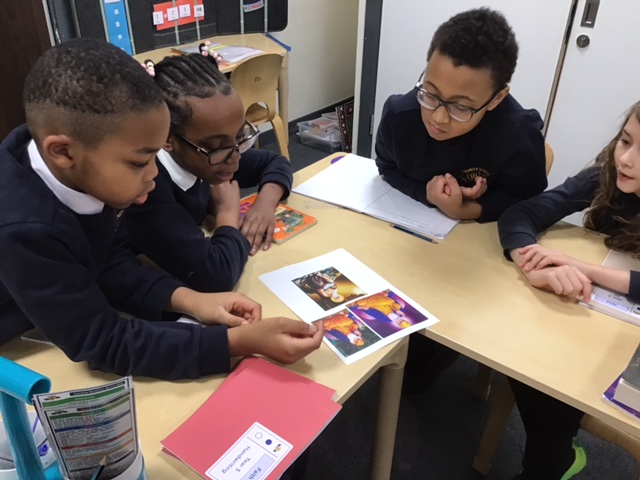
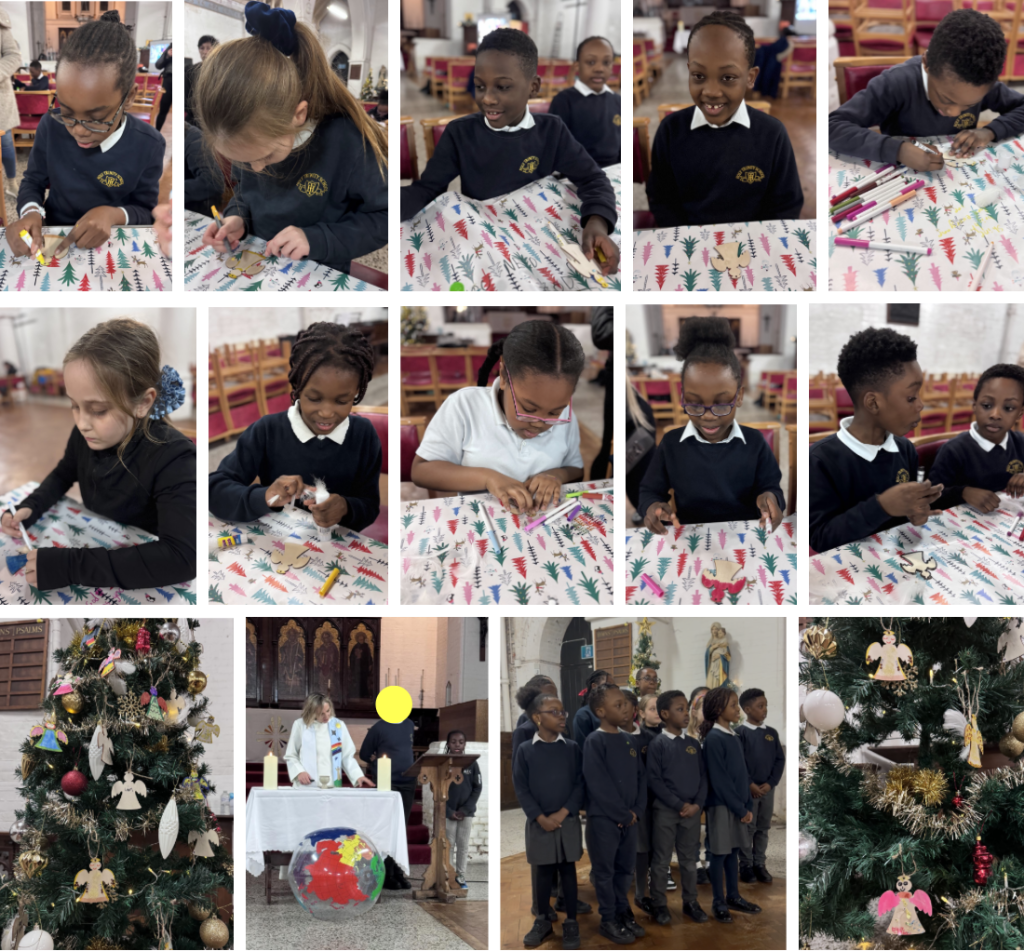
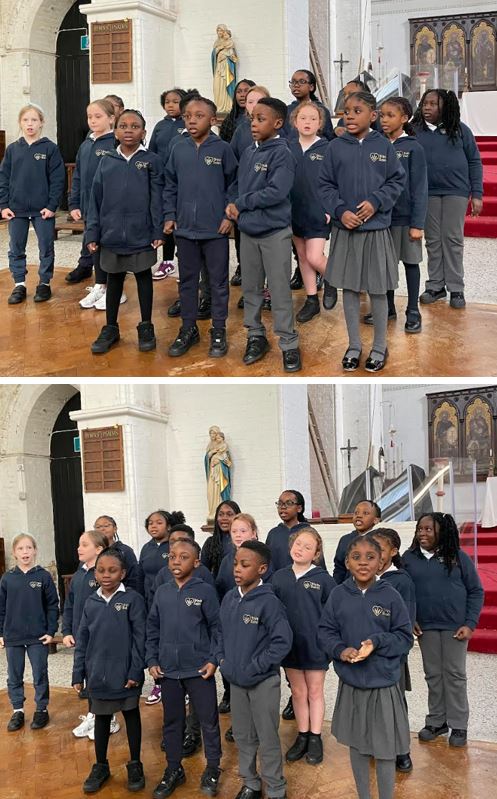
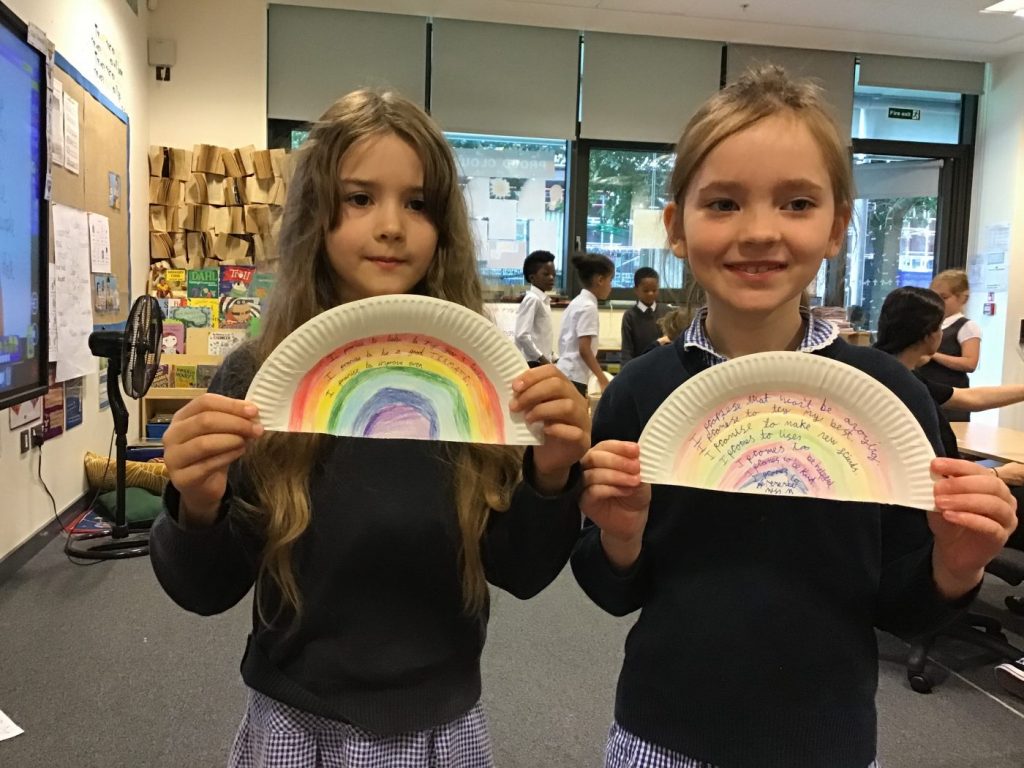
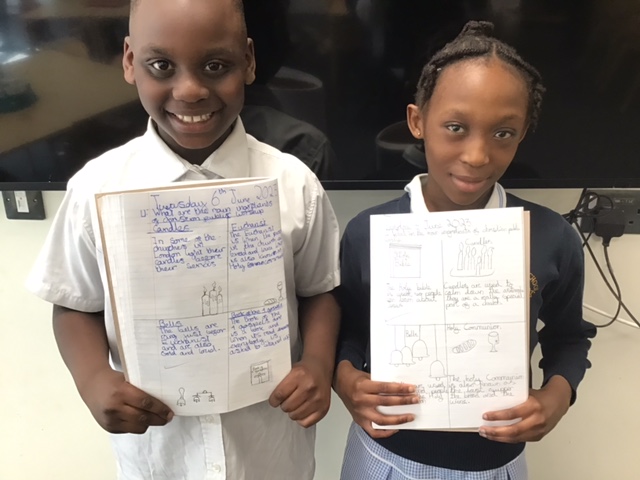
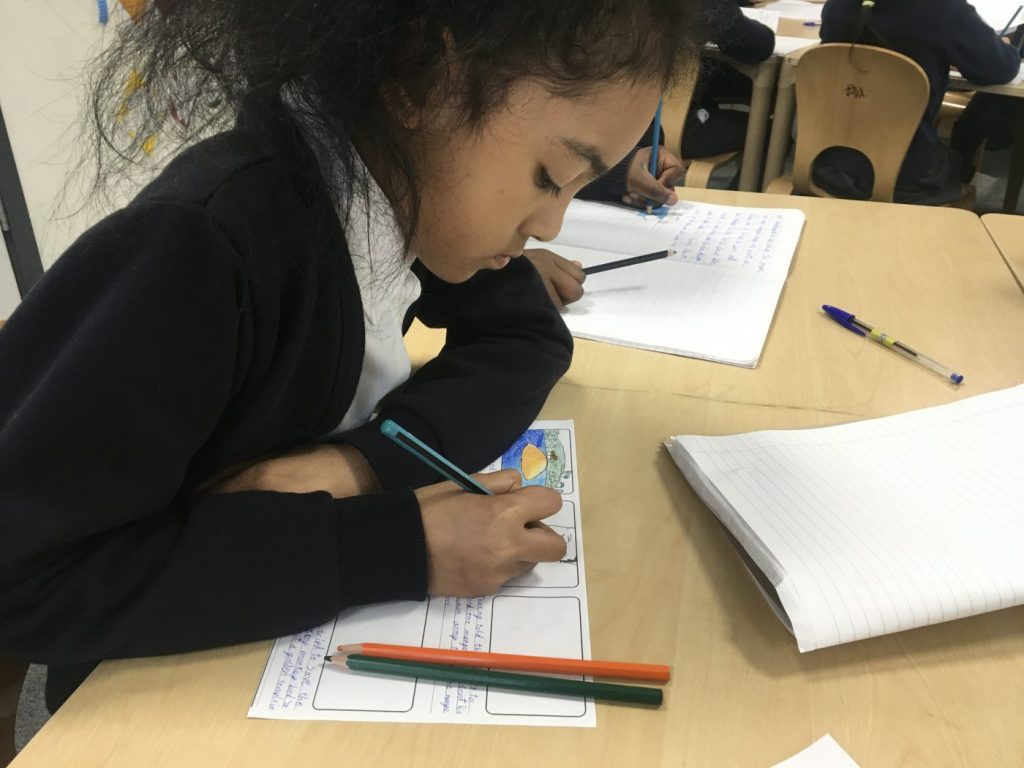
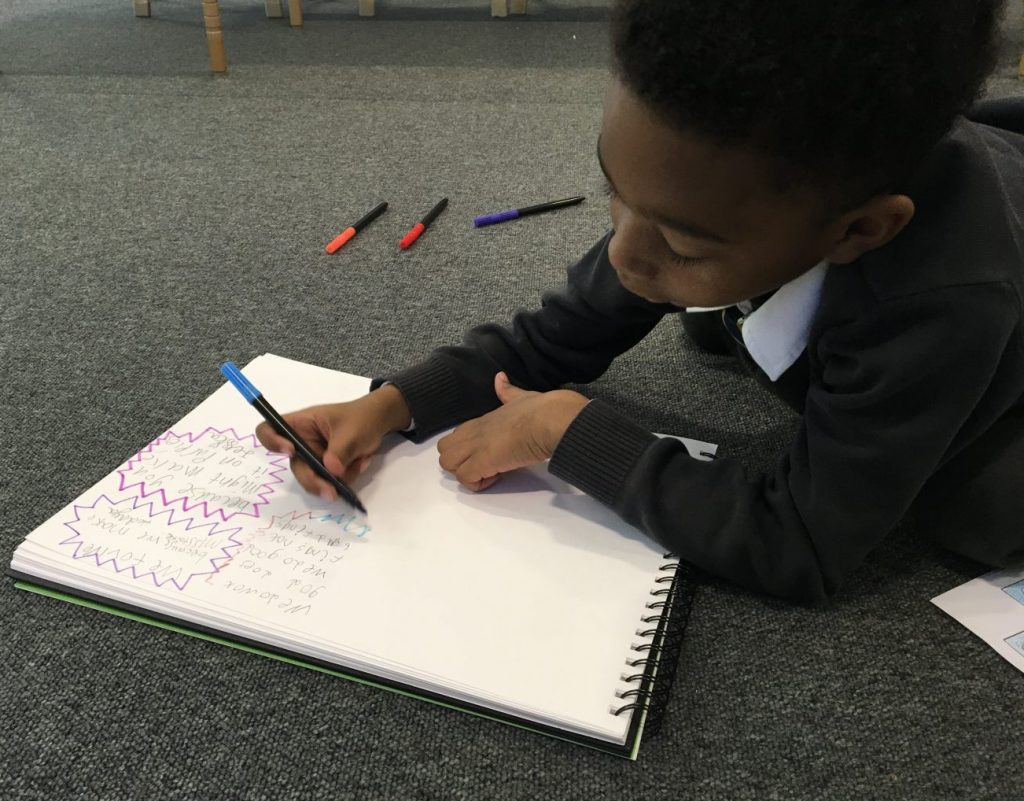
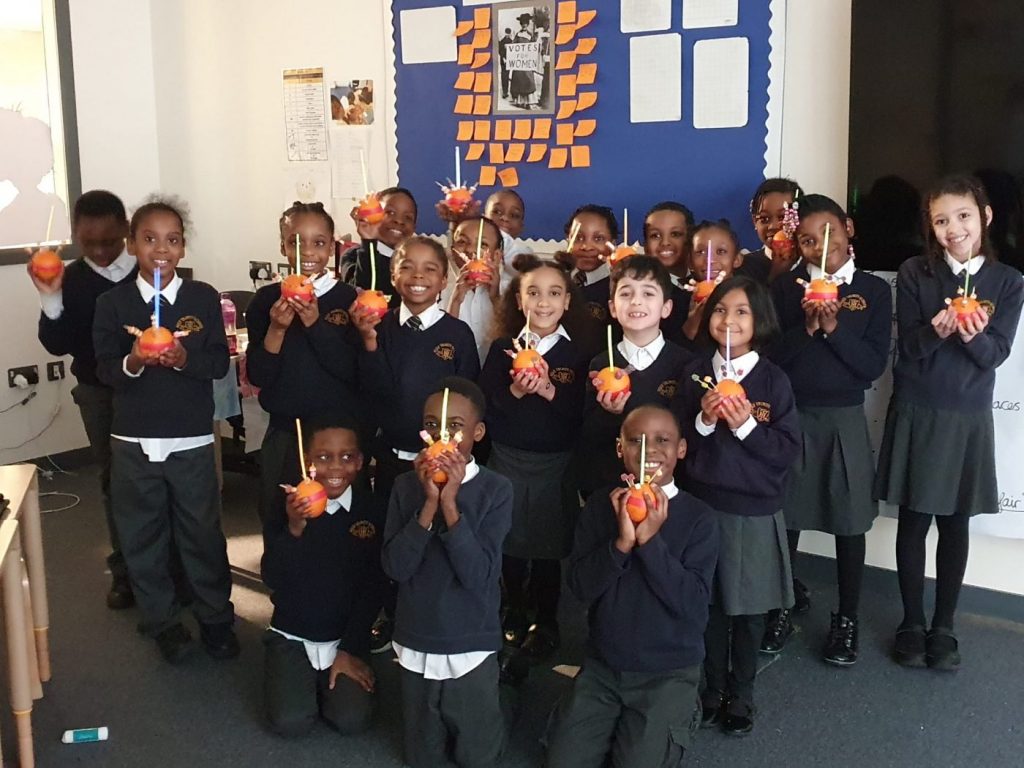
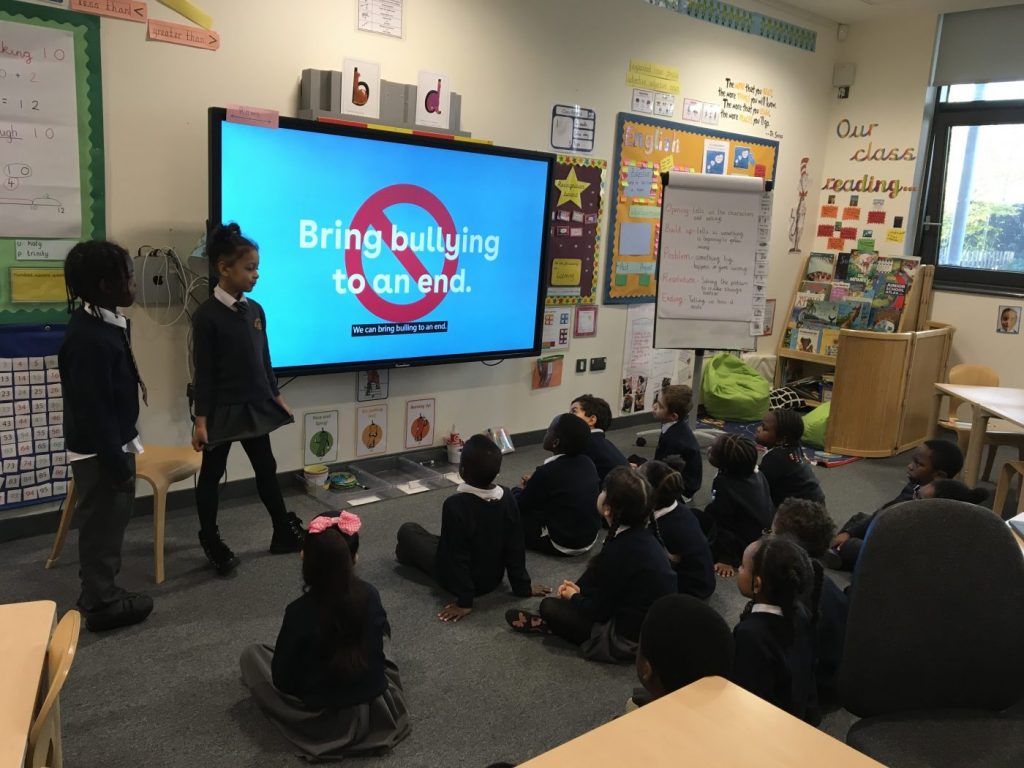
Religious Education is a core subject at Holy Trinity, taught weekly with carefully planned progression in knowledge and skills. Our enquiry-led curriculum encourages pupils to ask meaningful questions about life, faith and human experience, developing knowledge, empathy and critical thinking. We are committed to fostering mutual respect among pupils of all faiths and backgrounds, enabling children to become religiously literate members of society with a secure understanding of Christianity as a living and diverse faith. Our ultimate aim is for every child to flourish and “live life in all its fullness.”
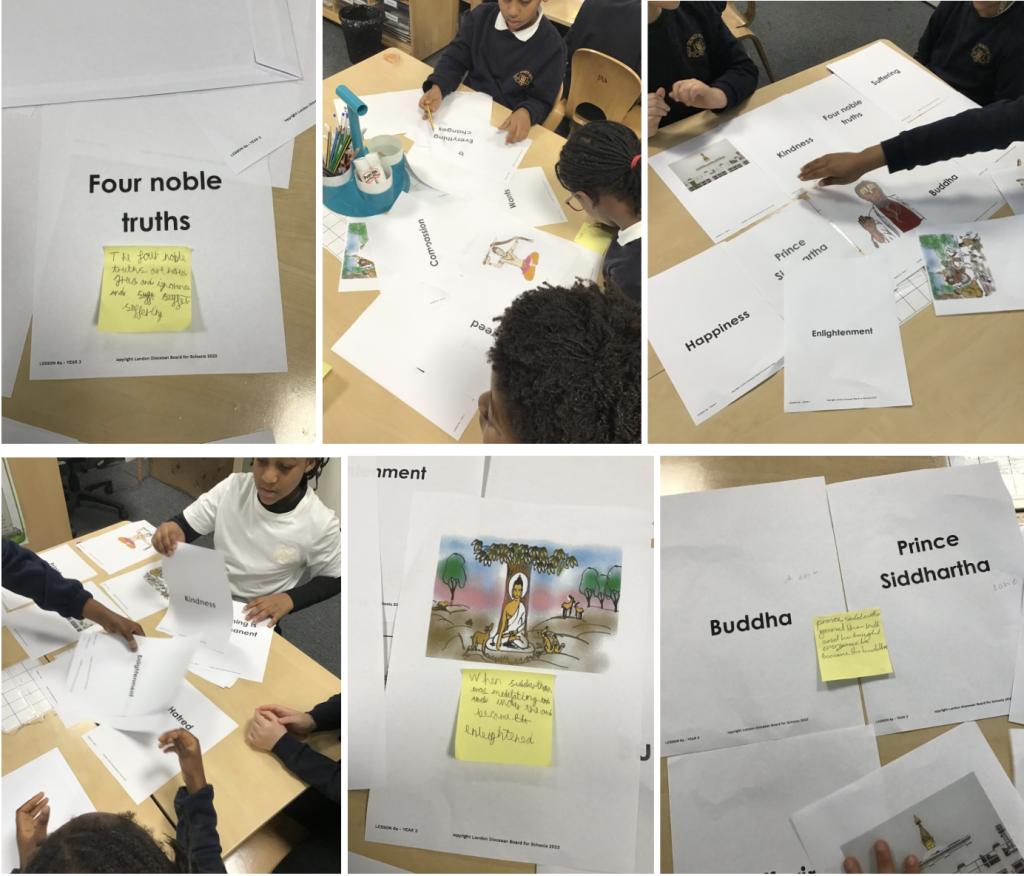
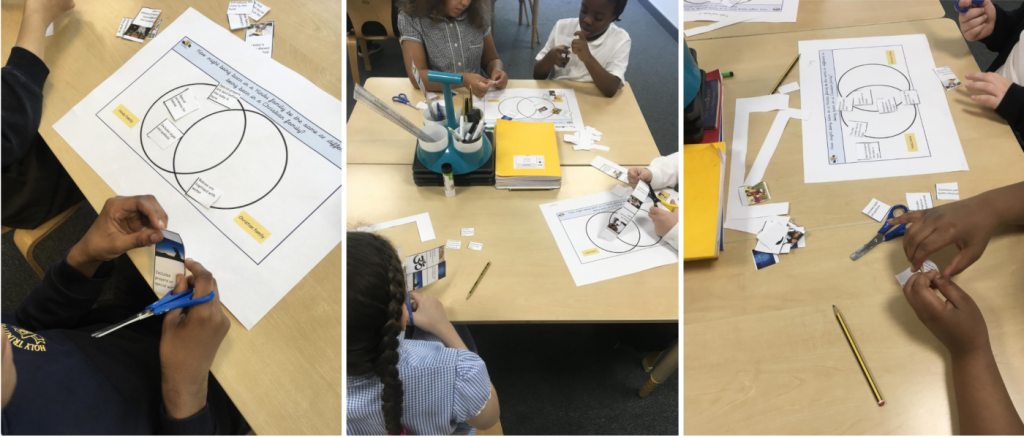
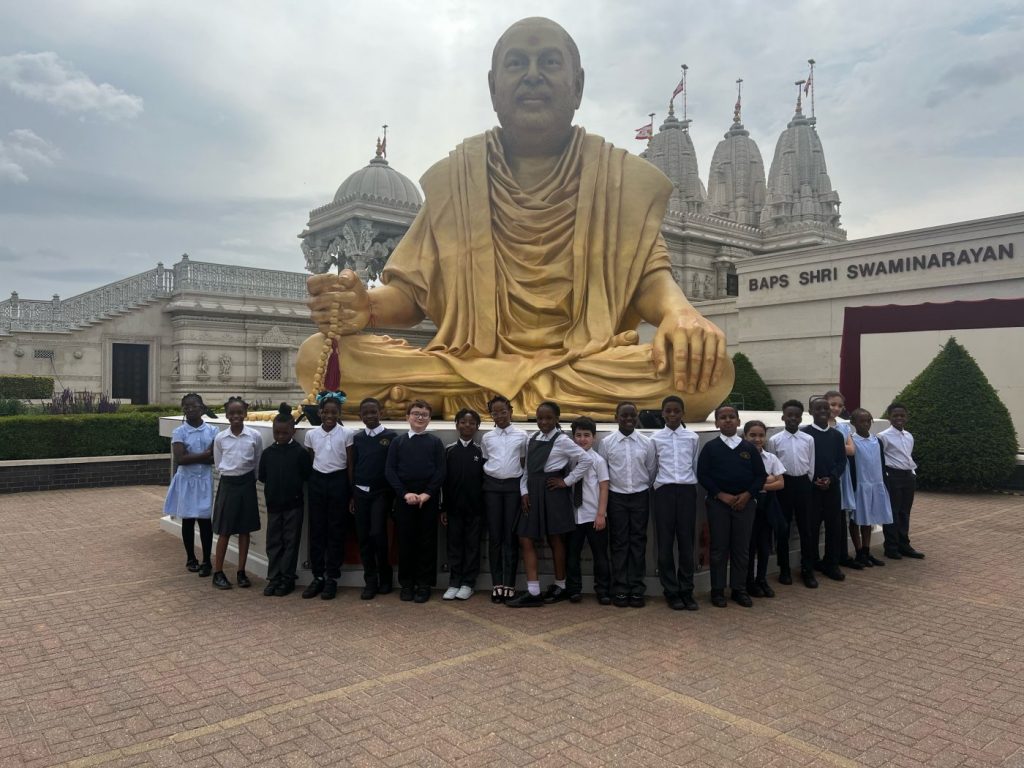
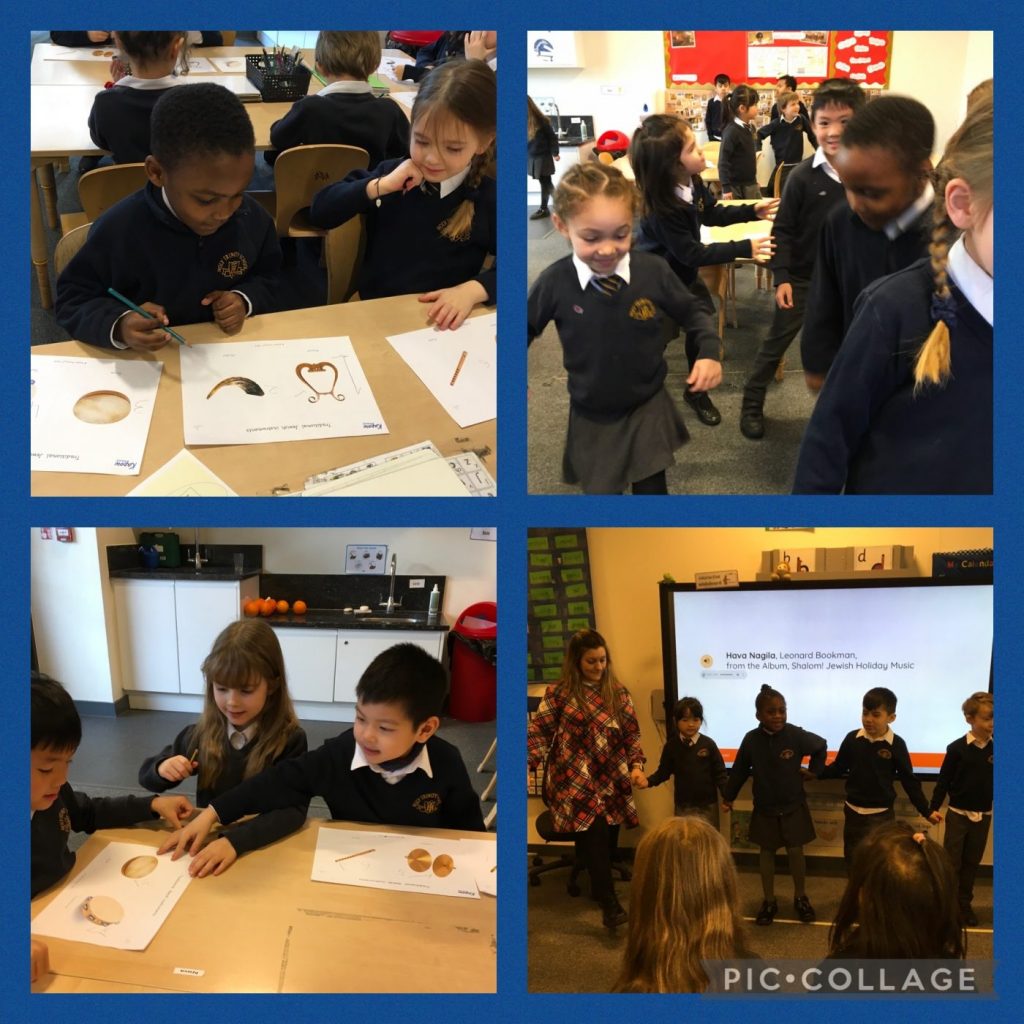
Approximately two-thirds of curriculum time is dedicated to Christianity, reflecting our Church of England foundation. This includes exploring its influence on British culture and its expression around the world. The remaining time focuses on a range of world religions and worldviews, enabling pupils to understand both similarities and differences between faiths while deepening their awareness of the diverse communities around them.
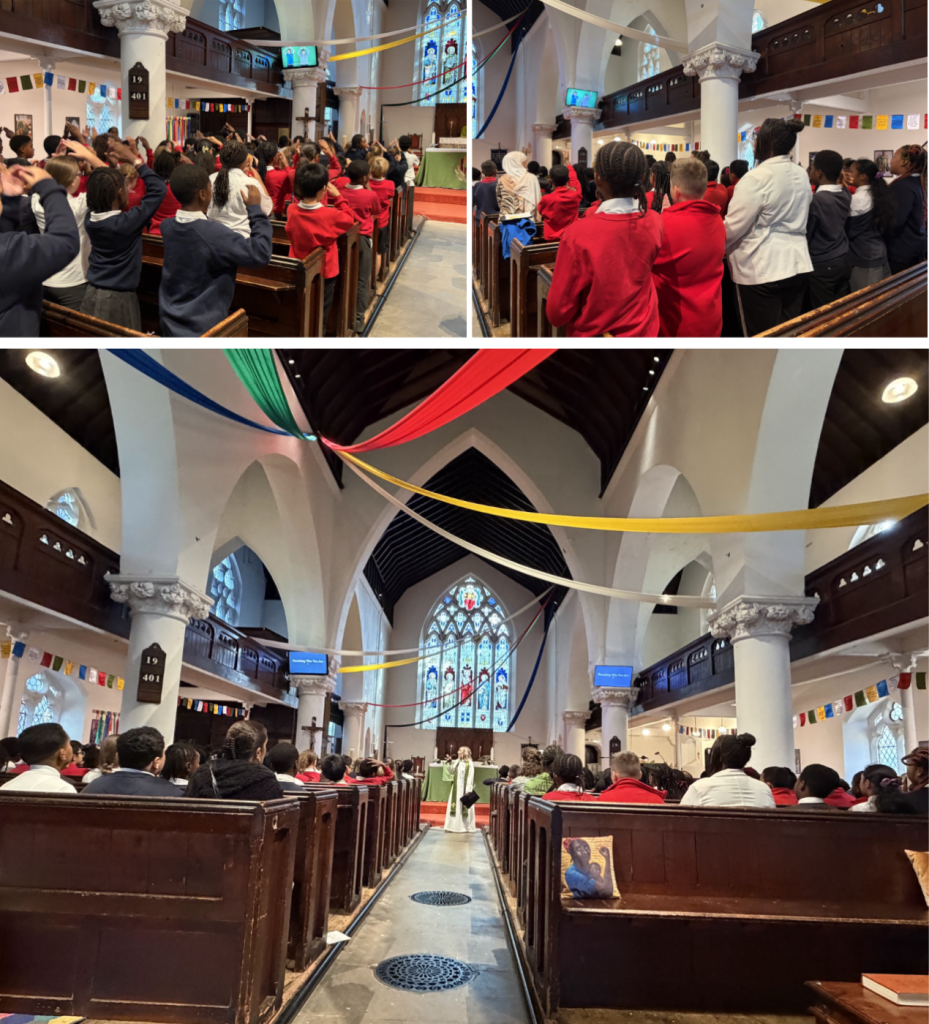
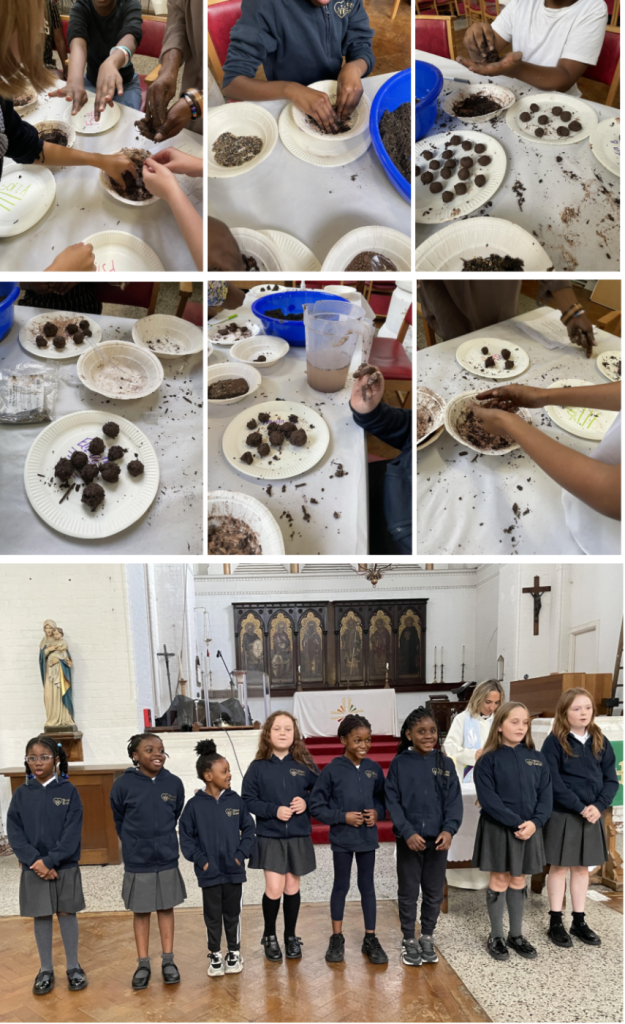
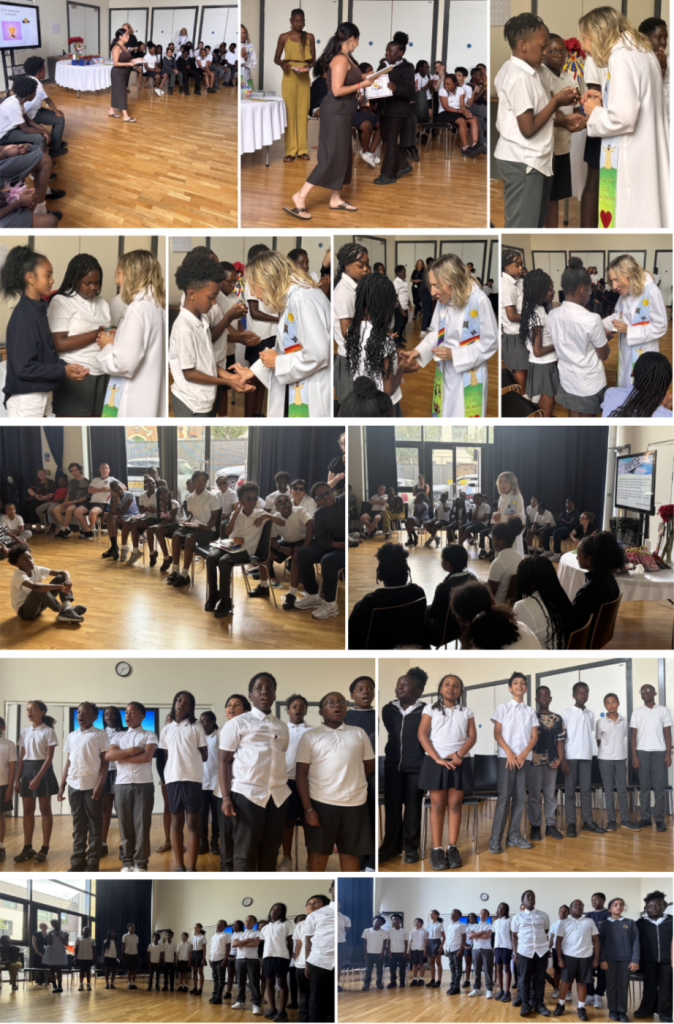
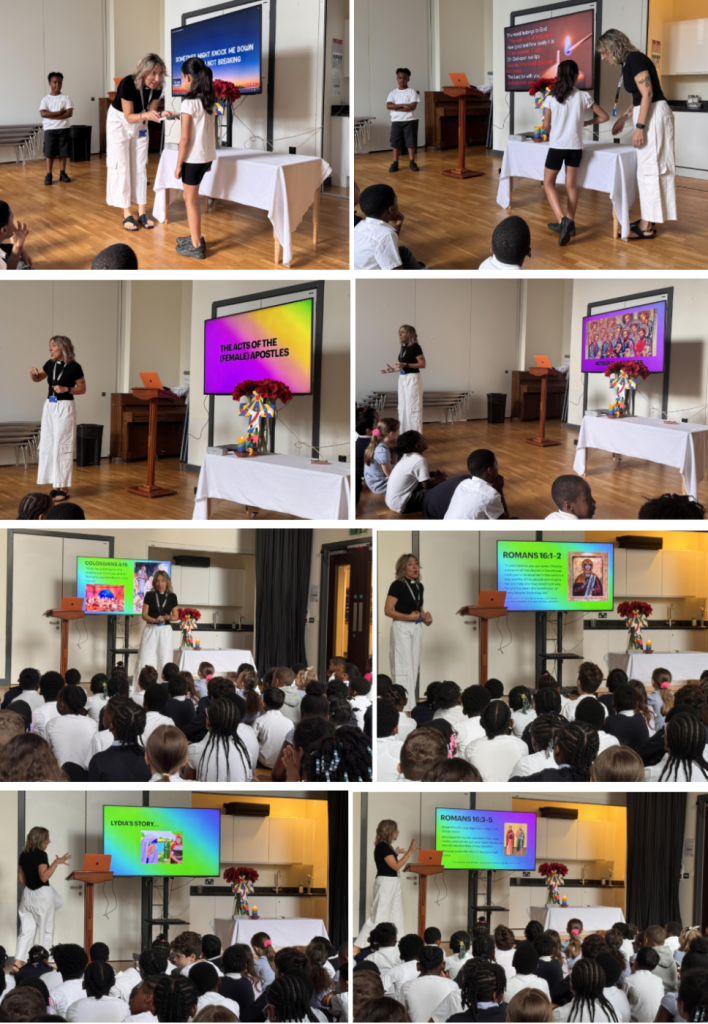
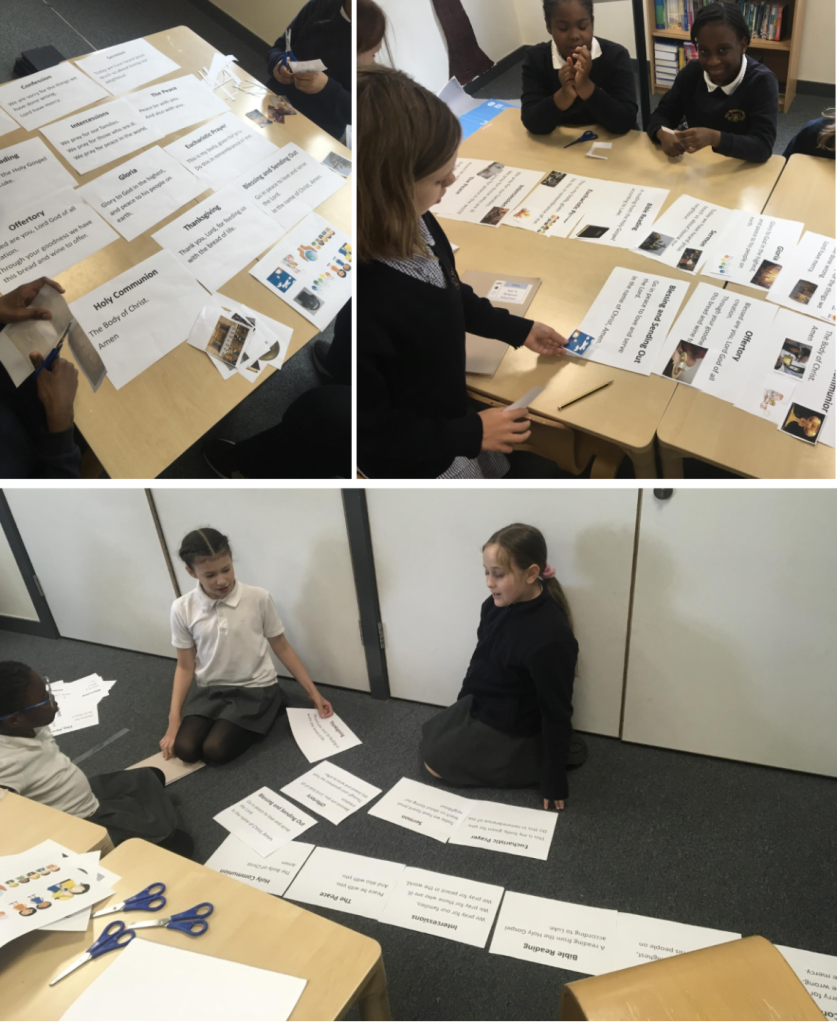
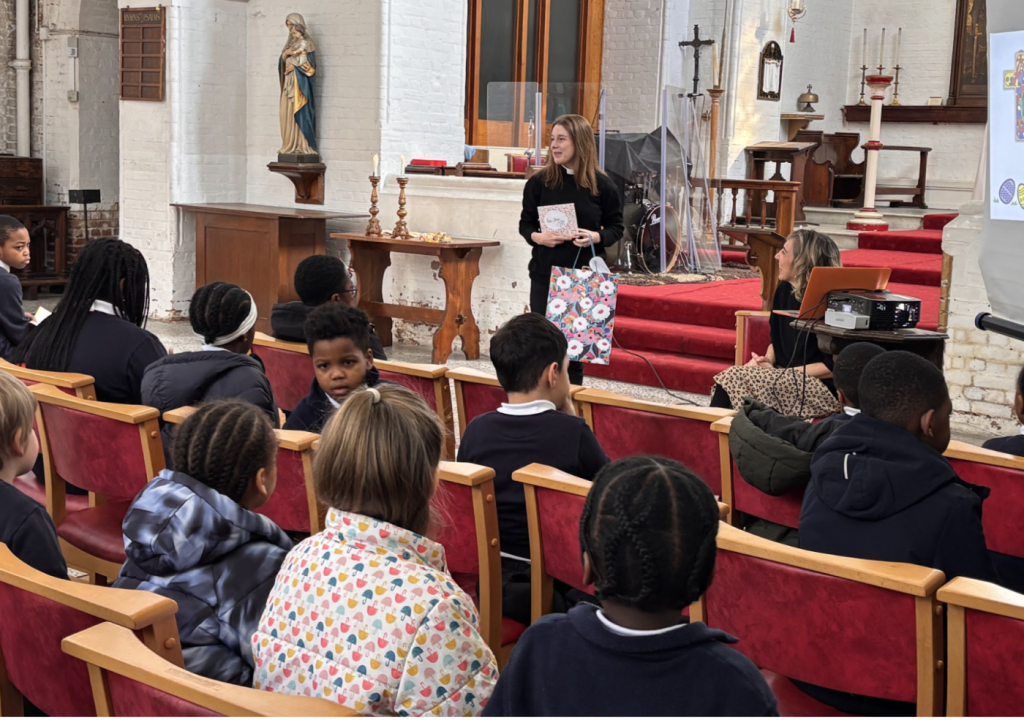
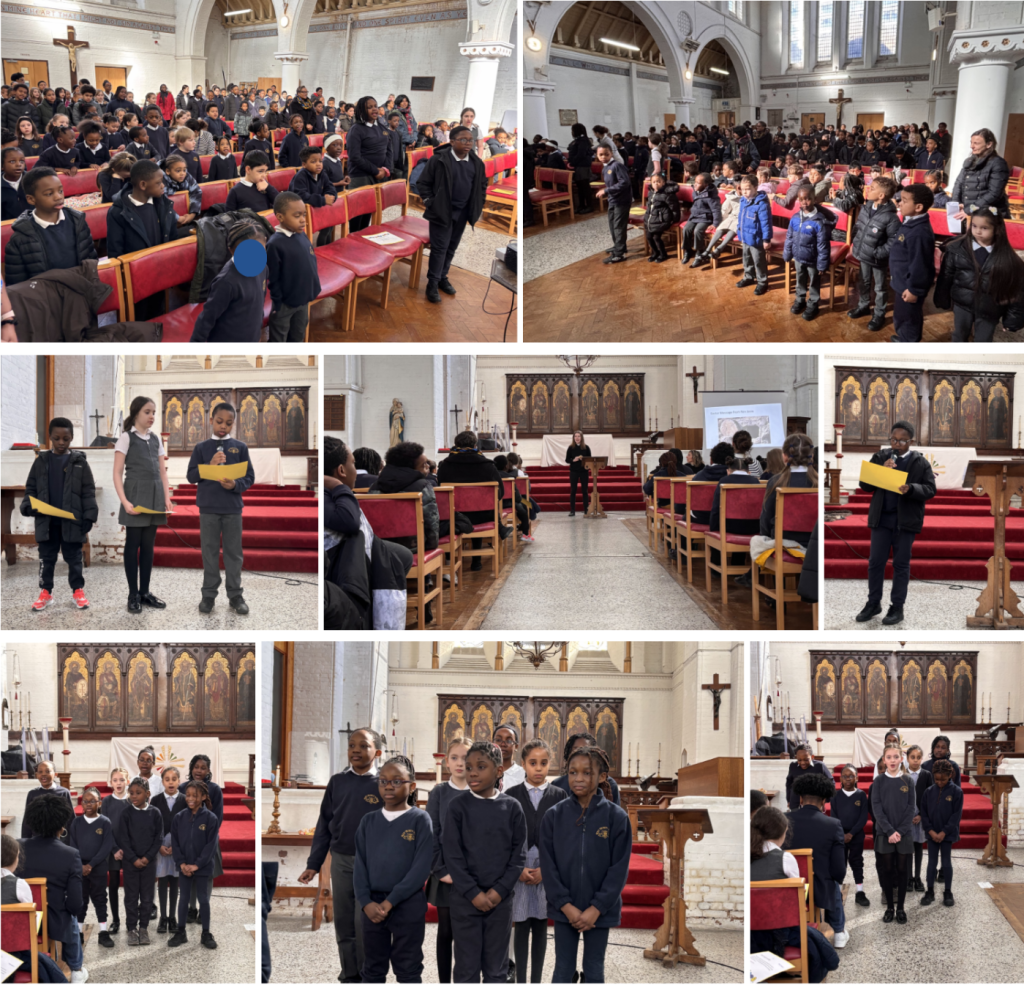
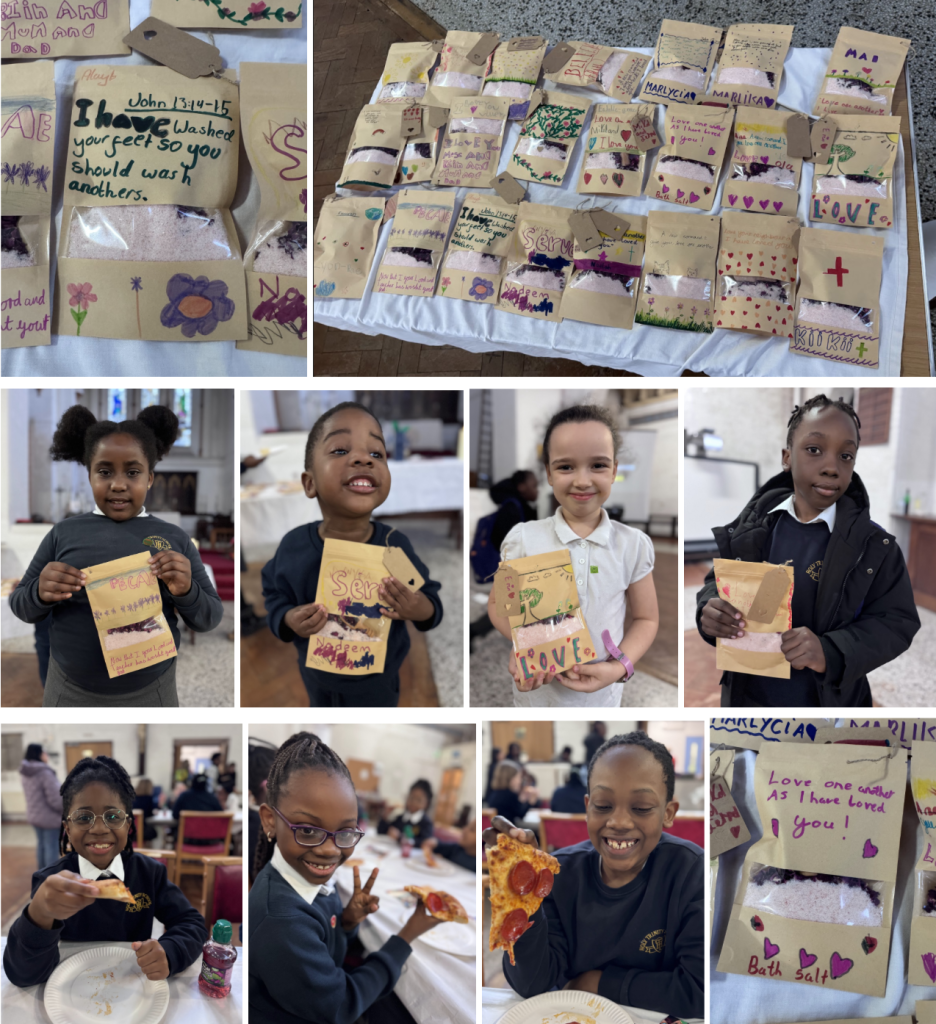
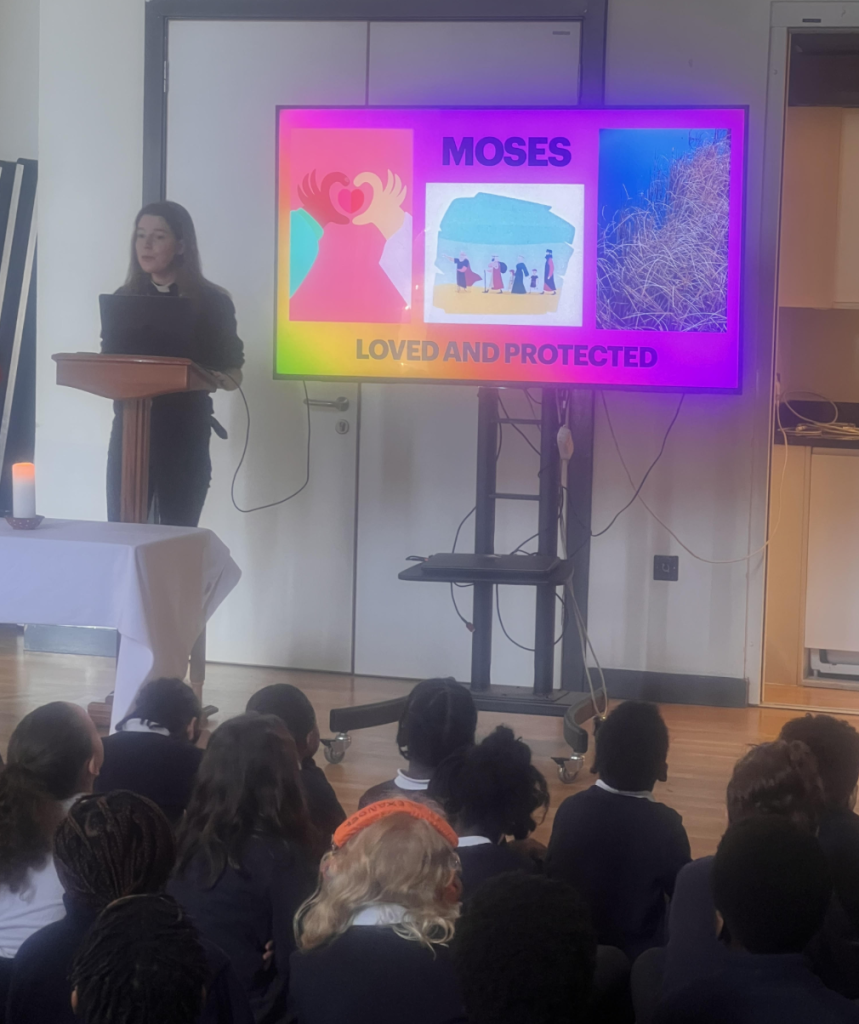
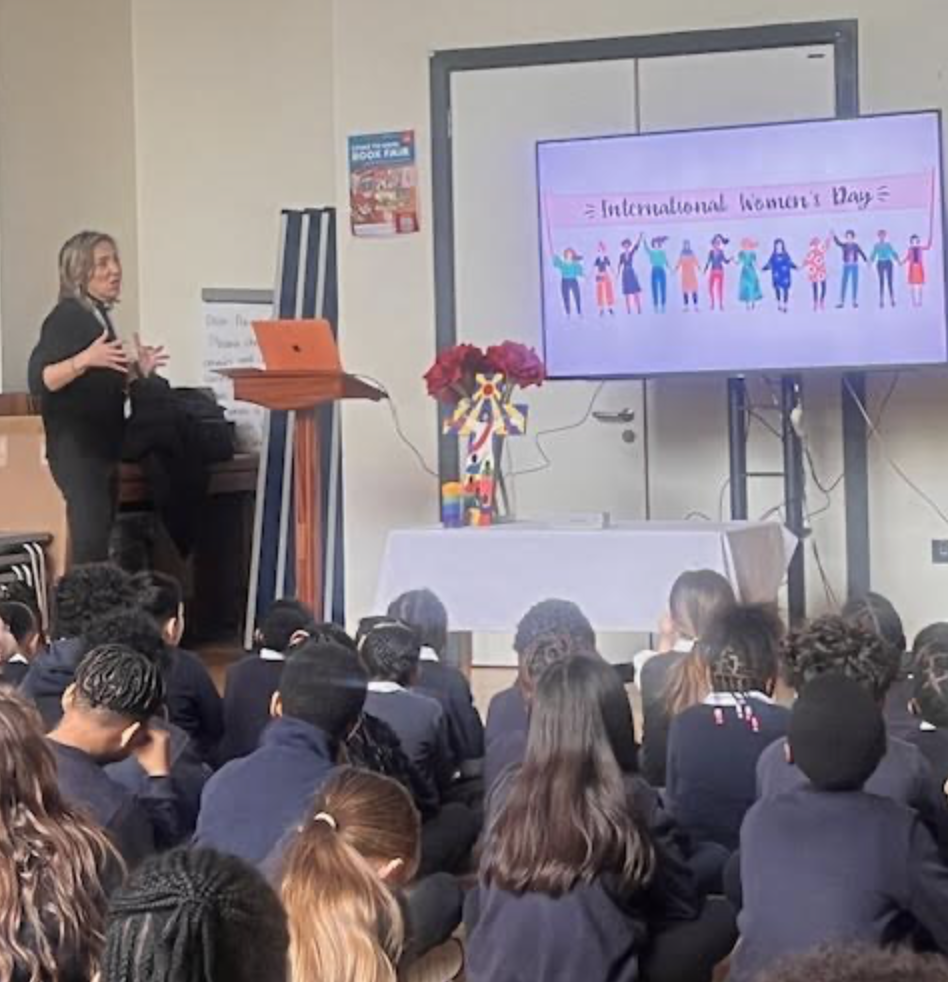
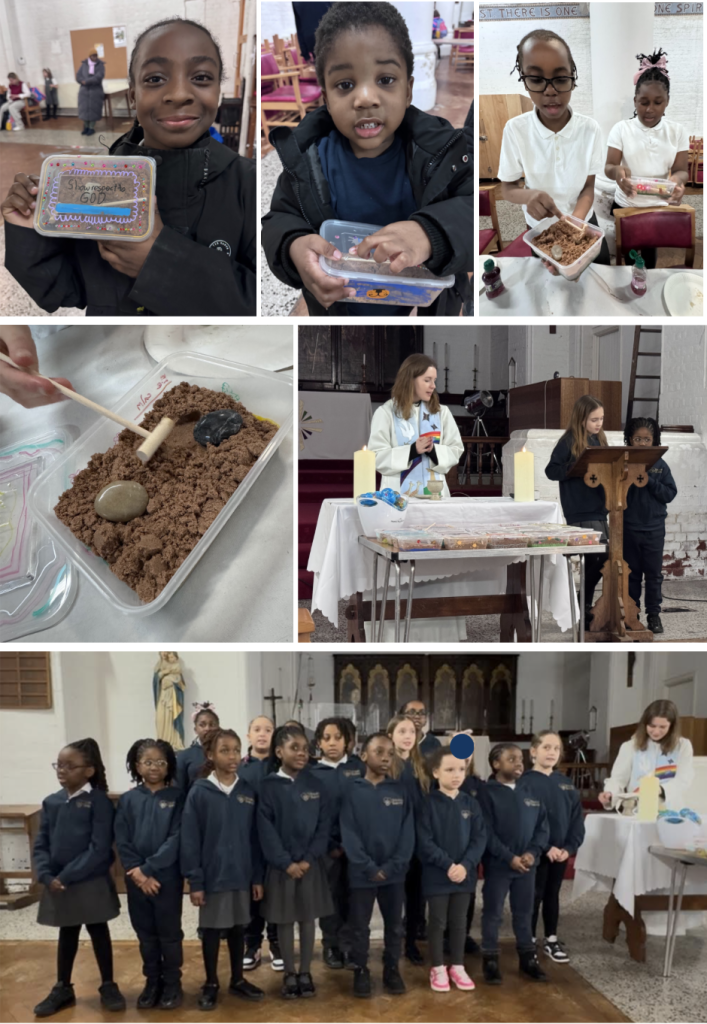
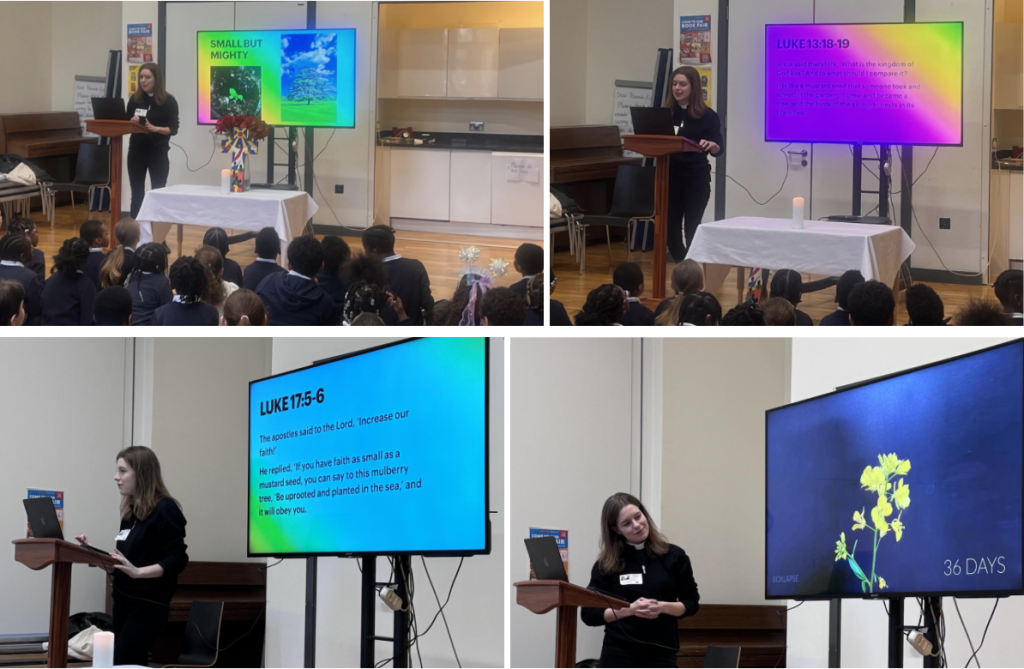
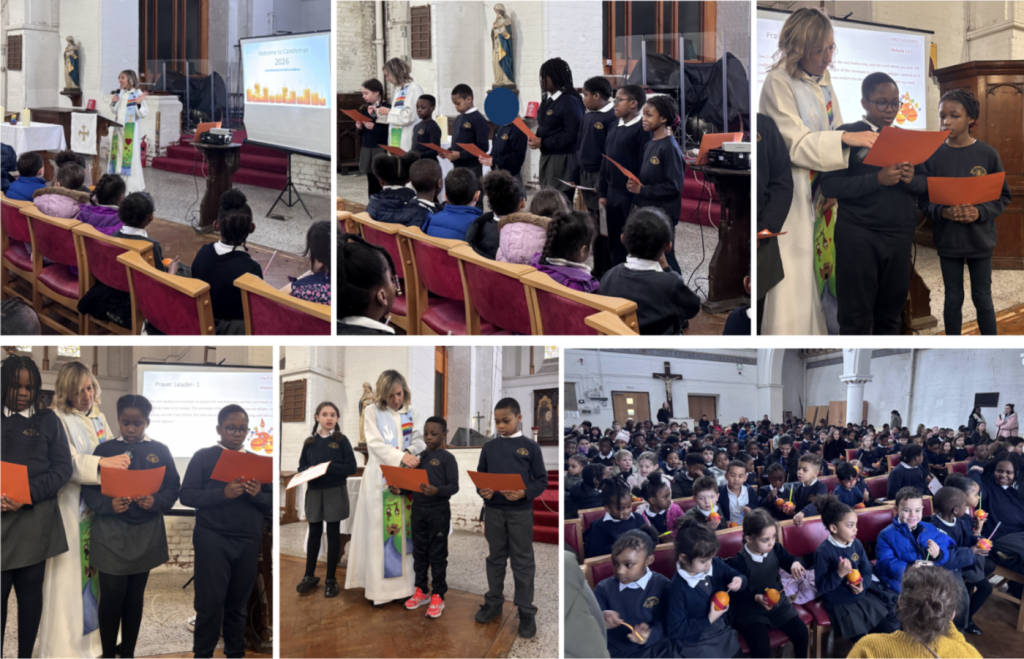
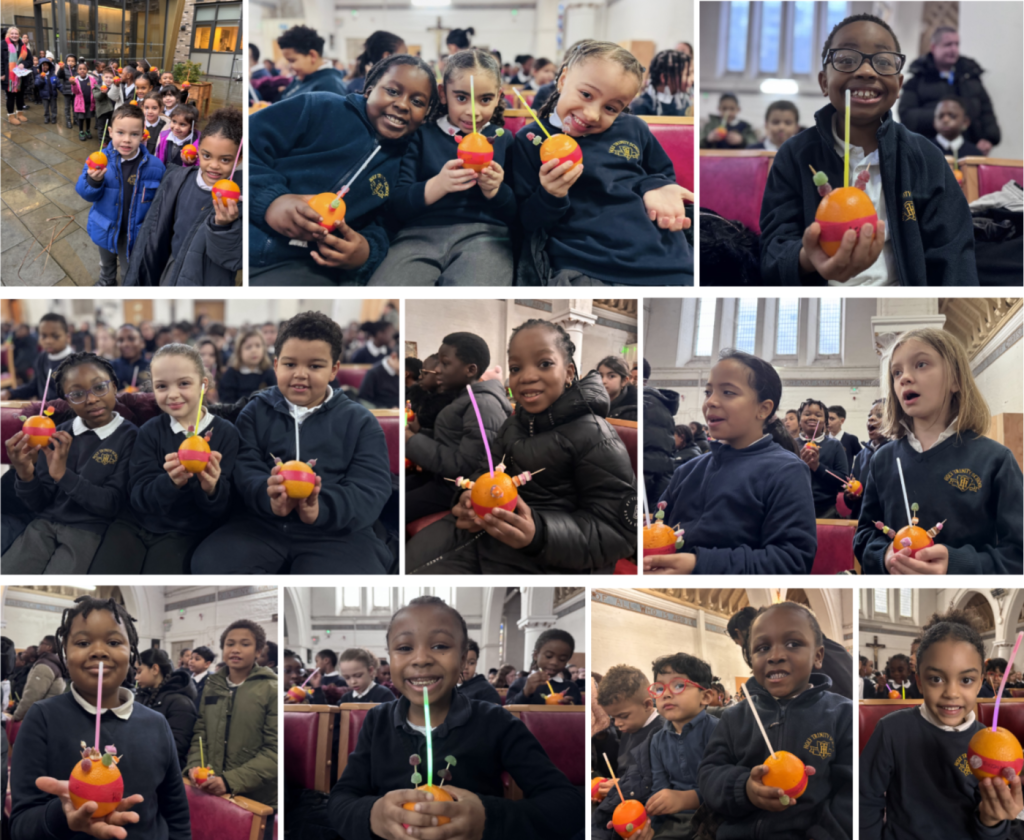
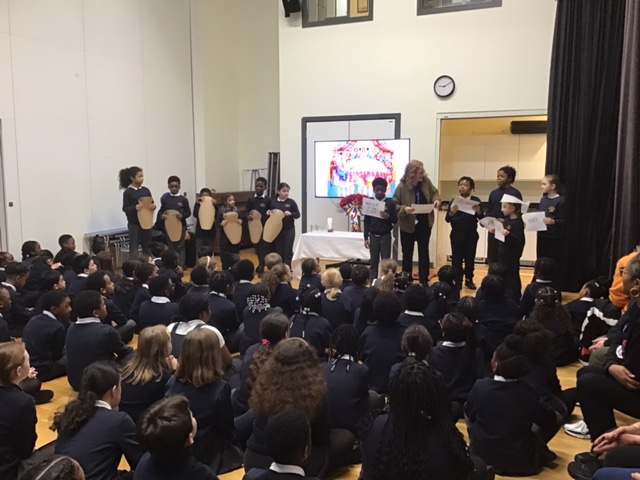
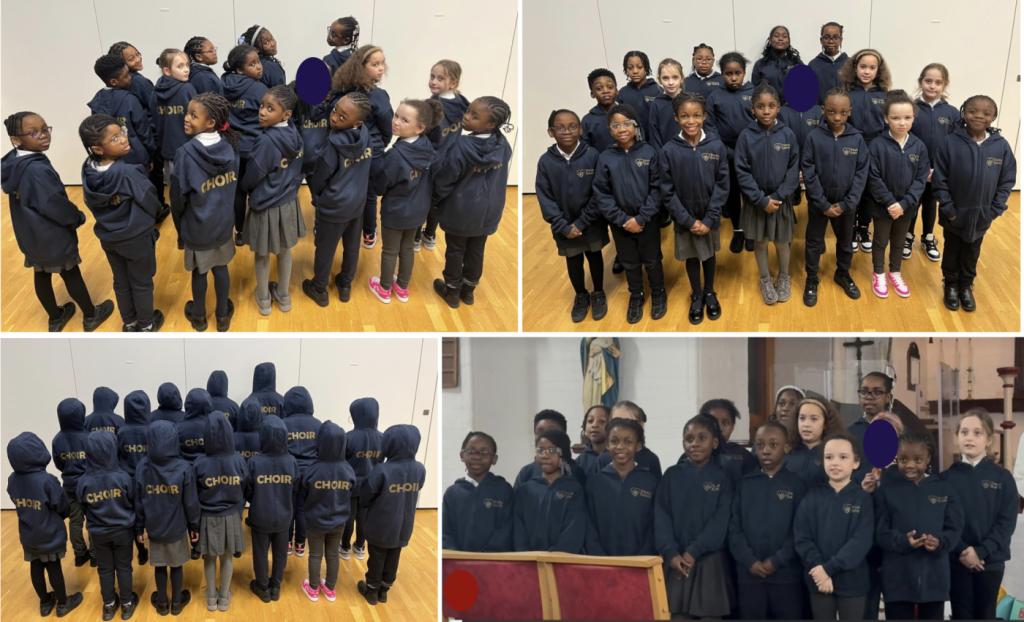
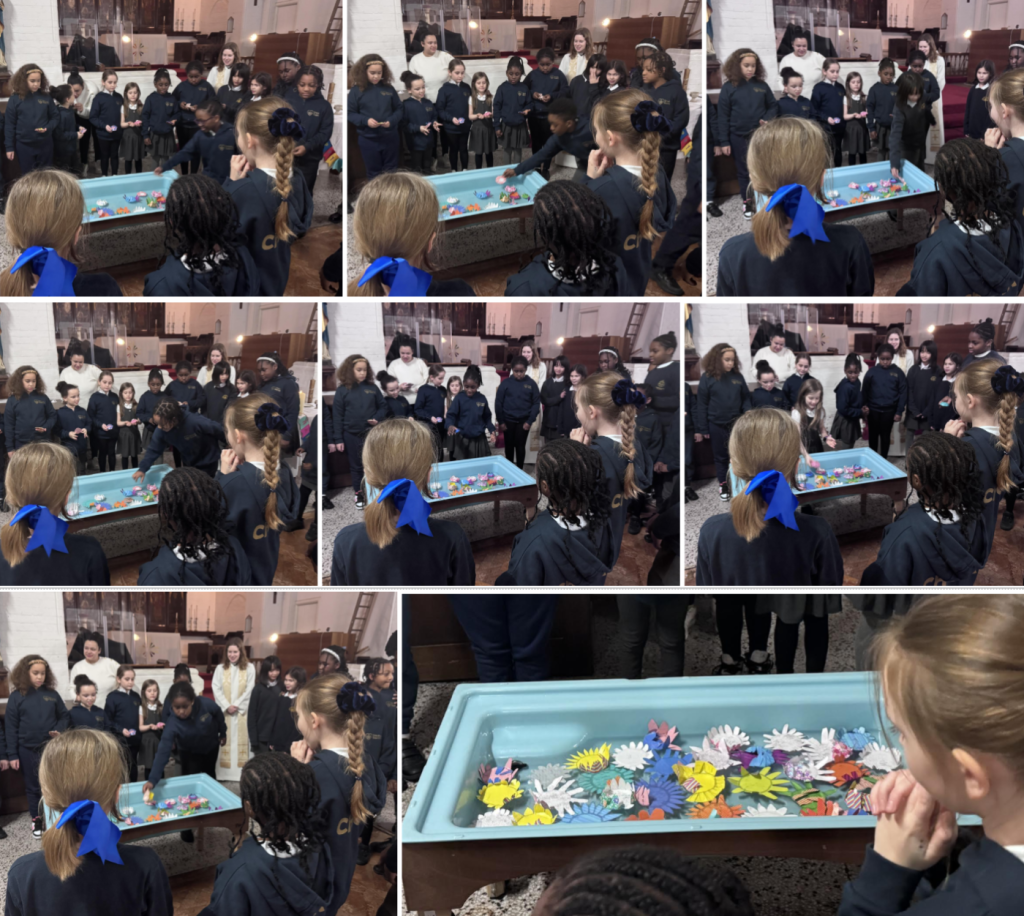
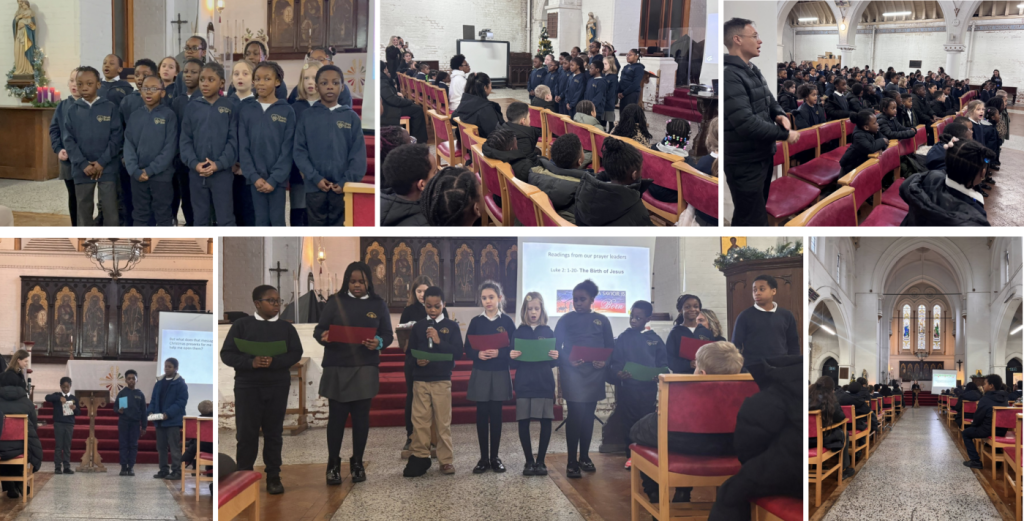
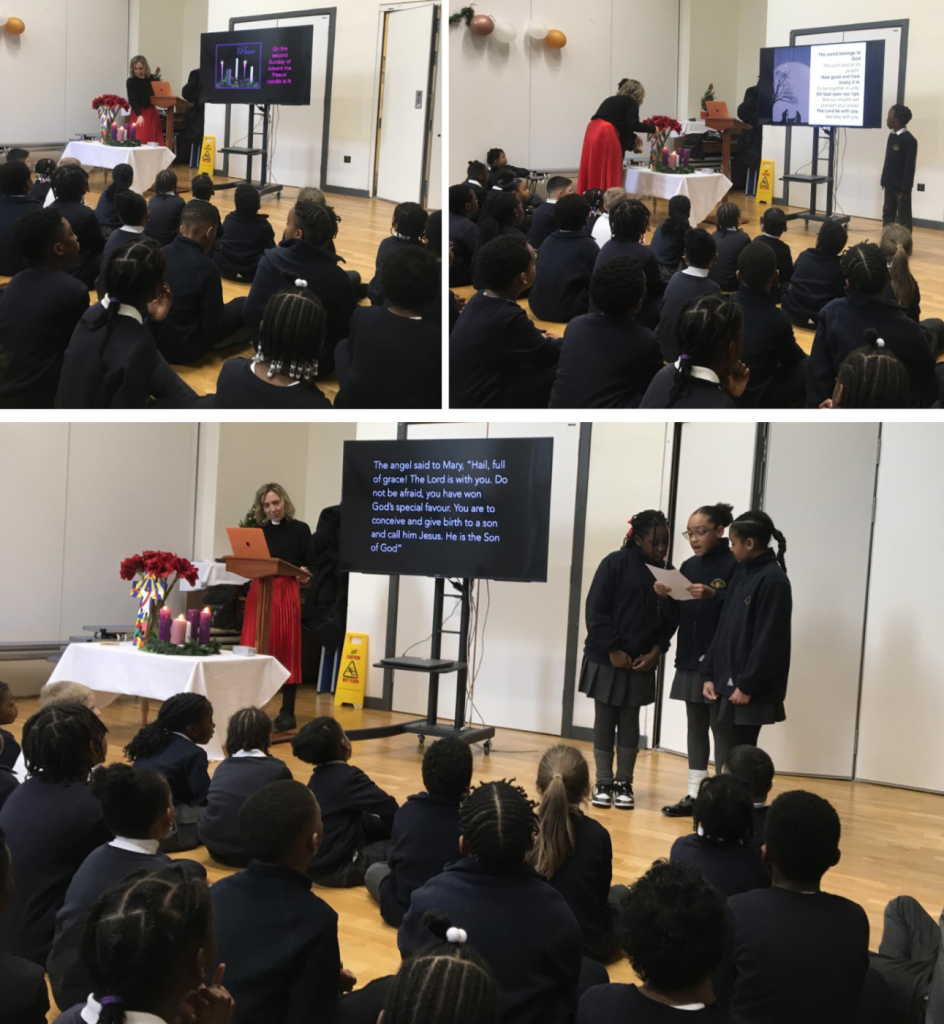
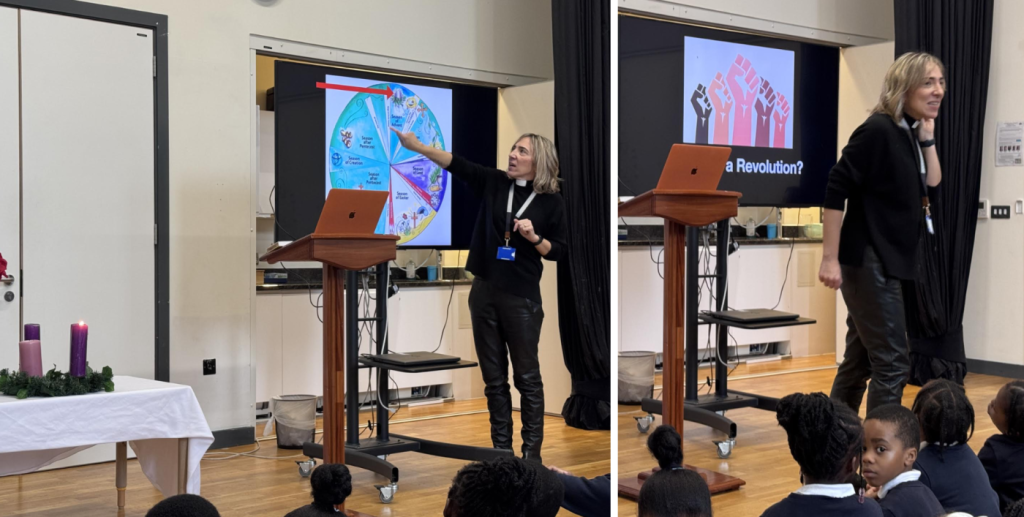
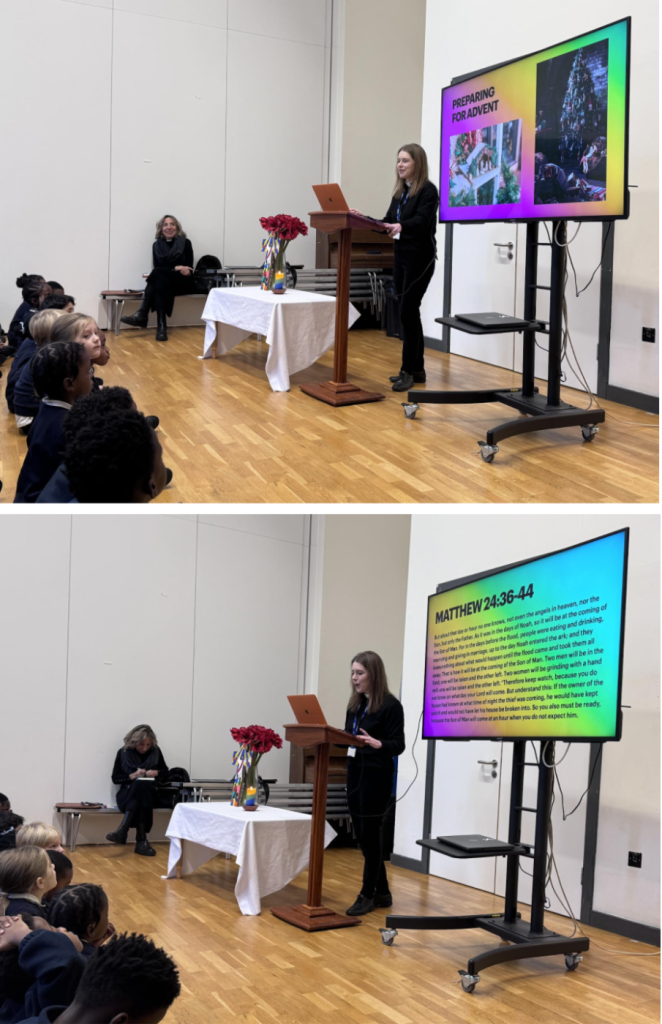
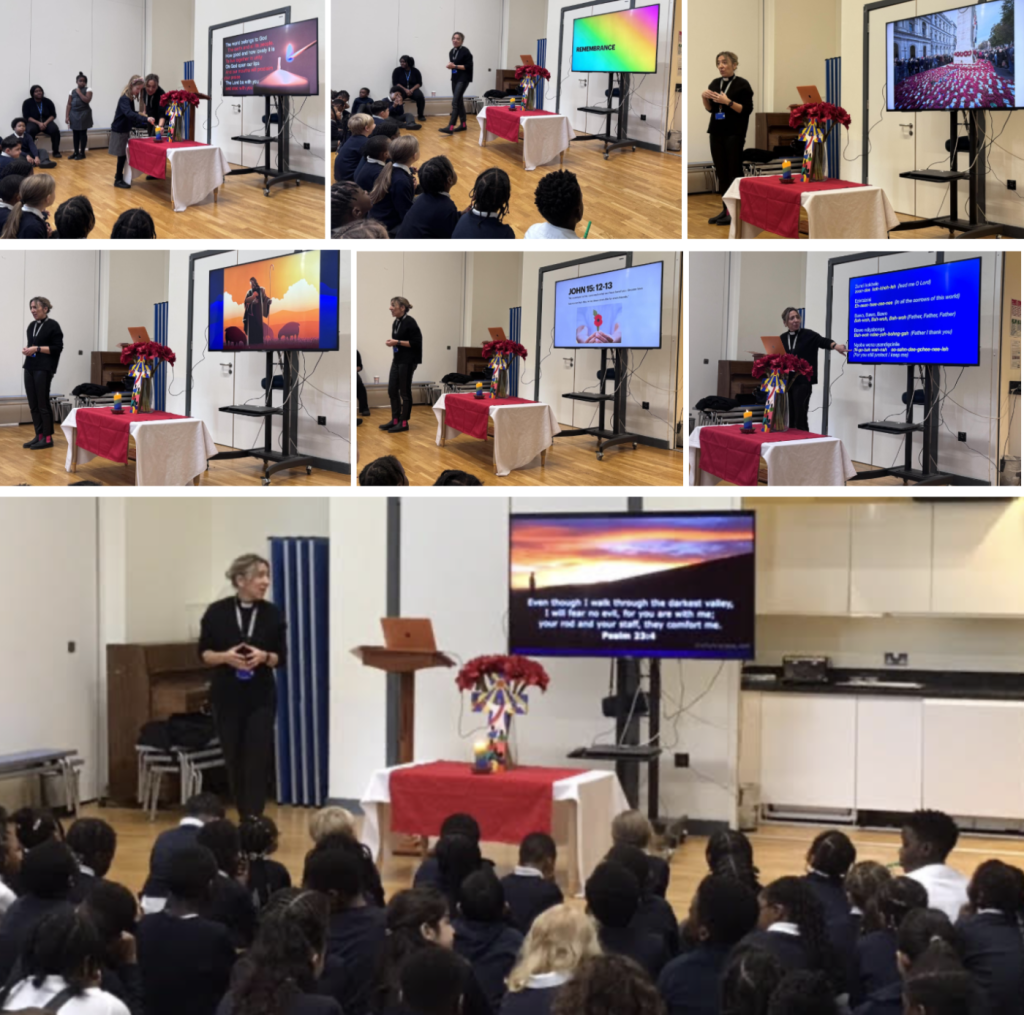
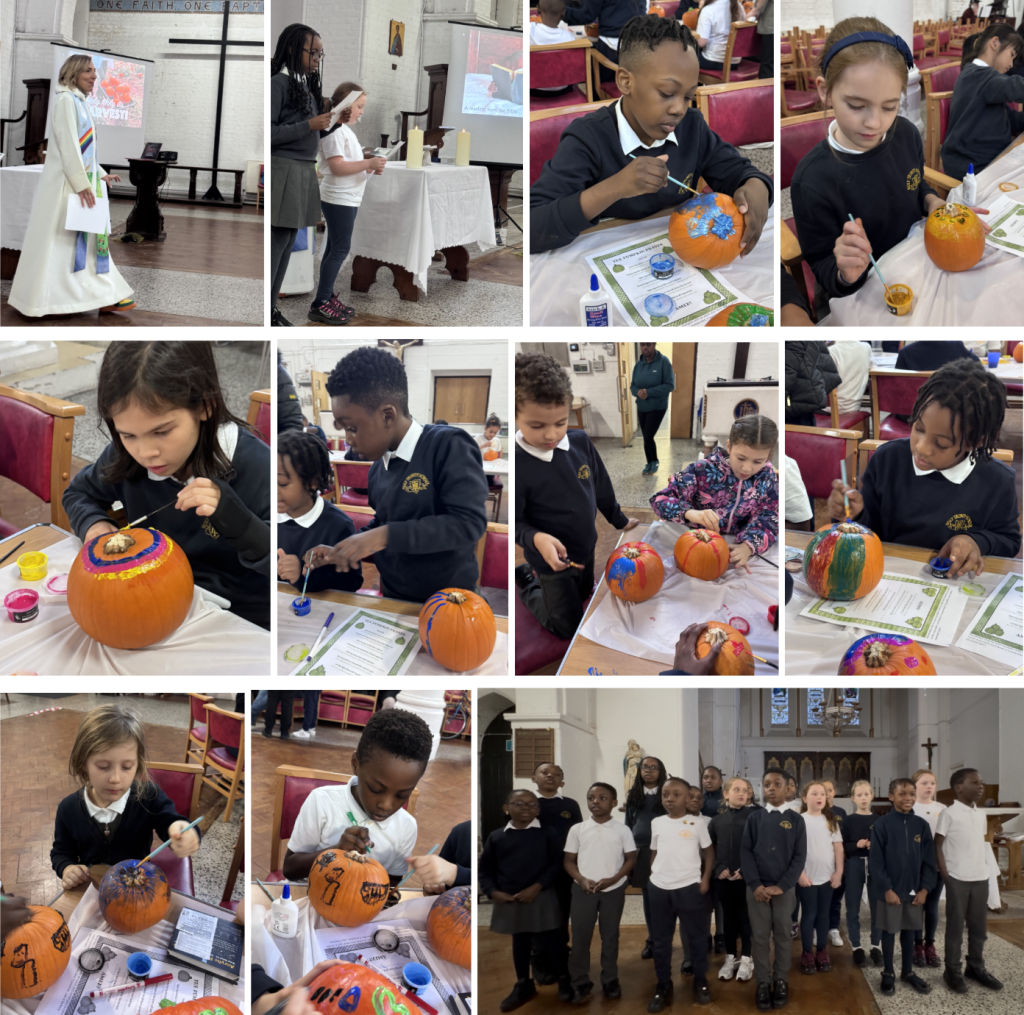
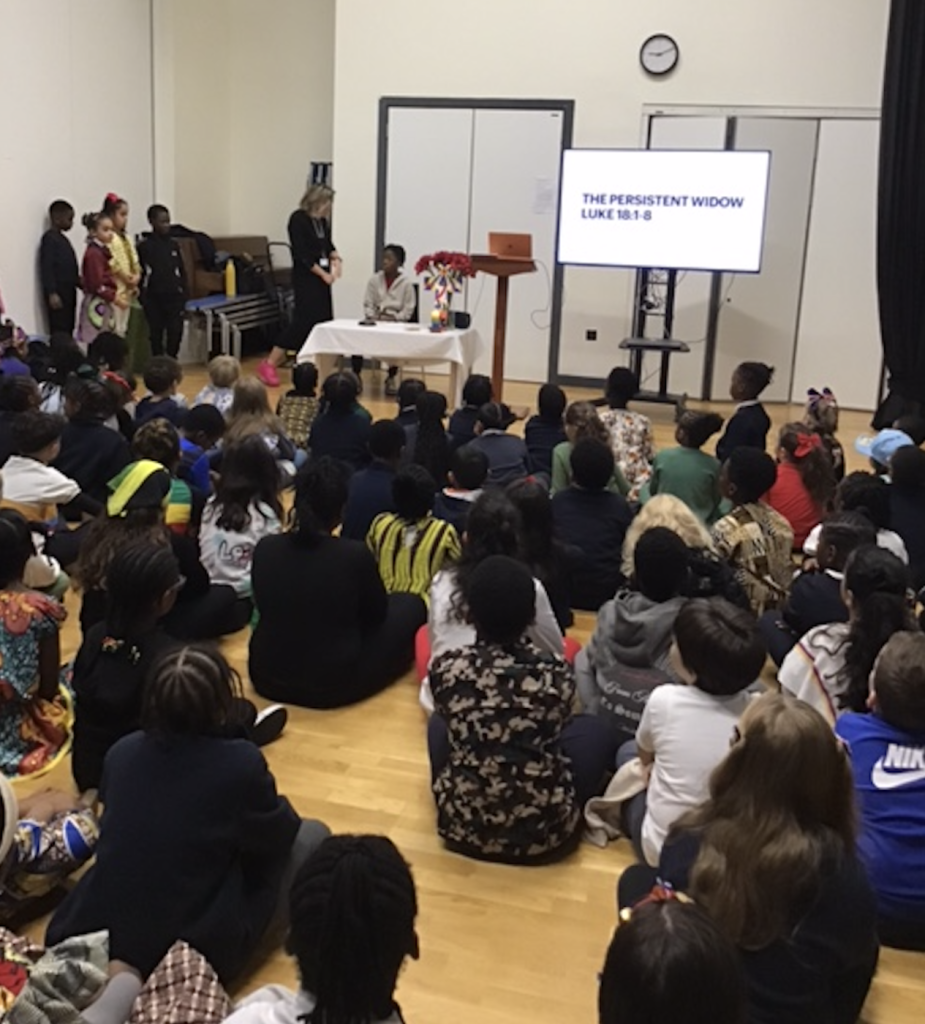
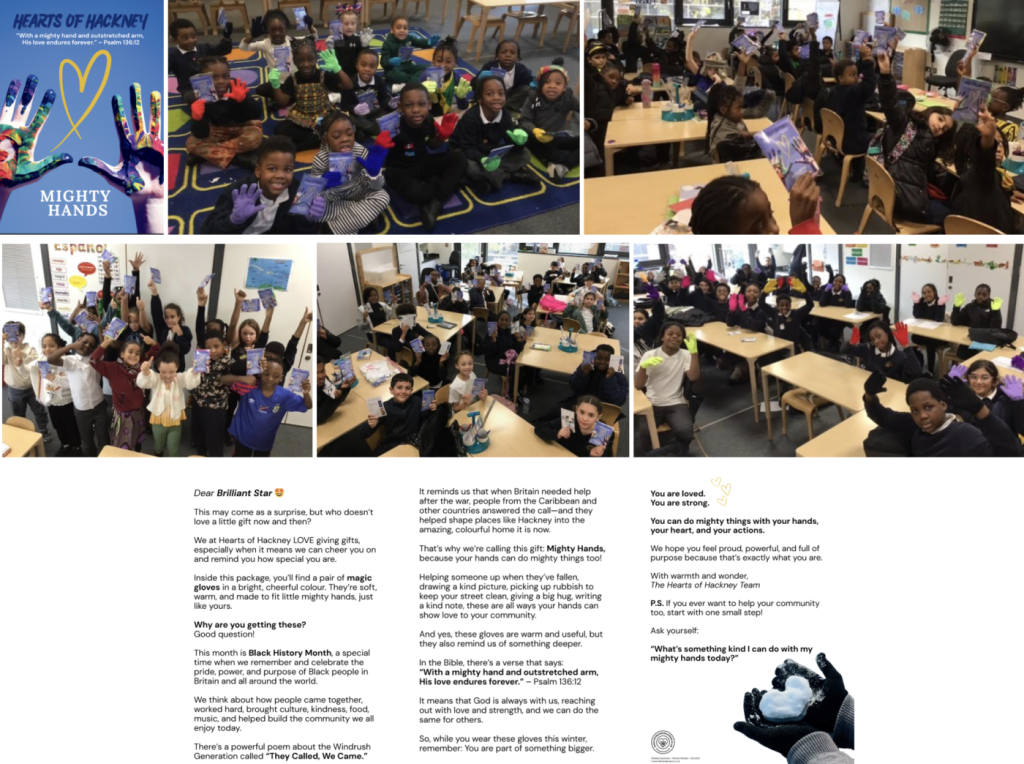
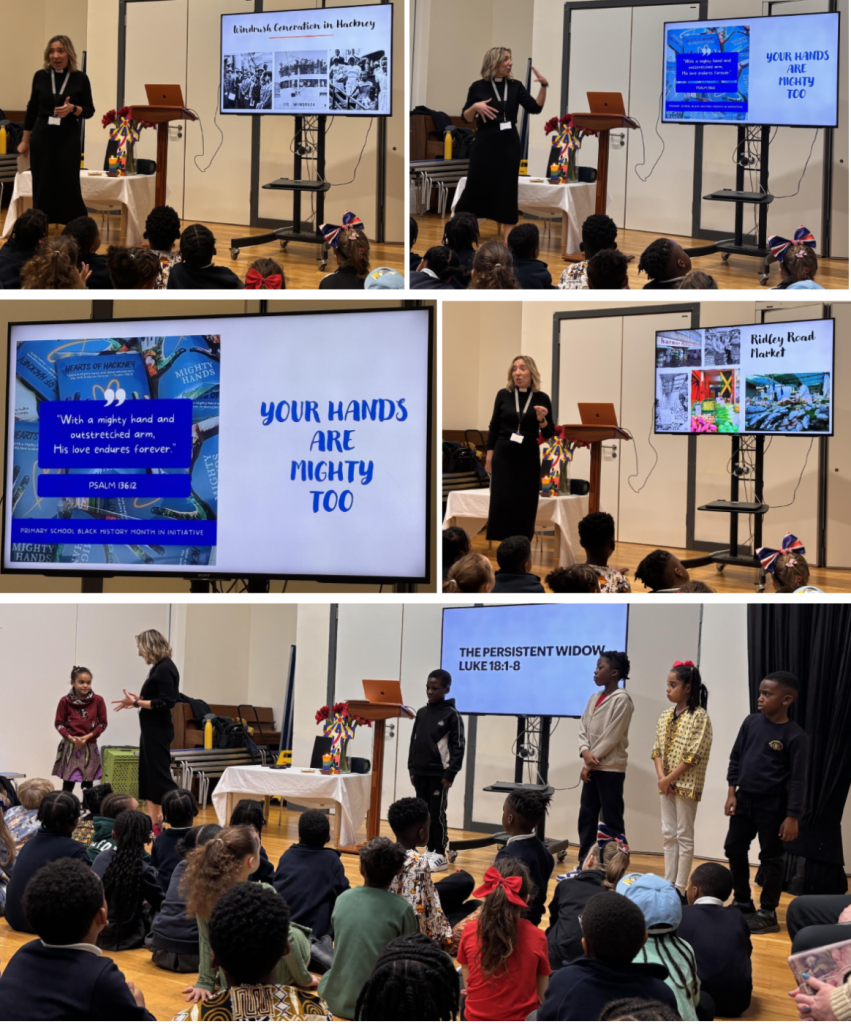
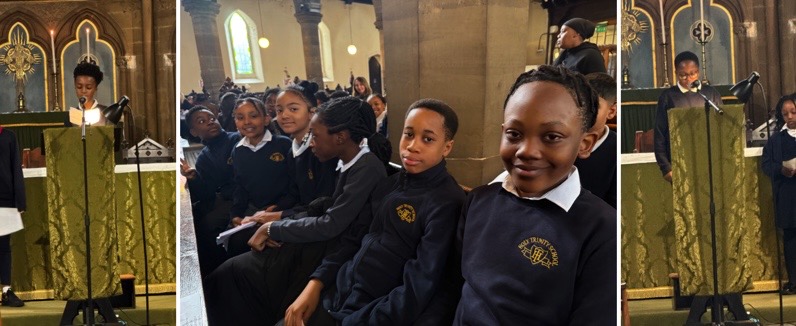
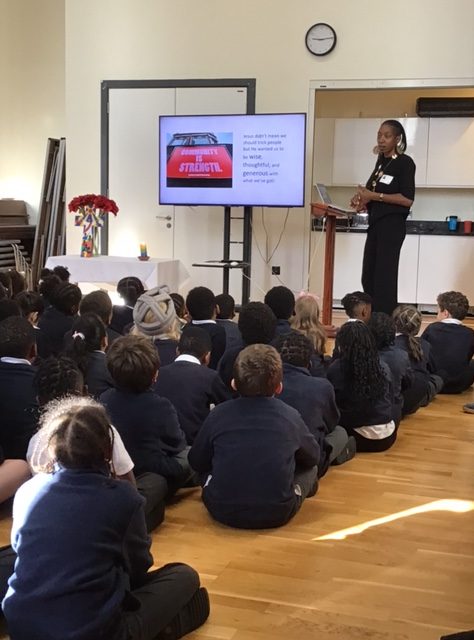
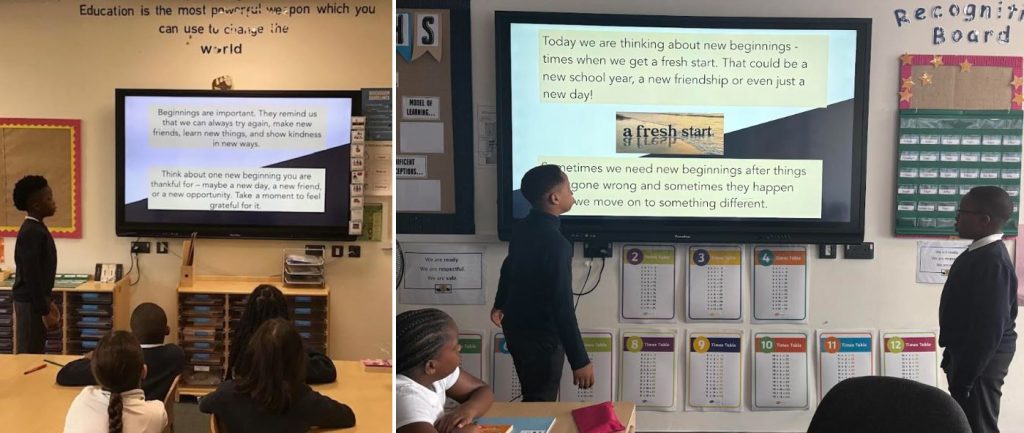
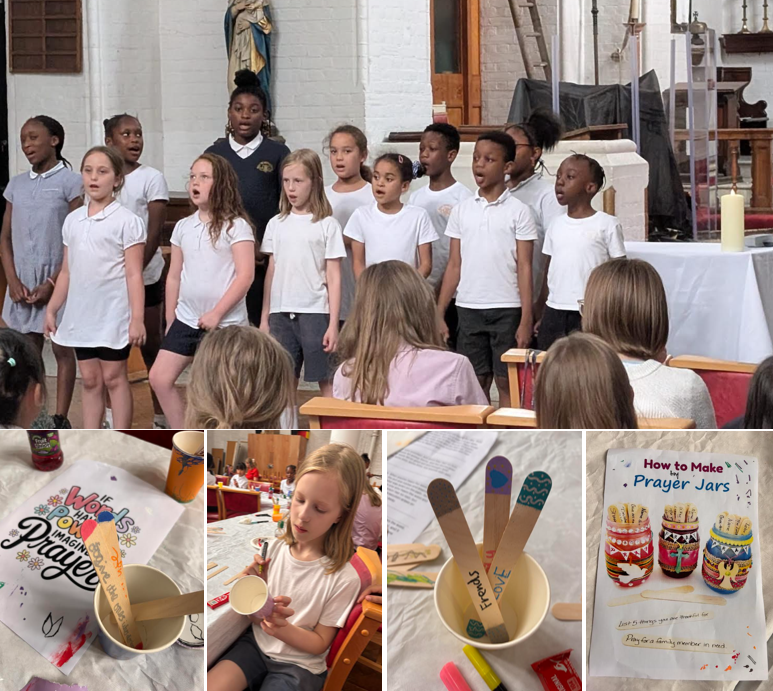
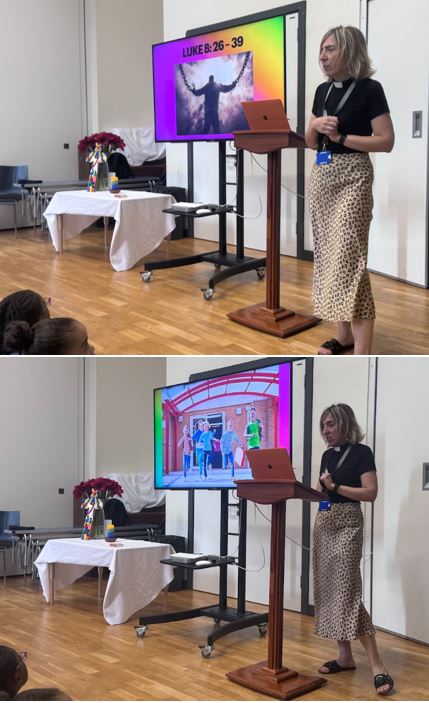
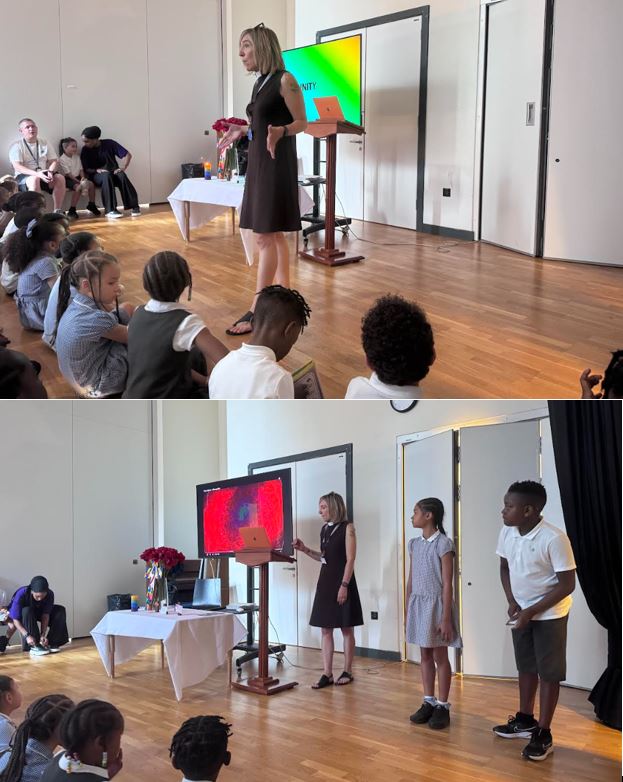
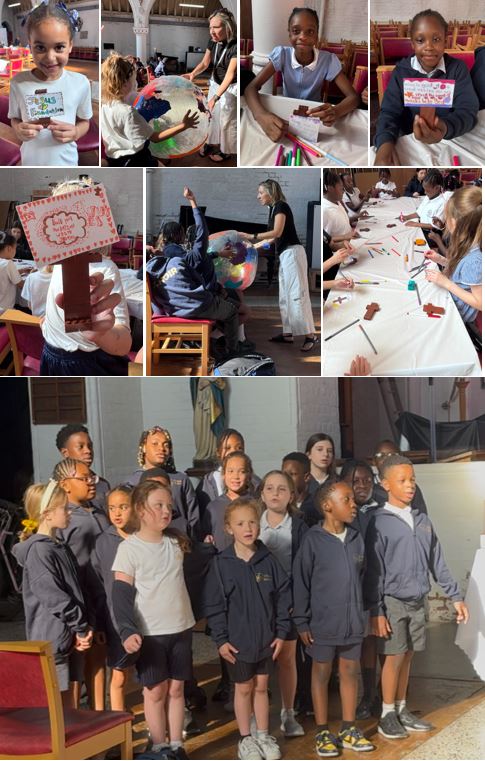
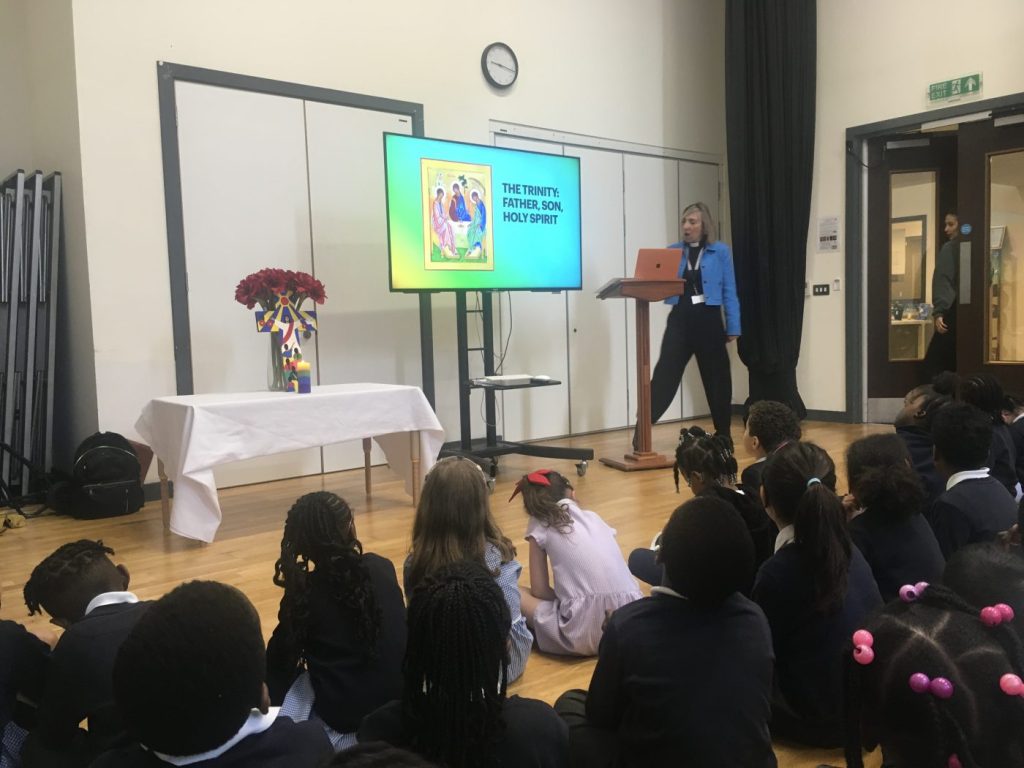
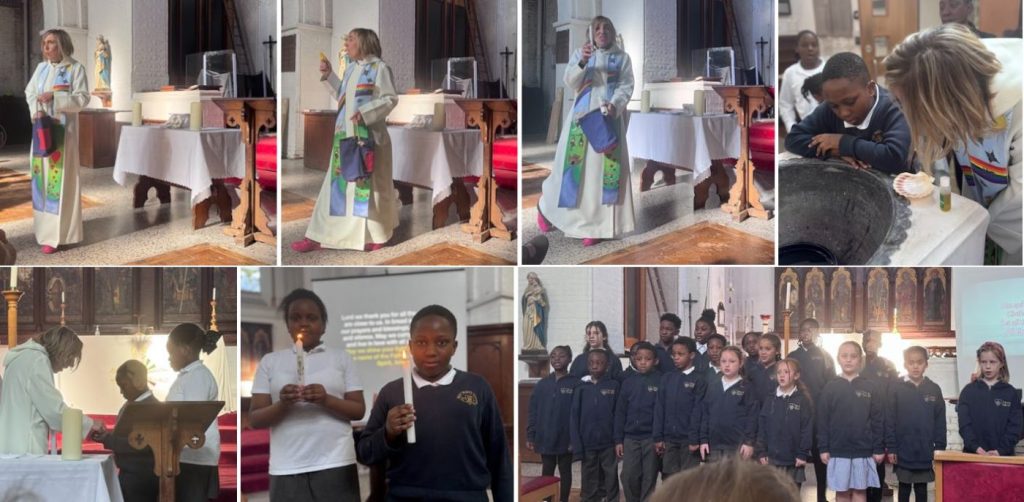
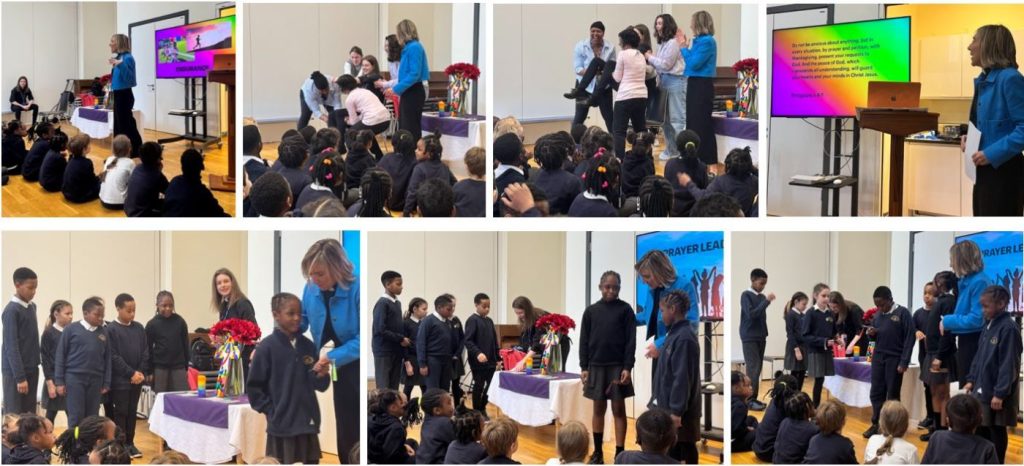
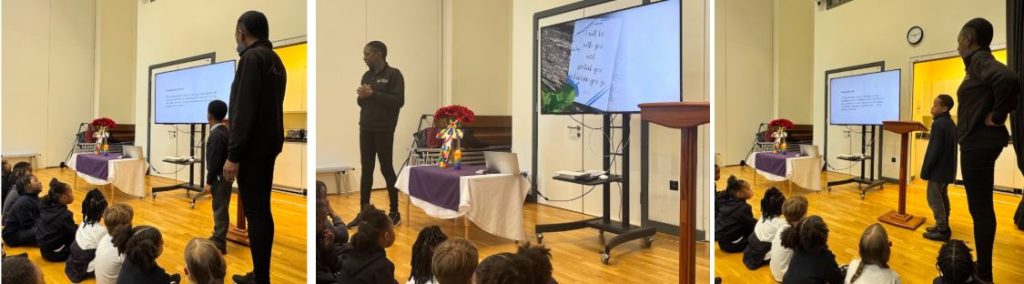
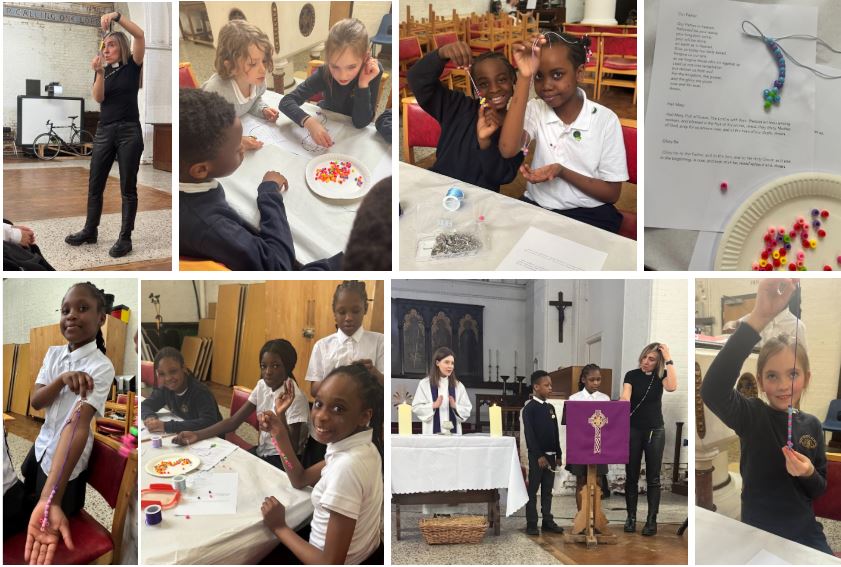
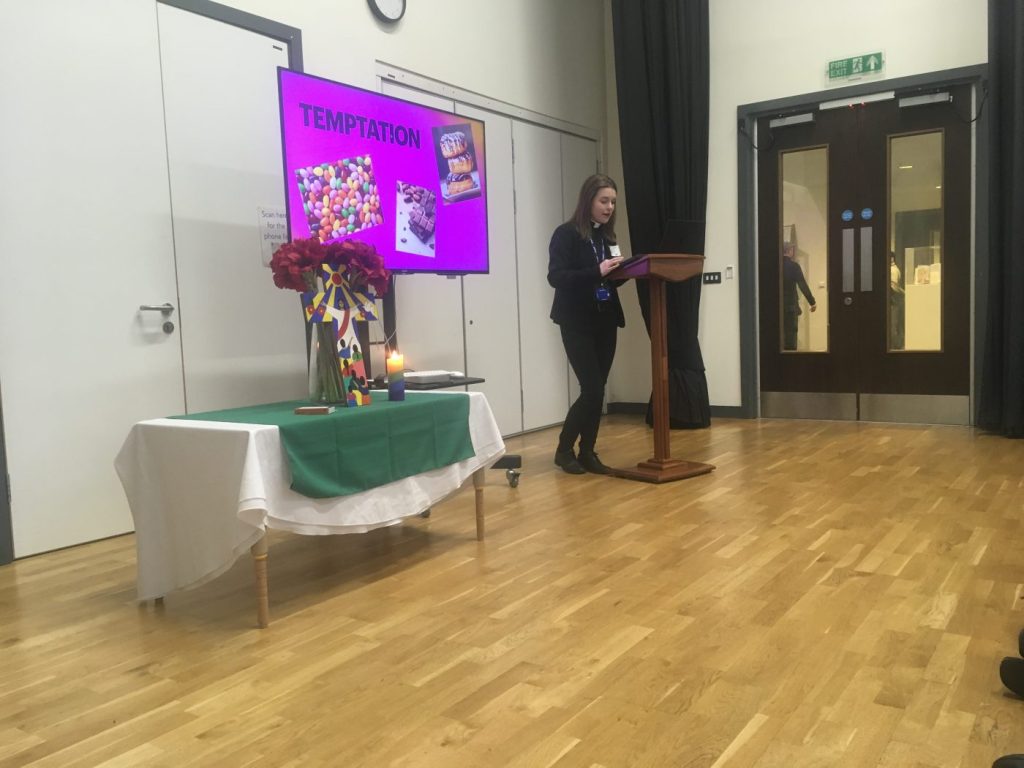
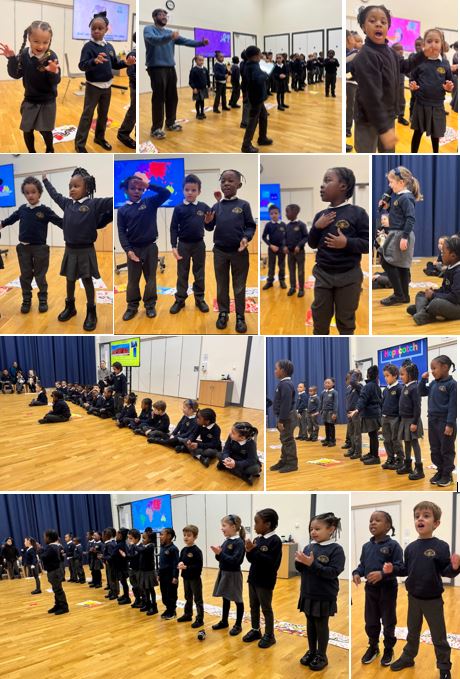
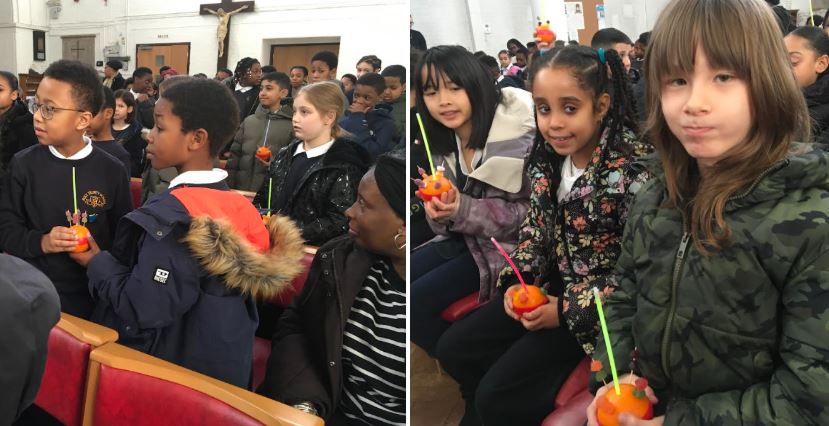
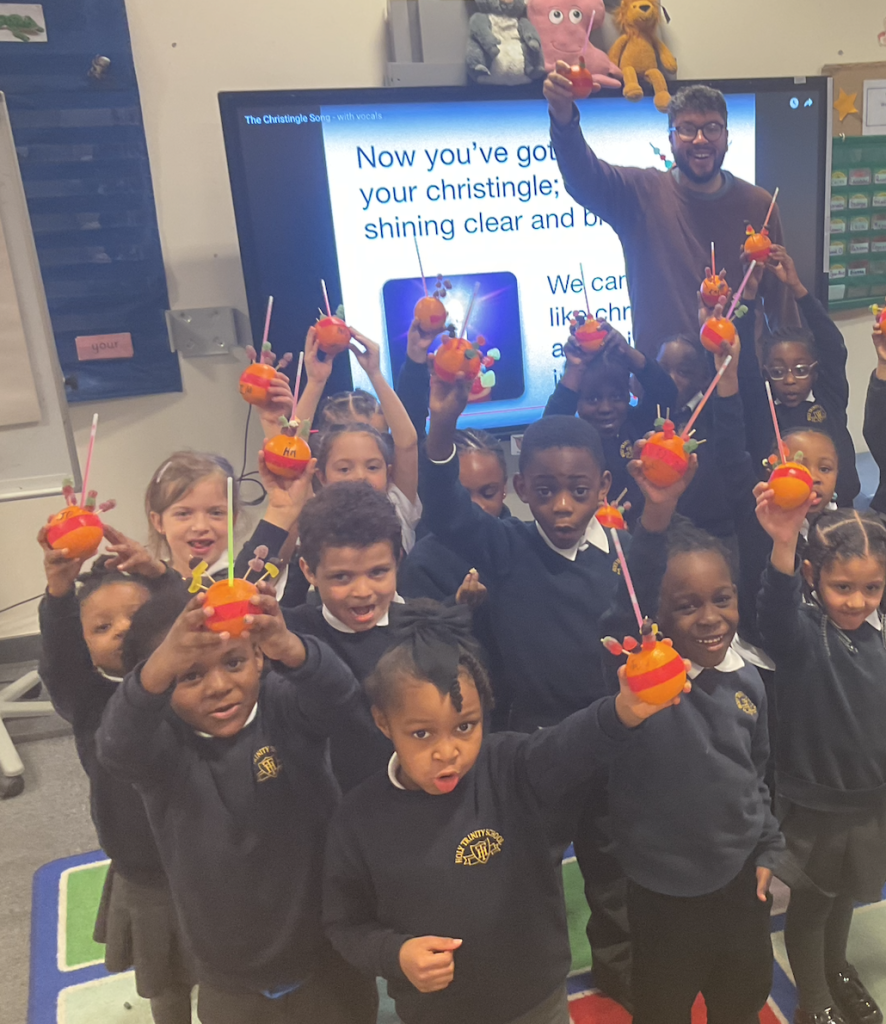
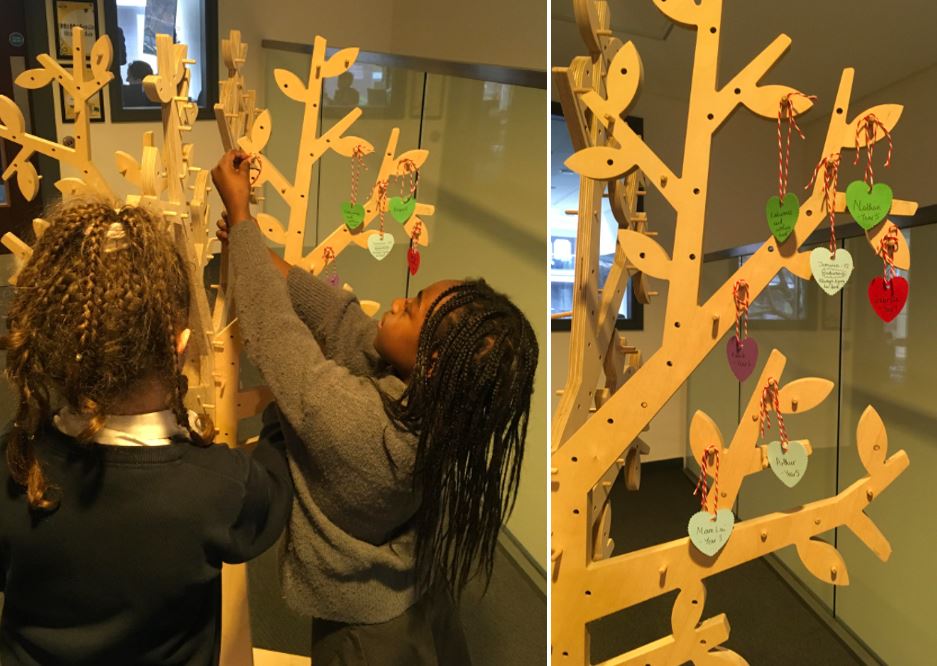
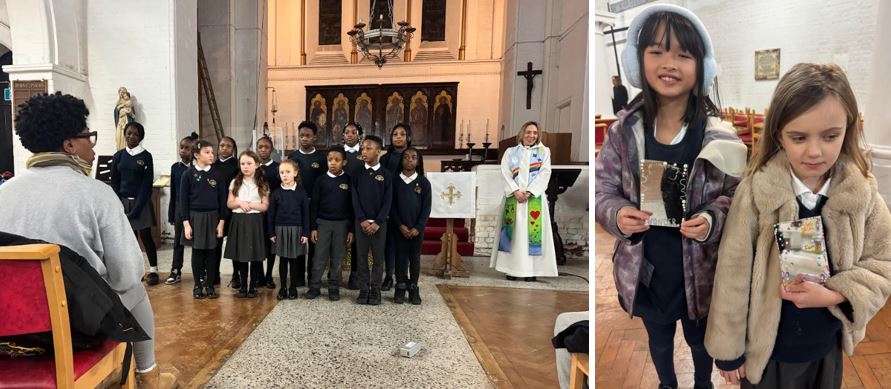
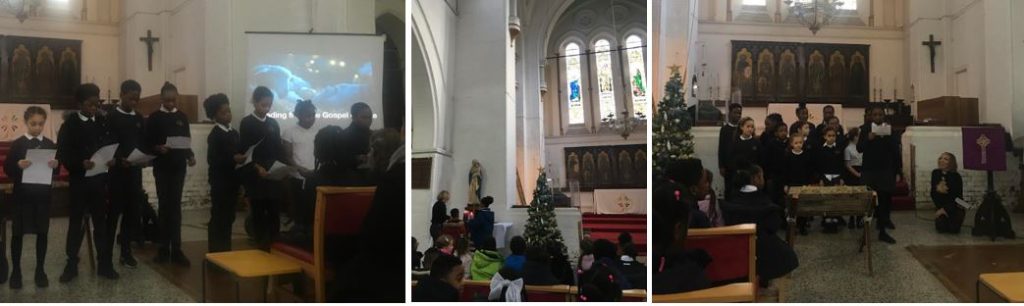
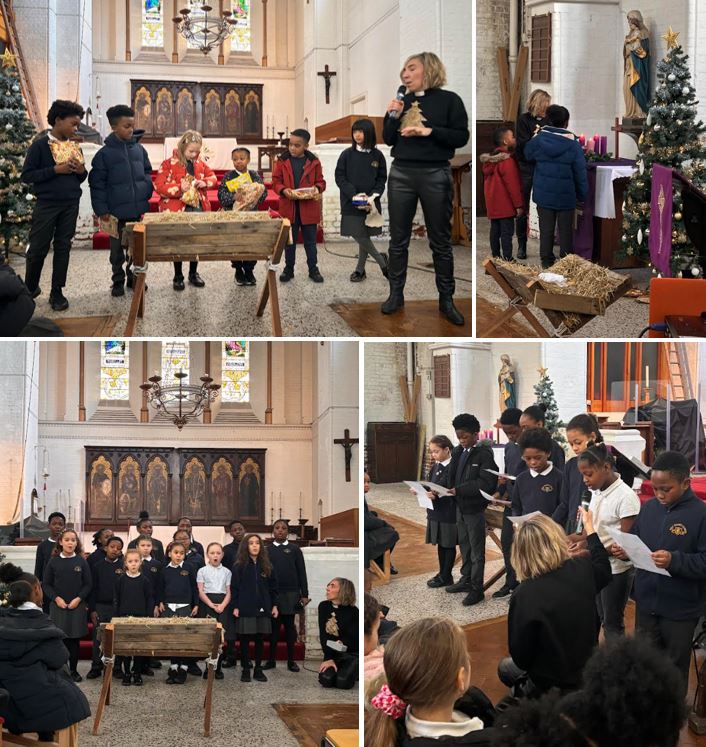
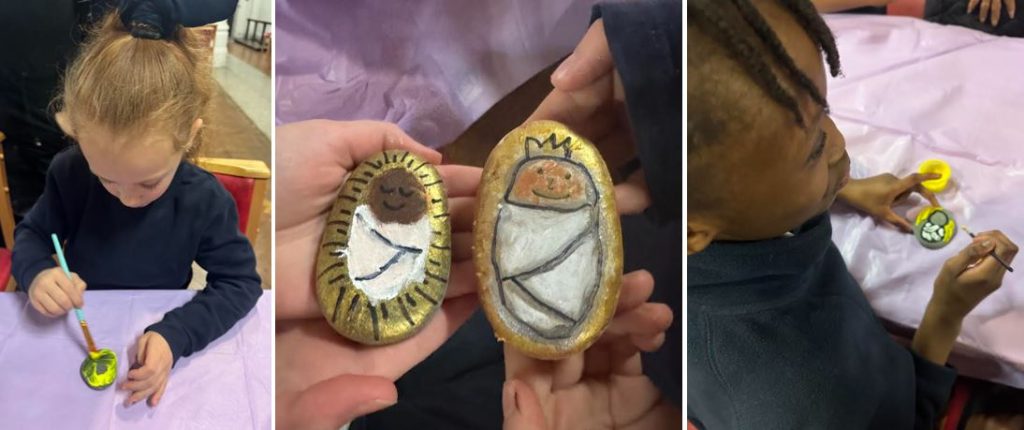
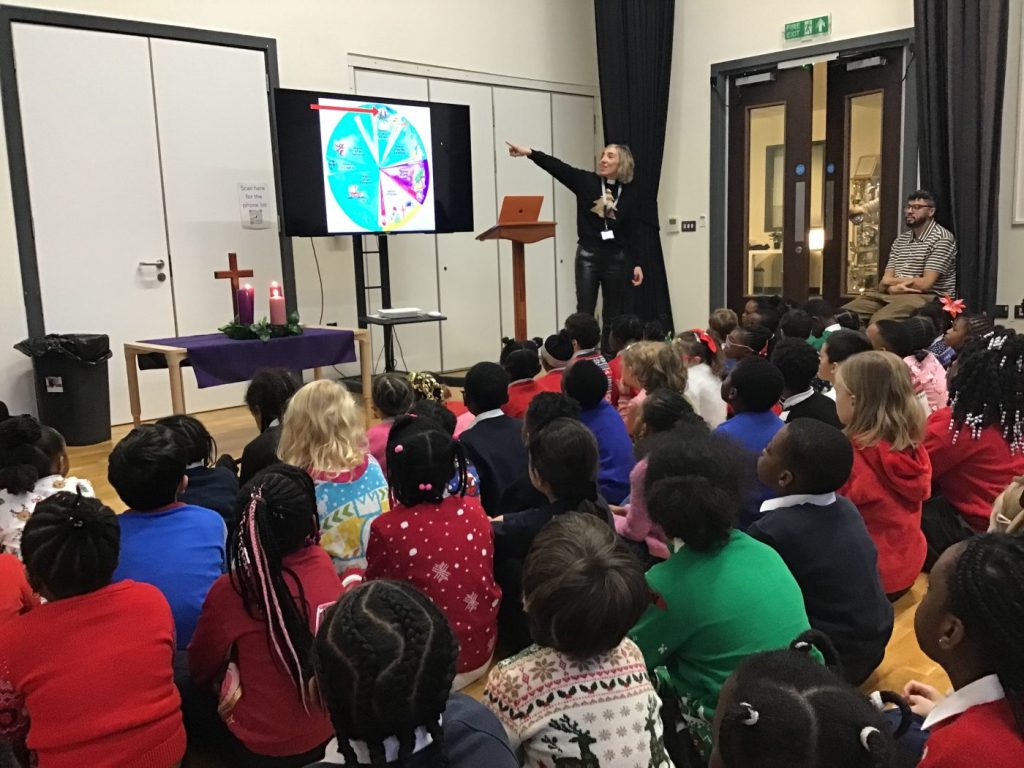
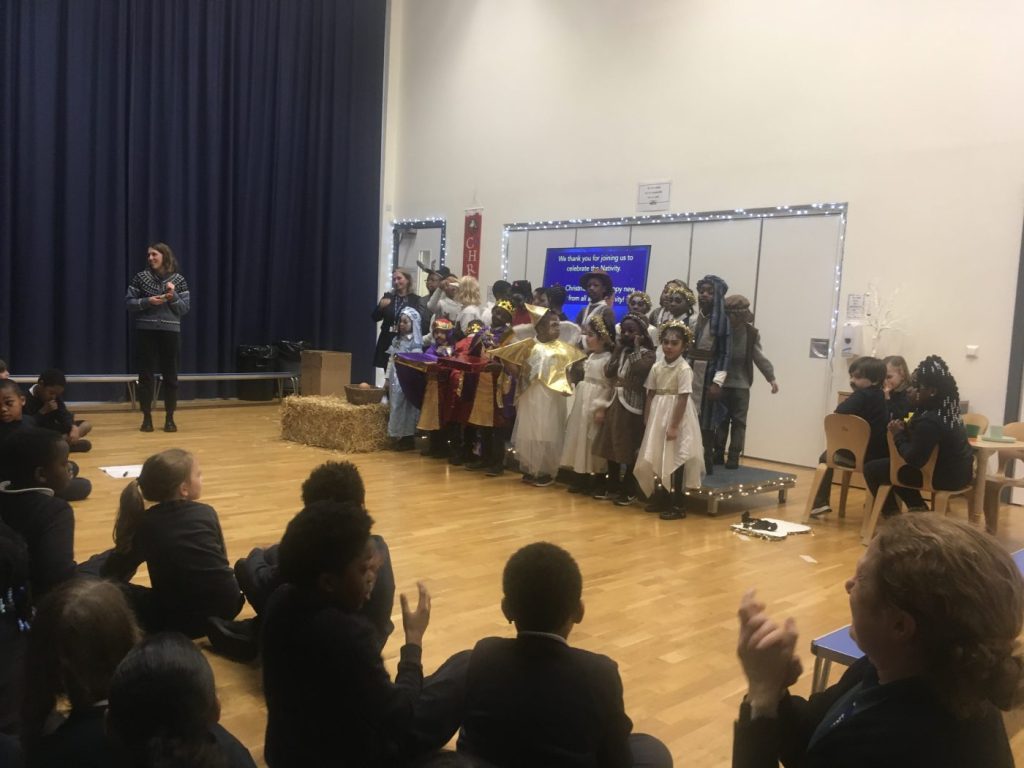
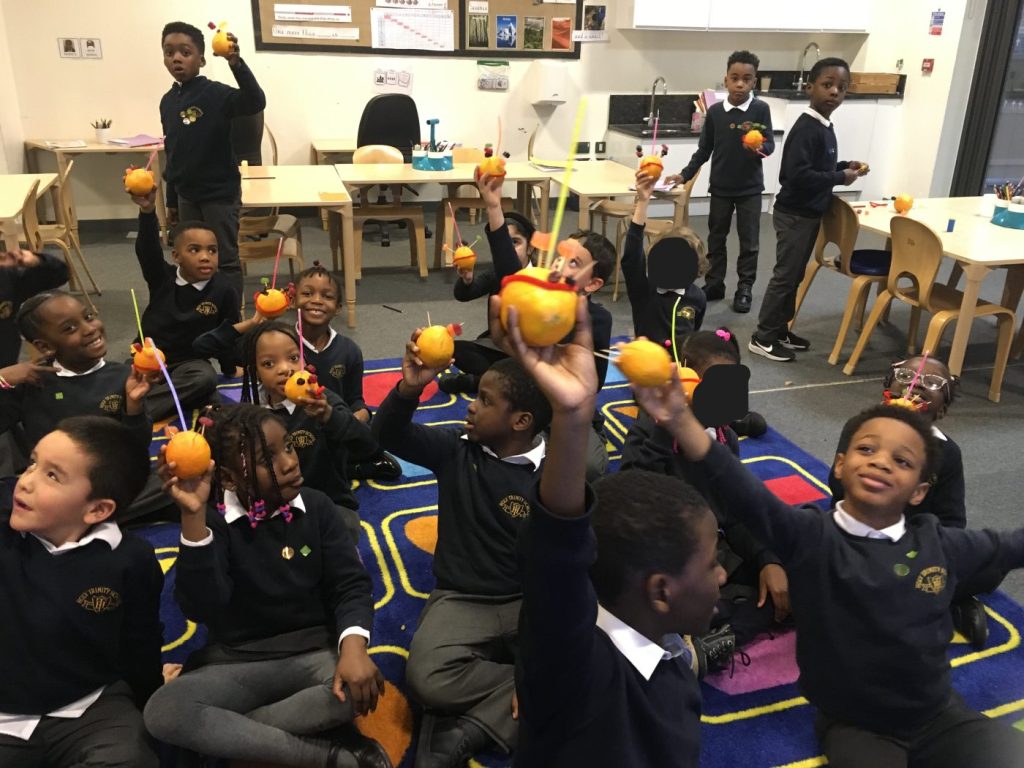
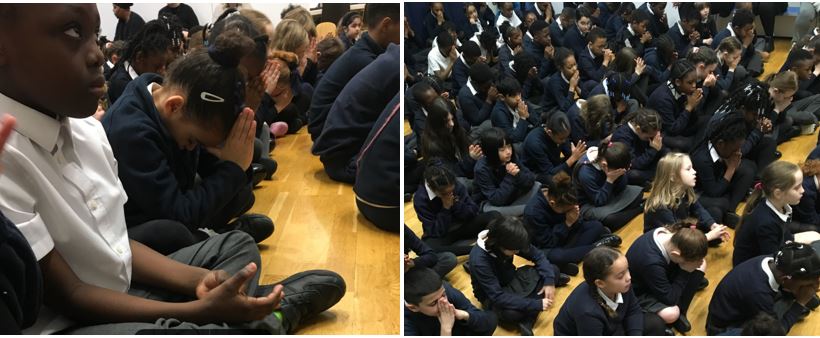
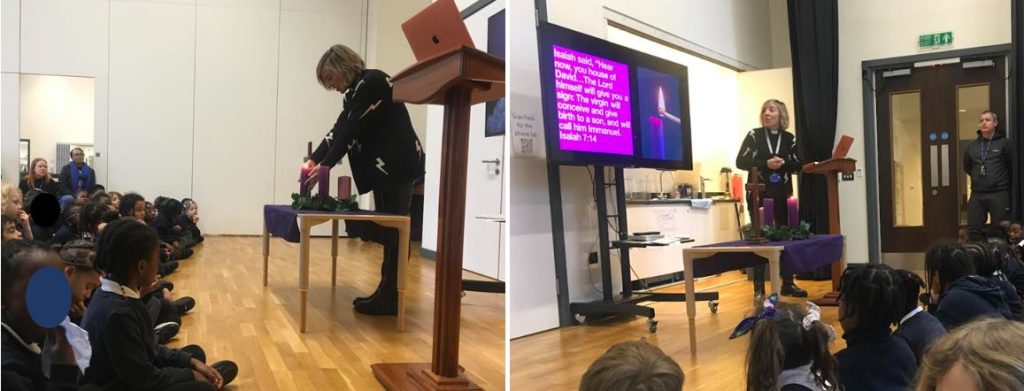
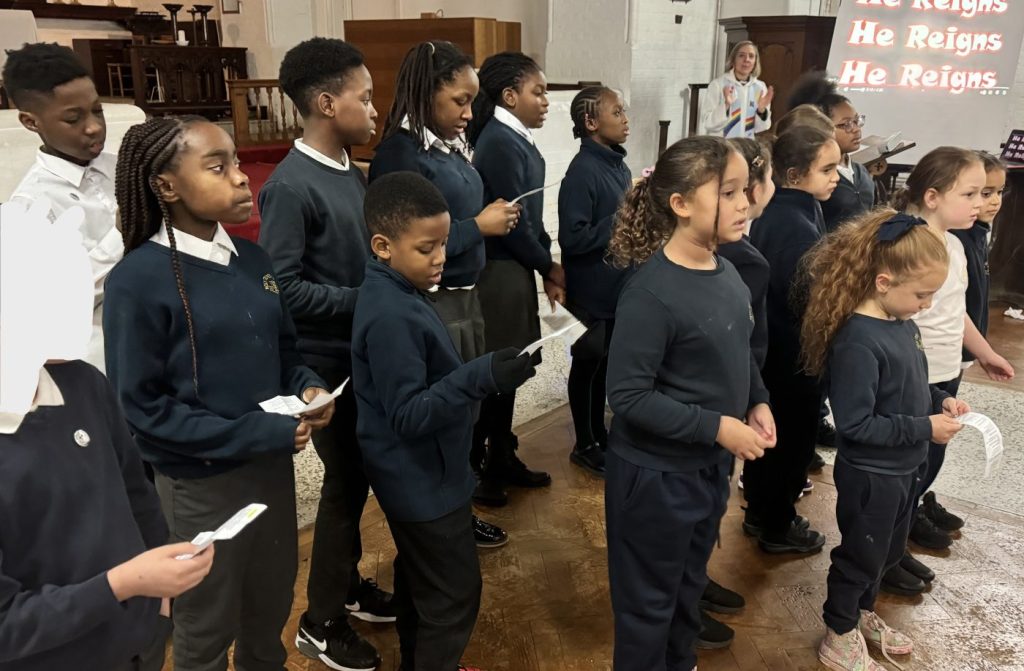
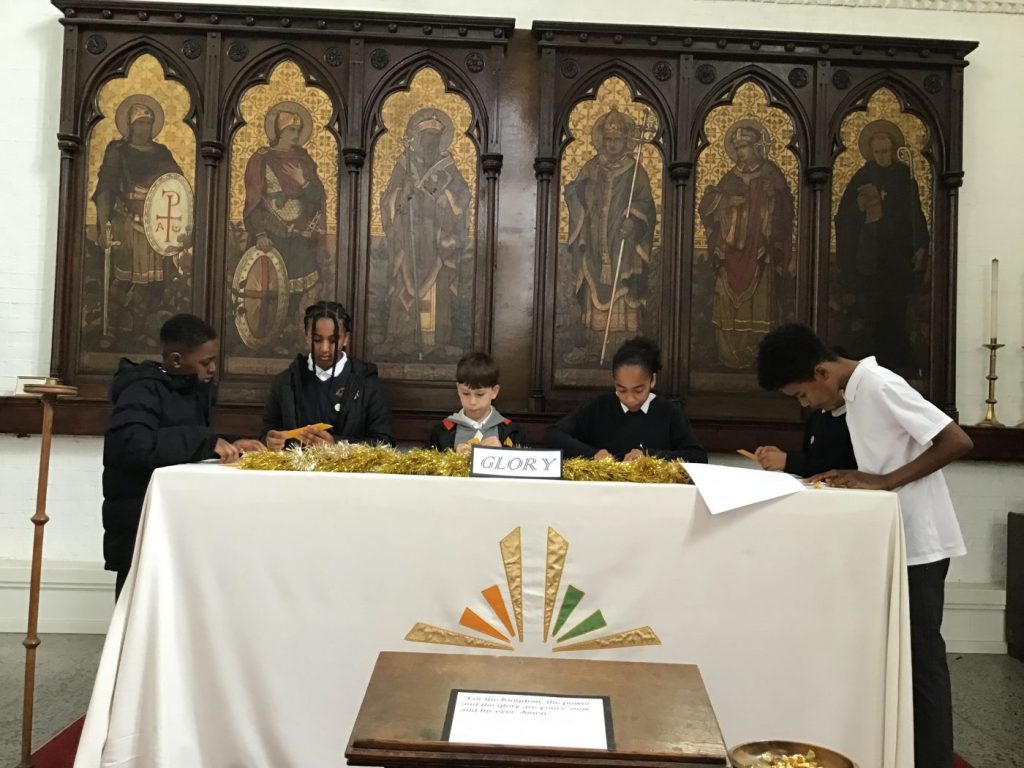
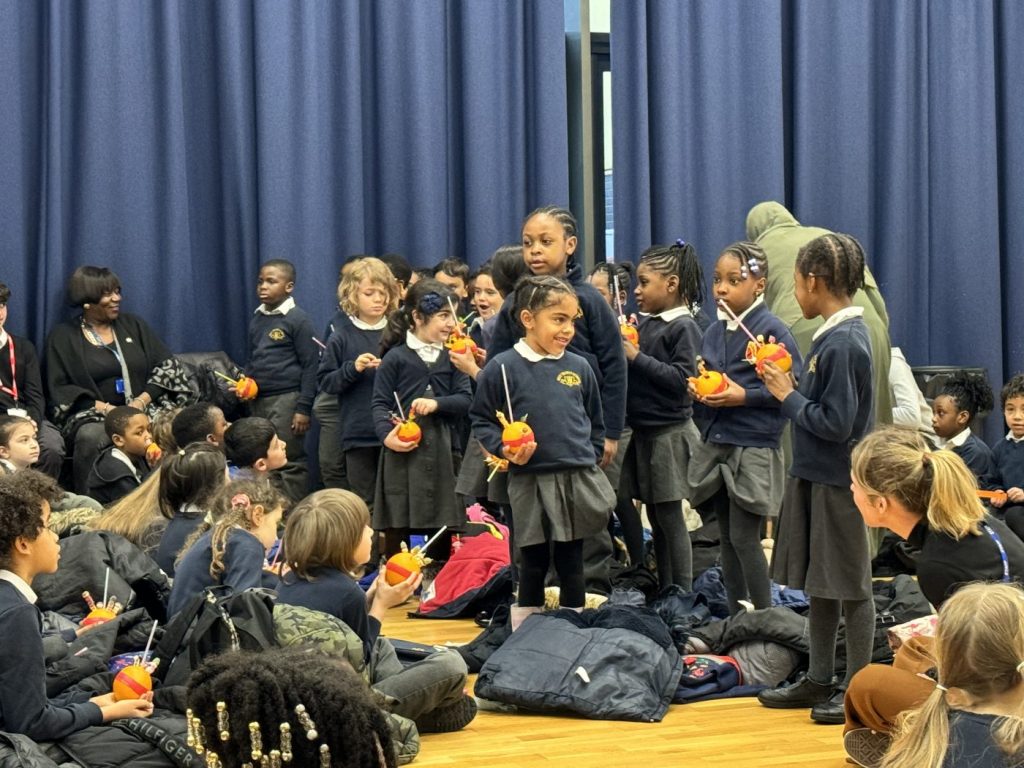
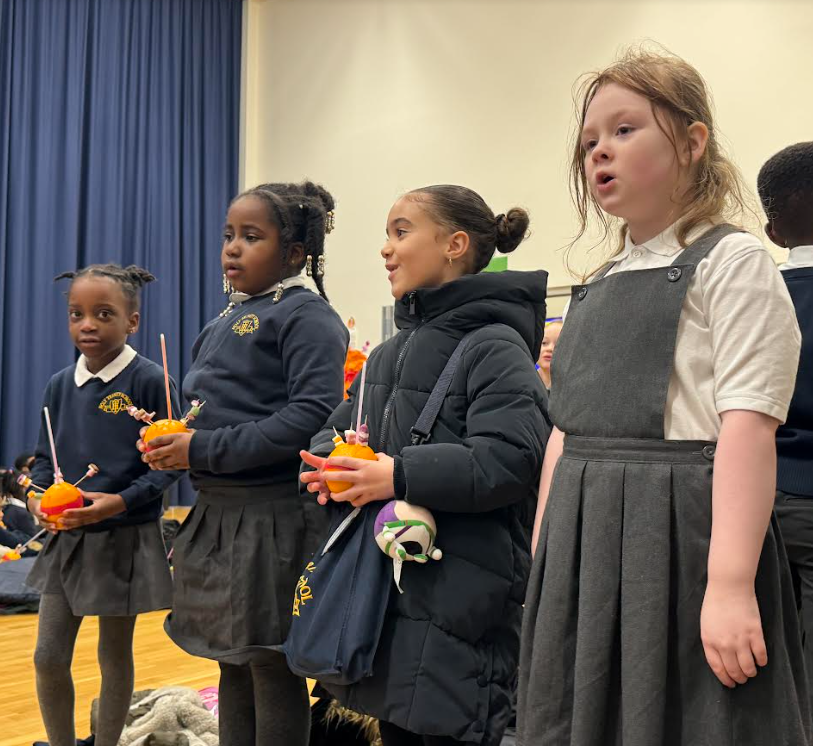
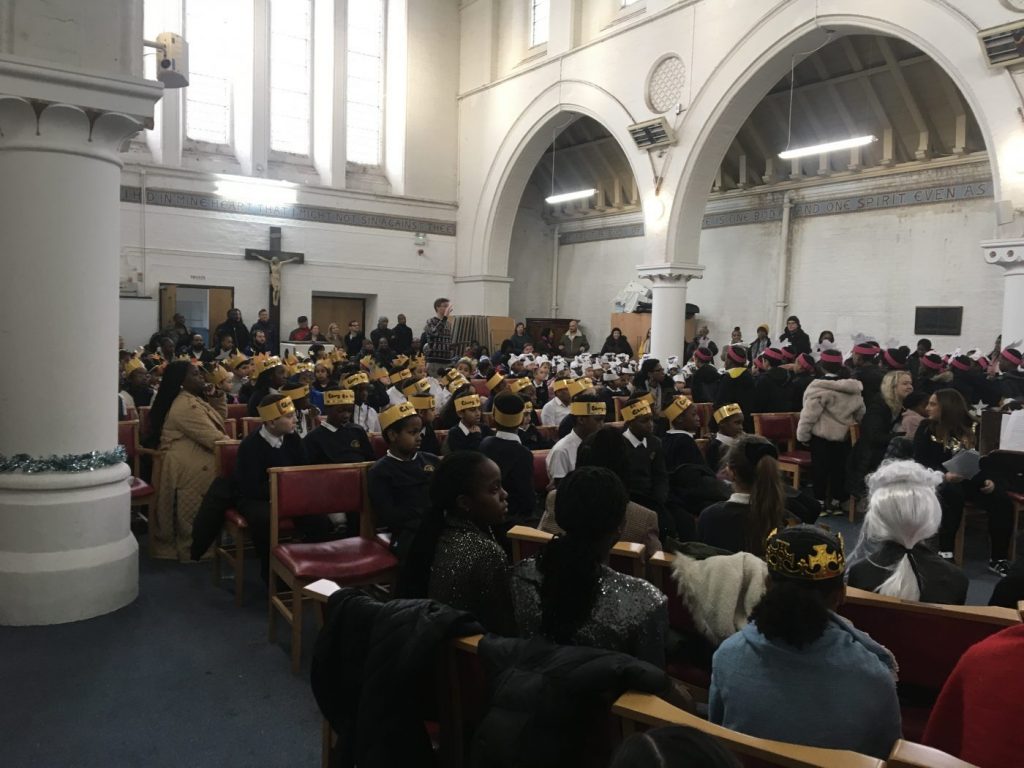
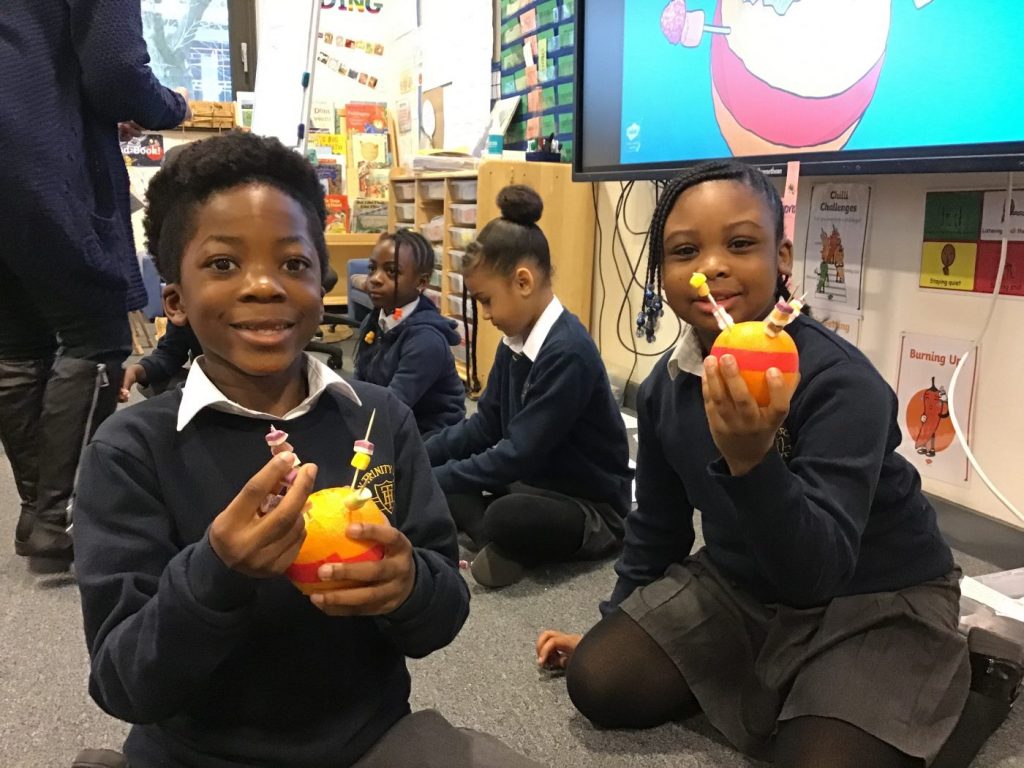
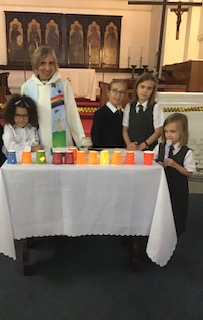
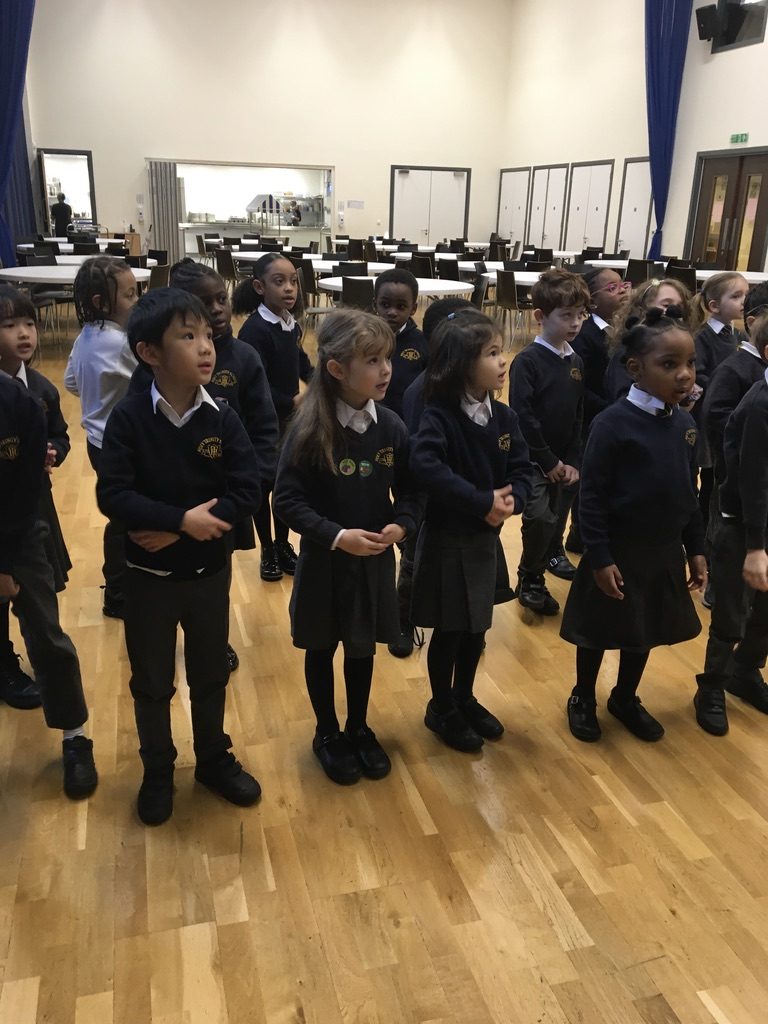
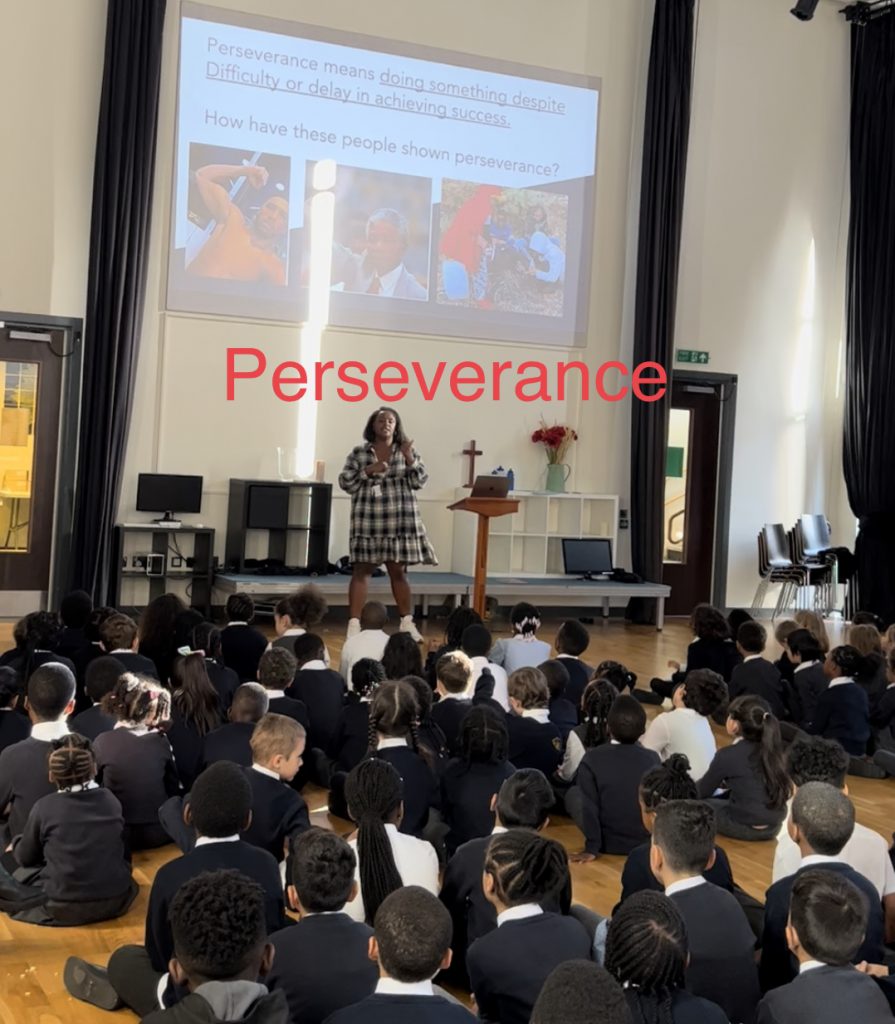
RE is further enriched through collective worship, church services and dedicated focus days, which provide opportunities for extended enquiry and reflection. Spiritual, Moral, Social and Cultural (SMSC) development is woven throughout.
The key questions explored and the religions studied are outlined in the curriculum overview below.
Religious Education Curriculum Map
The vocabulary we are learning and using in class can be seen in the document below.
Religious Education Vocabulary
Developing Religious Literacy
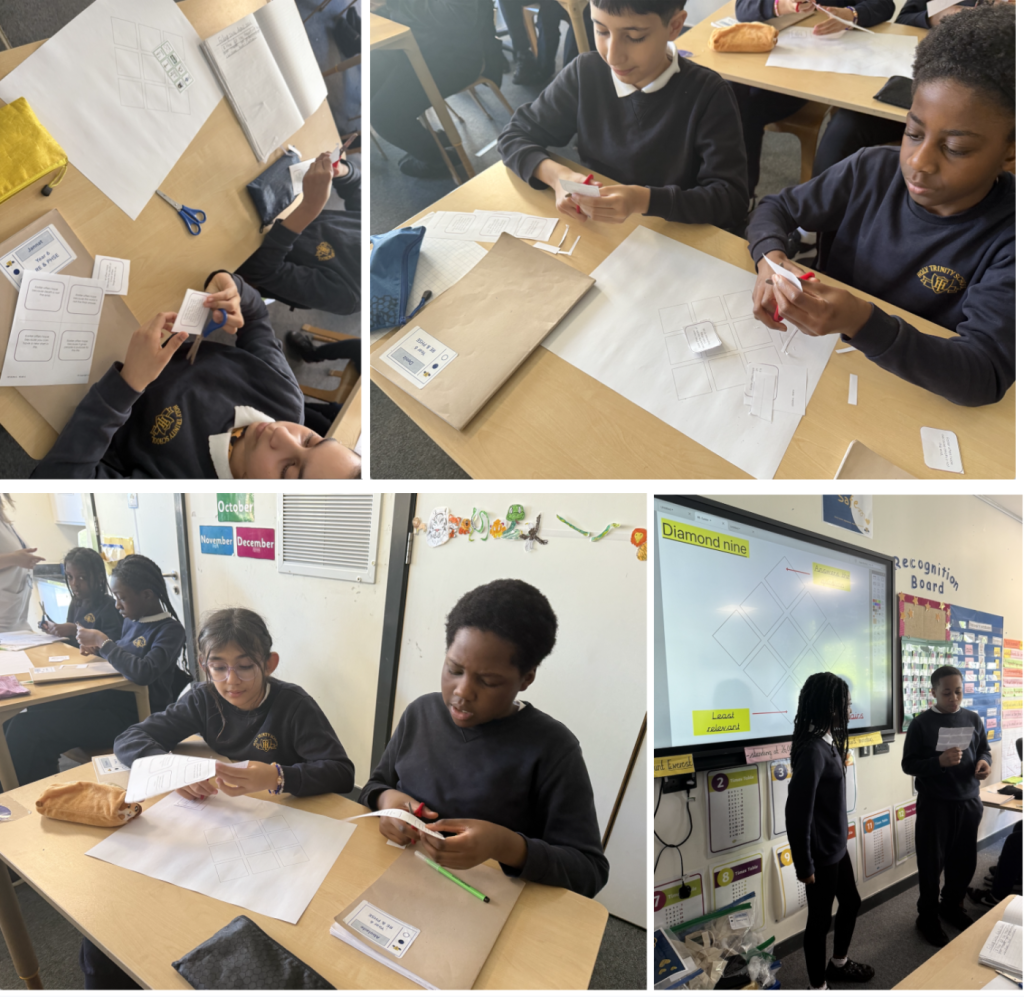
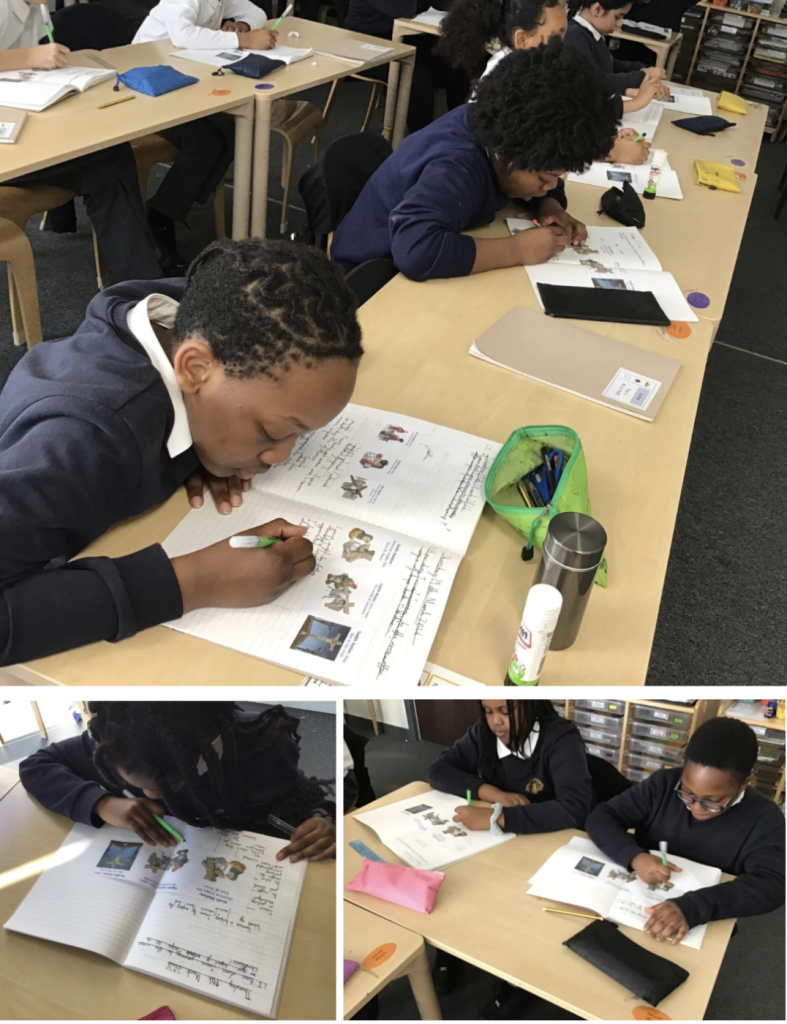
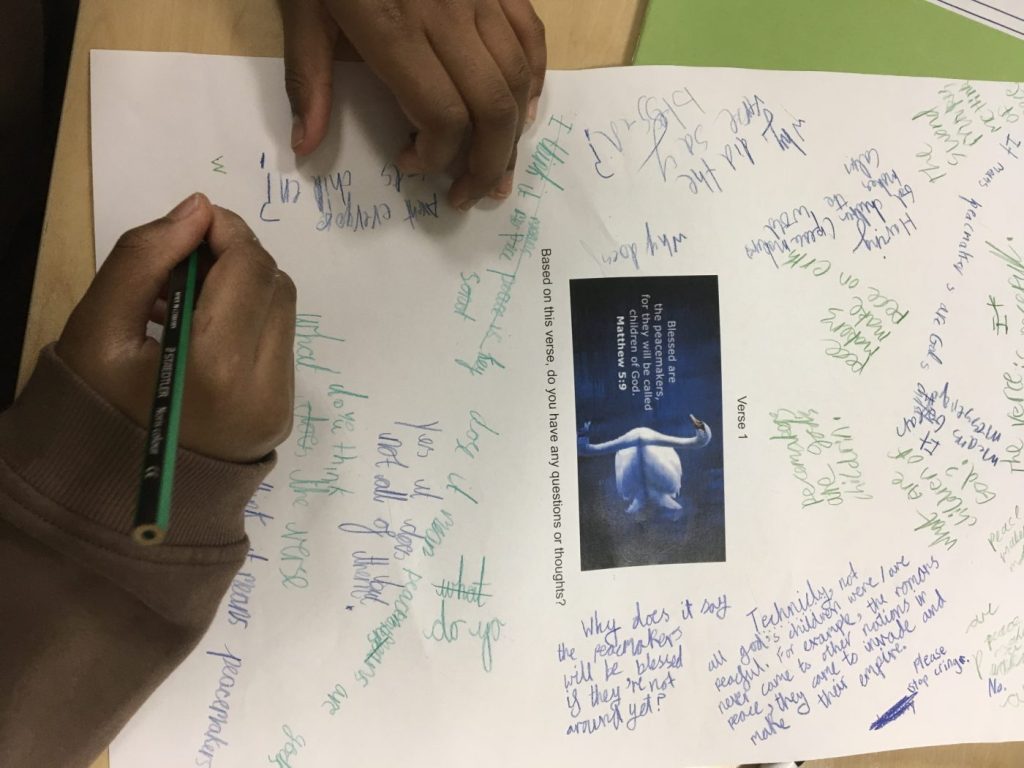
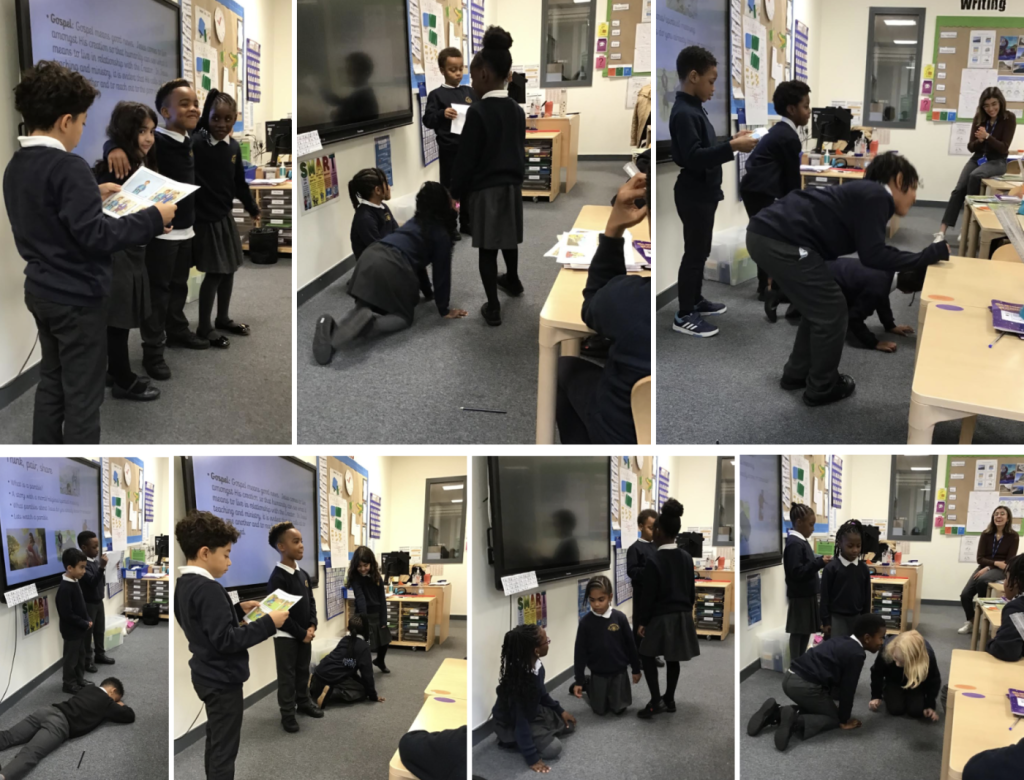
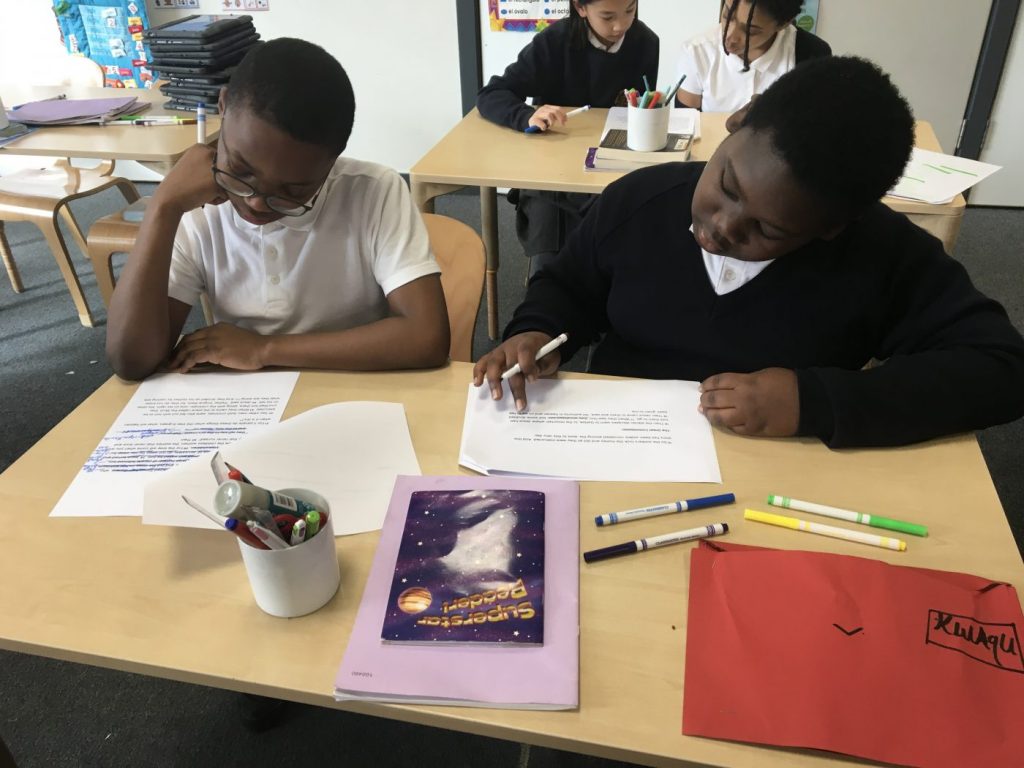
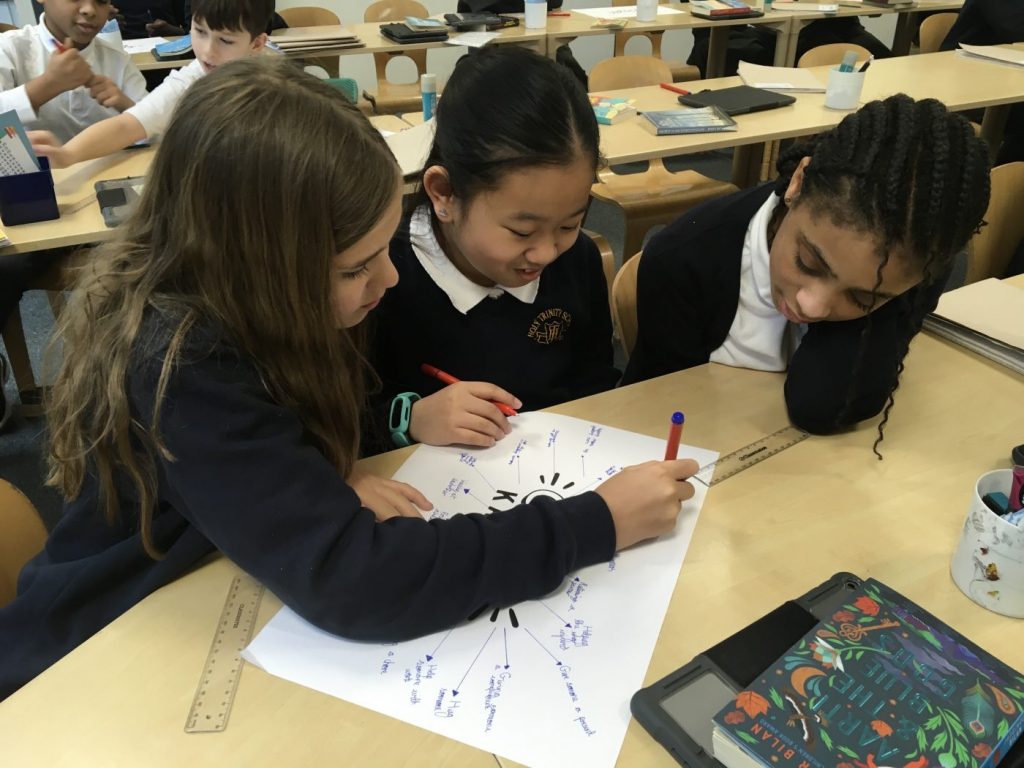
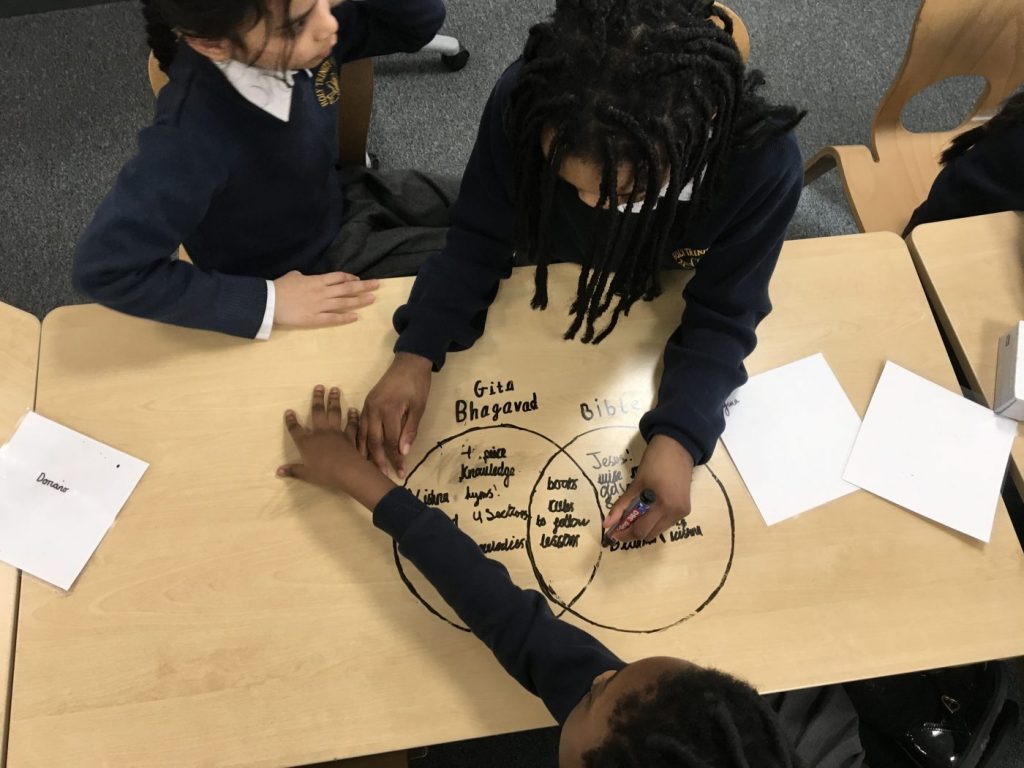
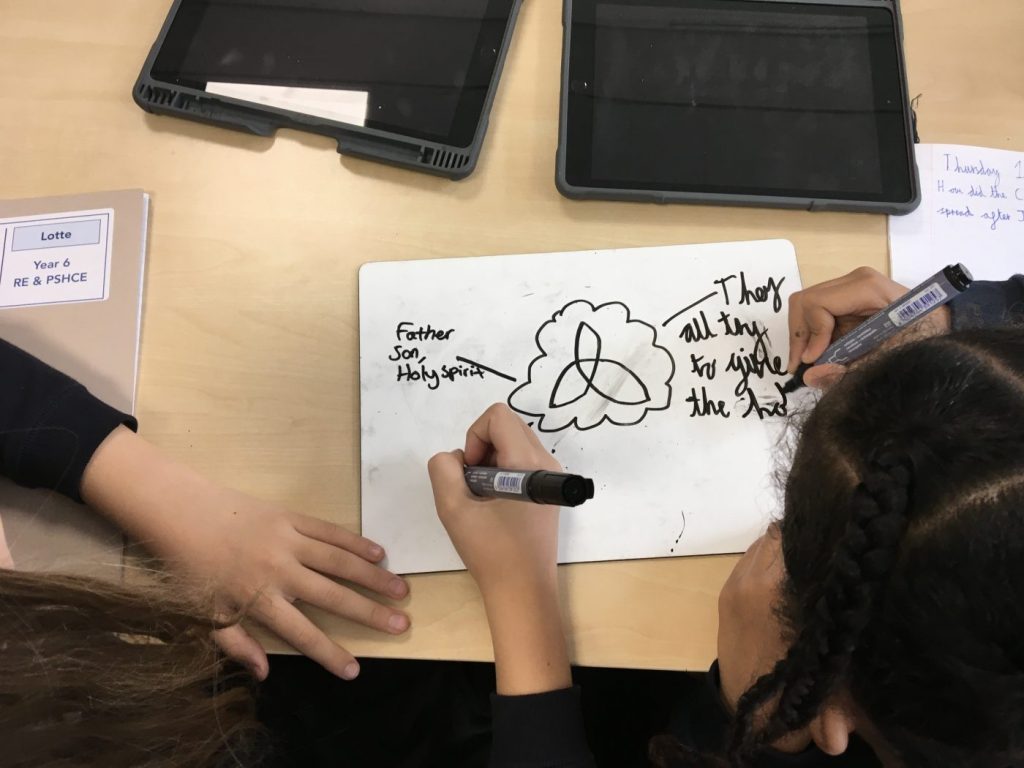
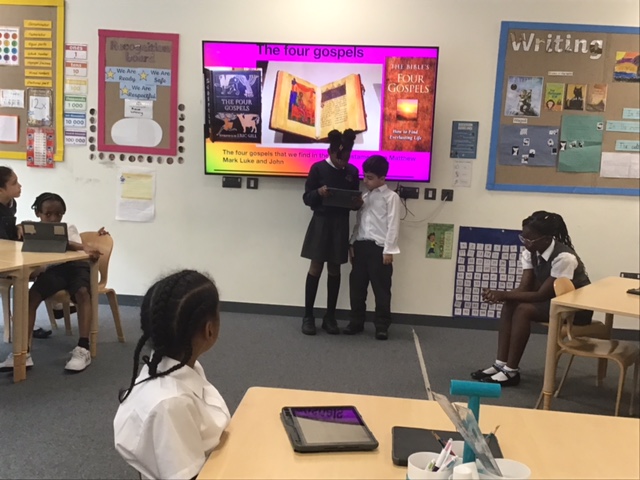
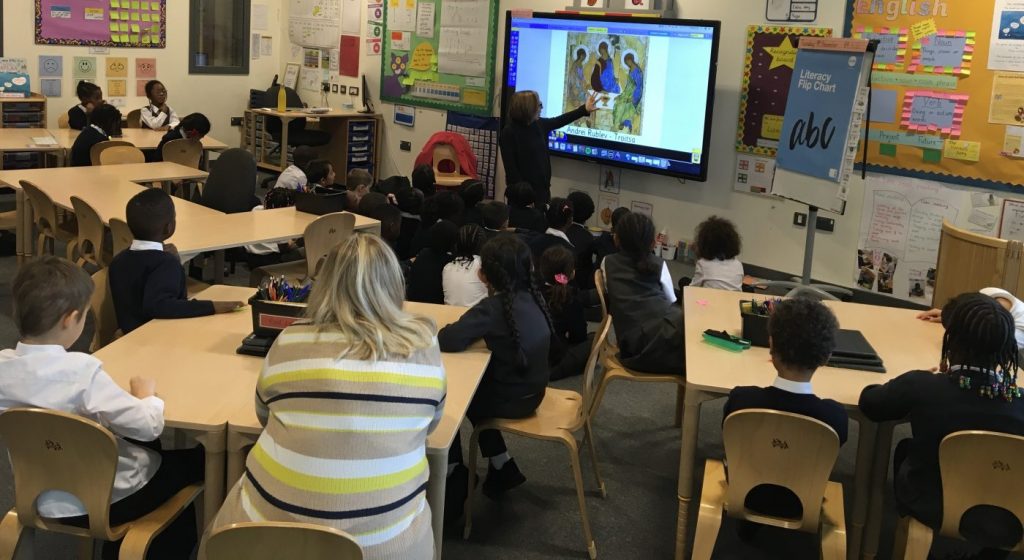
A central goal of R.E. at Holy Trinity is to develop religious literacy. Pupils engage critically with sacred texts, including regular study and analysis of the Bible, applying cross-curricular skills to deepen understanding. Through structured enquiry, children learn to:
-
Ask thoughtful and challenging questions
-
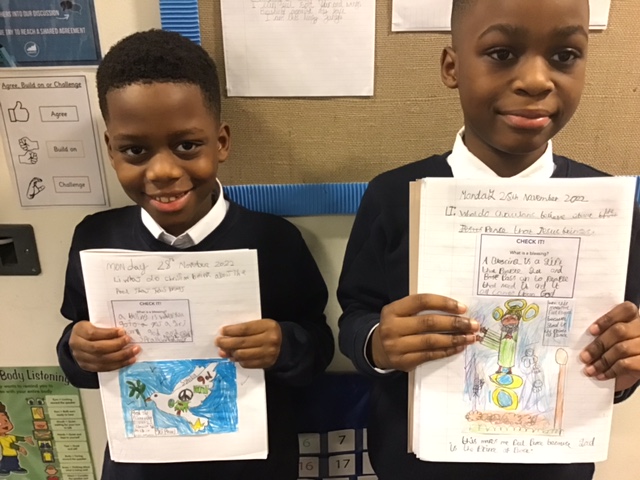
Analyse and interpret religious texts
-
Make connections within and across religions
-
Reflect on and articulate their own beliefs and values
Assessment is ongoing and purposeful. Teachers use diocesan guidance and assessment tools to ensure clear progression, while pupils are encouraged to reflect on their learning and identify next steps.
Early Years Foundation Stage (EYFS)
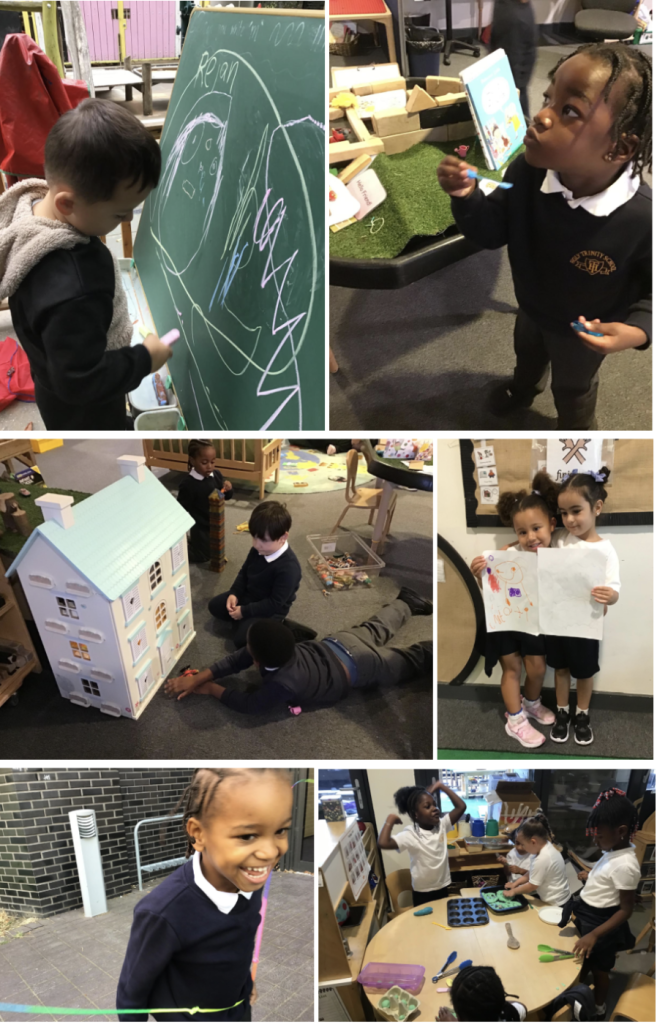
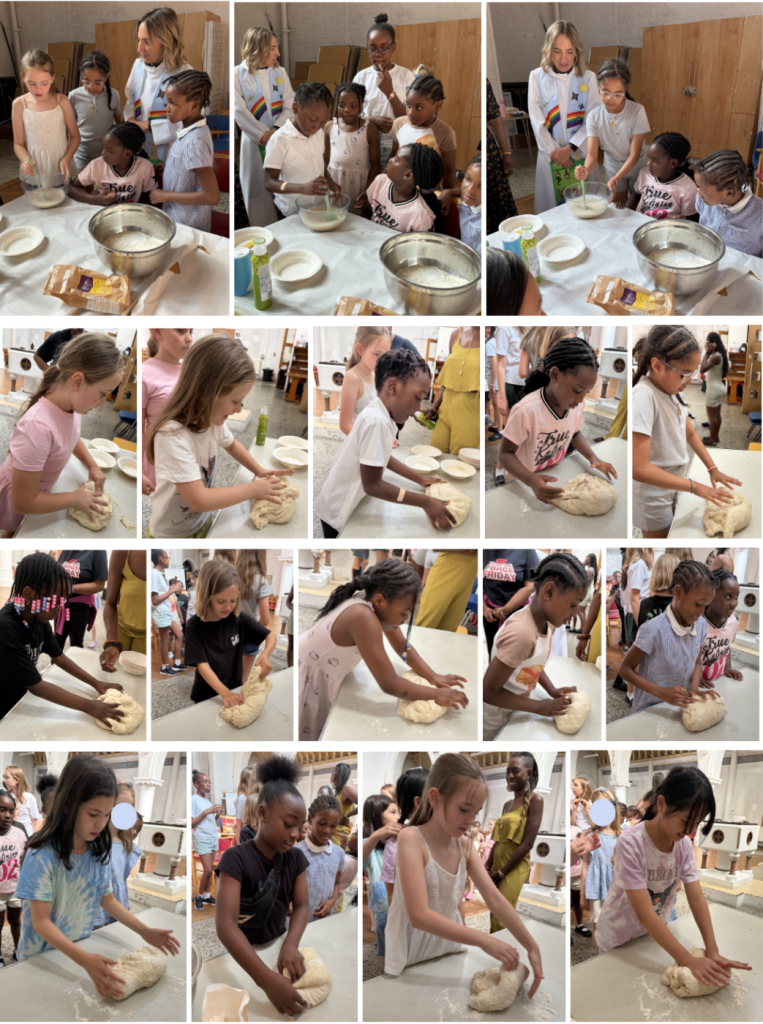
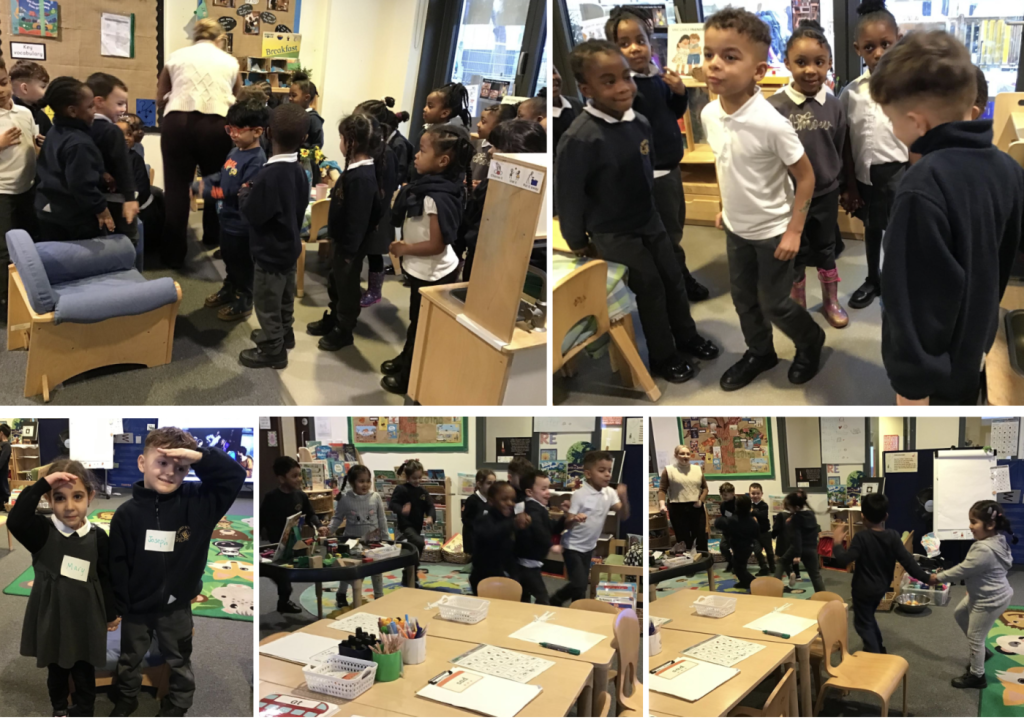
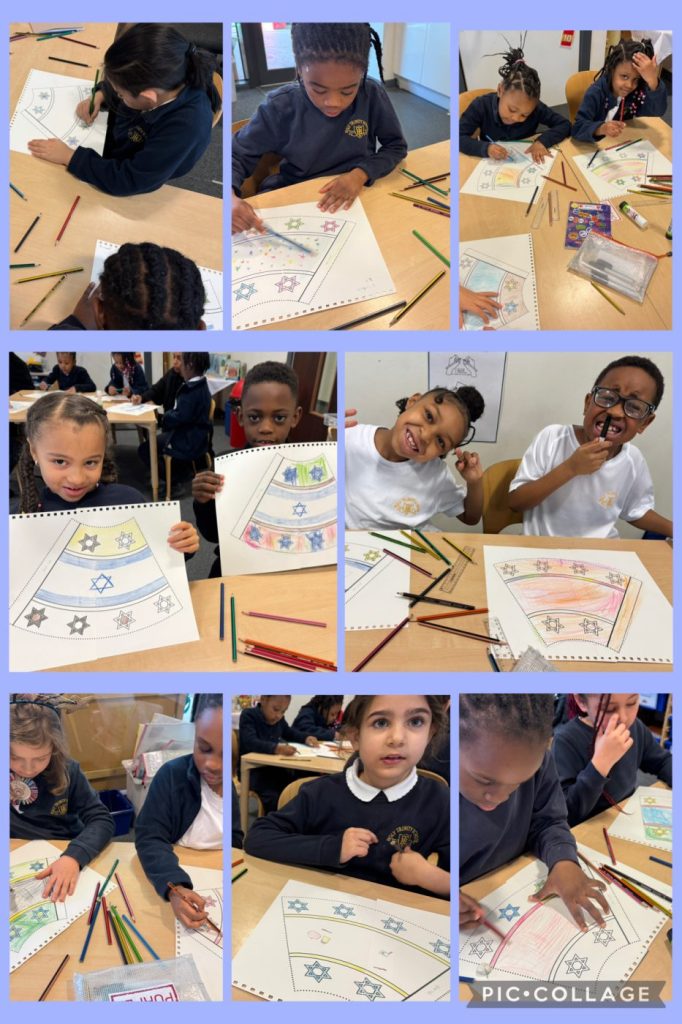
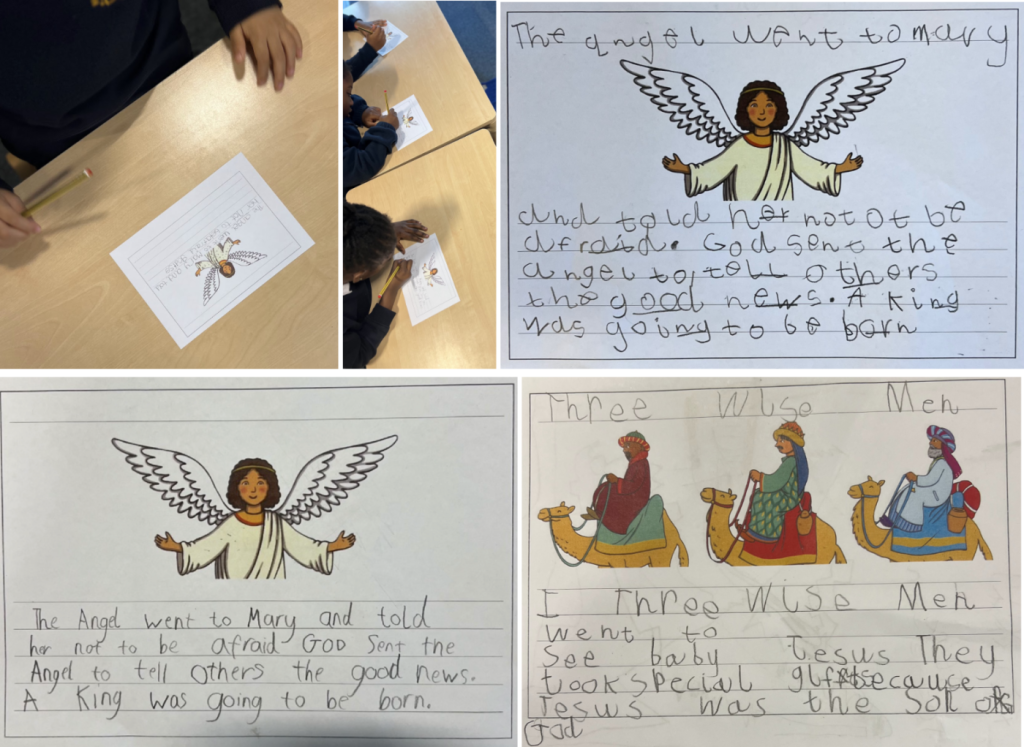
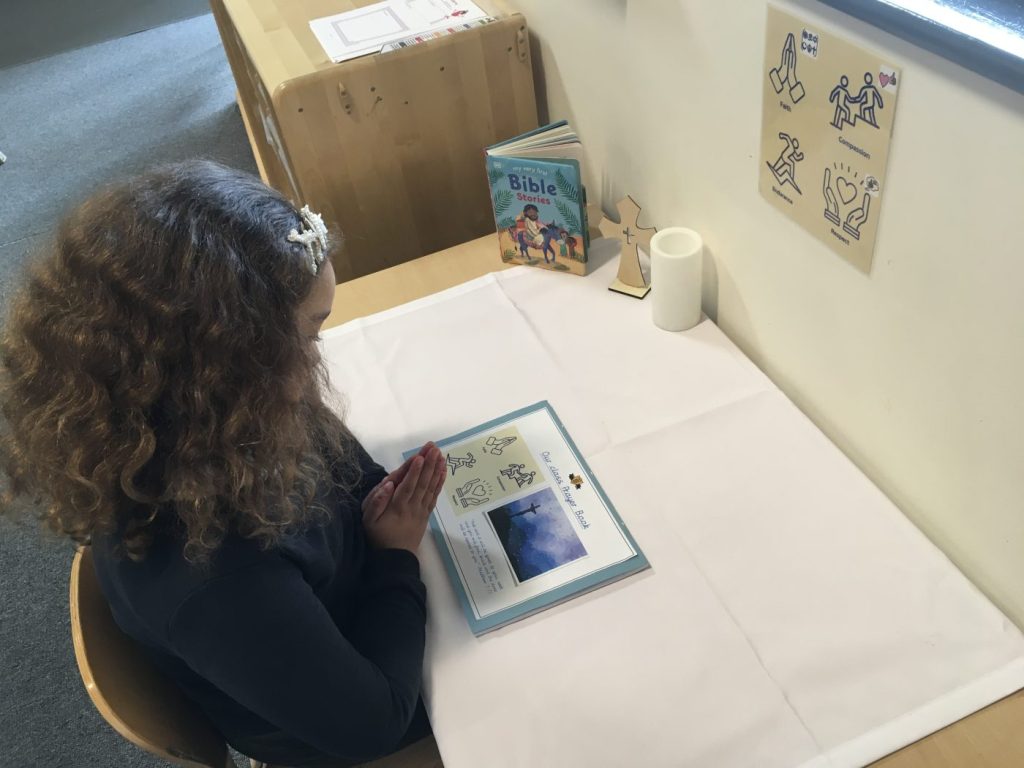
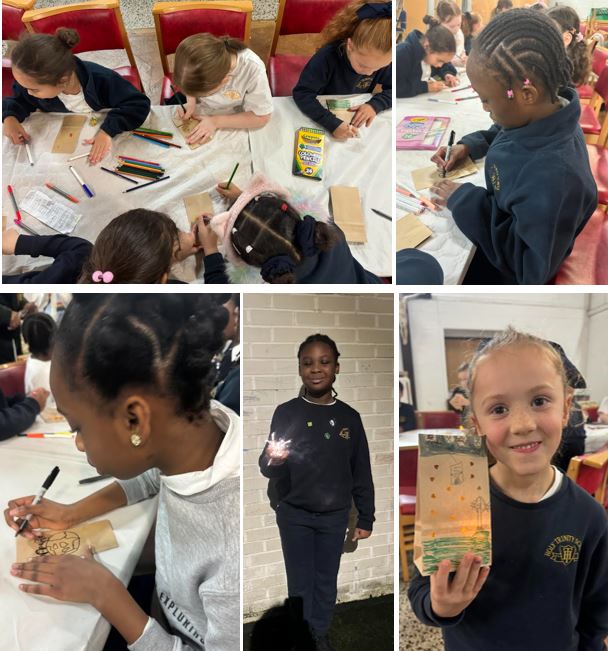
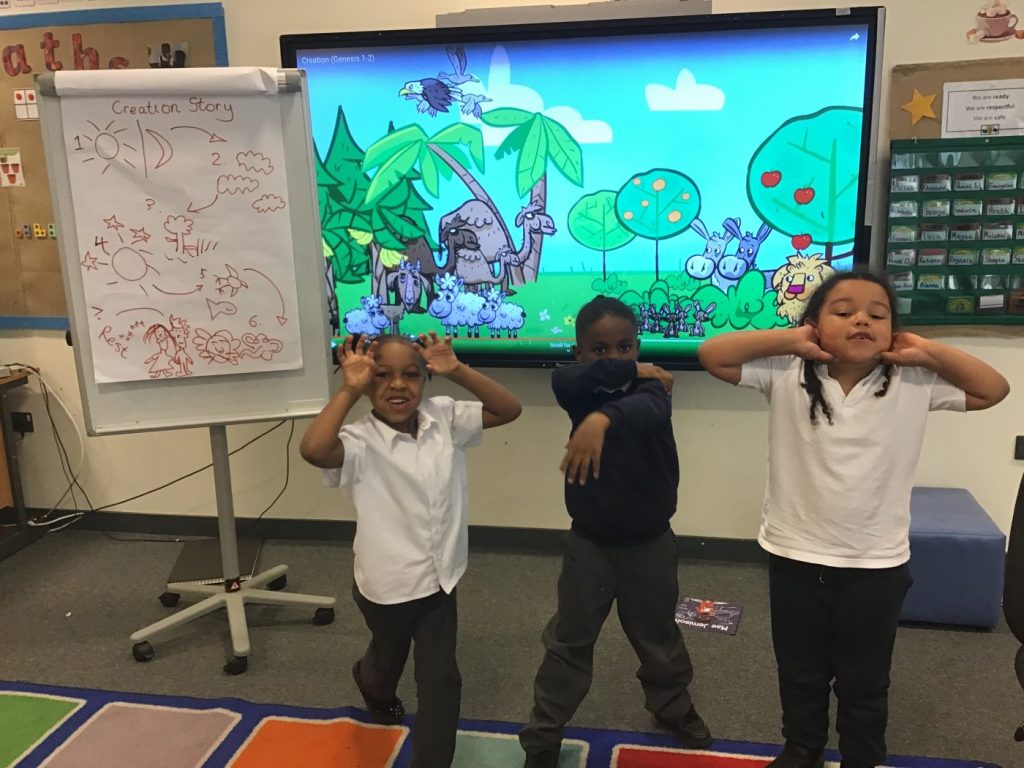
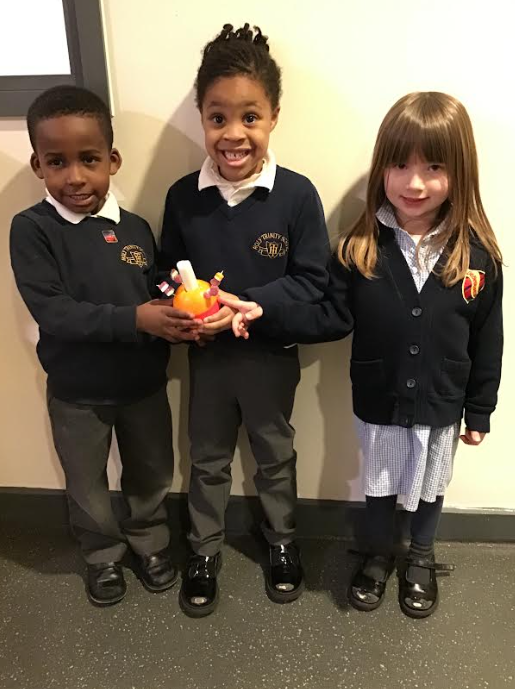
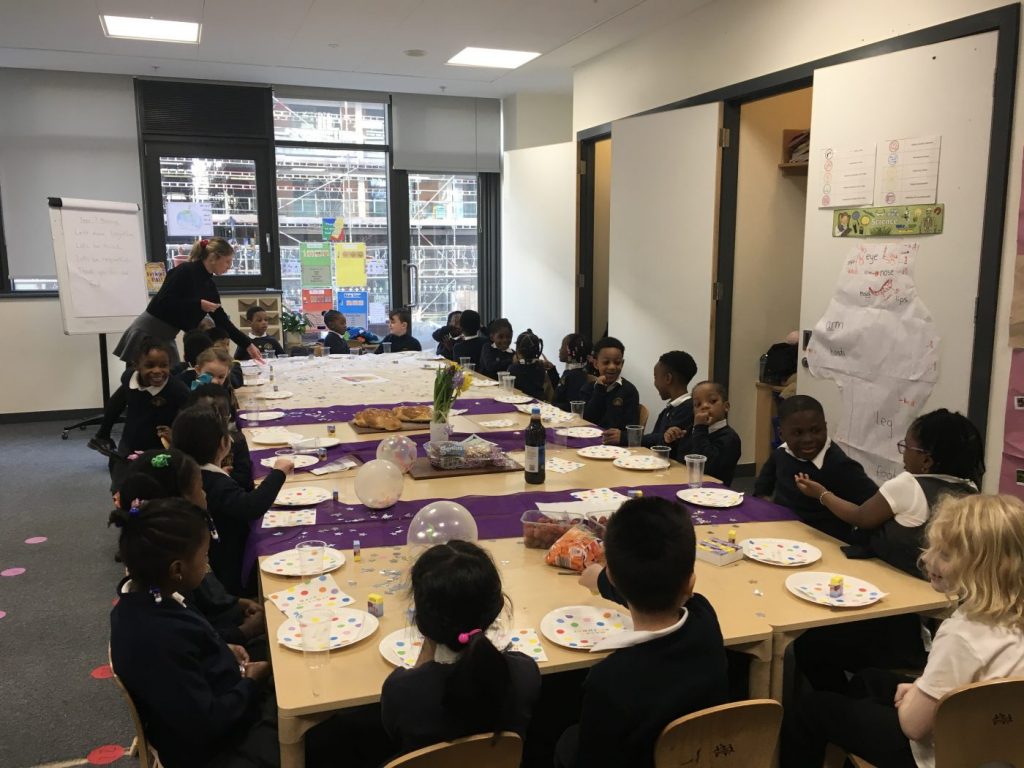
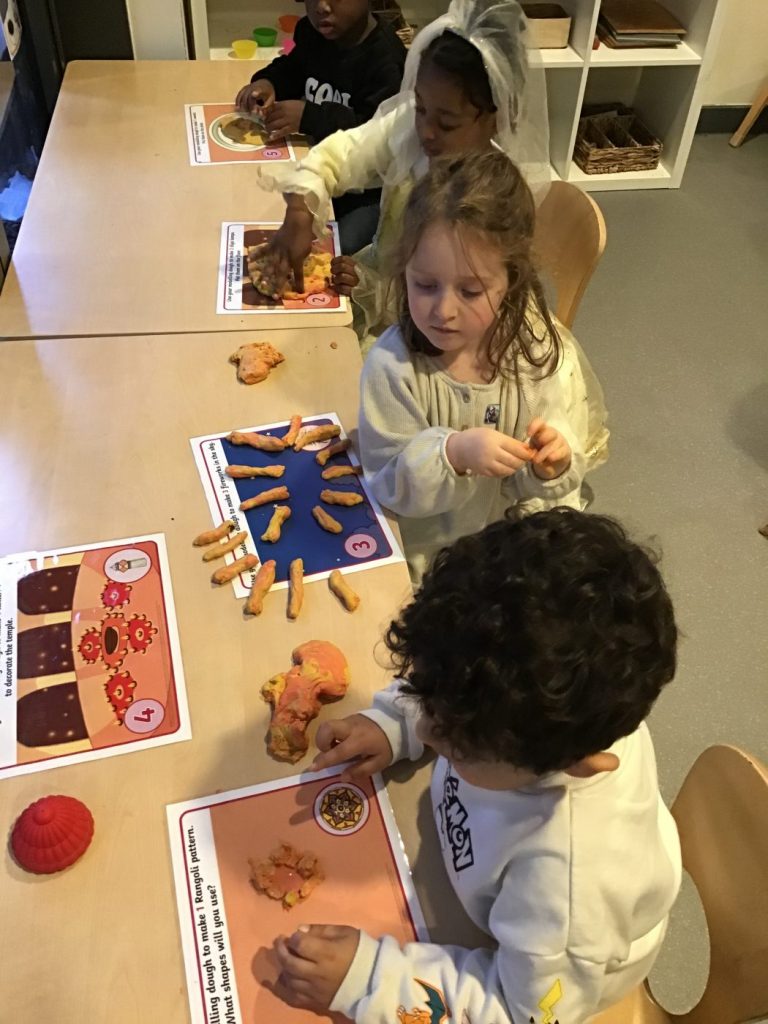
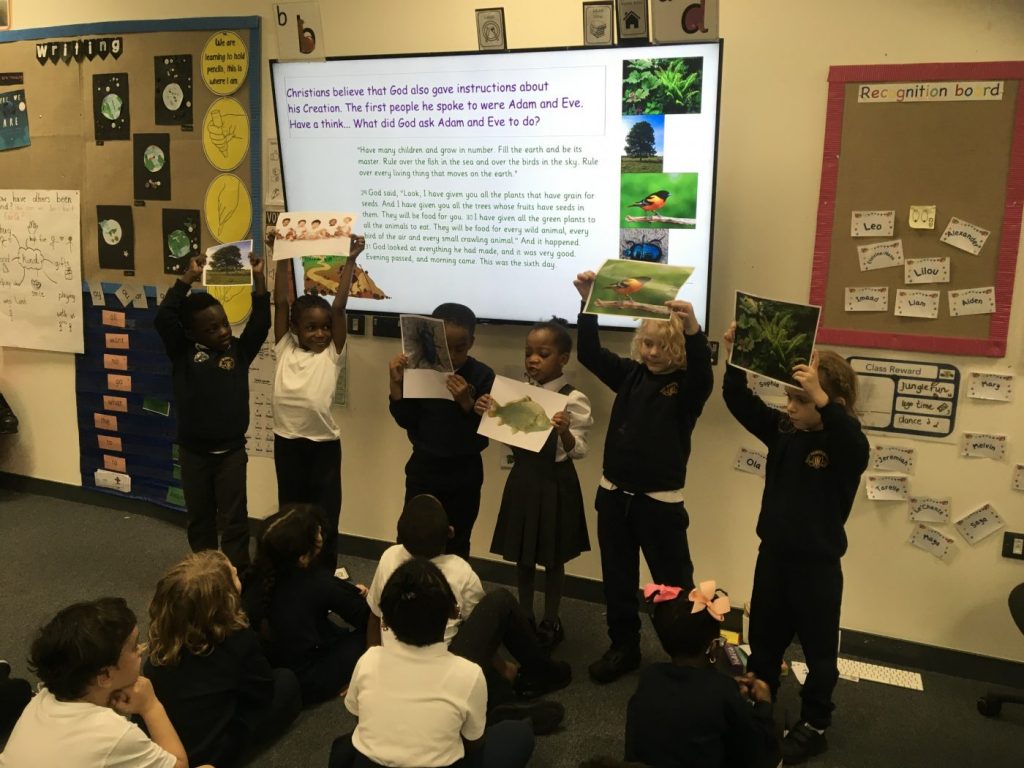
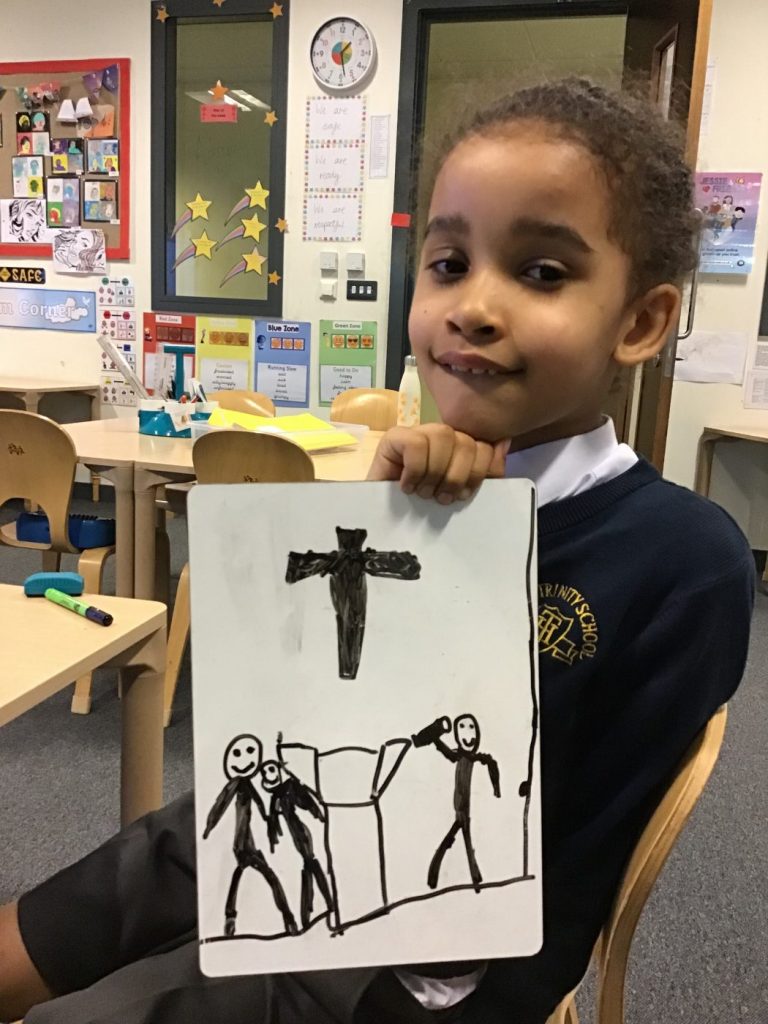
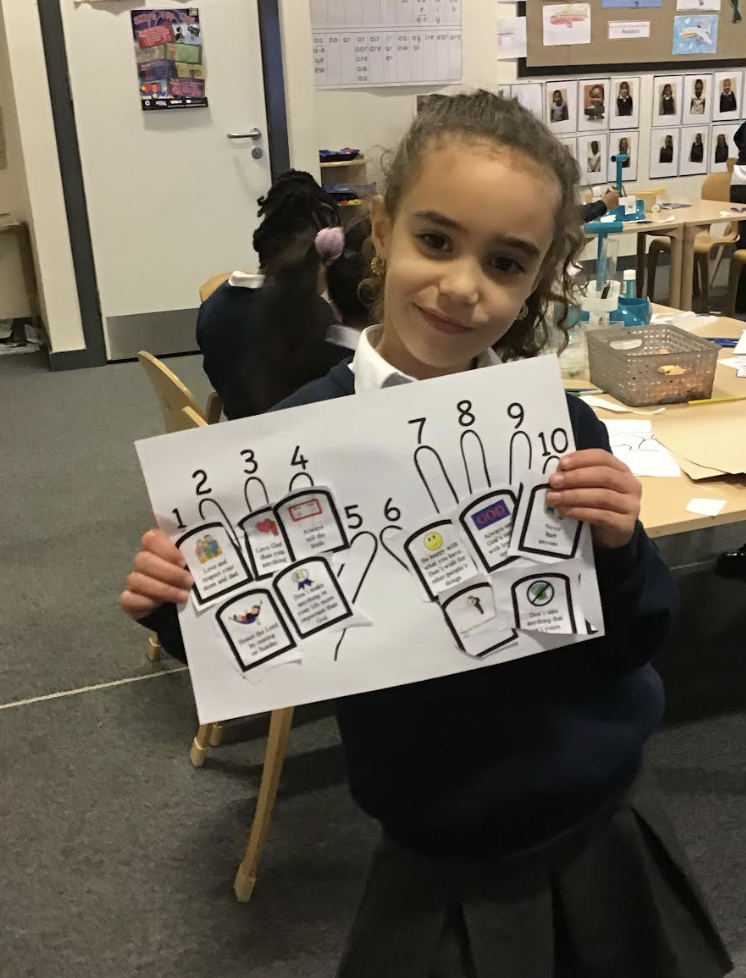
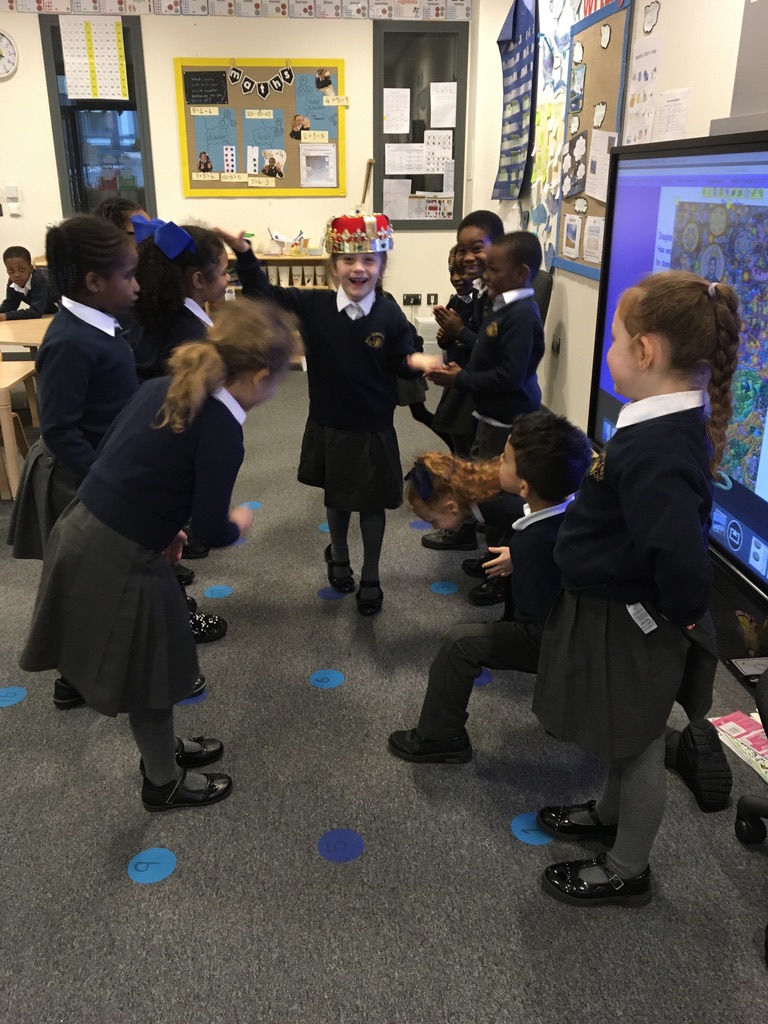
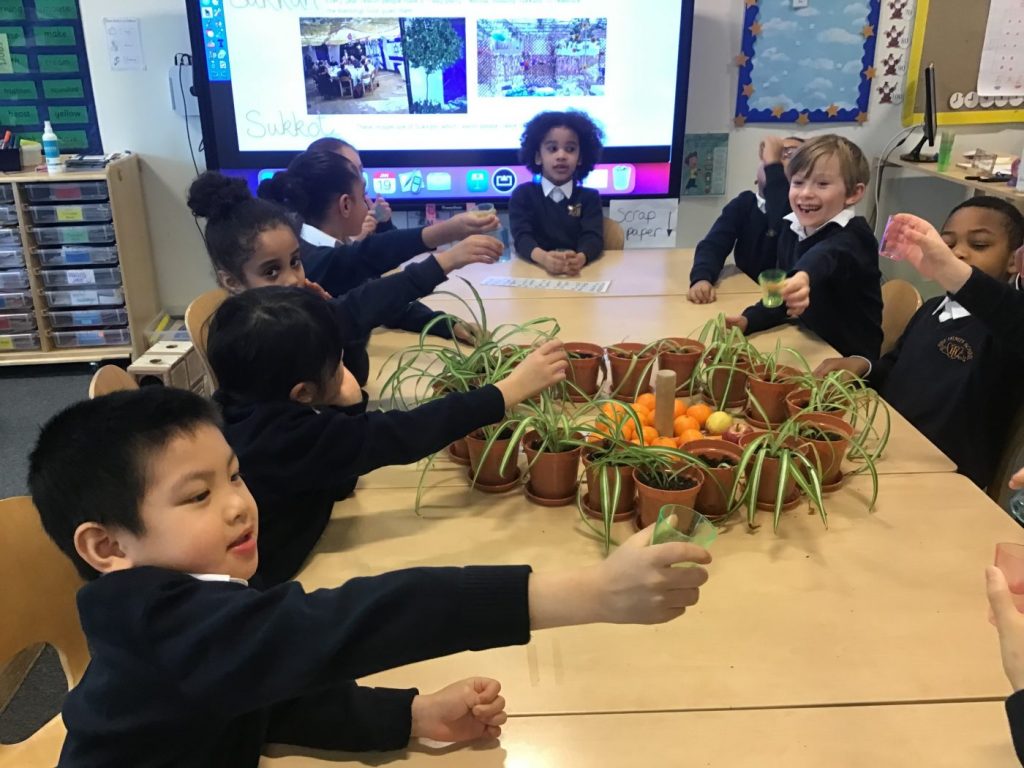
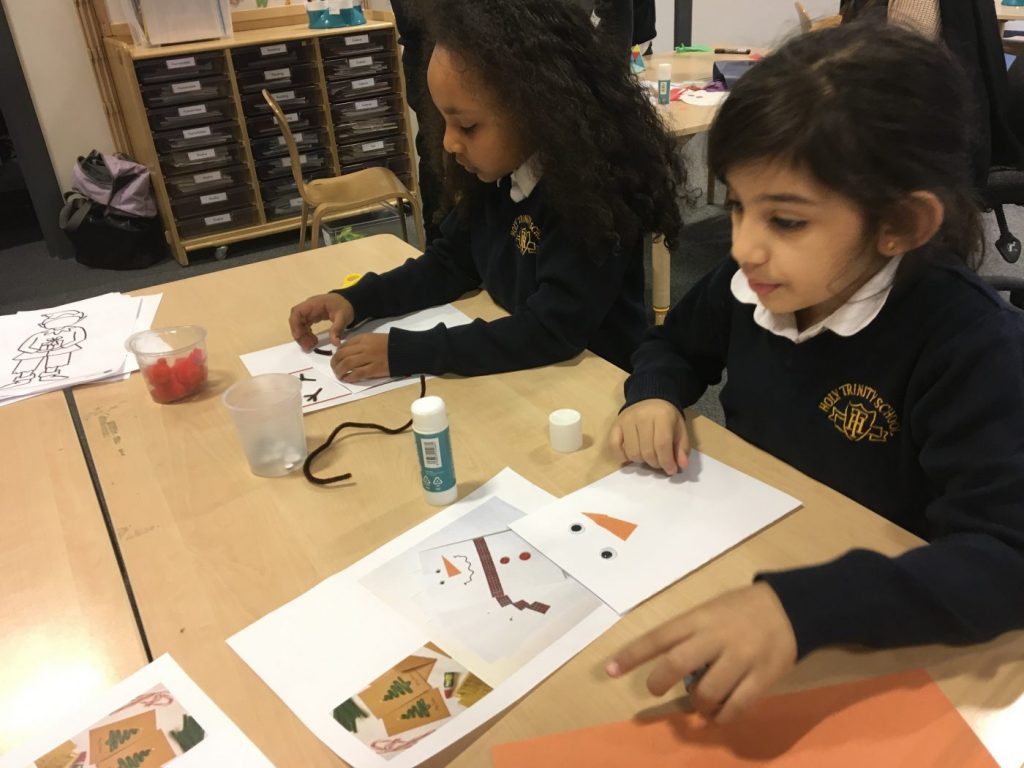
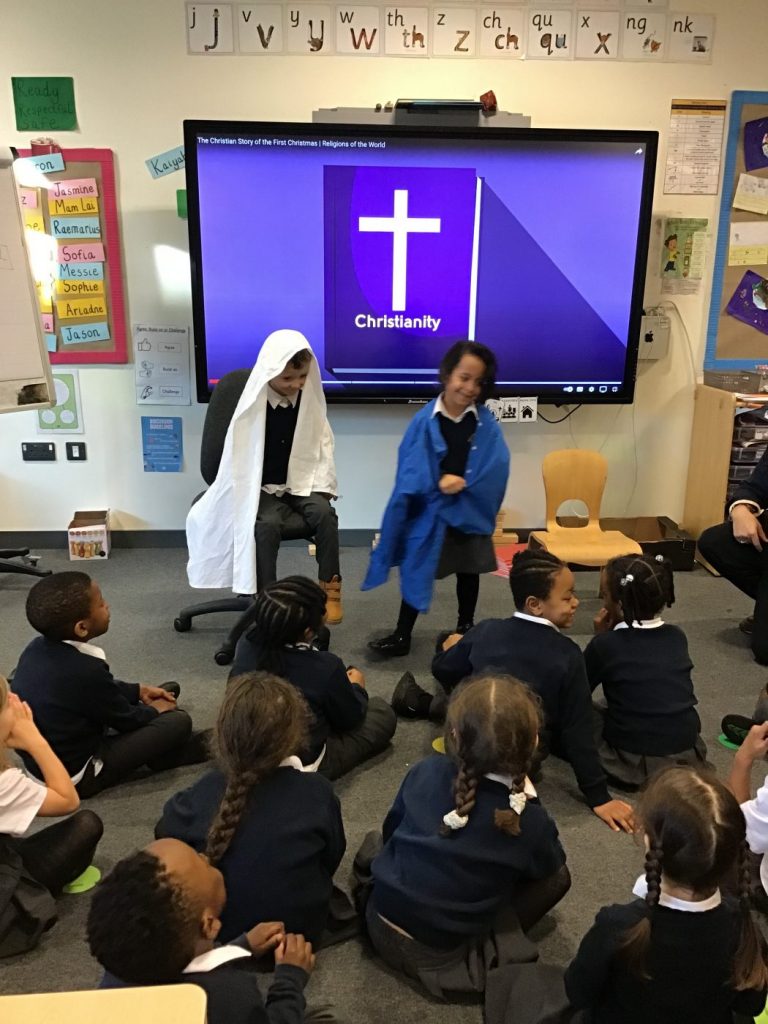
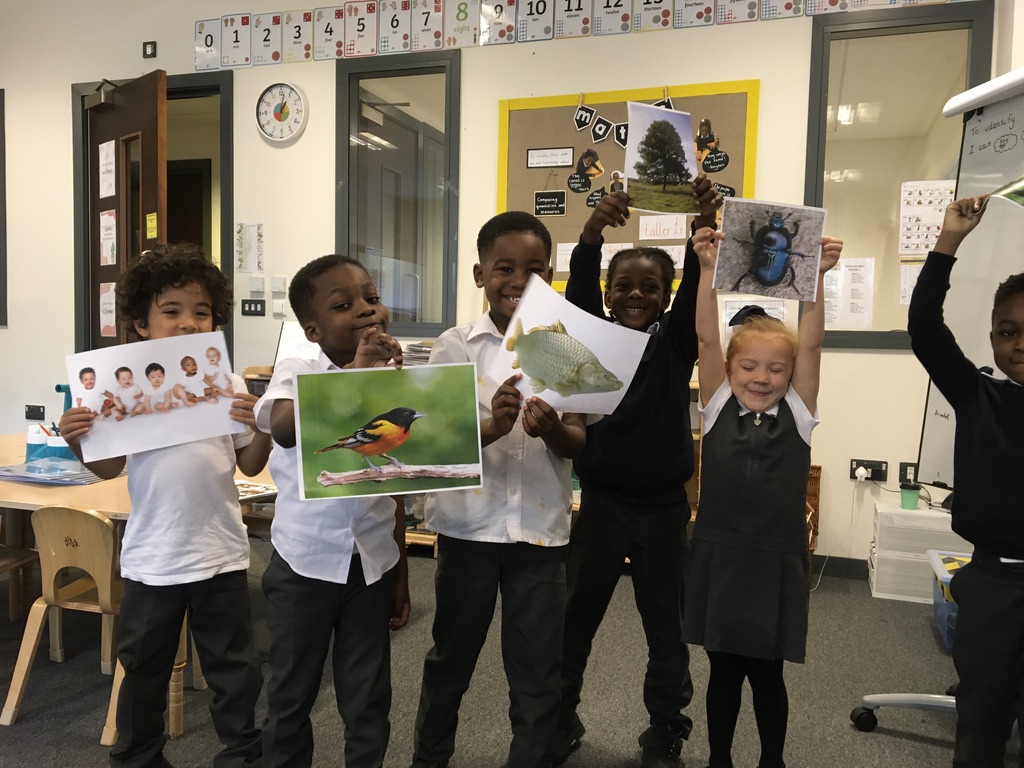
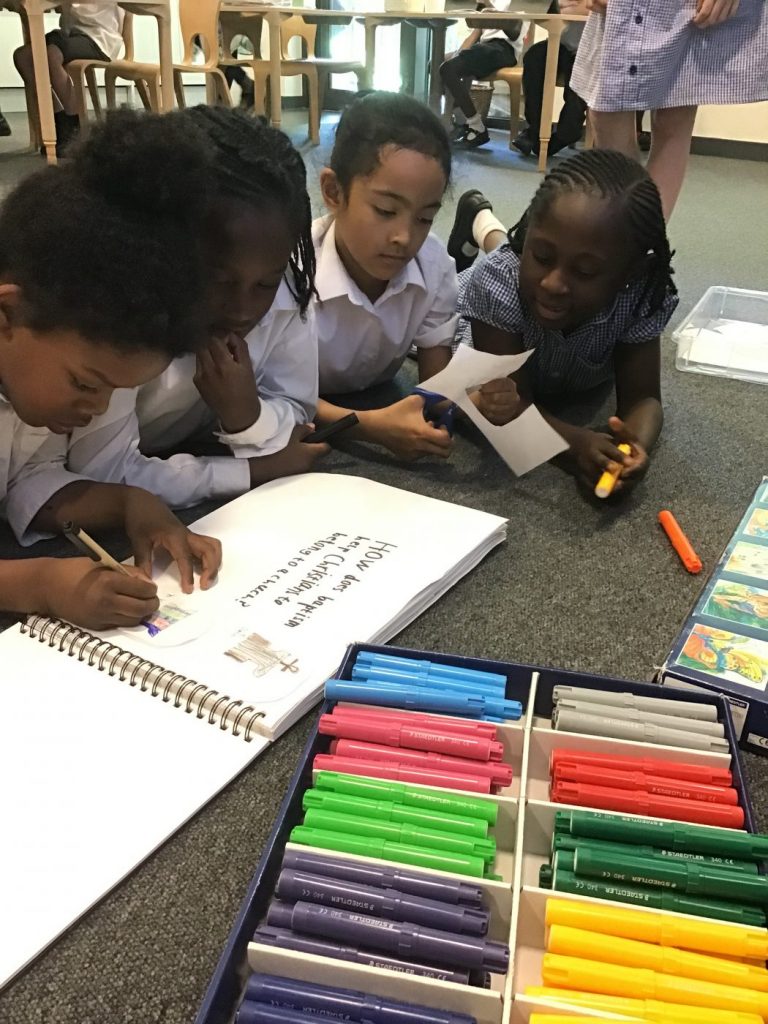
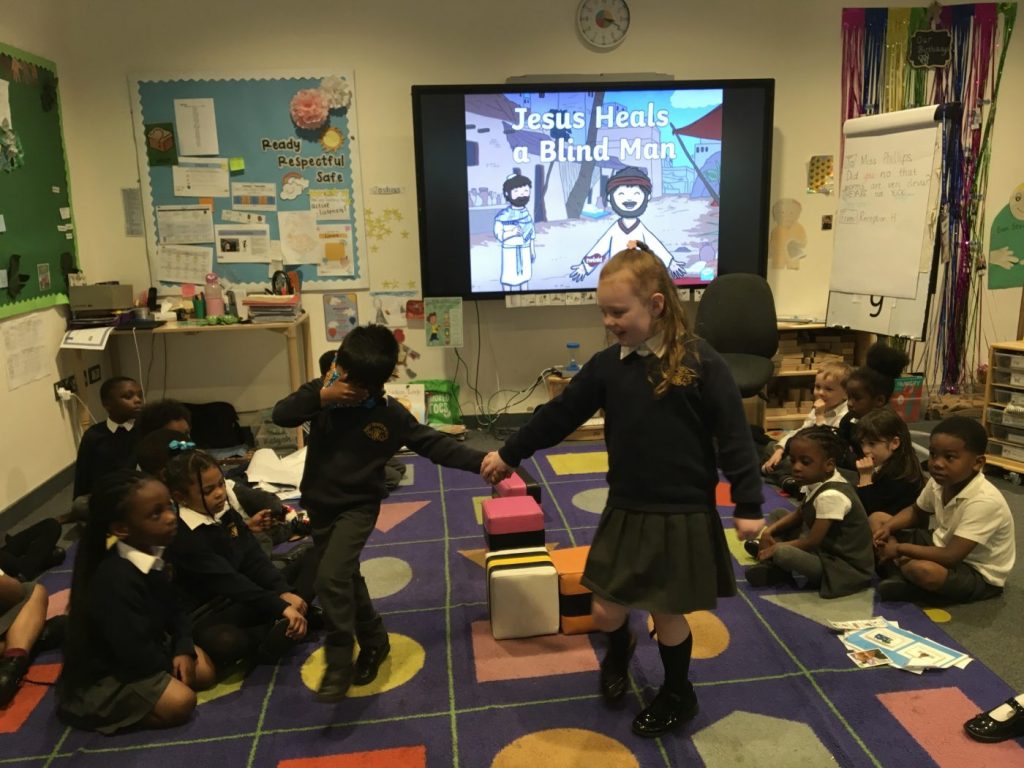
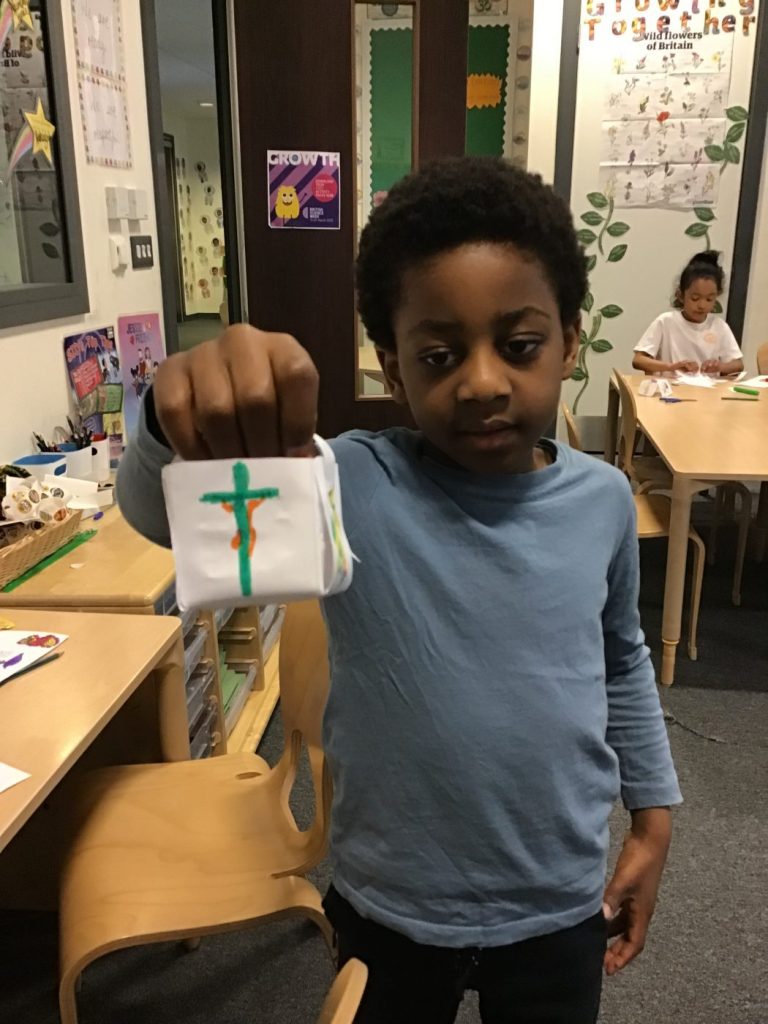
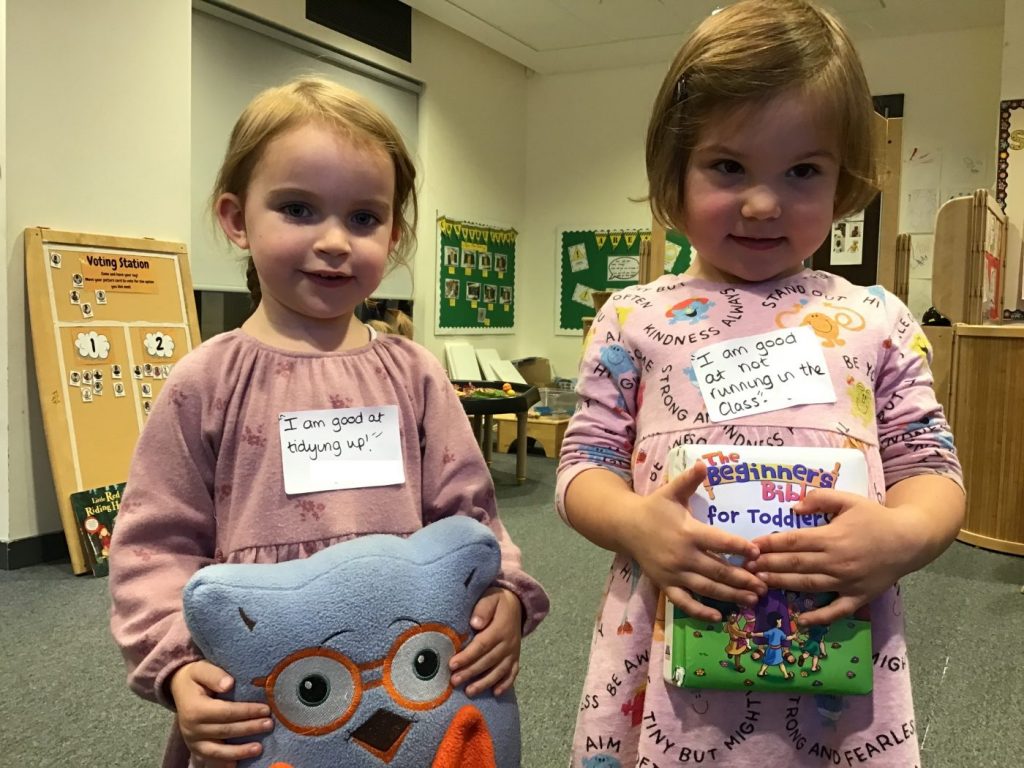
In the Early Years, Religious Education is introduced through stories, celebrations and shared experiences. Children learn about key Christian stories and festivals, while also exploring other faith celebrations to recognise similarities and differences. Teaching reflects and values the diverse communities within our school, laying strong foundations of respect and understanding.
Key Stage 1 and Key Stage 2
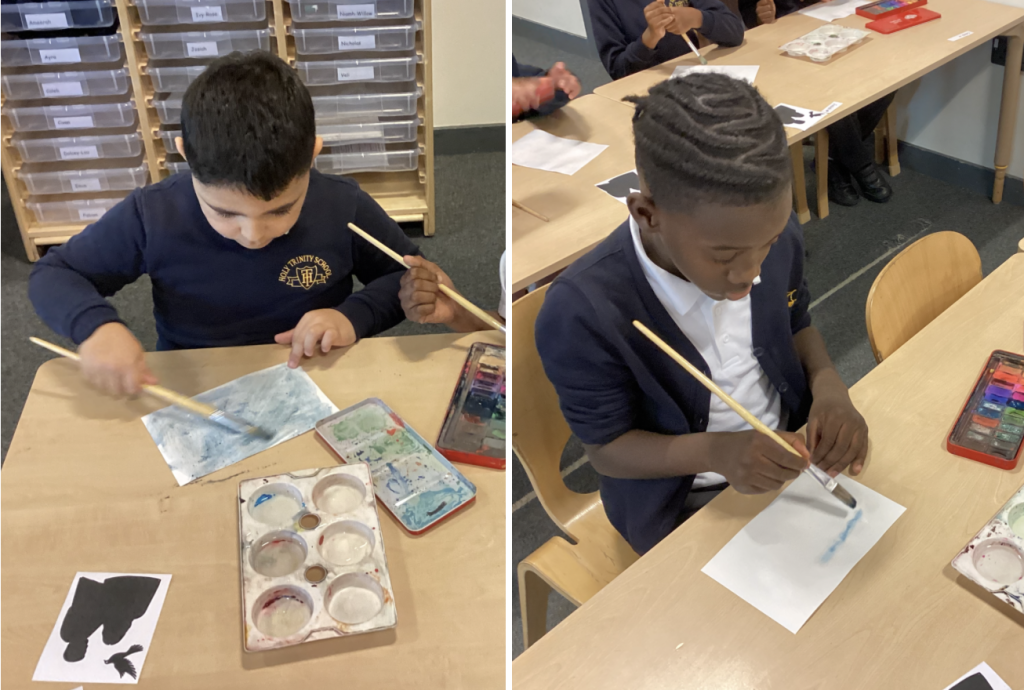
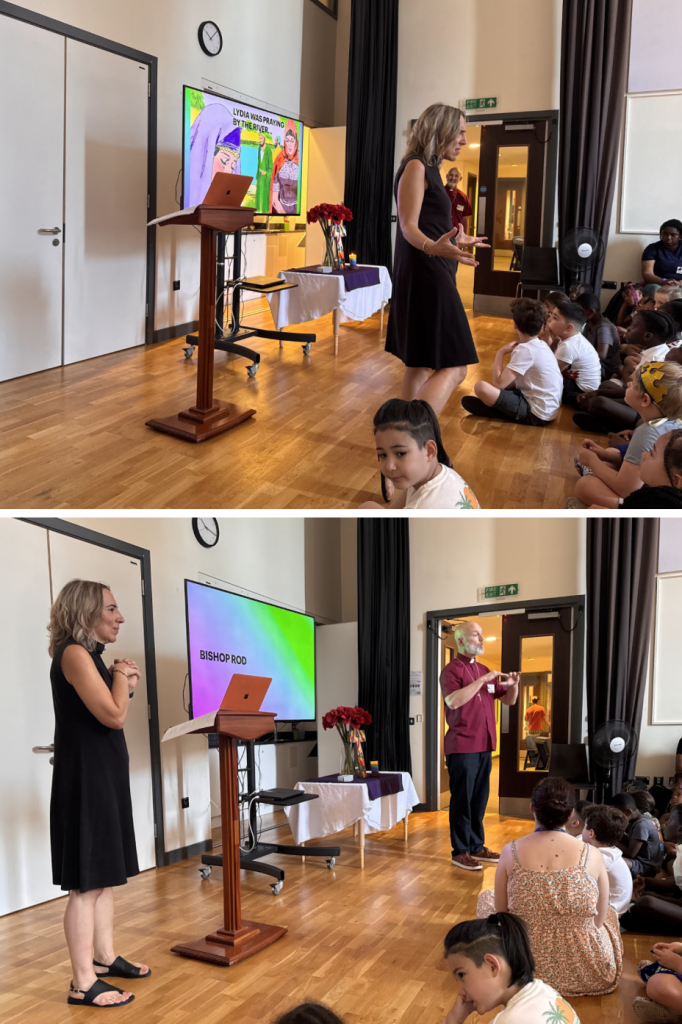
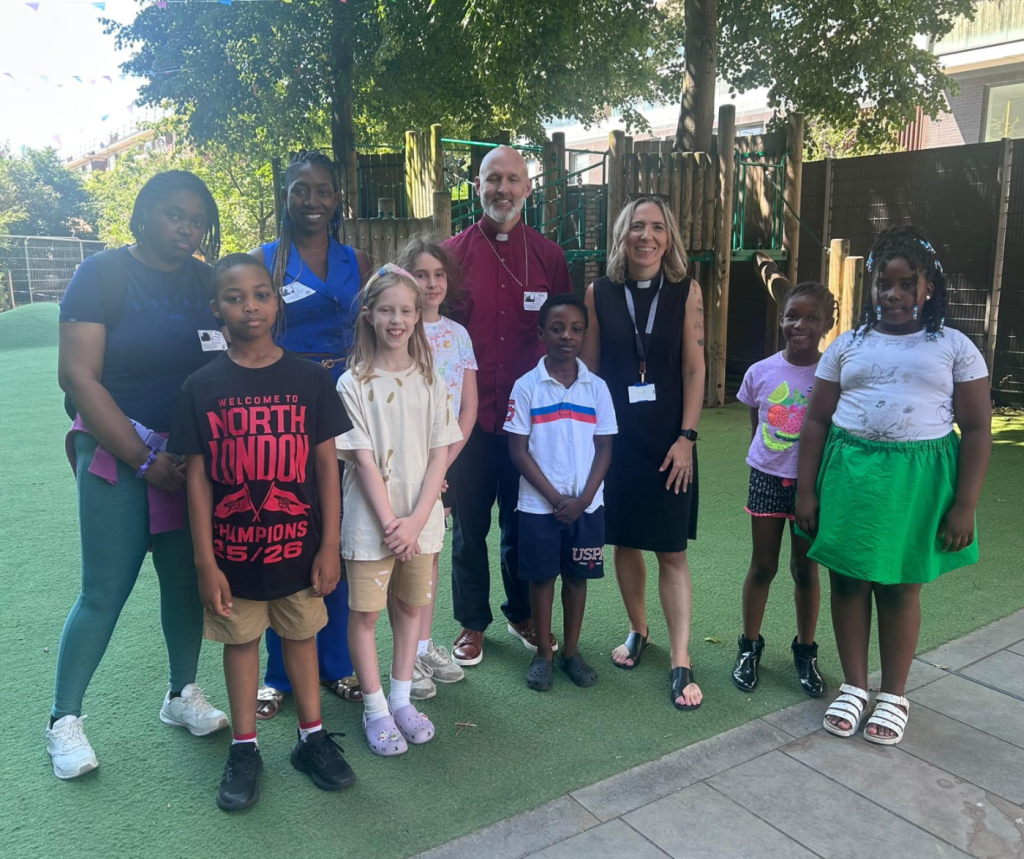
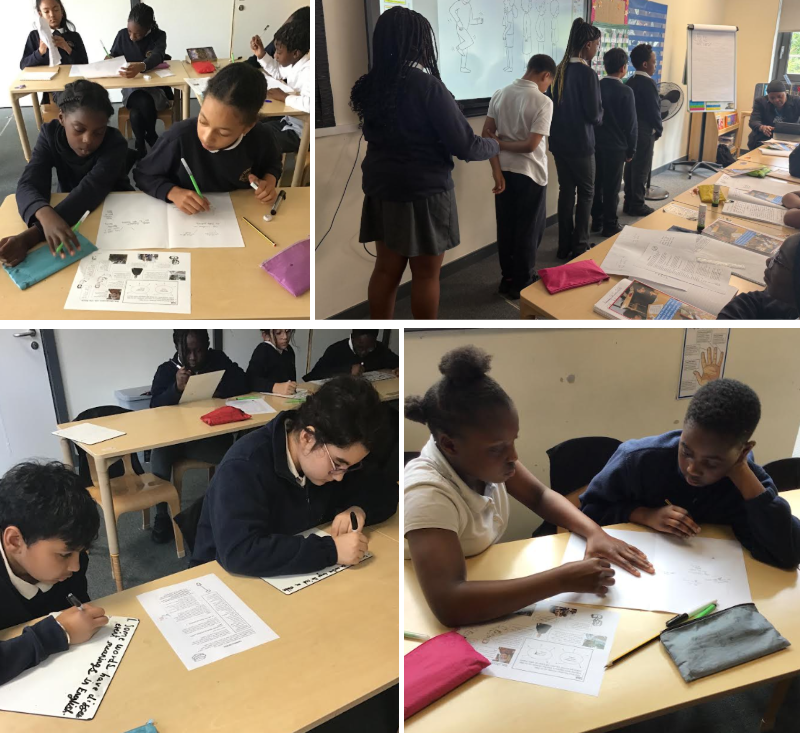
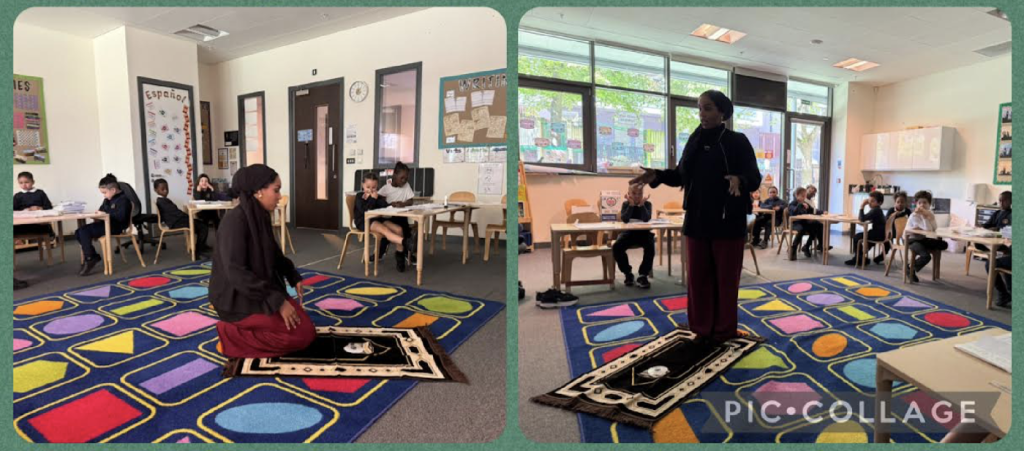
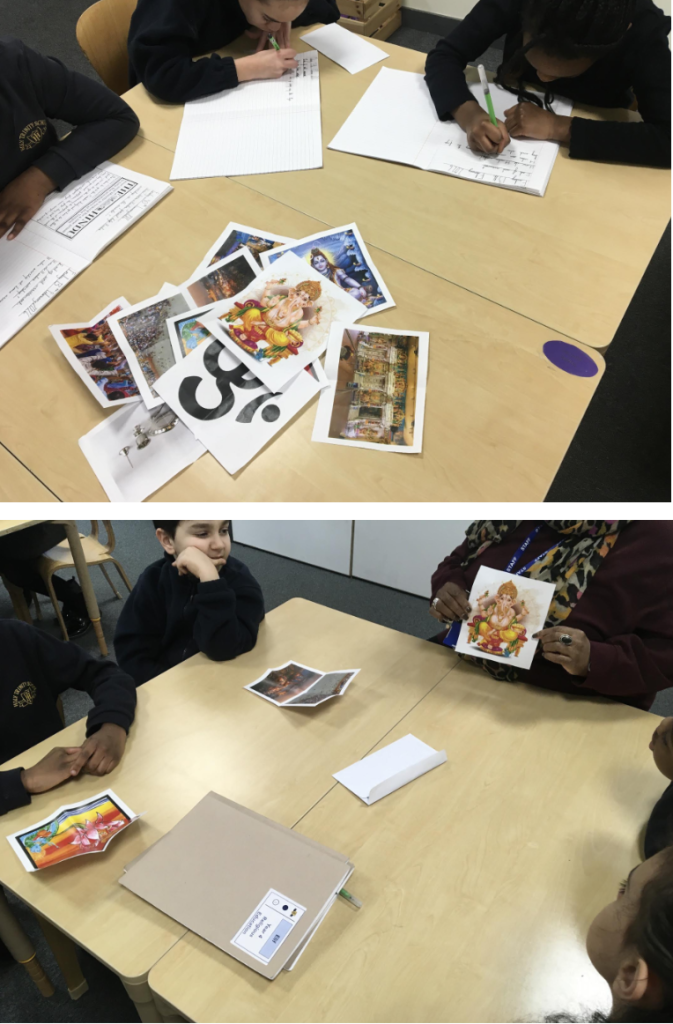
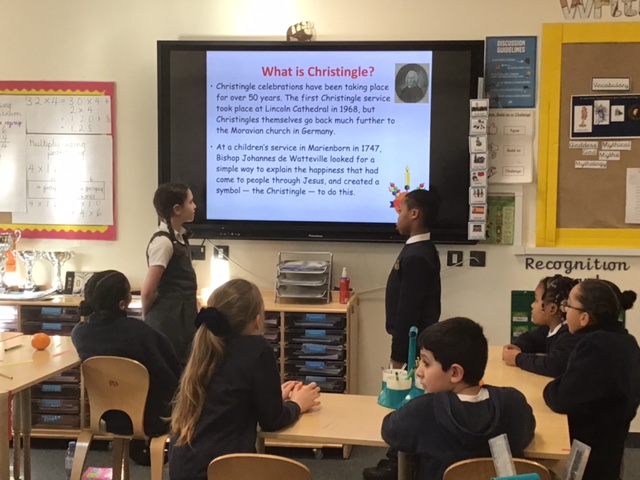
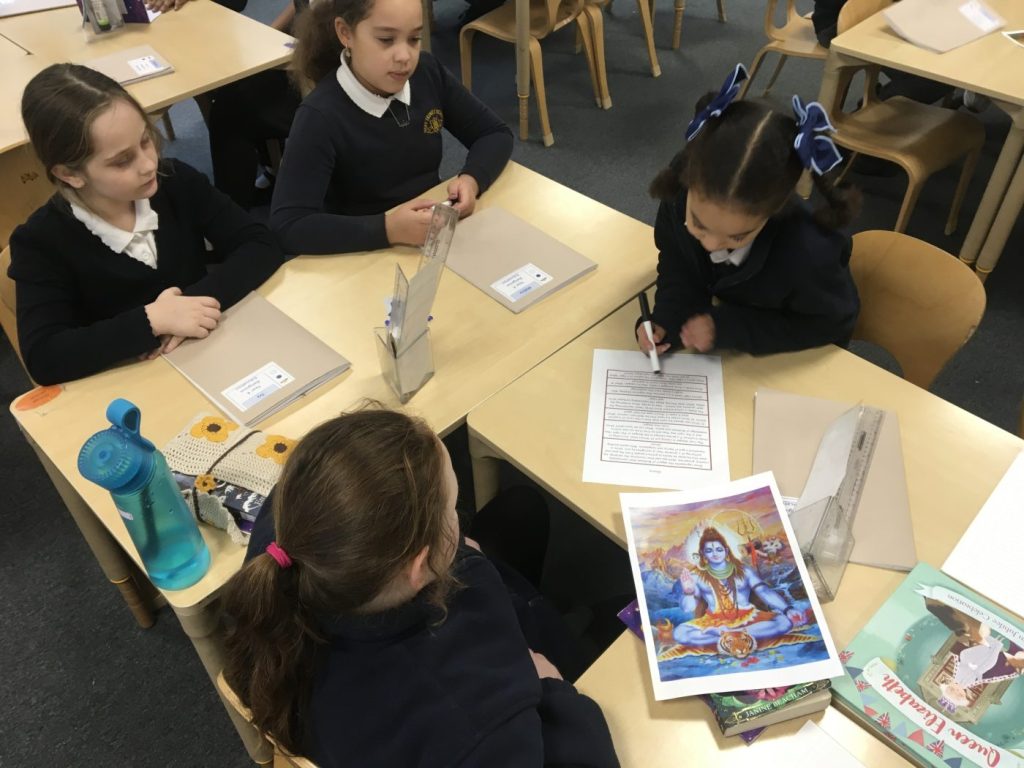
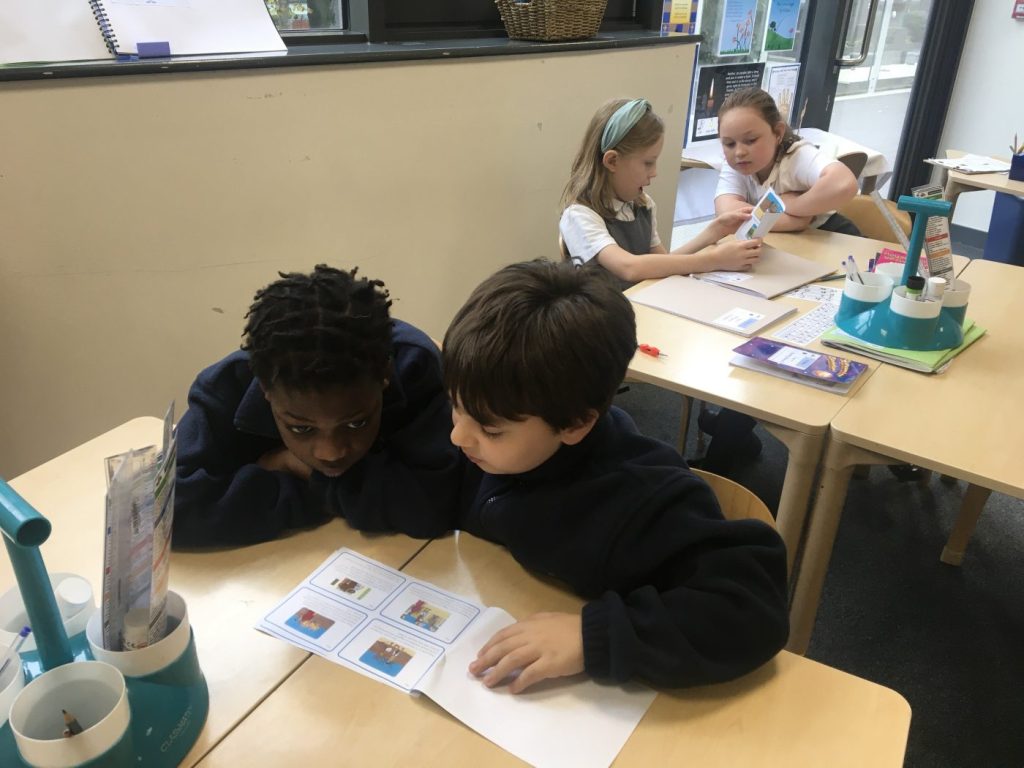
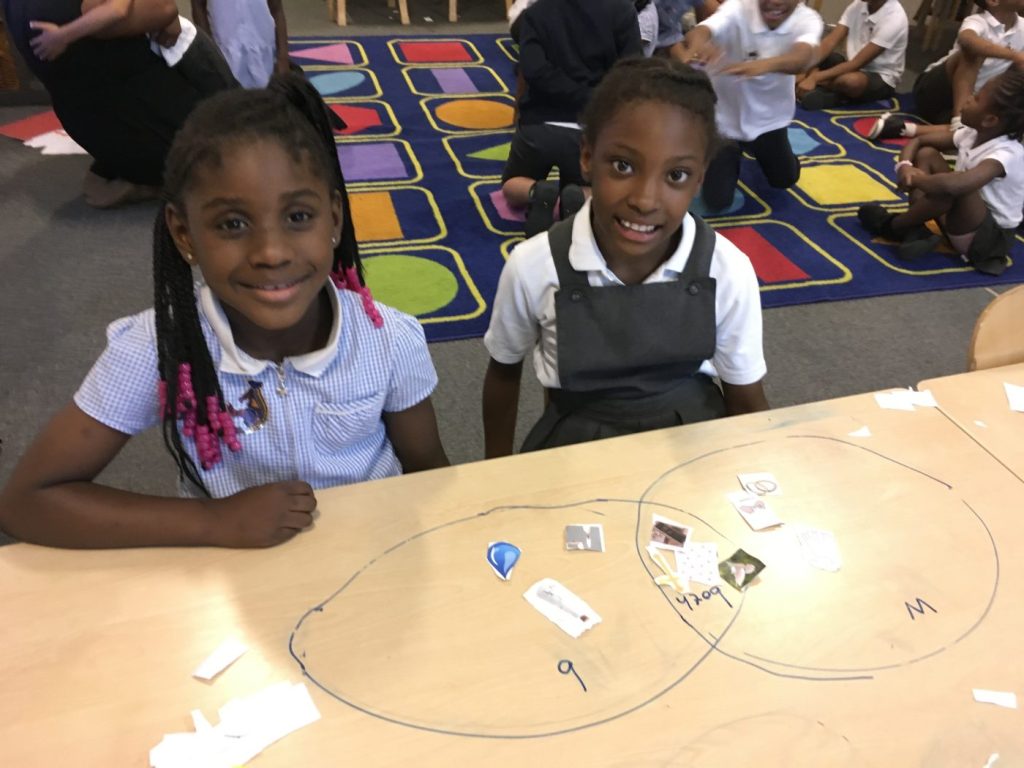
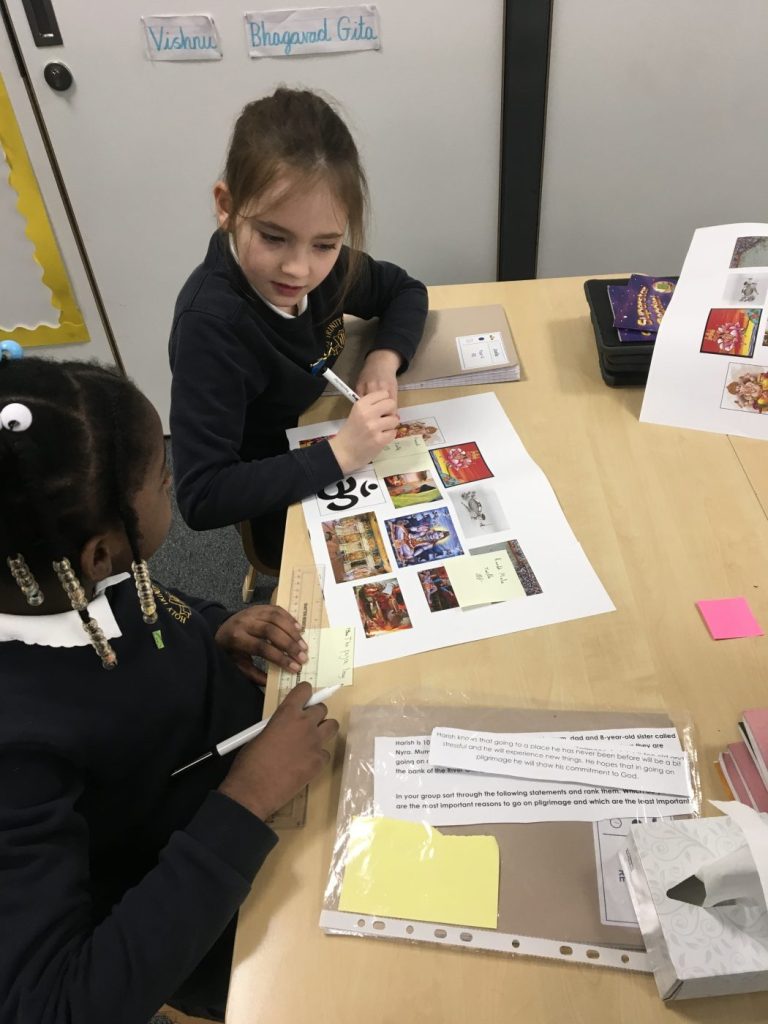
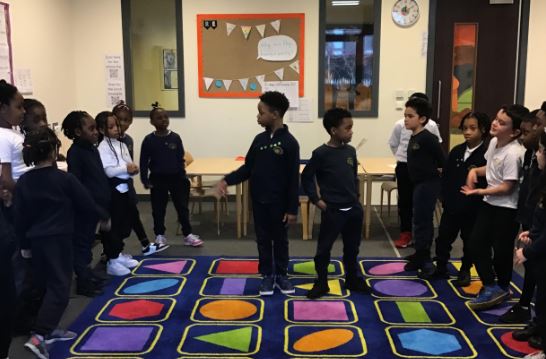
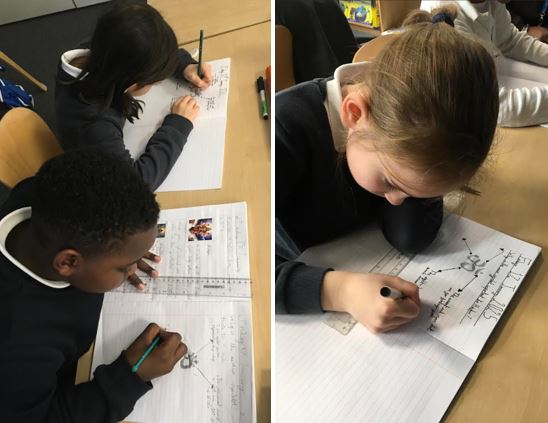
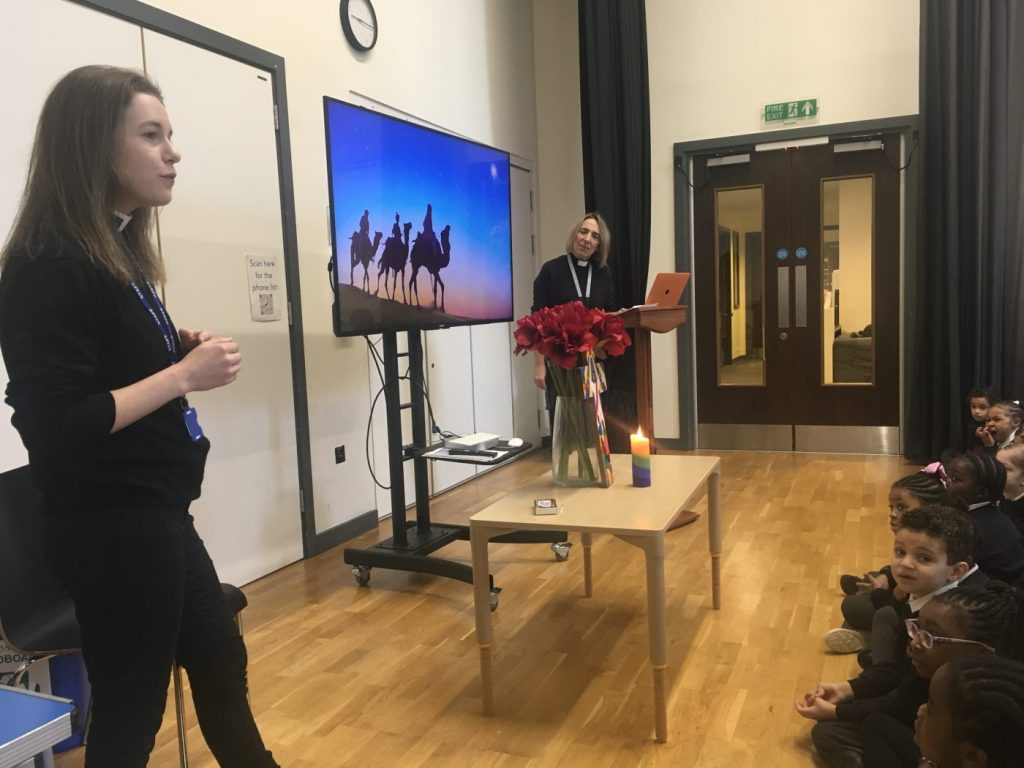
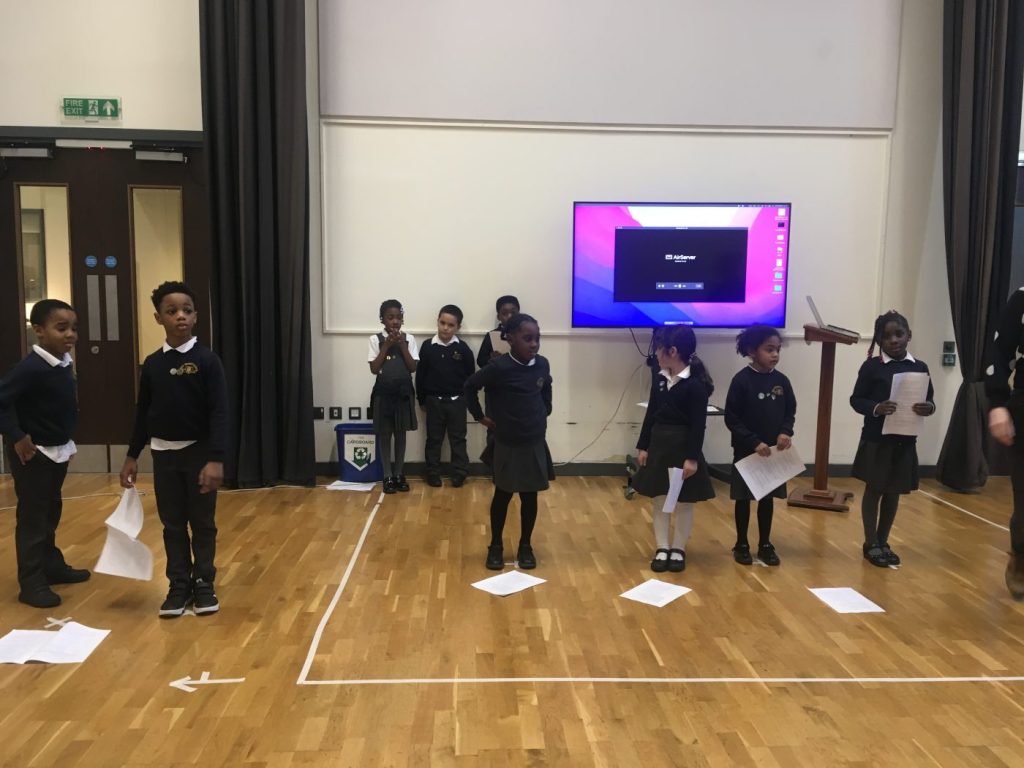
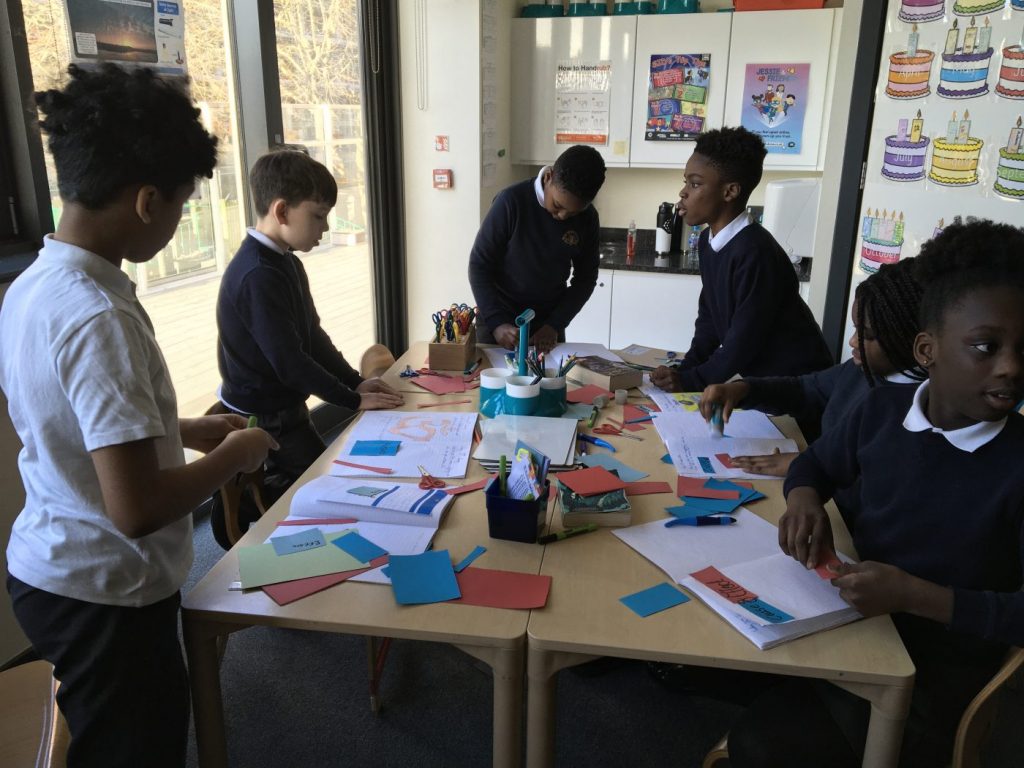
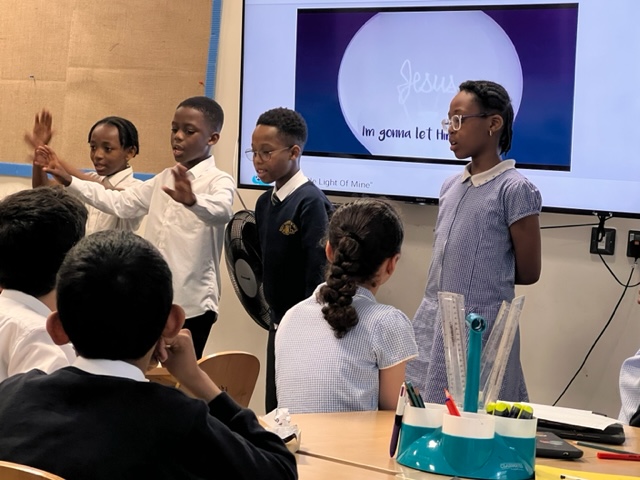
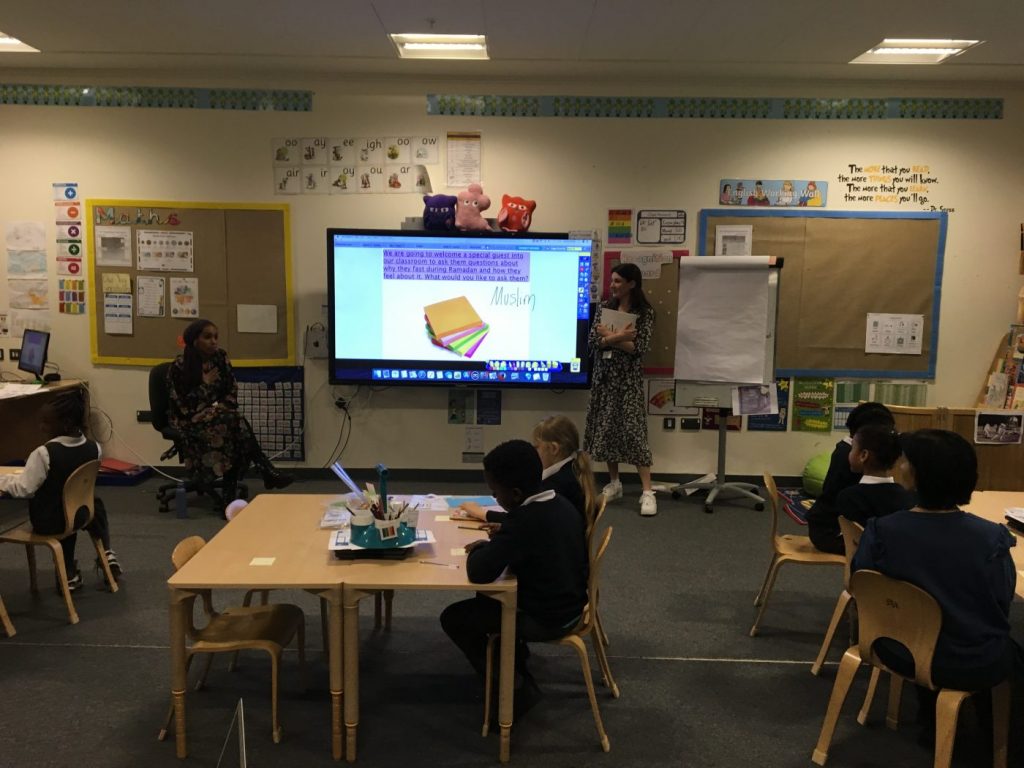
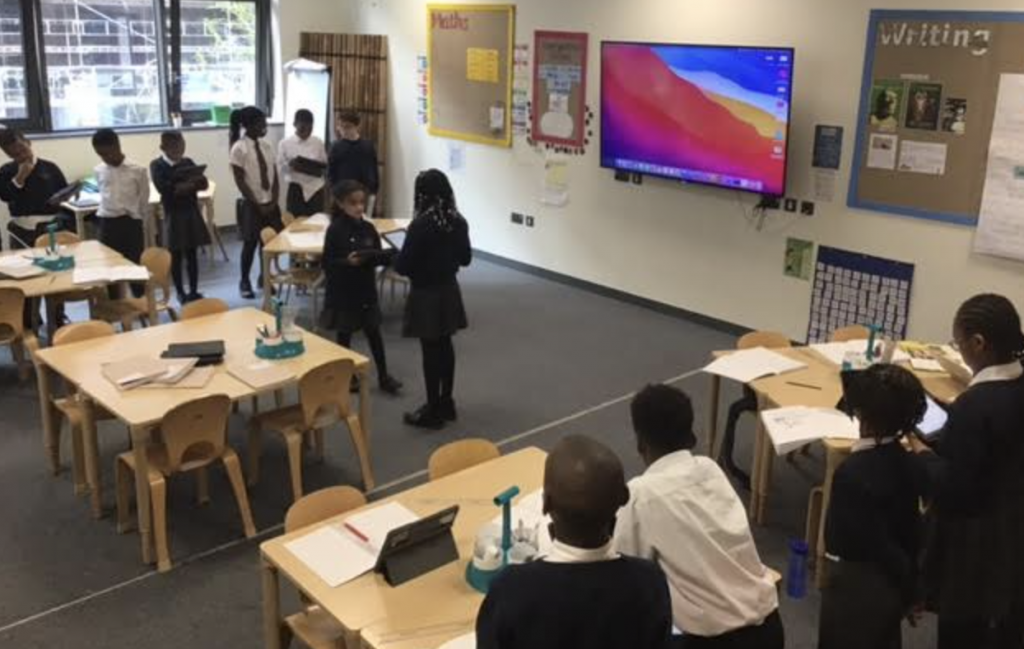
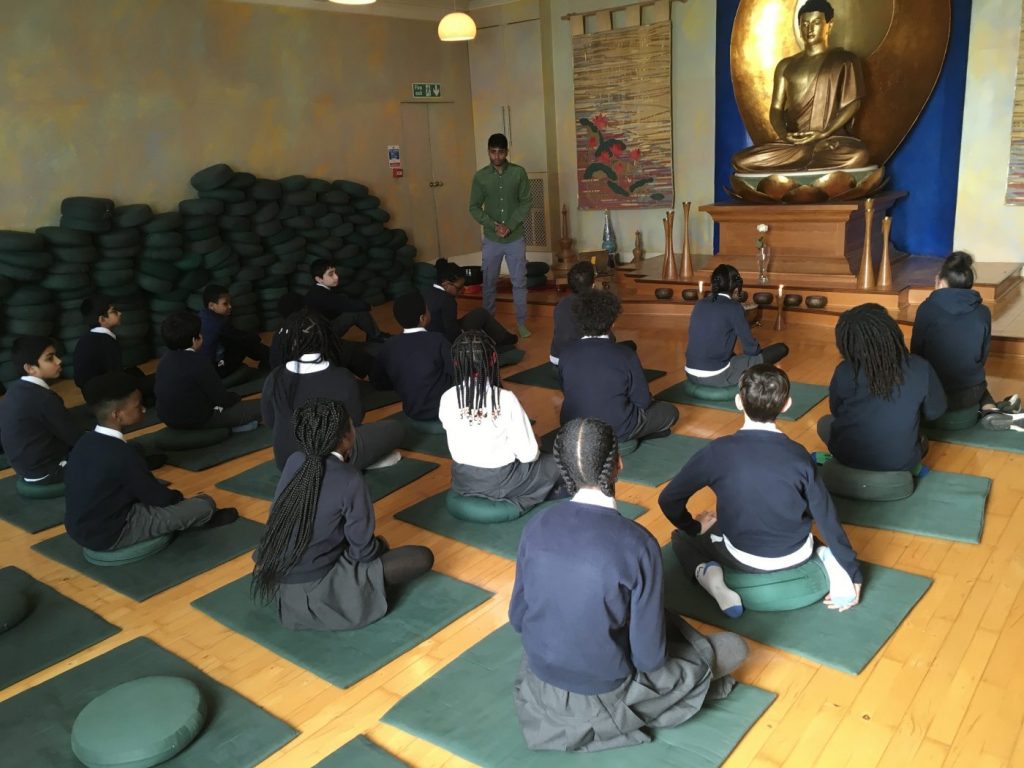
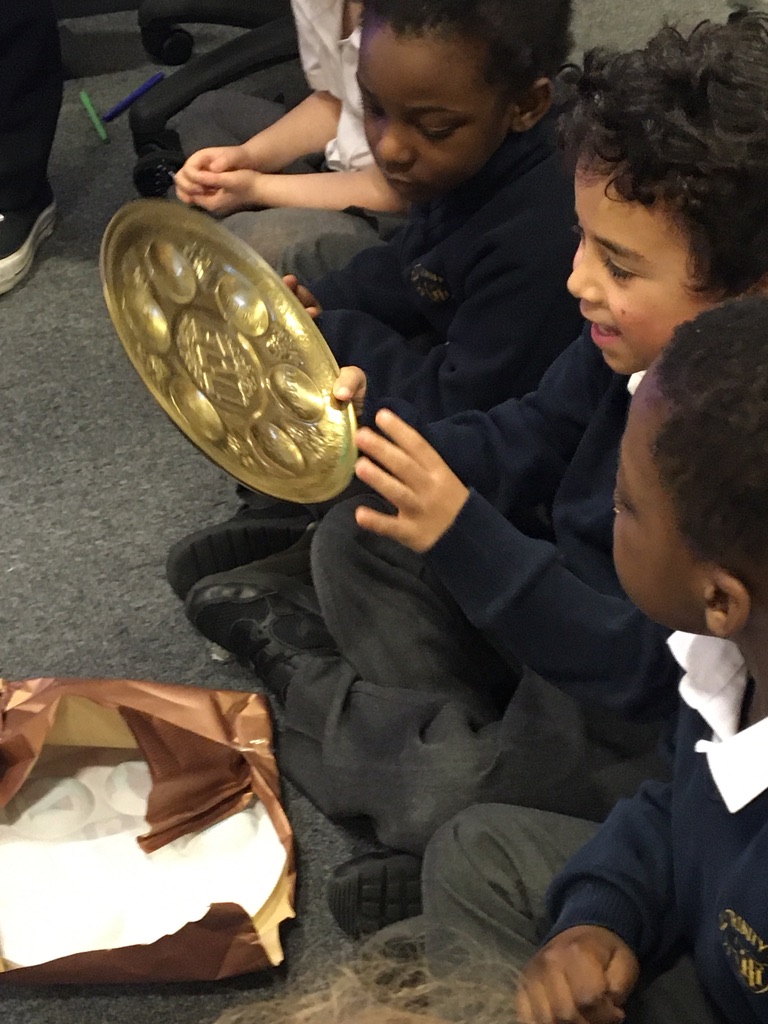
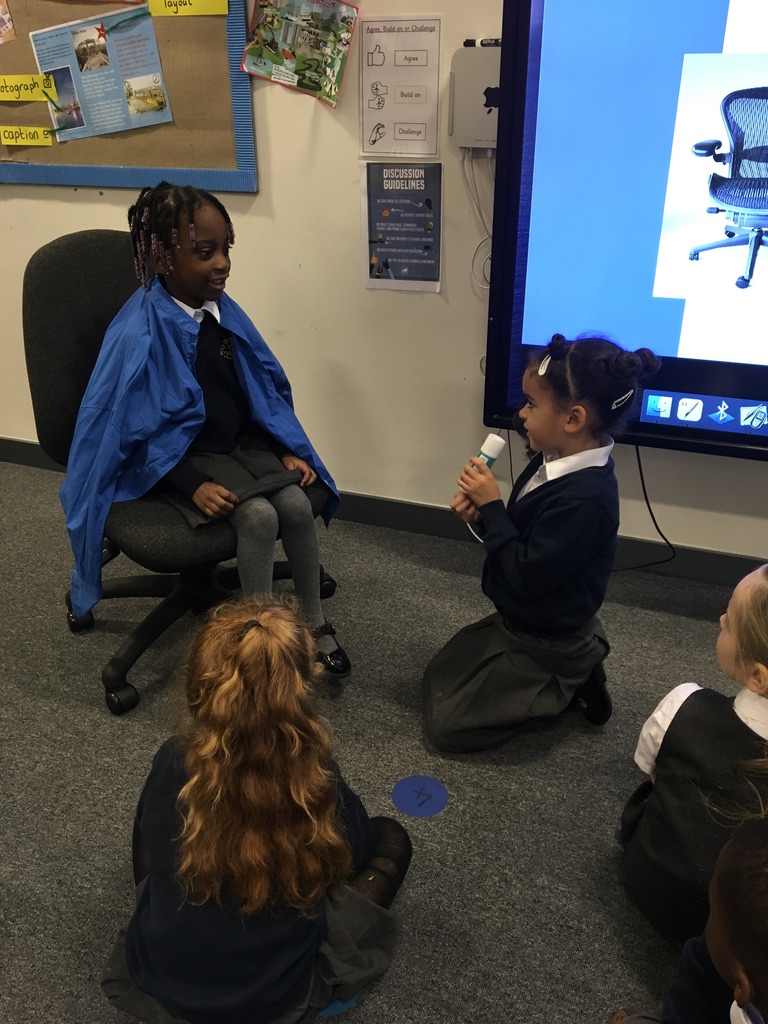
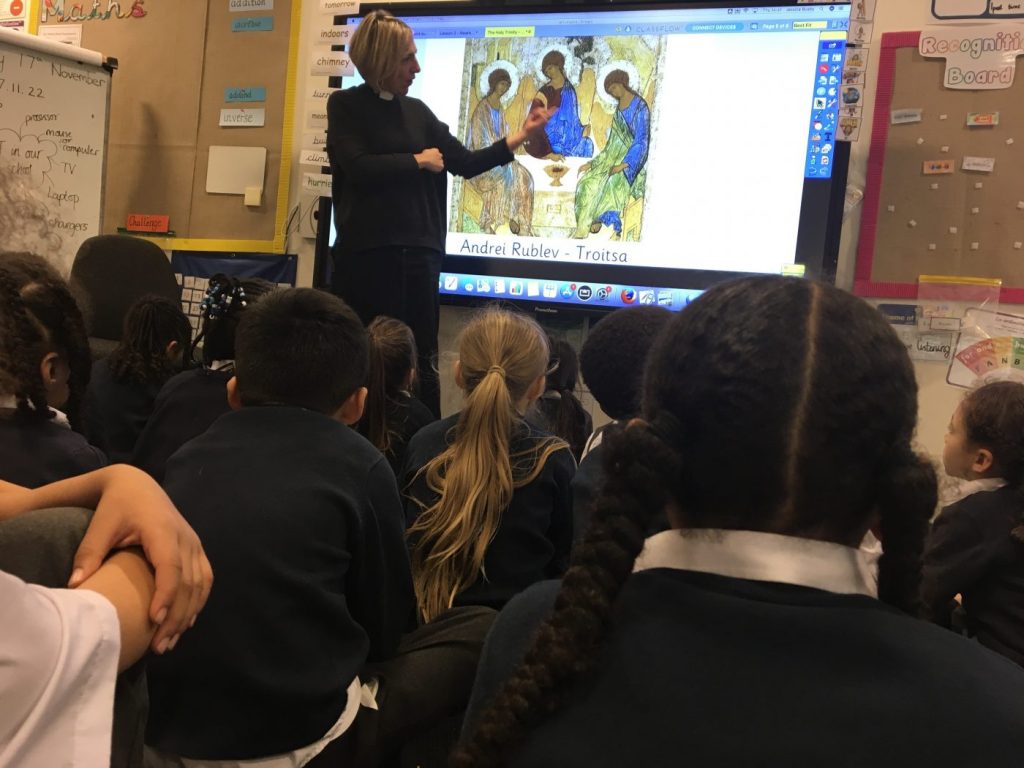
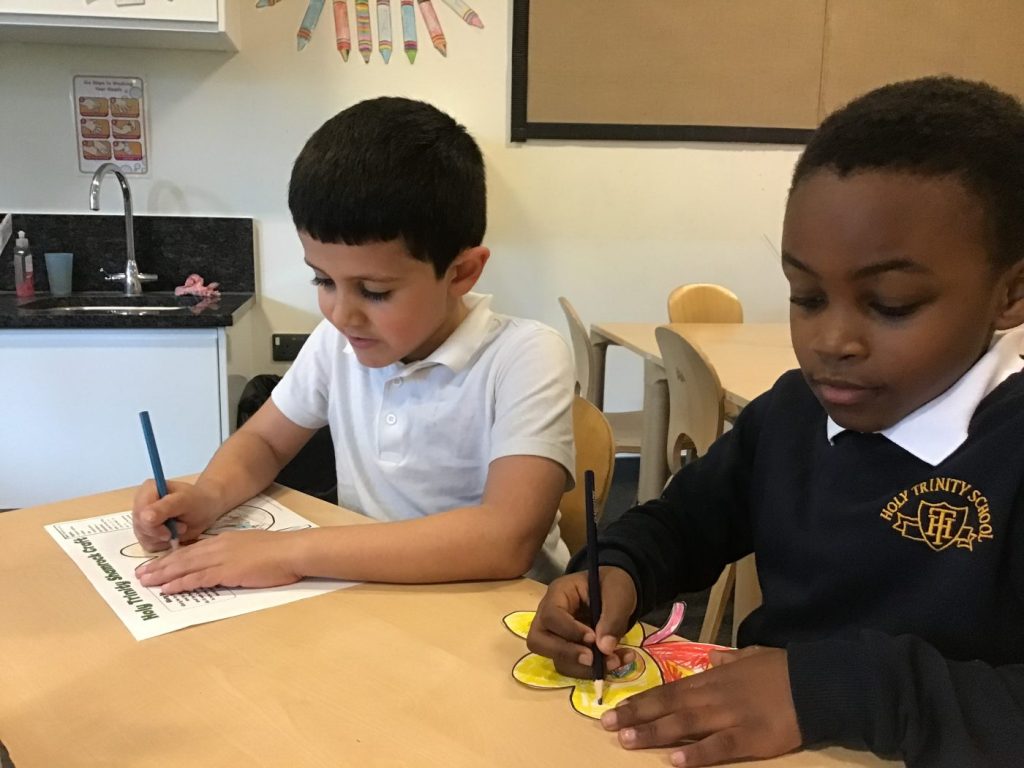
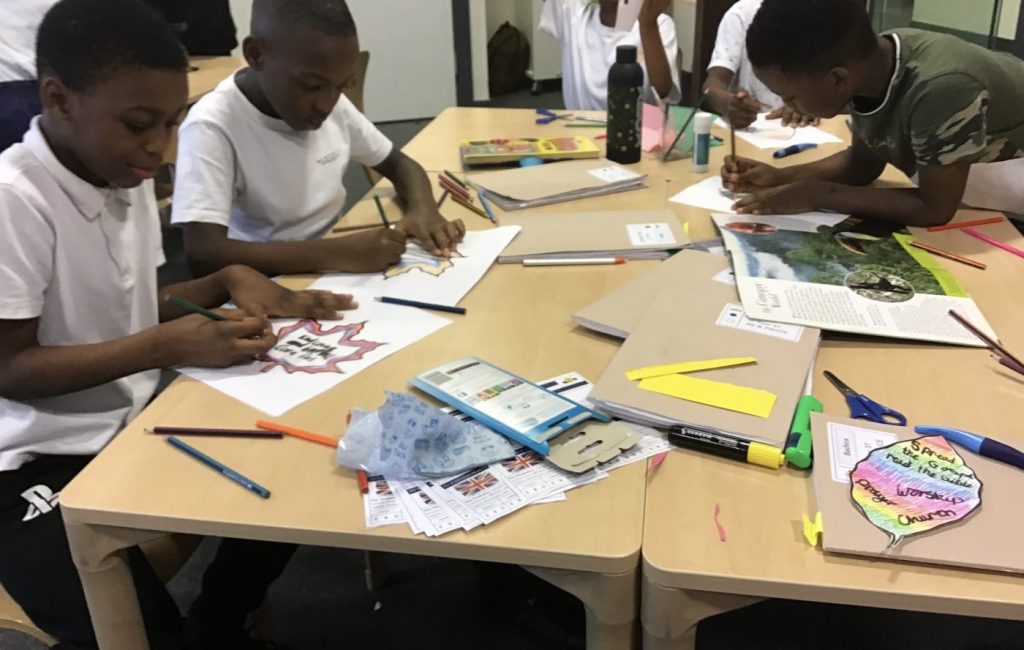
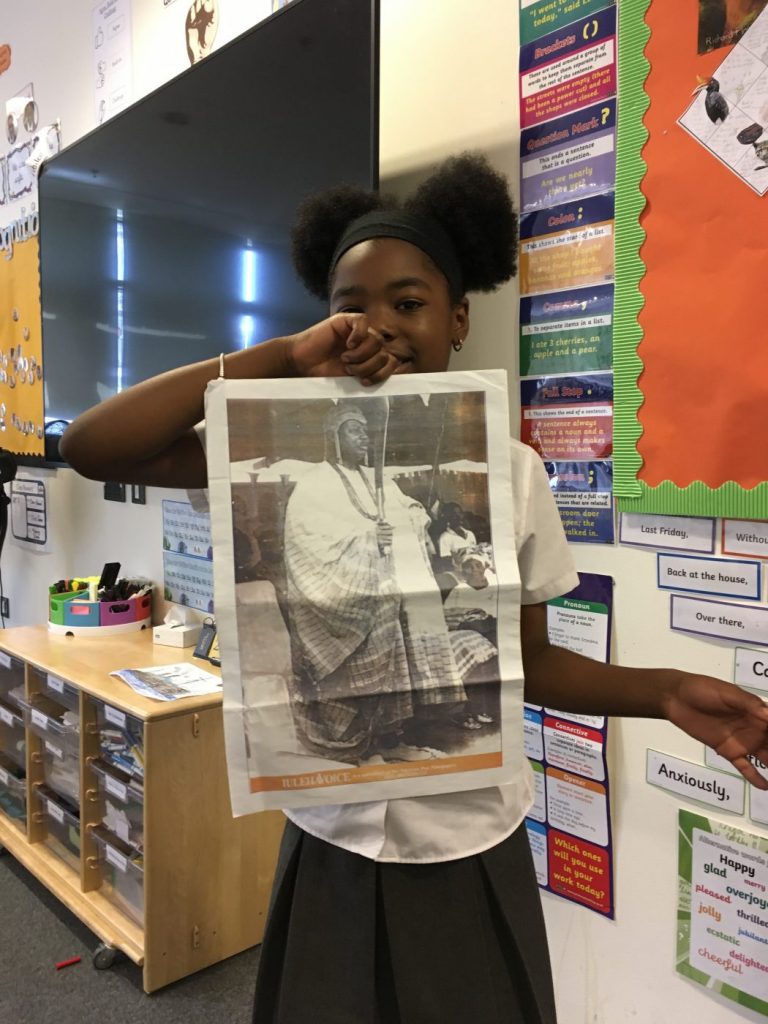
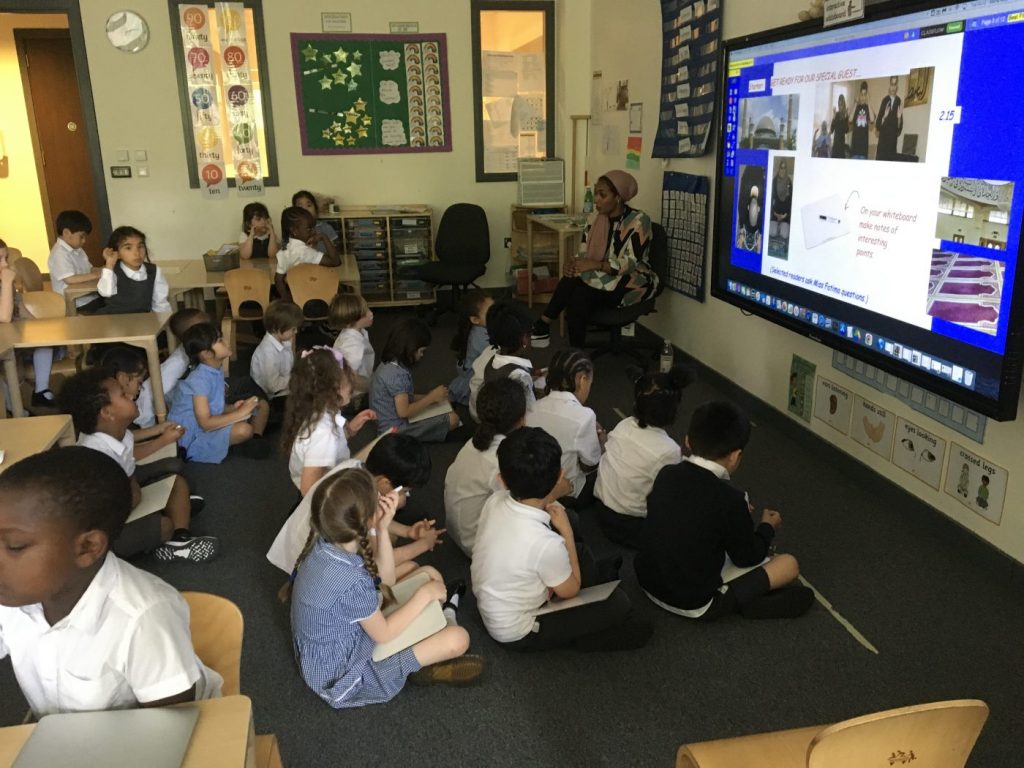
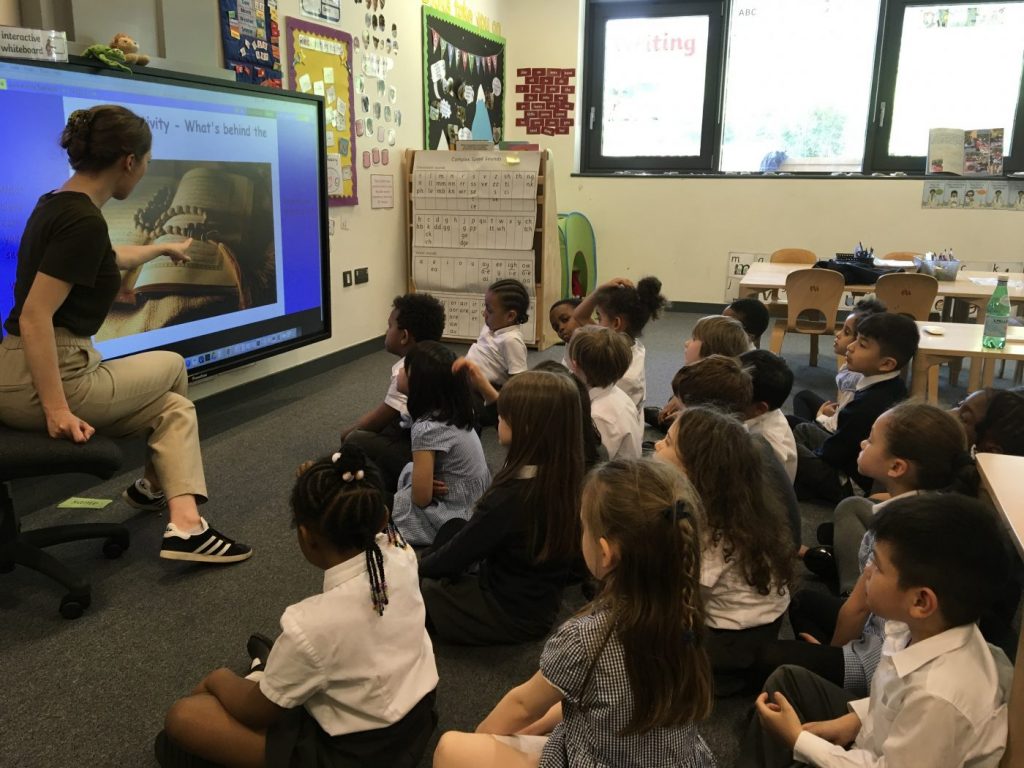
Across KS1 and KS2, pupils follow a challenging and engaging curriculum built around “big questions.” Lessons encourage deep thinking and discussion, with opportunities to build on ideas over time. A range of high-quality resources and artefacts enhance learning, and visitors are welcomed to share first-hand experiences of faith and belief.
Our teaching reflects the reality of living in a multi-faith, multi-cultural and multi-racial society. We actively nurture respect, curiosity and open-mindedness so that children develop an informed and balanced understanding of different religions and worldviews.
Our Commitment
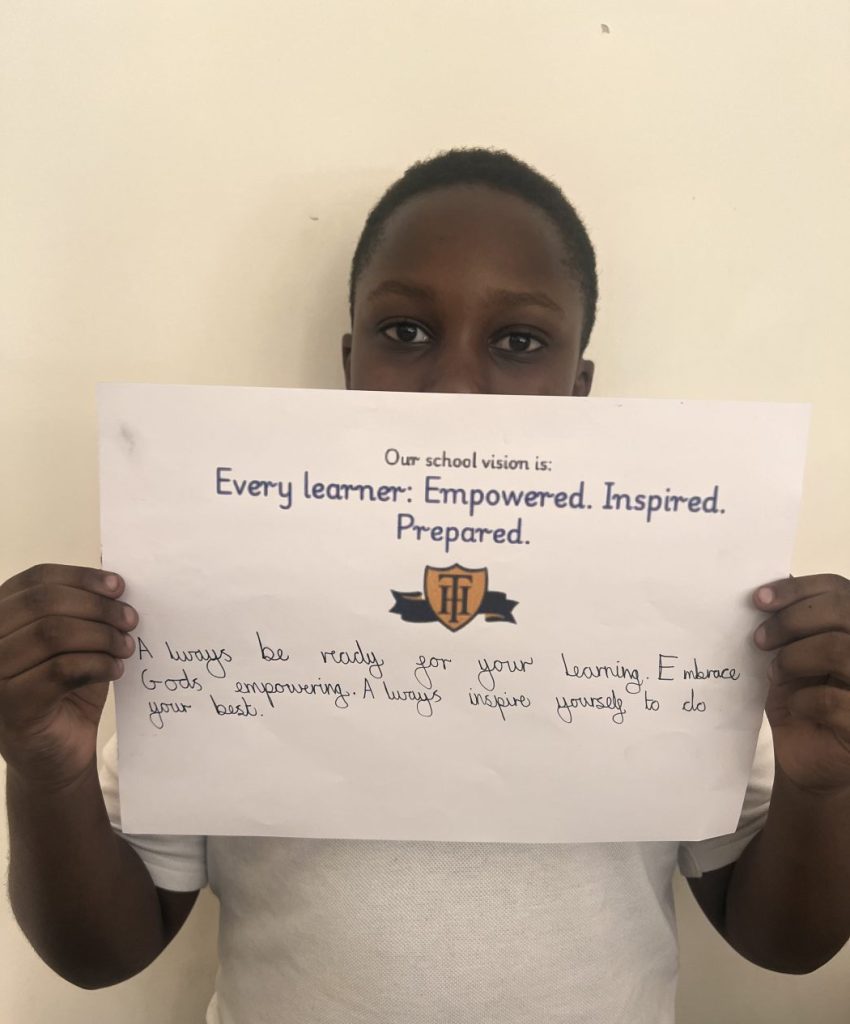
At Holy Trinity, we are proud to be a Church school rooted in Christian values. Our RE provision:
-
Reflects the Church of England Statement of Entitlement
-
Provides inclusive, high-quality learning for all pupils
-
Creates a safe space for exploring beliefs and ideas
-
Promotes enquiry, interpretation, analysis and reflection
-
Supports Spiritual, Moral, Social and Cultural development
-
Values the faith backgrounds of all members of our community
-
Encourages strong links between home, school and church
-
Introduces pupils to theological, philosophical and social perspectives
Our Christian values — including underpin all that we do. We are committed to serving our local and global community, fostering strong links with the Church and wider partners, and providing a caring, inclusive environment where every child is supported academically, socially, morally and emotionally.
Through Religious Education, we prepare our pupils to engage thoughtfully with the world and to contribute positively to the diverse society in which they live.
In accordance with the Statement of Entitlement Document written by the Church of England (2019), we ensure the following:
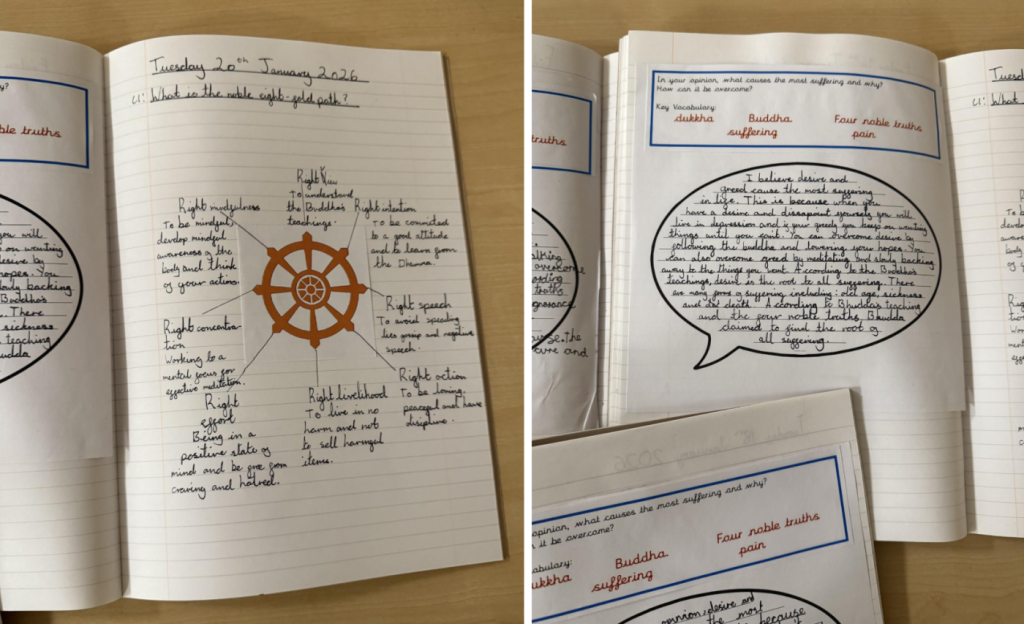
- Children study a two thirds Christianity and one third World Faiths curriculum in Key Stage 1 and Key Stage 2. The World Faiths include Judaism, Buddhism, Islam, Sikhism, Hinduism and local faiths in our community.
- In EYFS, the children study a Christianity based curriculum. Children gain knowledge and understanding of a range of religions and world views, appreciating diversity, continuity and change within the religions and world views being studied.
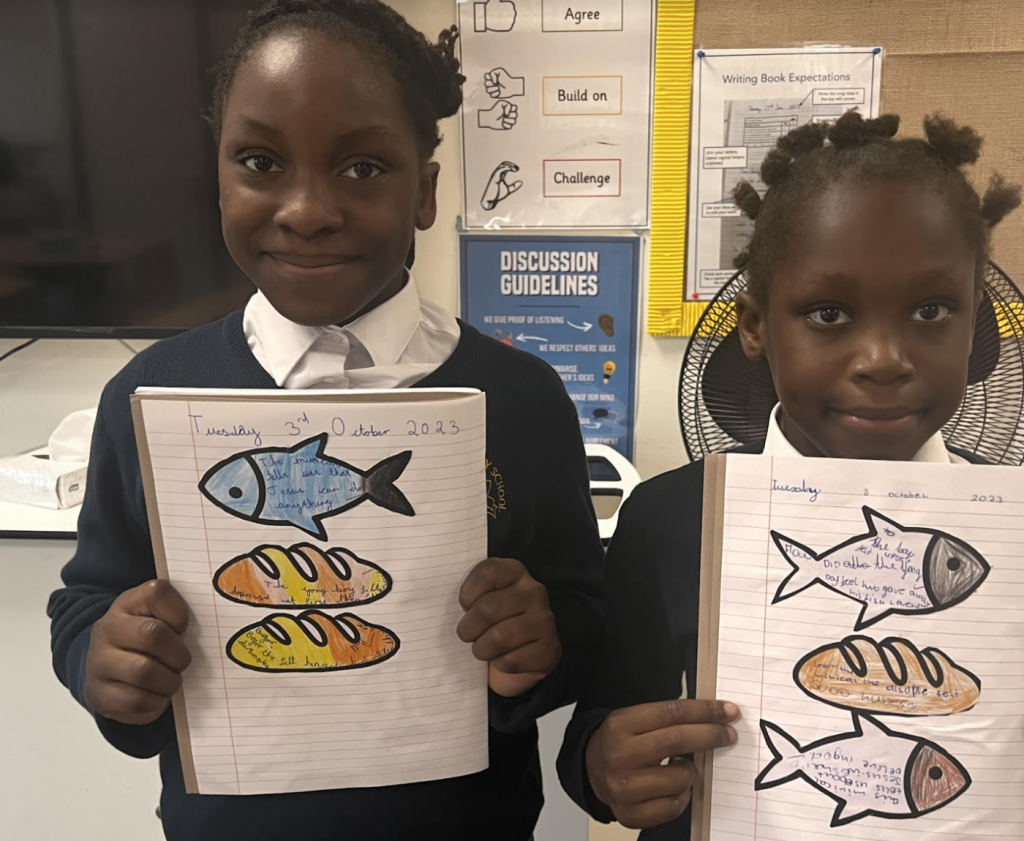
- Children have the opportunity to acquire a rich, deep knowledge and understanding of Christian belief and practice. This includes the ways in which it is unique and diverse.
- Teaching and learning uses an approach that engages with biblical text and theological ideas.
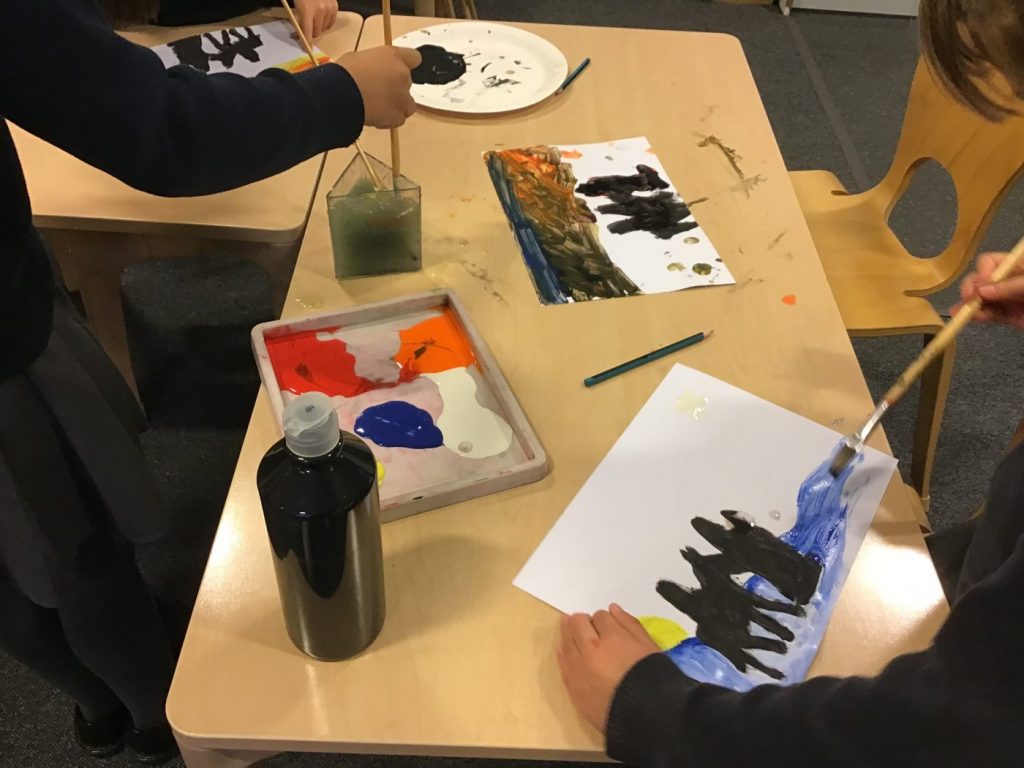
- Children have opportunities to learn about and from religion from a variety of resources.
- Children have opportunities to explore their own responses to profound human experiences and universal symbols.
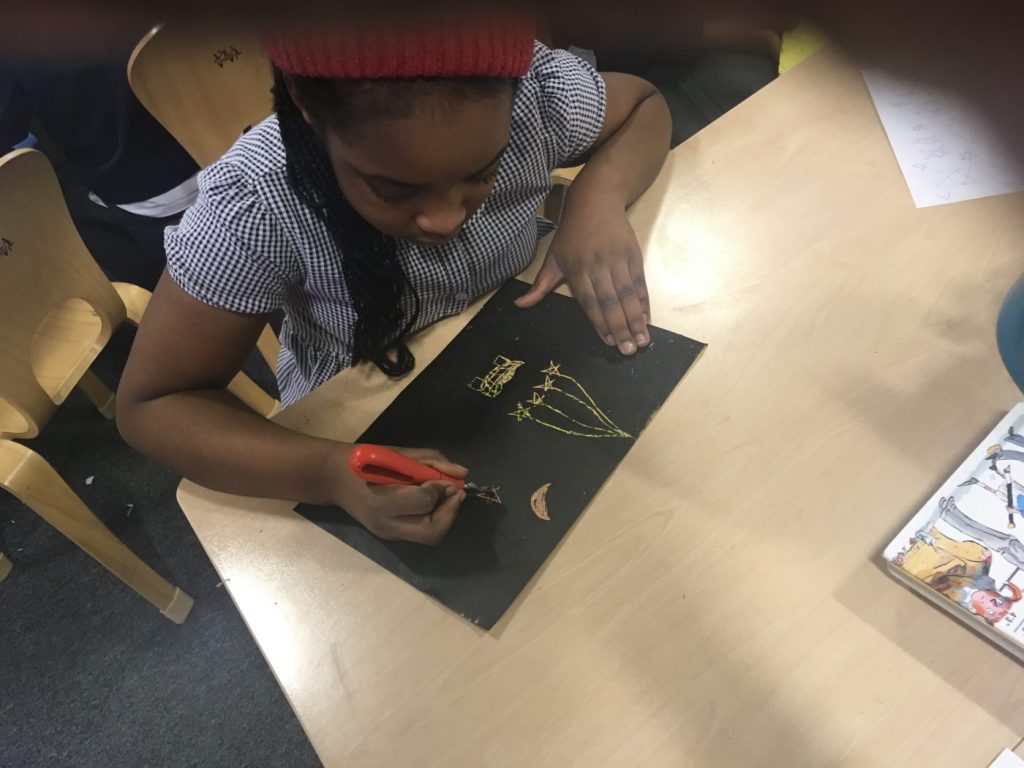
- Children are encouraged to respond freely to experiences and questions which have a profound or puzzling quality and to use a range of different forms of expression to convey their responses.
- ‘Big’ questions are asked where there isn’t necessarily a right or wrong answer.
- We follow the London Diocese Board for Schools (LDBS) scheme.
- If any parent is concerned over a particular topic, they are encouraged to discuss the matter with the class teacher, subject leader or headteacher. These discussions are always handled sensitively.
Please see our Religious Education Policy here