Read Write Inc (RWI)
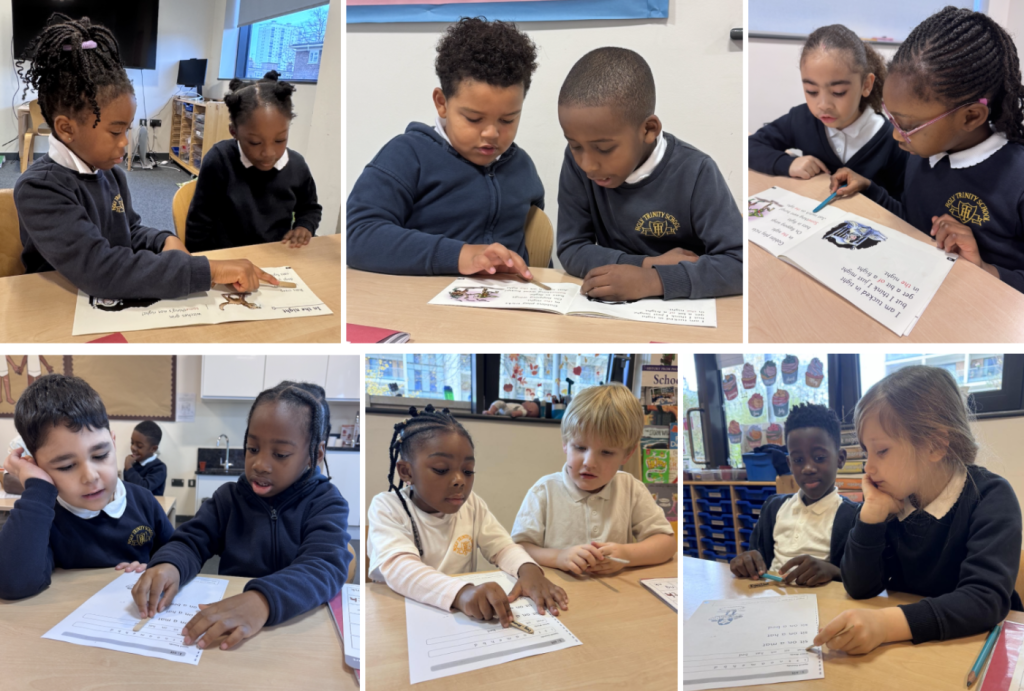
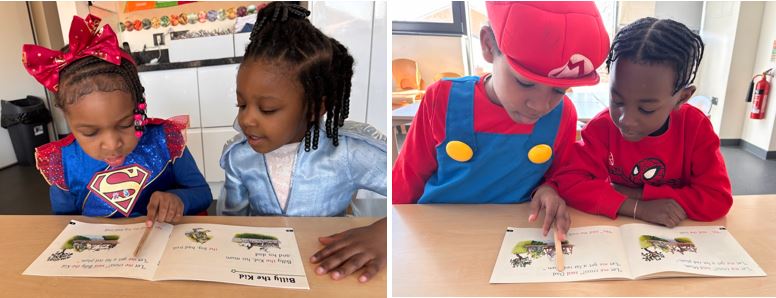
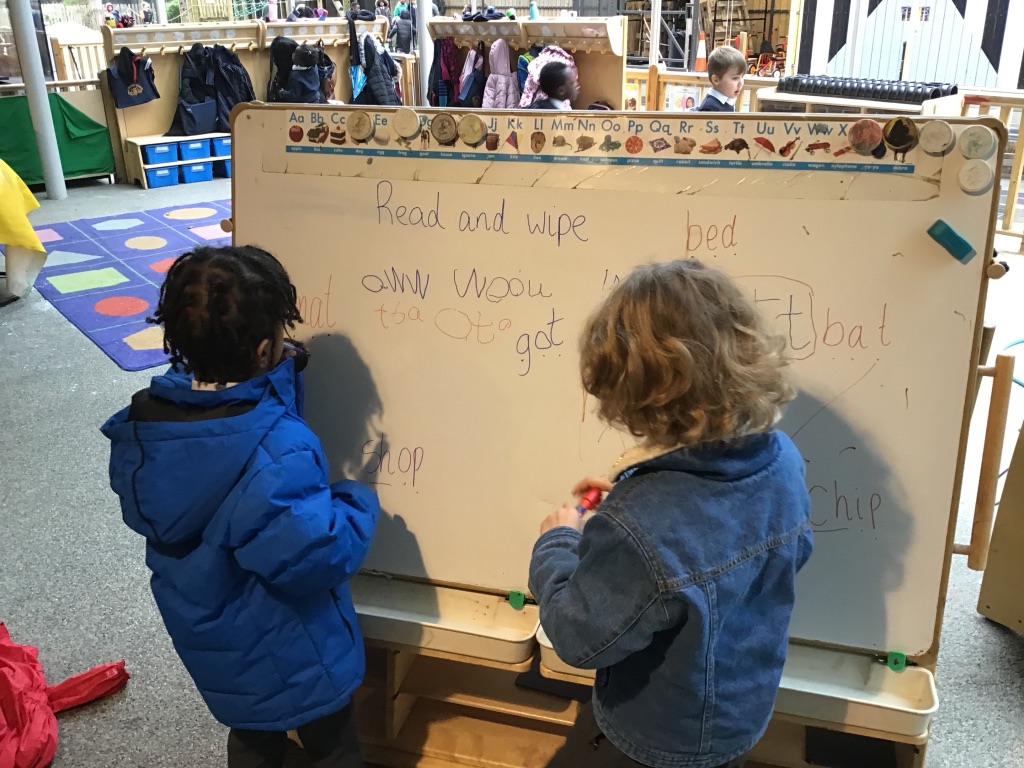
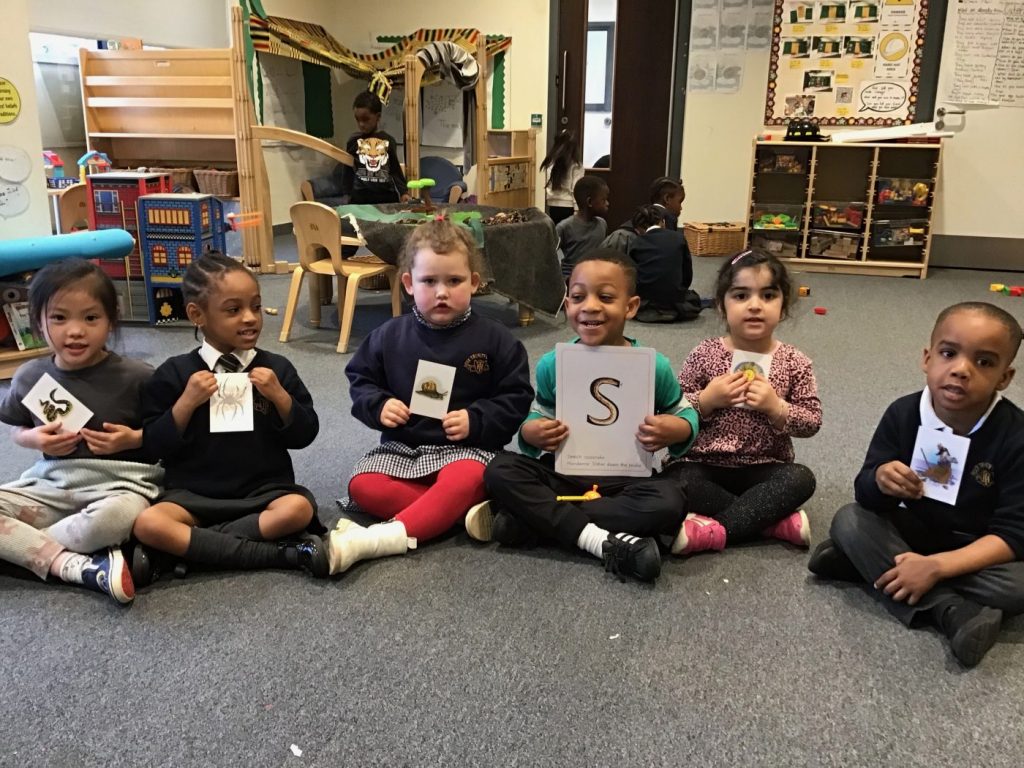
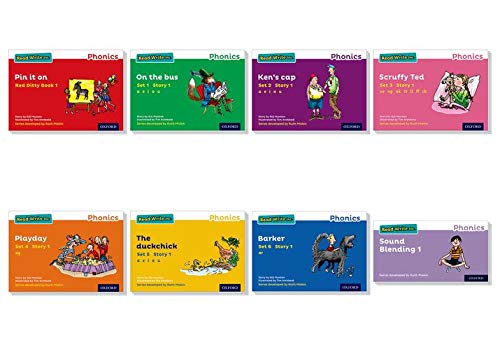
At Holy Trinity children are taught to read using a systematic phonics programme; we use Read Write Inc. We use this approach to teach children to read in the early reading development stage- where the focus is on using blended individual sounds (phonemes) to say and decode words.
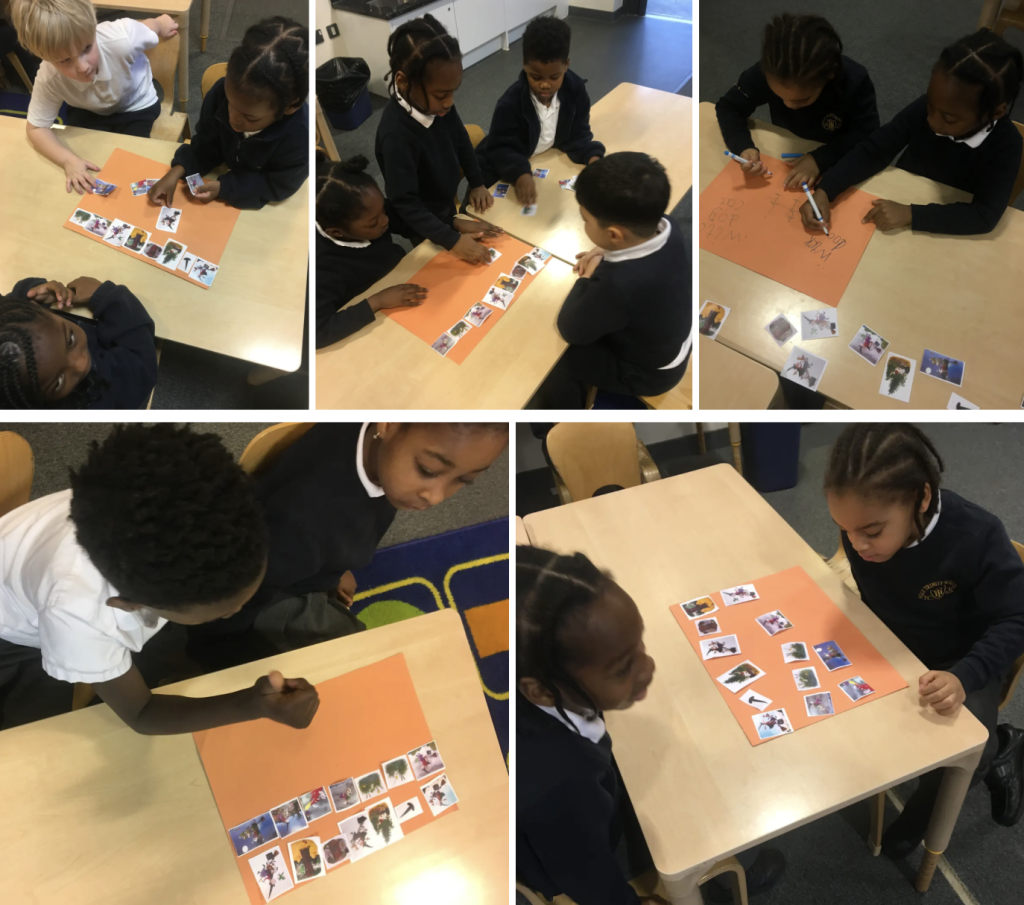
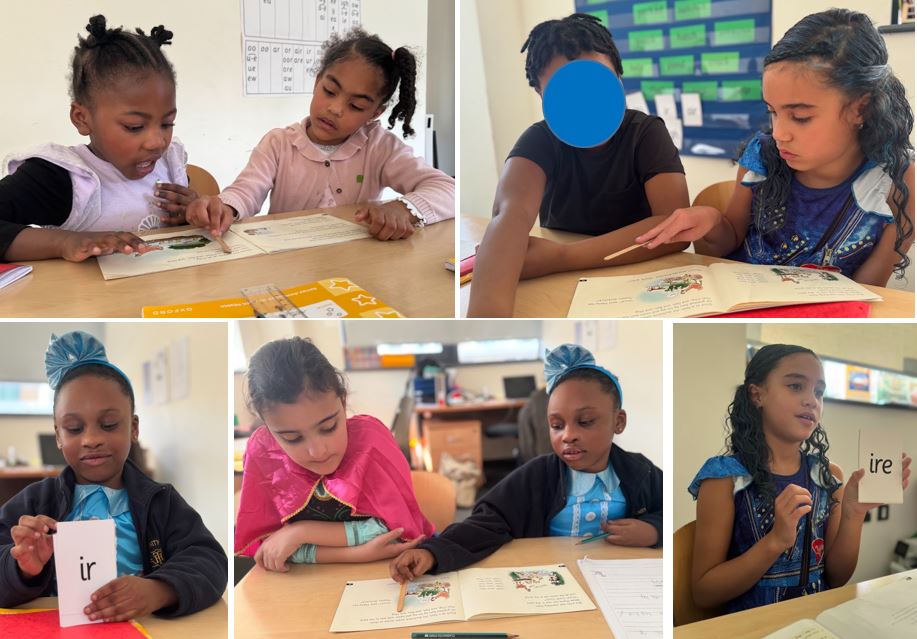
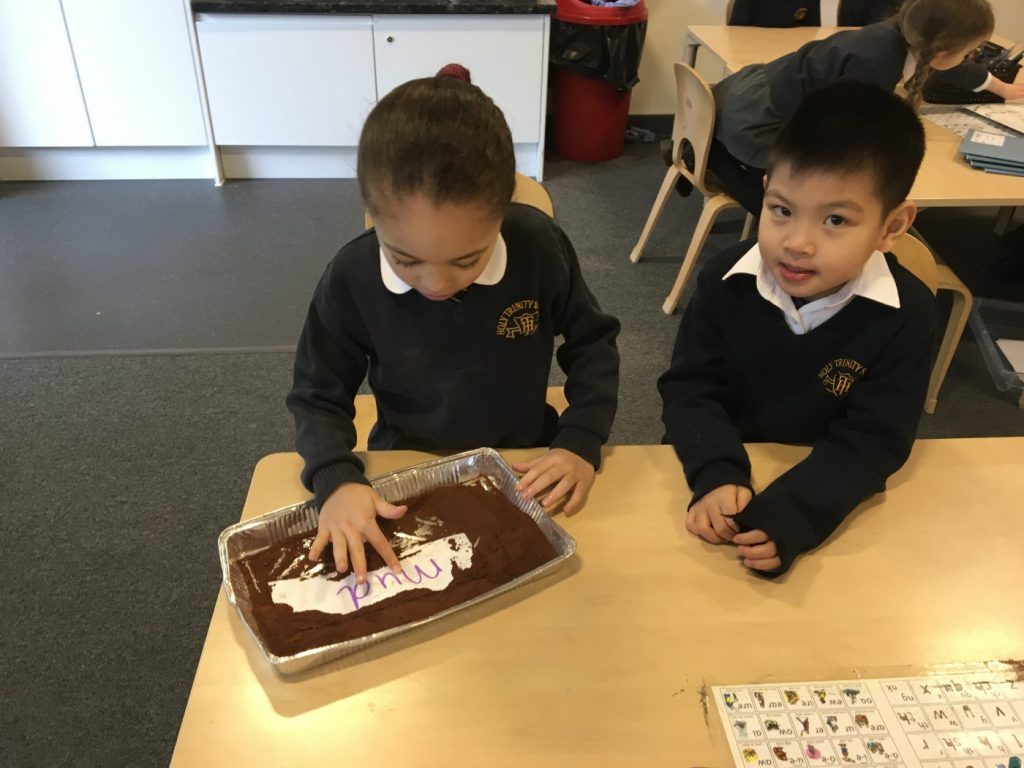
We start by teaching children to read the first thirty sounds (known in the RWI programme as Set 1 sounds- which consists of single letter sounds and sounds that have more than one letter- digraphs- known to the children as “Special Friends”) and to be able to blend these sounds to read words (i.e. to know that the sounds c/a/t can blend together to read the word cat). We use the terminology “Fred Talk” to describe the process of sounding out the sounds in the words. Once they have mastered this skill, they start reading stories and texts that have words made up of the sounds they know. This means that they can embed and apply their phonic knowledge and start to build their reading fluency (efficient reading speed) and develop their comprehension (understanding of the text). At the same time, we teach them how to write the sounds and use this knowledge to spell words, leading to writing short sentences.
As their confidence and fluency grows, we start to introduce more sounds (beginning with Set 2 sounds) and the children read texts with increasingly more complex sounds and graphemes (eventually learning to read Set 3 sounds- where children are exposed to different ways of spelling the the same sounds, e.g. “ow” (blow the snow) and “oa” (goat in a boat)/ or “ay” (may I play?) and “ai” (snail in the rain)). They learn that a sound can be written using 2 or 3 or even 4 letters. We call this a grapheme (the way that the sound is written).
Children then learn to use these graphemes to spell phonetically regular words (we call these green words), using their sound knowledge to help them. Words that are not phonetically regular (i.e. cannot be made with sounds children learn in the RWI programme) are known as red words. Examples of red words would include “walk” or “the” and cannot be “Fred talked” by the children to help them read the word.
More information about how we teach early reading using the Read Write Inc synthetic phonics programme, and how you can best support your child at home, can be found here
Year 1 Phonics Screening Check
Nationally, each June, all pupils in Year 1 complete a phonics screening check. This is a short assessment to find out how accurately the children are reading decodable words. Children will be asked to ‘sound out’ a word and then blend the sounds together. For example:
sh–o–p shop f-air fair l-igh-t light
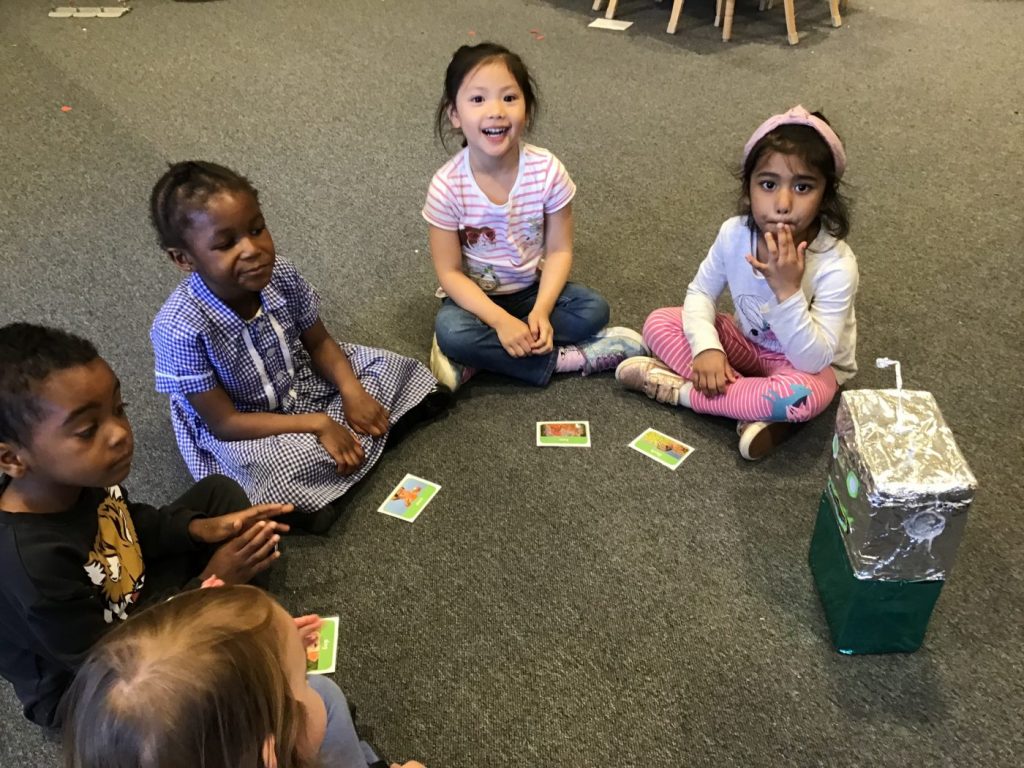
The children will be asked to read real words and nonsense ‘alien’ words, which help to establish how confident they are at decoding unfamiliar words.
How you can help your child at home:
Encourage your child to sound out, using the phrase “Fred talk” to sound out tricky or unfamiliar words when reading at home. Practice the sounds using either the Read Write Inc Set 1 and Set 2/3 sound cards (which are available to purchase online) or by using the pages in the Read Write Inc books that are sent home each week. Children should read their Read Write Inc books at home every day to build fluency and confidence. When reading, if they come across a tricky word, encourage your child to find the “special friends”, followed by “Fred talk” then “read the word”. These are the support phrases that we use at school to help children read words for themselves. More information about the phonics screening check can be found here
Reading Beyond Phonics
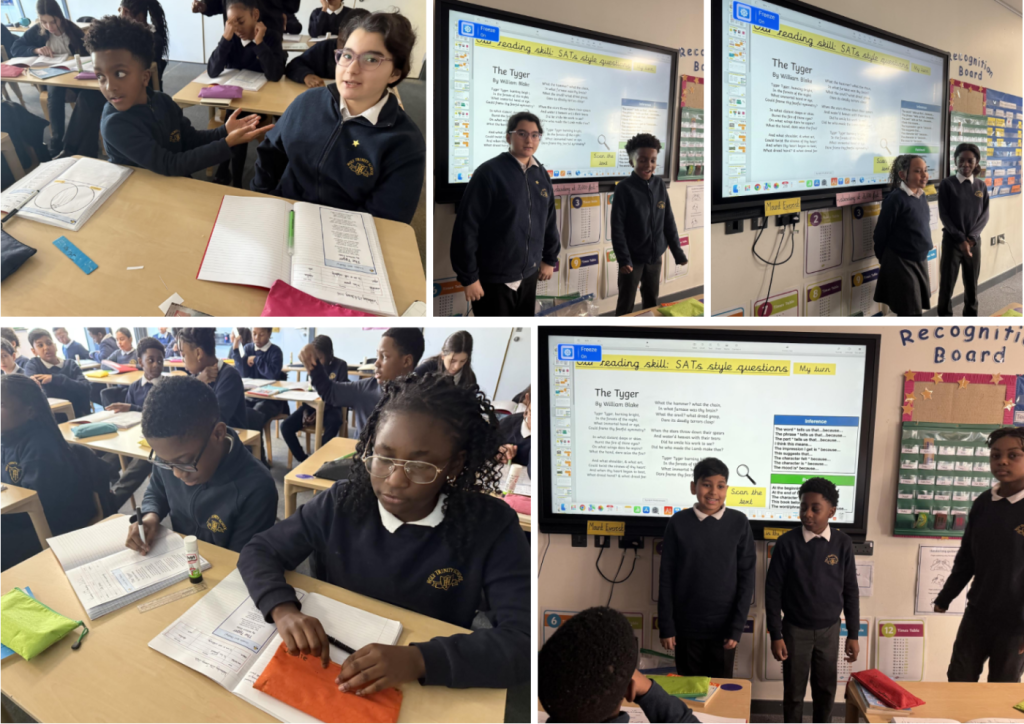
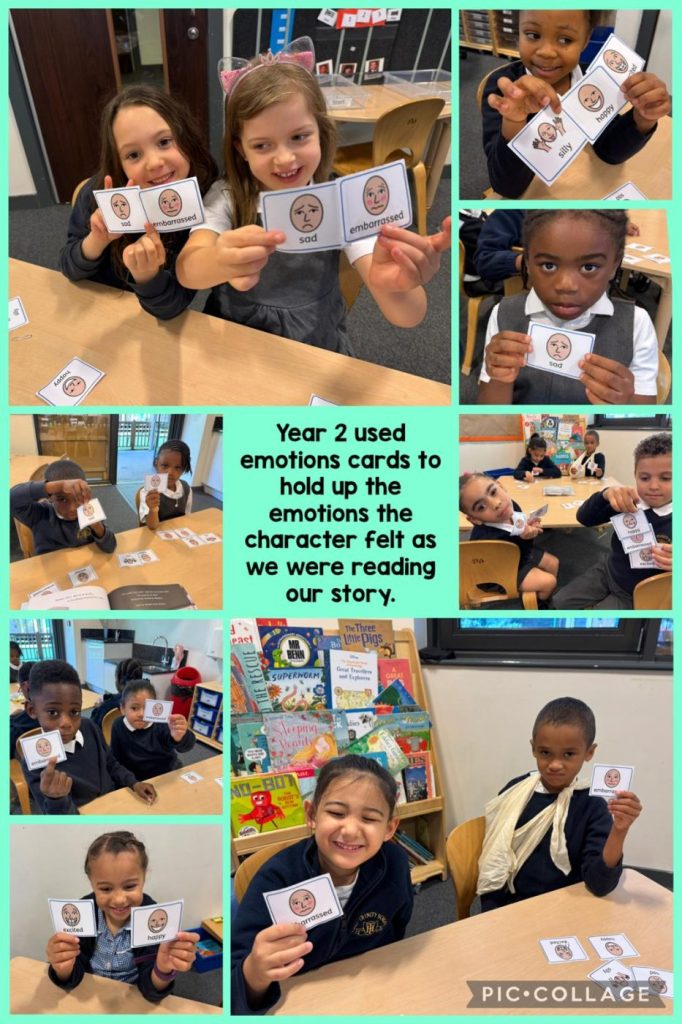
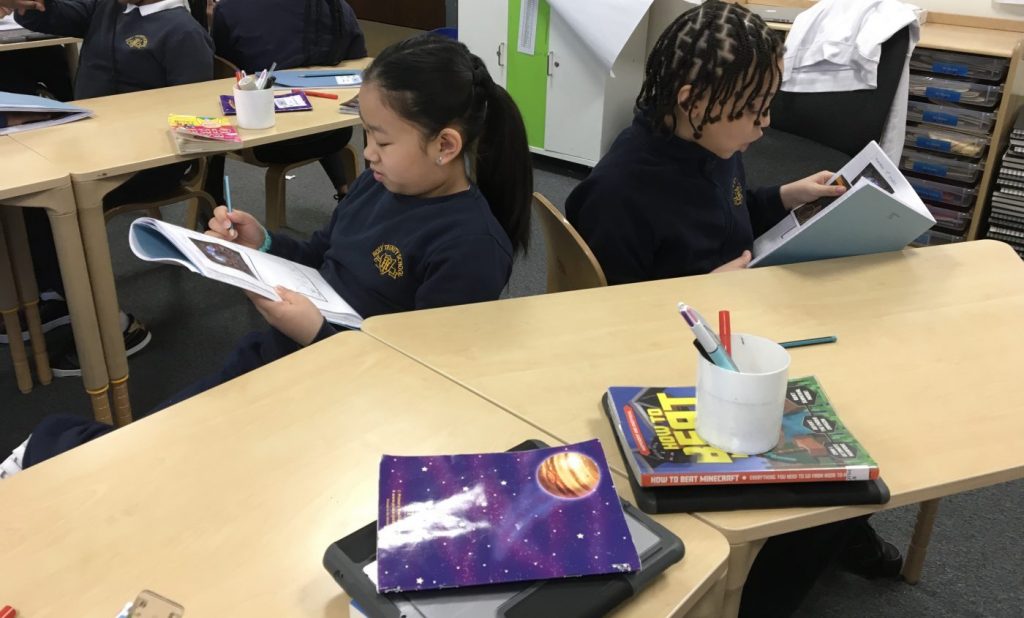
When children complete the Read Write Inc programme, they move into whole class reading. The books that the children read are carefully planned across the year to ensure they remain relevant to the children and there is a breadth of genres. Our Reading programme ensures that children are regularly assessed and placed in reading groups which support their reading ability. The Reading Spine consists of a wide range of high quality, inclusive texts that foster a love for and curiosity for reading as well as provide opportunities for developing word recognition and language comprehension. The books we read are in the KS2 Reading Curriculum Overview below.
The document below provides details of the key learning in Reading for years 1 – 6. To view the document please click the link below: